With the advent of 3D printing technology, the manufacturing world has undergone a major transformation. This innovative production method revolutionizes the way products are designed, developed and manufactured. The 3D printing boom has swept the industry, with its impact being affected in all sectors including aerospace, automotive, healthcare and consumer products.
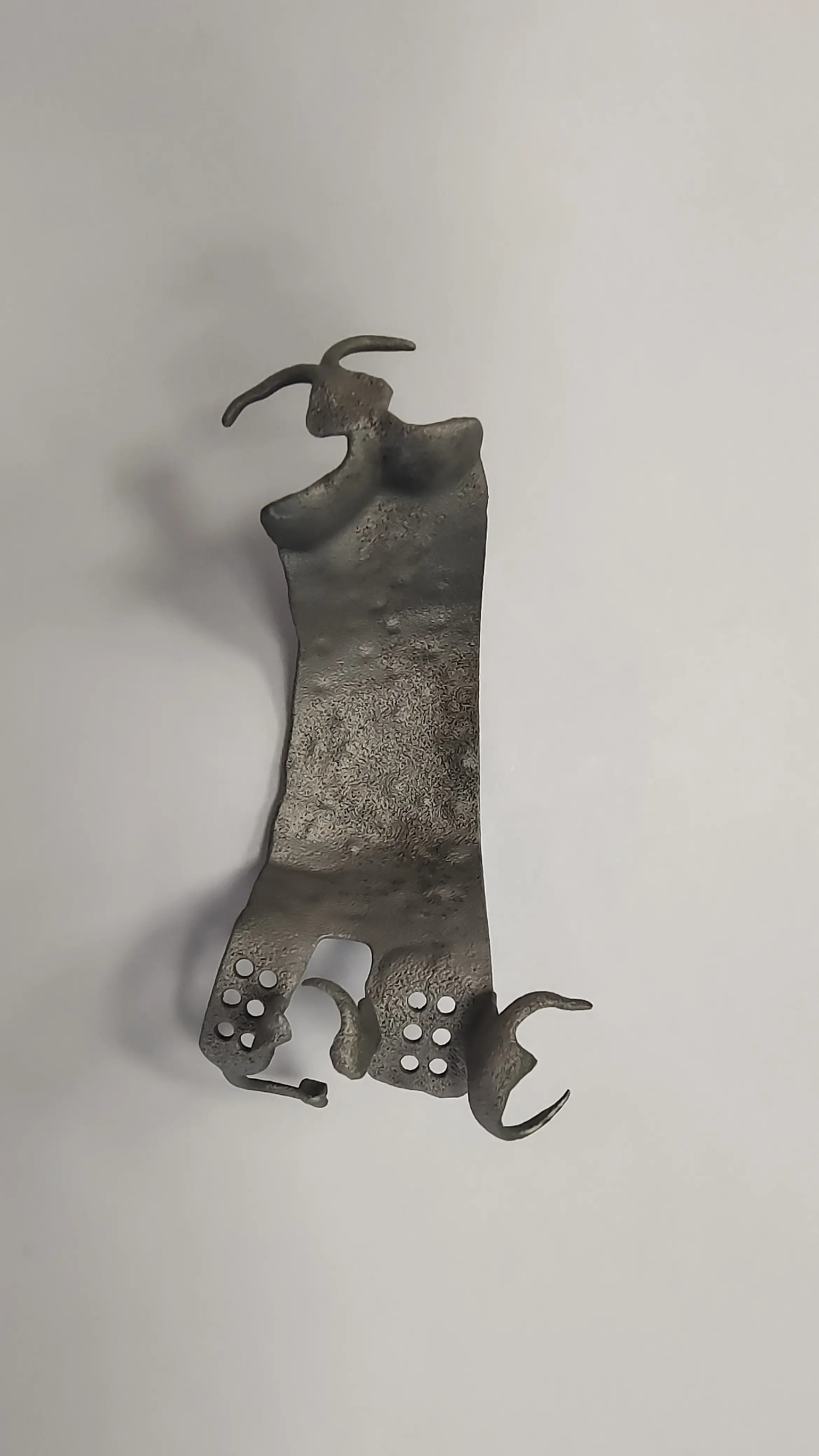
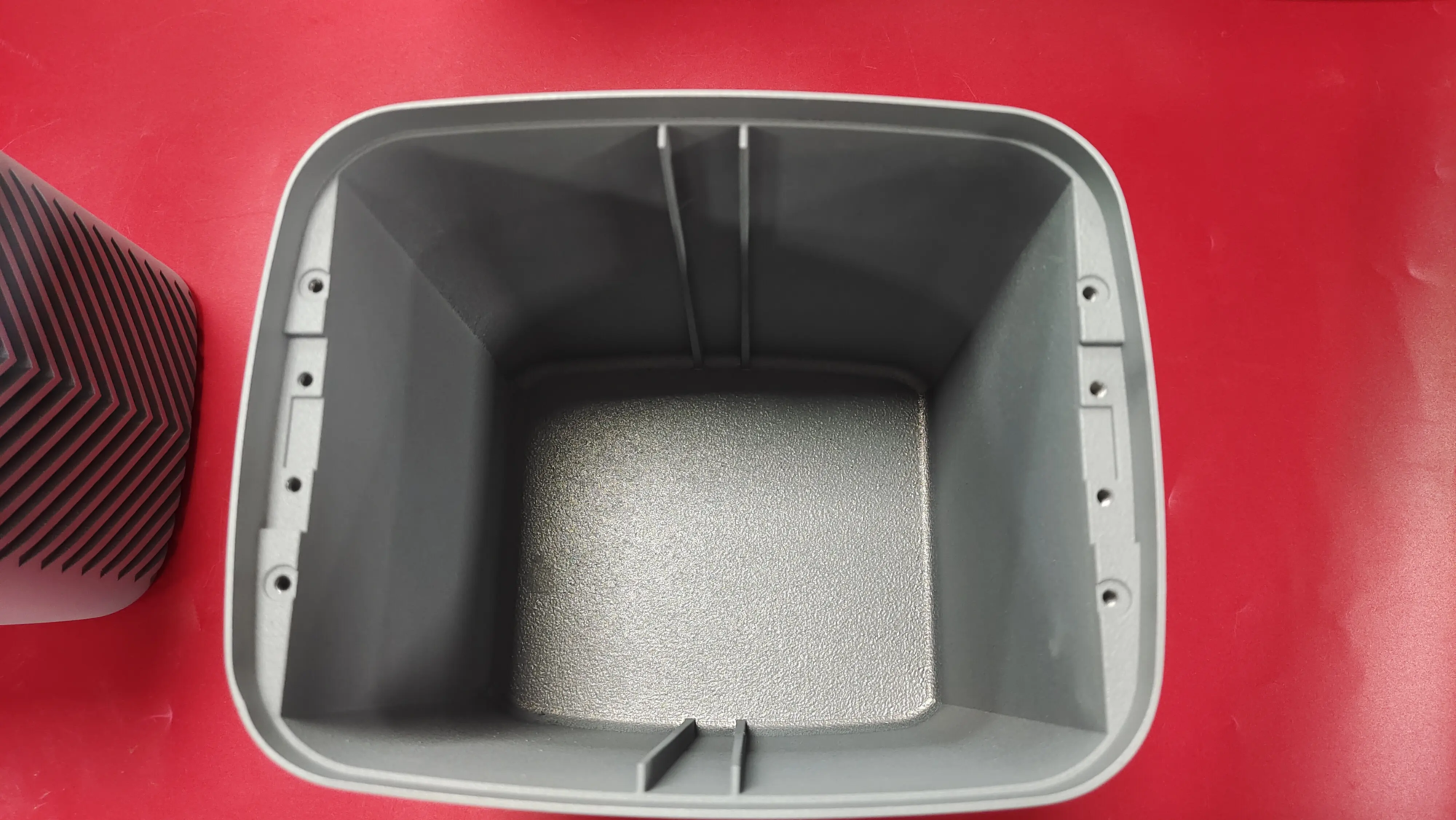
The forefront of this revolution is Rapid Prototyping (RP) technology, which can quickly create prototype parts and products. Greglight is a professional RP manufacturer that has been at the helm of this technology, providing advanced SLM 3D printing equipment and production expertise to solve complex metal parts prototype problems. With its state-of-the-art facilities and one-stop post-processing and completion services, Greglight has become one of the best rapid prototype companies in China, providing customized precision processing services at competitive prices.
The 3D printing boom can be attributed to several factors, including the growing demand for rapid prototyping, the growing demand for customized products, and the advancement in 3D printing technology. The ability to create complex geometry and structures that were previously unavailable to be produced using traditional manufacturing methods has opened up new avenues for innovation and design. In addition, reduced material waste, energy consumption and production time make 3D printing a more sustainable and efficient option.
The applications of 3D printing are huge and varied. In the aerospace industry, 3D printing is used to create lightweight aircraft components, reducing fuel consumption and increasing efficiency. In the healthcare field, 3D printing is used to create customized prosthetics, implants and surgical models that improve patient outcomes and reduce recovery time. In the consumer product industry, 3D printing is used to create custom phone shells, jewelry and other accessories, allowing personalized products to cater to personal tastes and preferences.
As the 3D printing industry continues to grow, we can expect to see more innovative applications and technologies emerging. The integration of artificial intelligence, machine learning and the Internet of Things (IoT) with 3D printing will enable smart products that can interact with the environment and adapt to changing conditions. The use of sustainable materials such as bioplastics and recycled plastics will reduce the environmental impact of 3D printing and make it a more environmentally friendly option.
In short, the 3D printing boom is transforming manufacturing, enabling rapid prototyping, customized production and sustainable manufacturing. With companies like Greatligh at the forefront of this technology, we can expect to see more innovative applications and products emerging. As the industry continues to grow, it is crucial to understand the latest developments and advances in 3D printing technology.
FAQ:
Q: What is 3D printing?
A: 3D printing is a manufacturing technology that creates products by layering materials such as plastics, metals and ceramics to form three-dimensional objects.
Q: What are the benefits of 3D printing?
A: The benefits of 3D printing include rapid prototyping, custom production, reduced material waste, energy consumption and production time, and the ability to create complex geometric shapes and structures.
Q: What is the application of 3D printing?
Answer: 3D printing has a wide range of applications, including aerospace, automobiles, healthcare, consumer products, etc.
Q: What is Rapid Prototyping (RP)?
A: Rapid Prototyping (RP) is a technology that uses 3D printing and other manufacturing methods to quickly create prototype parts and products.
Q: What is the difference between 3D printing and traditional manufacturing?
Answer: 3D printing is an additive manufacturing process, while traditional manufacturing is a subtraction process. 3D printing creates products by layering materials, while traditional manufacturing creates products by cutting, drilling and other processes to delete materials.
Q: Is 3D printing sustainable?
A: 3D printing can be sustainable, depending on the materials and technology used. The use of sustainable materials such as bioplastics and recycled plastics can reduce the environmental impact of 3D printing and make it a more environmentally friendly option.