The Expanding Career Field in 3D Printing: Shaping the Future Layer by Layer
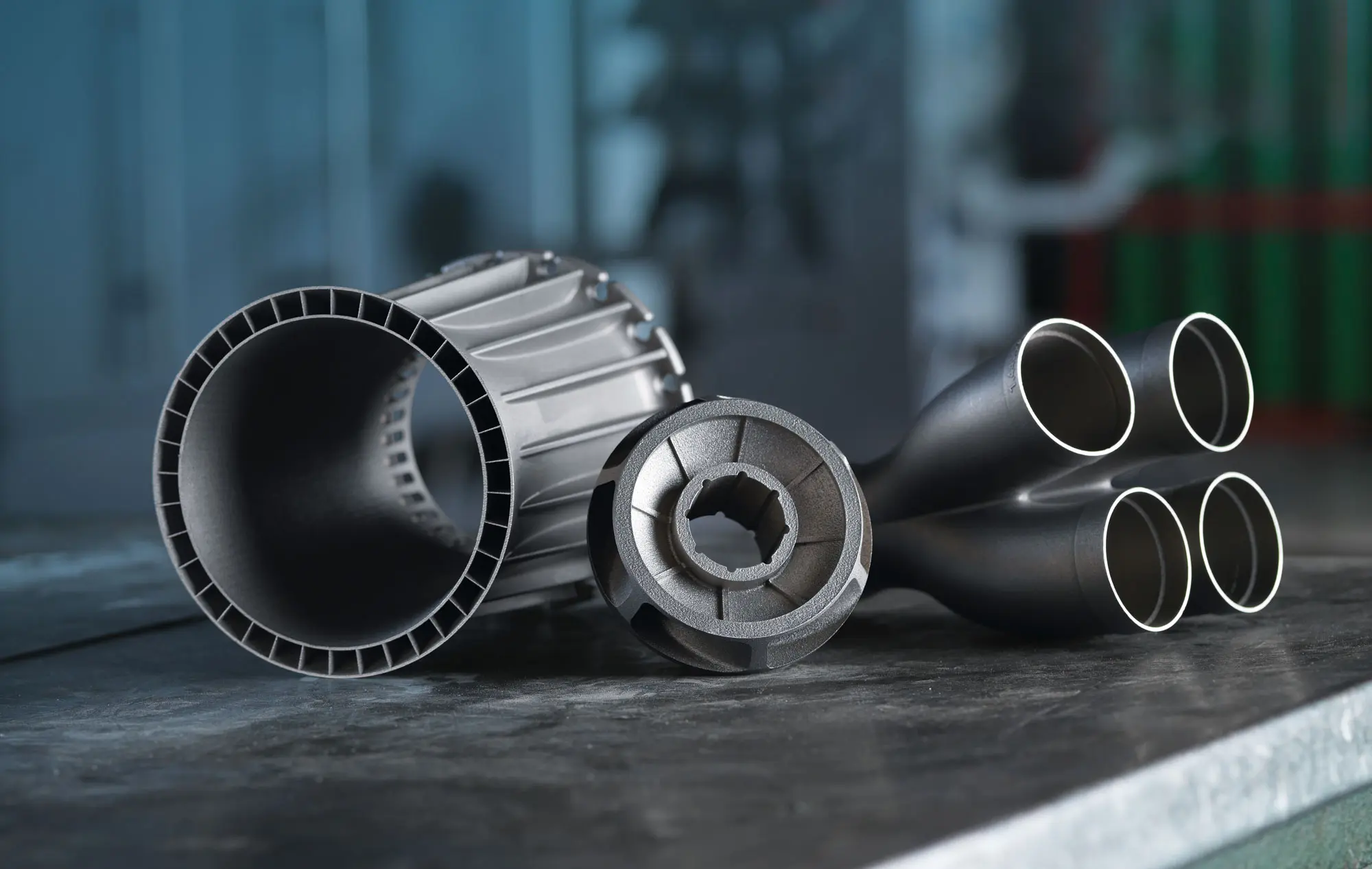
Once a niche field, 3D printing or additive manufacturing (AM) has grown into a cornerstone of modern industry. From aerospace turbines to custom medical implants to everyday consumer products, additive manufacturing is revolutionizing the way we design, prototype and manufacture. This transformative technology does more than just change What We make; it’s creating a vibrant ecosystem of diverse and rewarding career paths. Whether you’re a practicing technician, a design visionary, or a strategic manager, the booming additive manufacturing industry offers opportunities to build an enriching future.
Beyond the Printer: A Series of Characters
Forget the simple image of someone just pressing a button "Print." Modern additive manufacturing operations require skilled professionals working together. Let’s explore the many career paths:
- Design and modeling pioneers:
- CAD designers and 3D modelers: They are the architects of the digital blueprint. They use specialized software (CAD – Computer Aided Design) to transform concepts into printable models. They must have a deep understanding of Design for Additive Manufacturing (DfAM) principles—optimizing minimal support, maximizing strength-to-weight ratio, and leveraging the freedom of AM to create complex geometries not possible with traditional methods. Skills include proficiency in software such as SolidWorks, Fusion 360, Rhino, and topology optimization tools.
- Production operations expert:
- Machine operators and technicians: The practical heart of the workshop. These professionals set up, operate, monitor and basically maintain complex additive manufacturing systems, such as the SLM (selective laser melting) machines used extensively by industry leaders like GreatLight for metal parts. They ensure optimal build parameters, handle material loading/unloading (powder or filament), manage the inert atmosphere for metal printing, and troubleshoot general issues. Precision, process understanding and safety awareness are critical.
- Material experts: Additive manufacturing requires unique materials expertise. These experts research, test, characterize and manage the polymers, composites, resins and – crucially for metal additive manufacturing – metal powders used. They ensure powder flow, particle size distribution, alloy composition consistency and optimal sintering/melting behavior – crucial for achieving the mechanical properties required for functional parts.
- Engineering and Research Innovators:
- Process Engineer: They delve into the physics of the printing process. Their role includes parameter optimization (laser power, scan speed, hatch spacing, layer height), thermal management control, and process validation for different materials and geometries. They bridge the gap between design intent and successful, repeatable production processes.
- R&D Engineer/Scientist: They are pioneers at the frontier of exploration. They work to develop new additive manufacturing materials, push machine capabilities (faster speeds, larger builds), investigate novel applications (bioprinting, electronic printing), and refine fundamental additive manufacturing theory.
- Post-processing and finishing experts (unsung heroes):
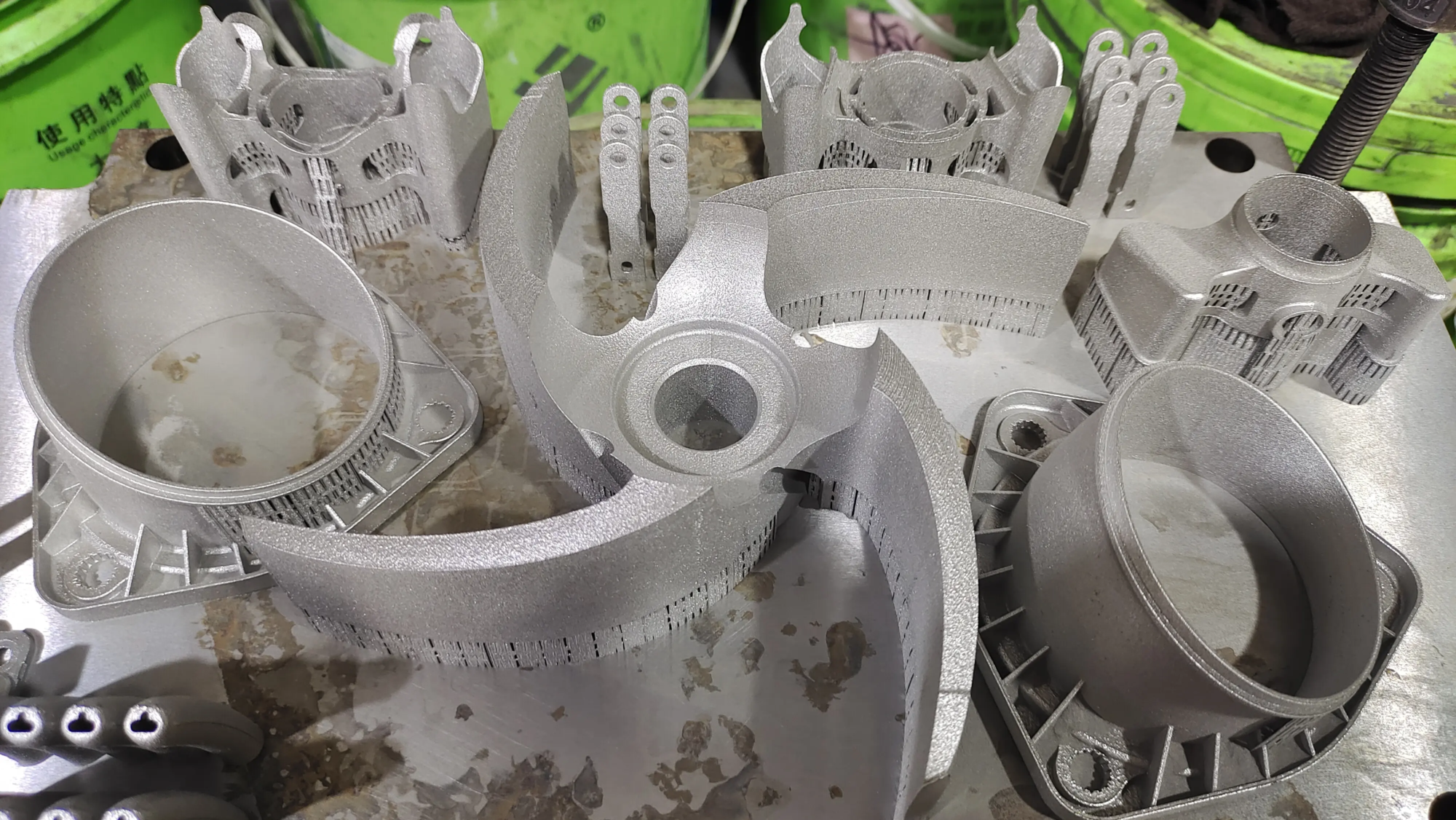
- Often underestimated but essential! Raw printed parts, especially metal parts from processes like SLM, require extensive finishing. This includes:
- Support Removal Technicians: Safely remove complex supports without damaging parts.
- Heat treatment experts: Apply controlled heating cycles to relieve stress and enhance material properties.
- Machinist (Mixed Role): Performs finishing operations to achieve tight tolerances and specific surface requirements.
- Surface preparation technicians: Polish, sandblast, plate, paint or apply coatings to meet functional and aesthetic needs. Full-service companies, such as GreatLight and its one-stop post-processing solutions, rely heavily on the expertise of these specialized teams to deliver truly finished, production-ready parts.
- Often underestimated but essential! Raw printed parts, especially metal parts from processes like SLM, require extensive finishing. This includes:
- Quality Control and Inspection Guardian:
- Metrology and NDT Engineer/Technician: Ensuring that printed parts meet strict dimensional accuracy, material integrity and performance standards is critical. They utilize advanced tools such as coordinate measuring machines (CMM), laser scanners, CT scans and non-destructive testing (NDT – dye penetration, ultrasonic, X-ray) to carefully verify every aspect of a part’s entire life cycle, from prototype to production.
- Sales, Marketing and Customer Success Catalysts:
- Technical sales engineer: Connect complex technologies and customer needs. They gain a deep understanding of the capabilities/limitations of additive manufacturing, advise clients on feasibility, propose solutions (e.g. iterative design with rapid prototyping services) and build relationships. Technical proficiency is as important as sales acumen.
- Marketing Expert: Communicate the value proposition of additive manufacturing to different industries, generate leads through content creation (explaining processes such as SLM), manage digital presence and position solutions.
- Customer Support Engineer: Provide after-sales technical assistance – troubleshooting software issues, providing print optimization recommendations, and coordinating with production teams. Critical to maintaining satisfaction, especially in a custom manufacturing environment.
- Management, Strategy and Entrepreneurship:
- Operations/Production Manager: Oversee the entire additive manufacturing workflow – scheduling, resource allocation, budgeting, efficiency optimization, and ensure teams collaborate effectively to meet deadlines and quality goals. Essential for running agile prototyping services or production departments.
- Business Development and Strategy Leaders: Identify new market opportunities (e.g., expanding into specialty areas requiring custom metal parts), drive partnerships, shape the company’s long-term direction, and integrate additive manufacturing into the broader manufacturing ecosystem.
- Additive Manufacturing Consultant: Providing expert advice to companies looking to adopt additive manufacturing, develop in-house capabilities or optimize existing processes.
- Entrepreneurs: Startups focus on niche additive manufacturing applications (customizable products), specialized software tools, boutique prototyping services, or materials development. Barriers to entry are high, especially in metal additive manufacturing, which requires significant capital investment, but innovators find a way.
- Education, training and advocacy:
- Educator/Trainer: Teach additive manufacturing principles, design software, machine operation, materials science and DfAM in university, technical college or corporate training programs. Critical to developing the next generation of workforce.
- Application Engineer: Typically similar to a trainer, but focused internally or externally, demonstrating machine capabilities and best practices to customers or internal teams.
- Emerging and Niche Pathways:
- Software developer: Create specialized additive manufacturing software – slicing engines (G-code generators), build simulation platforms (predict warpage/stress), DfAM tools, workflow management software and AI-driven optimization tools.
- Medical/bioprinting experts: Highly specialized roles focus on biocompatible materials, tissue scaffolds and printing of patient-specific anatomical models or implants – requiring collaboration with medical professionals.
- Artificial Intelligence/Machine Learning Integration: Roles focus on implementing artificial intelligence/machine learning for predictive maintenance, automated parameter optimization, defect detection, and generative design integration—which is rapidly growing in importance.
Conclusion: Building the future of additive manufacturing
The 3D printing career landscape is dynamic, diverse and full of potential. This is a field where artistic design merges with cutting-edge engineering and practical manufacturing capabilities. From conceiving complex metal parts optimized with SLM to carefully putting the finishing touches on production-ready parts, every role helps unlock the transformative power of additive manufacturing.
Companies that drive innovation like GreatLight understand that success depends on attracting and developing talent across the field. Their focus is Advanced SLM technology for metal partscombine Comprehensive one-stop post-processing and finishing servicesembodying sophisticated workflows for creating high-quality output. Whether you specialize in CAD designs tailored for complex additively manufactured parts, are adept at operating precision metal printing systems, master the nuances of powder handling and metallurgy, have keen analytical skills for QC inspection, or have an entrepreneurial spirit to blaze new trails, the additive manufacturing industry can offer you a rewarding and impactful career trajectory. As materials further diversify, processes accelerate, and applications expand into aerospace, medical, automotive, energy, and consumer goods, investment in custom rapid prototyping and production-related skills will remain a powerful catalyst for professional development. Seize the opportunity to learn, adapt and participate in building the future through layer-by-layer innovation.
Frequently Asked Questions – Careers in 3D Printing
Q1: What qualifications are needed to enter the 3D printing field?
Requirements vary by role:
- Design/CAD Positions: Associate’s/Bachelor’s Degree in Industrial Design, Mechanical Engineering, Product Design, or CAD certification. Proficiency in CAD software cannot be ignored.
- Machine Operator/Technician: Vocational training, technical certification, or associate’s degree in manufacturing technology or mechatronics. Hands-on ability is key.
- Engineer/Materials Scientist