Unleashing the magic: A closer look at the magic of 3D printed cauldrons
Witchcraft, fantasy role play, Halloween decoration or unique home decor – the iconic cauldron has timeless appeal. Traditionally forged iron symbolizes mystery. Now, 3D printing creates incredibly lifelike replicas. Forget about cheap imported plastic; Advanced technology creates lasting custom magic. This guide takes an in-depth look at designing, printing, and finishing your own Mystery Cauldron—the perfect DIY project that bridges craftsmanship and cutting-edge technology.
Beyond the boiling pot: design inspiration and planning
Visualize your vision: Is this a crystal ball holder? An authentic replica of a bubbling artificial elixir? Decide on purpose and aesthetics:
- scale: Miniature ornaments, a functional herb holder or a statement centerpiece? Size affects print time/material selection.
- Detail level: Celtic knot? Dragon handle? Surface texture mimicking hammered metal?
- Function: Does it need to be waterproof? Removable cover? Integrated LED point light source?
Purchase your blueprint:
- Thingiverse/Cults3D: Explore repositories like Thingiverse or Cults3D for keywords such as "wizard cauldron," "dnd cauldron," "Hamauchi pot."
- Custom creation (advanced): Use CAD tools (Fusion 360, Blender) to create your unique design. Prioritize strong base/edge geometry and progressive, printable slopes. Minimize severe overhangs that require excessive support.
Material Magic: Choose Your Cauldron Essence
Choosing the right materials can have a profound impact on look, feel, durability and cost:
-
PLA (beginner friendly/decorative):
- advantage: Affordable, easy to print, colorful, and biodegradable.
- shortcoming: Large-sized prints have risks of brittleness and warping, and cannot withstand high temperatures/liquids for a long time.
- Best for: Static decorations, decorations, role play props.
-
PETG (Durability Upgrade):
- advantage: Stronger and tougher than PLA, with excellent water/chemical resistance. The translucent option mimics a “potion”.
- shortcoming: Printing is a little more complicated; it’s easy to draw.
- Best for: Practical flower pots, frequently handled props.
-
Resin (SLA/DLP – High Detail/Decor):
- advantage: Unparalleled surface detail, smooth finish ideal for complex textures.
- shortcoming: Fragile, UV sensitive (may yellow), requires extensive post-processing (washing/curing).
- Best for: Miniature models, decorative pieces that emphasize fine sculptural elements.
- Metal (Professional Grade/Functional):
- advantage: Strength, heat resistance, authentic metal look/feel, fully food safe/waterproof and Iнші treated.
- shortcoming: Industrial grade printers (e.g. SLM – Selective Laser Melting) and expert post-processing are required. A DIY home printer is not an option.
- Best for: Highly durable functional pieces (fire pits, planters), heirloom-quality props require real weight.
(This is where GreatLight excels.)
Summon your cauldron: Printing technologies and trade-offs
DIY home printing (PLA/PETG/resin):
- Optimization settings: Layer height (≤0.2mm), slow speed, clockwise/top layer density is reasonable. Use tree supports strategically. Direction is important.
- Reduce warpage: Ensure bed adhesion (raft/edge/casing of PETG). Enclose the printer to stabilize the PETG/resin temperature.
- Think modular: Scale beyond a printer bed? Design is printed in sections into concrete/epoxy assembly.
Professional Services: For Complexity/Metallic Materials
Imagine a ready-to-use wok or intricate details that require industrial precision? Working with experts can unlock extraordinary possibilities:
- SLM metal printing: Technologies like selective laser melting use high-power lasers to fuse fine metal powders layer by layer, producing fully dense, nearly forged metal parts that are ideal for strong crucibles.
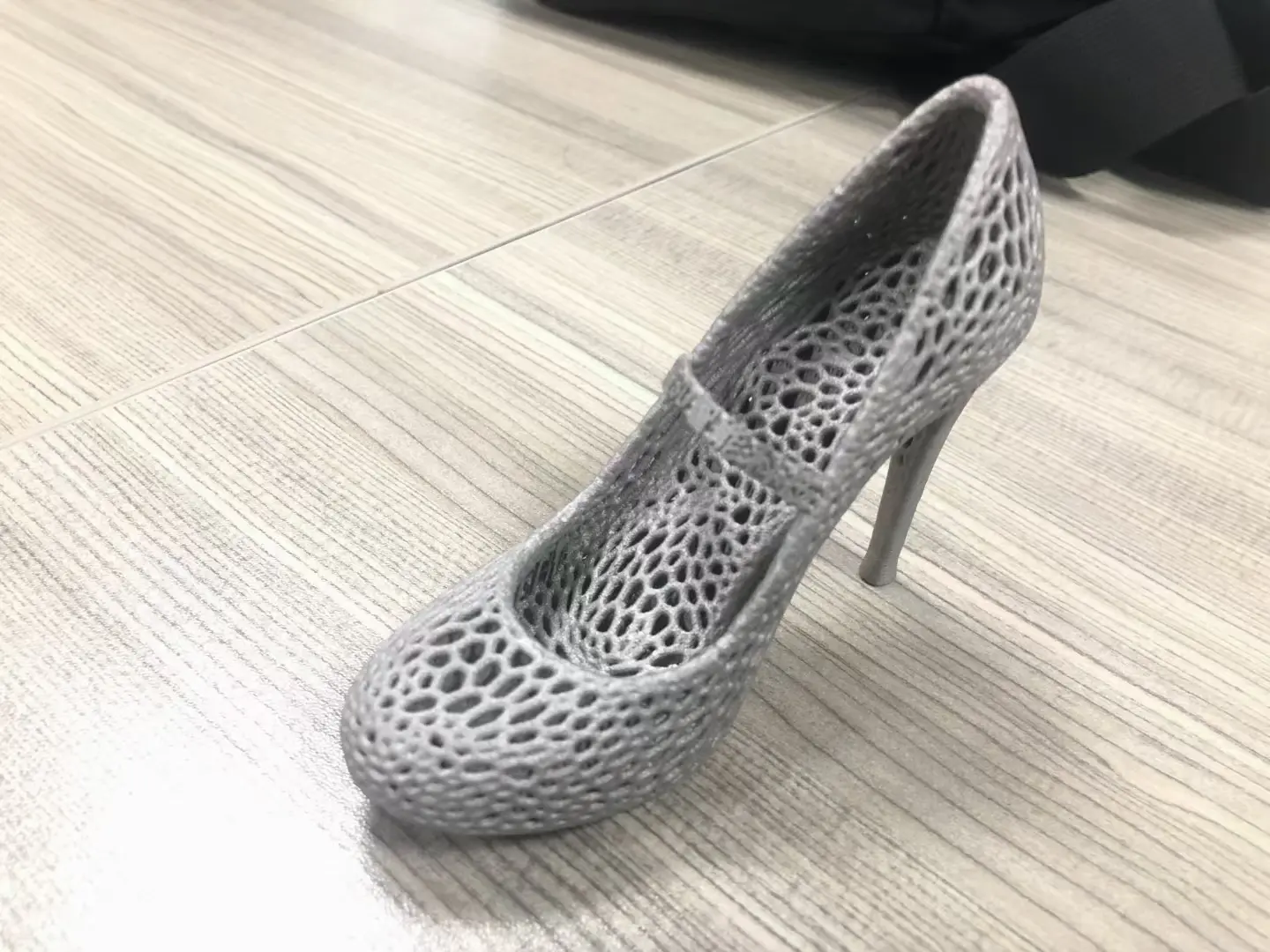
- Multi-color/soluble supports: Complex geometries are printed using state-of-the-art printers to ensure crisp details.
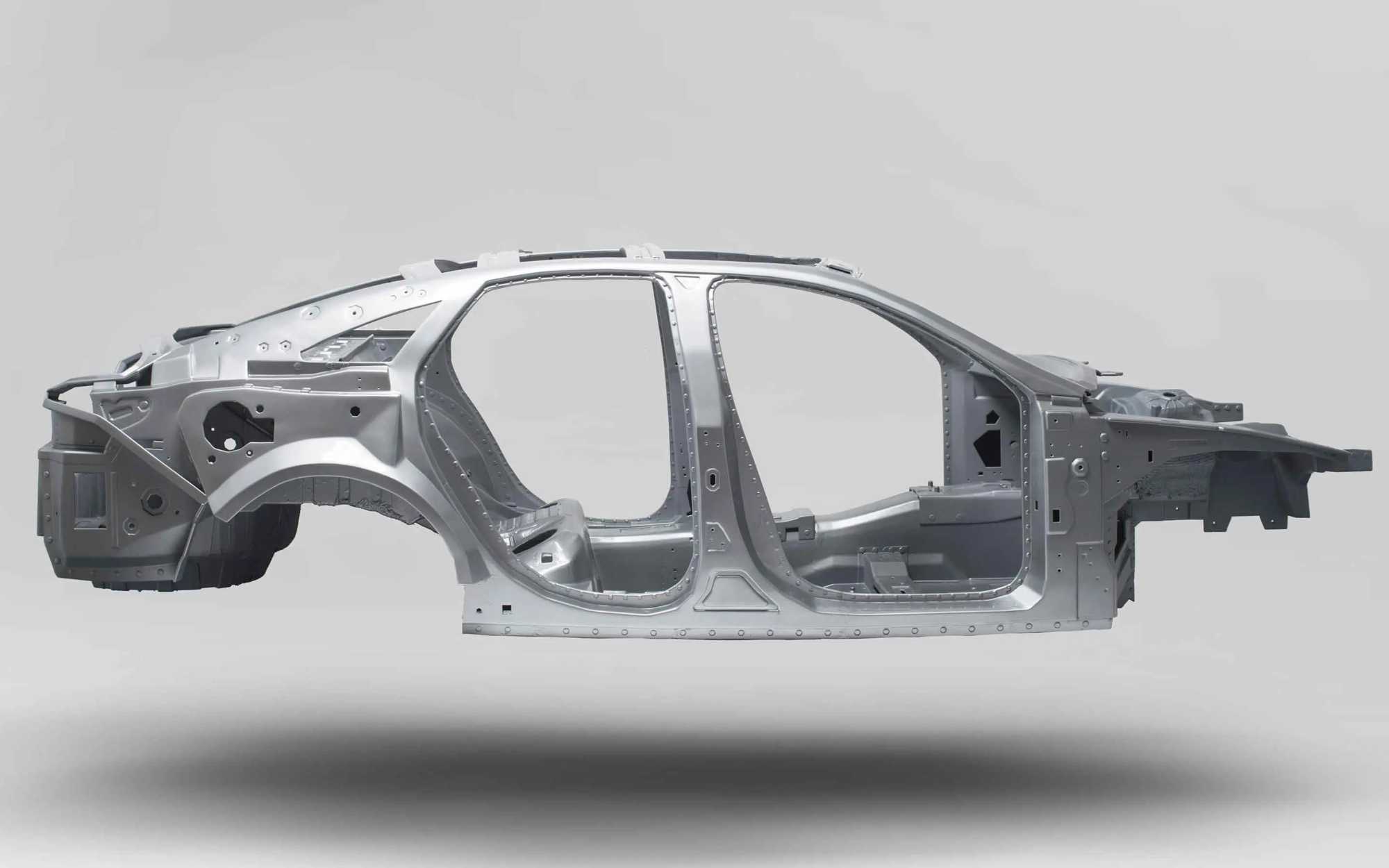
- Scale degrees of freedom: Printing large, structurally sound crucibles is not possible domestically.
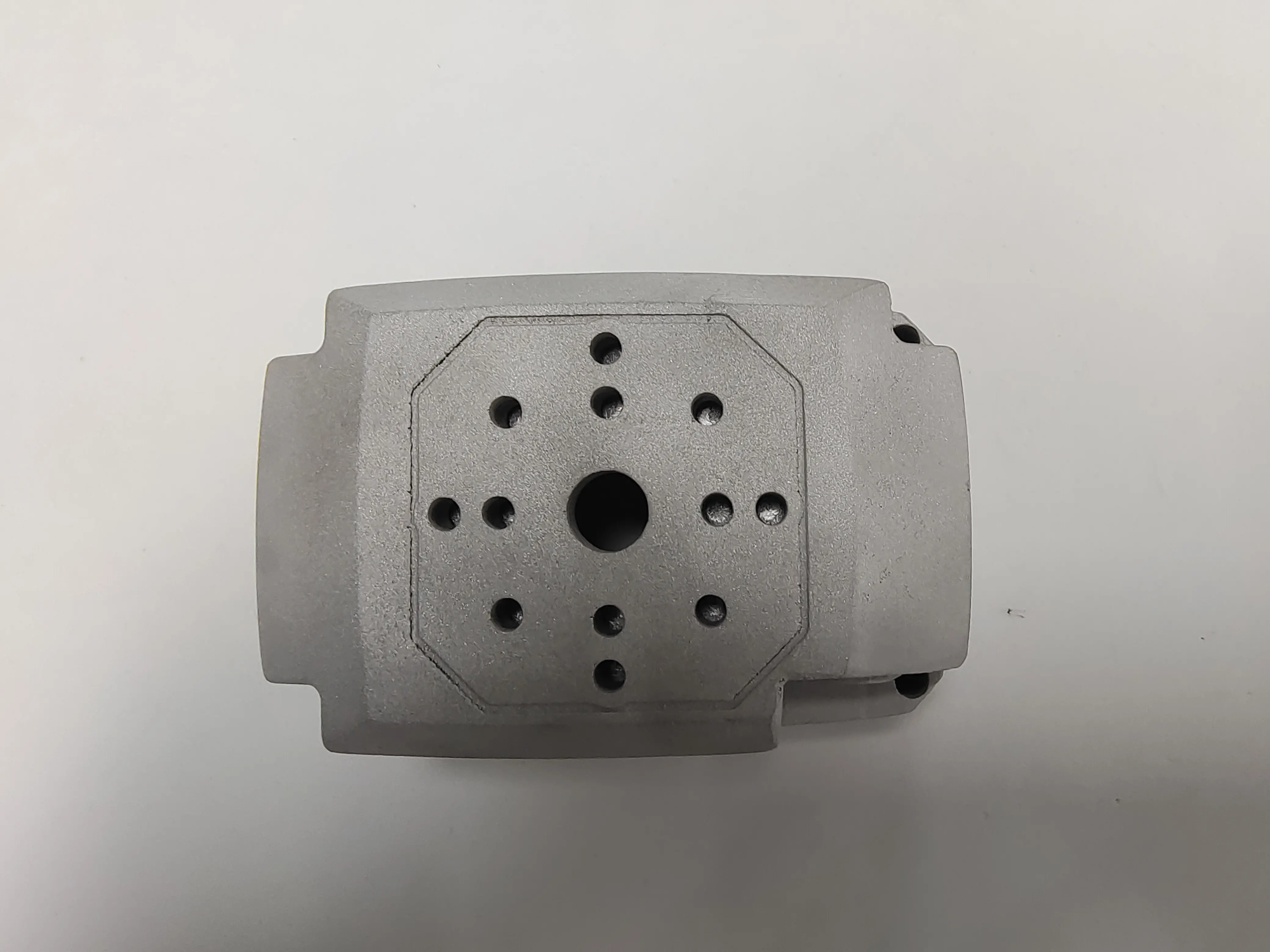
Huilite rapid prototyping capabilities: Faced with desktop limitations? Looking for true metal magic? GreatLight utilizes cutting-edge technology SLM 3D printer and proven CNC/precision machining capabilities. We provide detailed Post-processing/finishing services: Heat treatment optimization, precision CNC milling/turning, abrasive polishing/polishing, media/vapor blasting, plating/painting/sealing options – transform original prints into magnificent heirloom quality masterpieces with professional EAT credibility.
The Art of Magic: Advanced Post-Processing Technology
Convert raw prints into magic trail artifacts:
- Sanding and filling: Progressively sand FDM workpieces; apply/grind specialized filler coatings over resin/metal prints to achieve a silky finish. Hide seams/prepare for paint adhesion.
- Primer: Essential bonding layer; consider etching primer next to metal/stainless steel substrate.
- Painting and aging: Selectively apply a thin coat of acrylic spray to mask the design.
- Dry brushing of metal enhances textural dimension.
- Wash deepens gap shadows/magic runes.
*ICTION Strategically wipe away worn paint