Manufacturing Precision: 3D Printing Die-Cutter DIY Guide
Still remember the frustration of searching perfect Designing a shape for your handmade project but discover that commercial die-cutting machines don’t exist? Or require a highly specialized form of prototype that is unavailable? Enter the world of 3D printing and revolutionize the way we approach custom tooling. Forget limited off-the-shelf options—with affordable desktop 3D printers, you can design and produce a custom die-cutting machine that perfectly matches your vision. This guide helps you get started on your DIY journey.
Why 3D print your own die-cutting machine?
- Unparalleled customization: Create any shape imaginable – intricate logos, unique patterns, prototype components or personalized artifacts – without relying on manufacturer catalogs or expensive minimum orders.
- Iterate quickly: Design flaw? Need a slightly different size? Modify your digital files and print revised versions in hours, significantly speeding up the design-test-improvement cycle compared to traditional metal fabrication.
- Cost effectiveness: For low- to medium-volume requirements or one-off projects, 3D printing utilizes relatively inexpensive filaments or resins, eliminating high tooling costs.
- Auxiliary functions: Desktop FDM (Fused Deposition Modeling) or resin printers enable die-cut production by hobbyists, makers, educators, and small businesses.
- Complex geometric shapes: Easily incorporate interior cuts, complex patterns, or text into cut forms that would be challenging or costly with metal molds.
Your step-by-step DIY guide
-
Concept and design:
- Define requirements: Clearly outline the desired shape, size, desired accuracy and expected material thickness/material (paper, thin plastic, leather, felt, etc.).
- CAD is key: Use CAD (Computer Aided Design) software such as Fusion 360, FreeCAD, Tinkercad or OpenSCAD. Outline the precise contours of the tool.
- Design mold: Model the board:
- cutting edge: Creates raised ridges (blade outlines) around the perimeter of the shape. Its height should exceed the thickness of your material. Tip: For finer cuts, design for a sharper angle (~45 degrees is usually a good start). Includes a slight relief angle below the cutting edge.
- Installation features: Integrated hole for securely attaching cutter to push handle or assembly.
- Registration mark: Optional but helpful for alignment/complex multi-tool setups.
- Strength considerations: Reinforce thin-walled sections, especially near mounting points. Add stiffeners underneath thin-walled areas that tend to bend.
-
Material selection:
- FDM (filament):
- People’s Liberation Army: Hard, easy to print, sharp edges hold up reasonably well. Best for light tasks (paper, card stock).
- Polyethylene glycol: Tougher and more flexible than PLA, and better able to resist creep under pressure. Suitable for slightly denser materials such as thin leather or chipboard.
- Nylon (PA): Very tough, durable and resistant to bending. Great for heavy-duty cutting, but requires specific printer setup/hardware.
- avoid: ABS generally lacks sufficient toughness/stiffness; TPU is too flexible.
- Resin (SLA/DLP):
- Tough/Durable Resin: Provides excellent detail resolution for complex shapes and produces very sharp edges. Usually initial sharpness is better than FDM. Suitable for paper, thin fabrics and fine cutting. Choose a resin designed for increased toughness.
- FDM (filament):
-
Printer settings (critical for performance):
- direction: Print molds with cutting edges face up. This maximizes the sharpness and integrity of the cutting tip and minimizes the effect of ply lines perpendicular to the cutting forces.
- filling: Use 100% fill or spiral/solid fill pattern. Complete solidity is essential for strength and stiffness under pressure – partial filling can cause breakage or blade deflection.
- Floor height: For FDM: Use the finest layer height that the printer can reliably handle (e.g. 0.1 mm) for smoother edges/better slicing accuracy. For resin: utilize the machine’s native resolution (usually around 0.03-0.05 mm) for optimal clarity.
- Perimeter/Walls: Increasing the perimeter number (4-6+) makes the wall around the blade profile thicker and stronger.
- support: Carefully use a tree or similar support to support the overhang to make sure the blades are clean and tidy, especially underneath the corners where there are gaps. Remove supports carefully to avoid damaging delicate edges.
- Post-processing:
- Support removal: Be very careful! Use a flat utility knife, tweezers, and a utility knife. Cut the supports before cleaning the resin parts.
- Cleaning and Curing (Resin): Strictly follow the resin manufacturer’s instructions for cleaning (isopropyl alcohol) and post-cure.
- Edge sharpening (optional but recommended): While printed edges cut efficiently, honing can extend life and reduce the pressure required:
- Frequency division multiplexing: Use a sharp hobby blade to carefully scrape up (not vertically) along the flat side of the blade to smooth out the layer steps. Use fine sandpaper to wrap the flat edges tightly.
- Resin: Carefully use ultra-fine sandpaper (~800-2000 grit) or micro-mesh pad. Avoid excessive force.
- assembly: Fasten the printed template securely to the base plate (wood block, acrylic, metal) using screws or strong adhesive through the mounting holes. The base provides critical rigidity and a secure mounting surface for your press handle.
Benefits Revisited: Seeing the Results
The power of a DIY 3D printing die-cutting machine shines. Craftsmen consistently achieve personalized decoration. Packaging designers can quickly prototype custom box inserts. Engineers can create specialized gaskets or seals within hours. Educators affordably produce unique teaching aids. The speed from concept to physical tool is revolutionary.
Limitations and when to switch to Pro
Understanding the boundaries of DIY sustainable mass production:
- Material restrictions: Plastic blades wear out faster than hardened steel. They are ideal for prototypes, soft materials or limited batches. Continuous cutting of abrasive materials such as thick leather will accelerate wear.
- accurate: Very tight tolerances (±0.05 mm or less) can be challenging without high-end printers and meticulous calibration.
- high pressure: Extremely dense/thick materials may crack the plastic mold or crush the filling, causing the blade to deflect.
- longevity: For thousands of repeated cuts, especially on industrial presses, metal dies are the standard for reliability.
Conclusion: DIY ingenuity meets professional precision
3D printing unlocks huge potential for creating custom die-cutting machines at home or in a small workshop. Flexibility, speed and affordability enable manufacturers, designers and engineers to prototype and produce unique shapes that were previously unachievable. Mastering the design principles, material selection, and printing techniques outlined here provides a powerful toolset. Embrace the DIY spirit, sharpen your prints, and start cutting!
However, when your project requires the elasticity of hardened steel, micron-level precision for mass production, or extreme durability under extrusion pressure, transitioning to specialty manufacturing becomes critical. This is where expertise and industrial capabilities come into play.
Enhance your prototyping and production with professional metal solutions
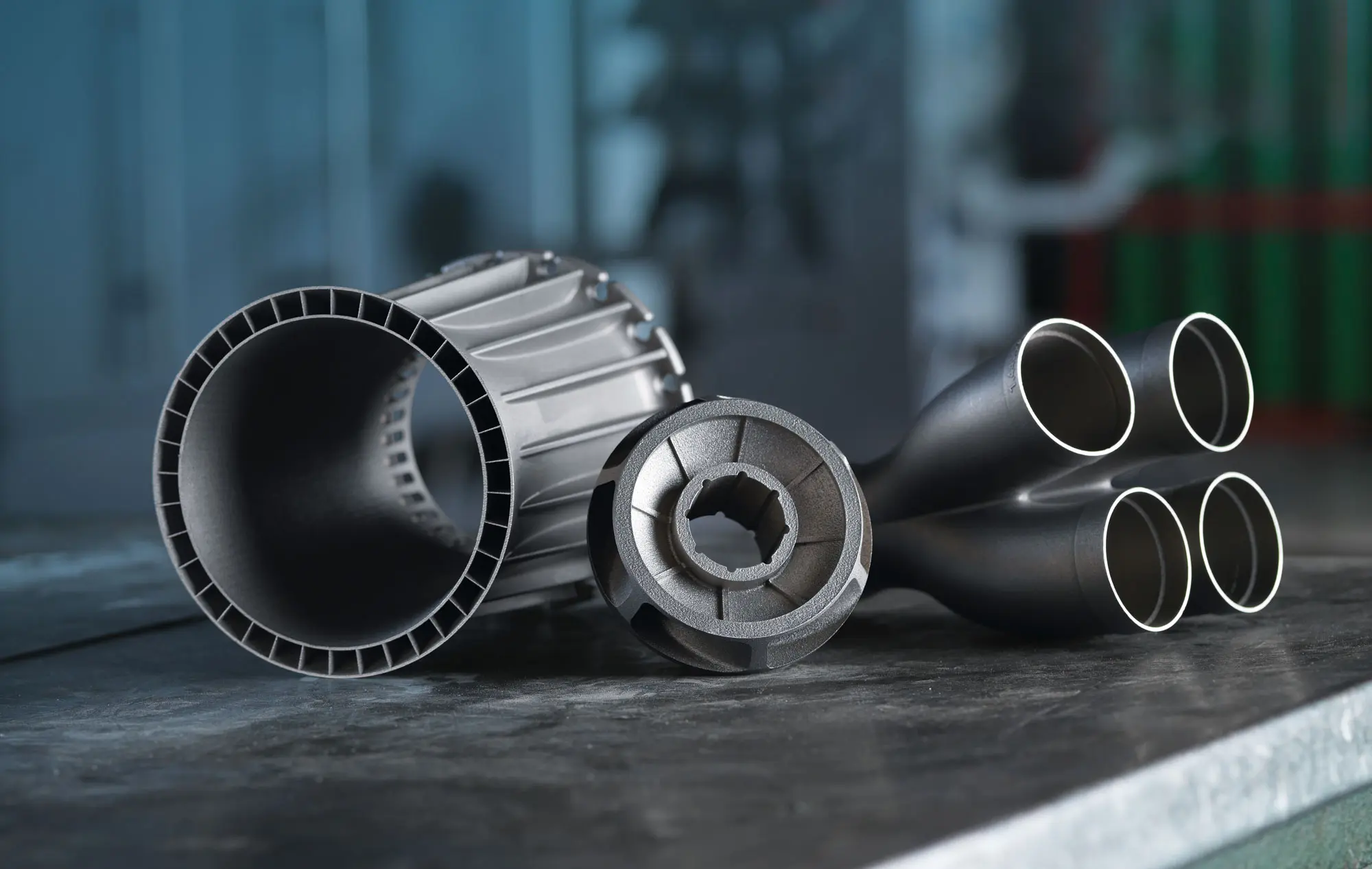
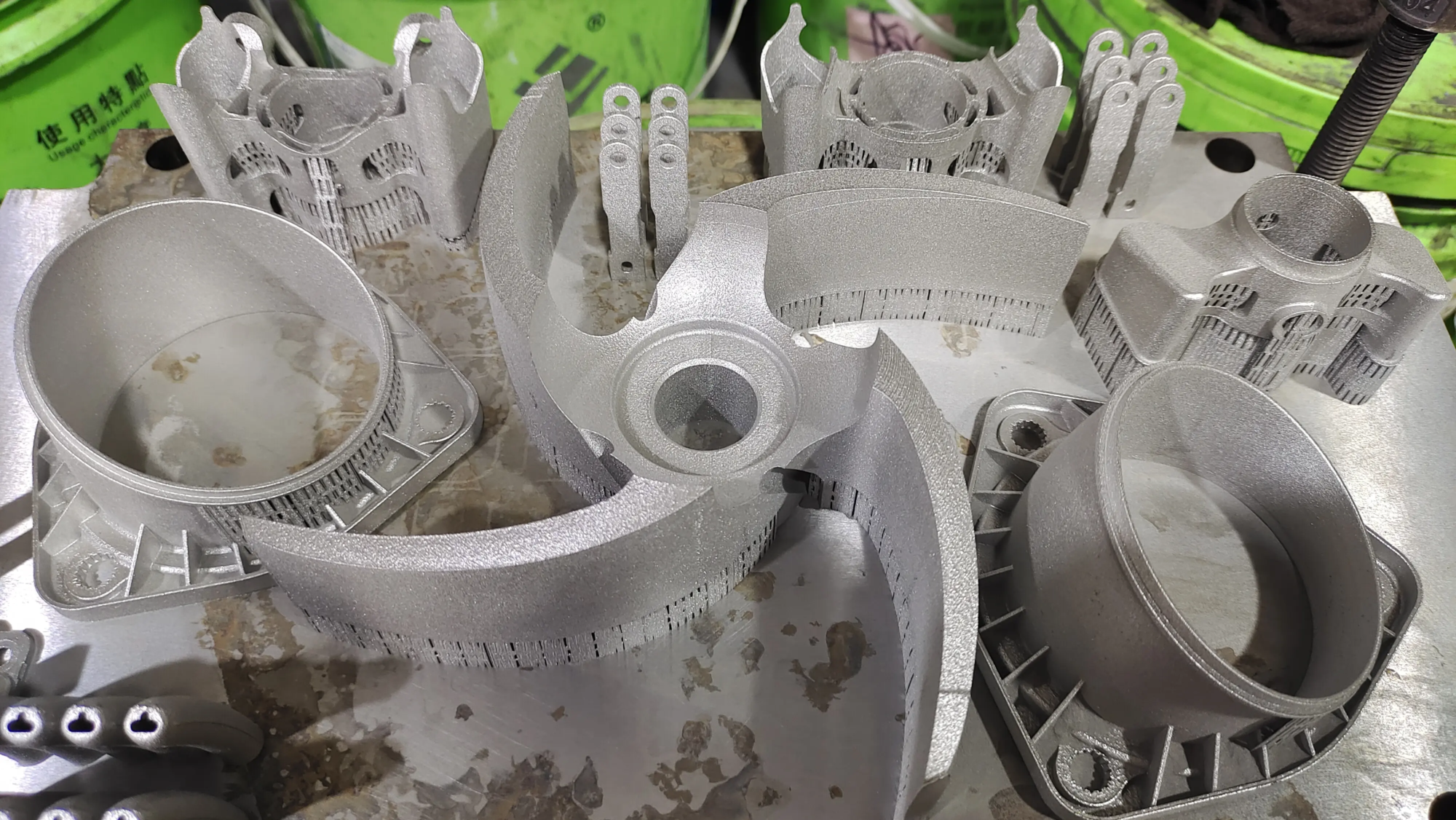
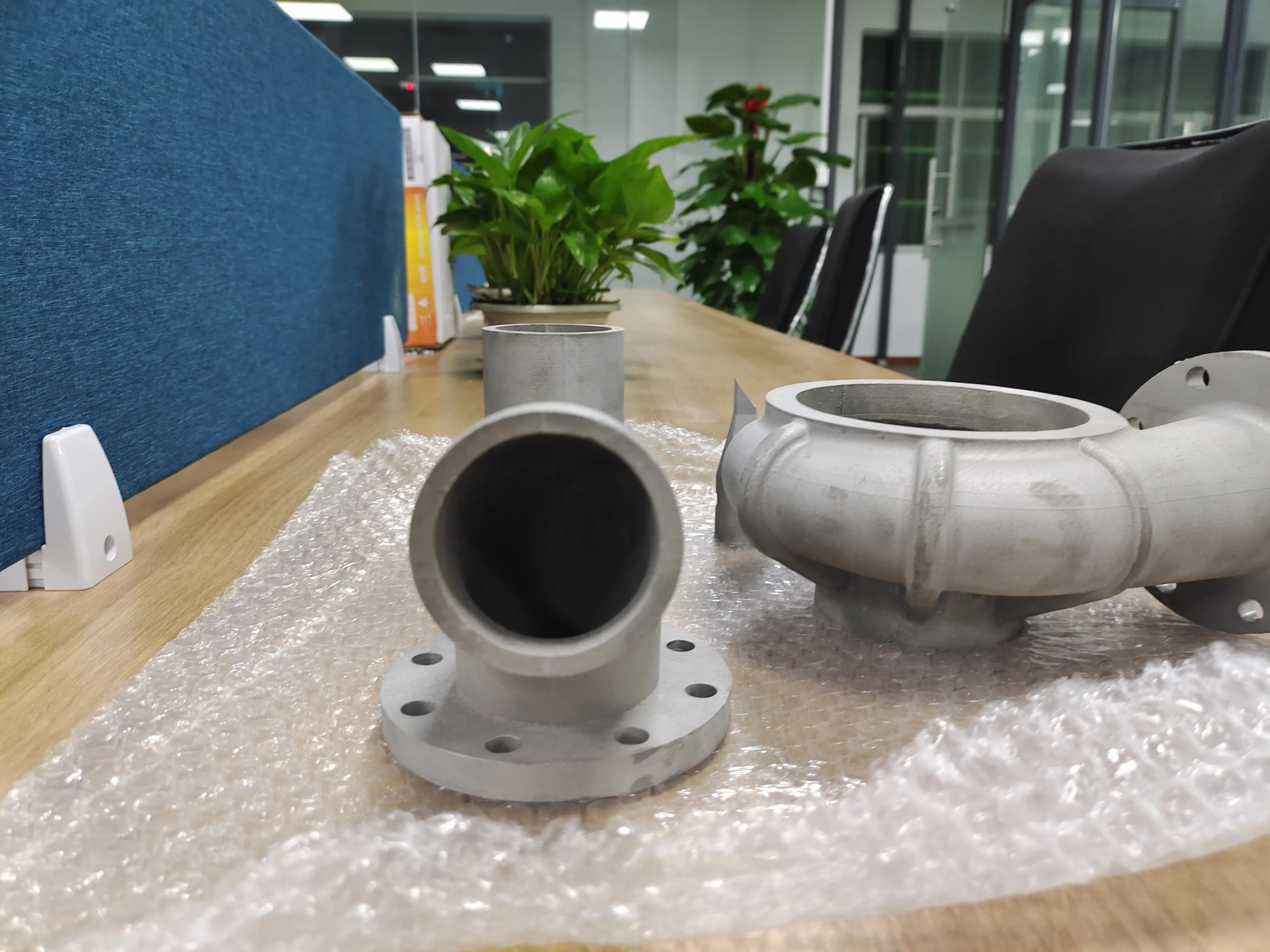
For metal parts requiring maximum durability, precision and longevity – whether prototyping complex custom molds or producing final components – huge light Ready. As a leader in rapid prototyping companies, GreatLight utilizes advanced Selective Laser Melting (SLM) metal 3D printers along with specialized post-processing technology. We specialize in quickly and reliably transforming complex digital designs into high-performance metal realities.
Why choose Gretel?
- Metal Mastery: Expertise in machining high strength alloys (steel, titanium, Inconel, aluminum) for demanding mold applications.
- Advantages of SLM: Our advanced SLM equipment builds fully dense, complex metal parts directly from CAD data.
- End-to-end service: Seamless workflow includes design consultation, rapid metal prototyping/production, CNC machining detailing, heat treatment, surface preparation (polishing, coating) and quality control.
- Uncompromising precision: Ability to achieve tolerances suitable for functional tools and industrial-grade components.
- Quick turnaround: Produce metal prototypes in days instead of weeks.
- True customization: Tailor-made solutions regardless of complexity or volume.
Go beyond the limitations of thermoplastic prototyping. When your die cutter, mold, fixture or end-use part requires the strength and durability of metal, Cooperate with Gretel. We turn challenging rapid prototyping projects into success stories.
Customize your precision rapid prototyping metal parts today at competitive prices! [Contact GreatLight Today for a Quote / Visit Our Website]
FAQ: Solve your DIY die-cutting woes
-
How durable are 3D printing die-cutting machines?
- Durability varies greatly. PLA/resin is great for making hundreds/thousands of cuts on soft materials like paper or felt. PETG/Nylon or Tough Resin can greatly extend service life. Expect a shorter service life compared to hardened steel industrial molds.
-
What is the thickest material I can effectively cut?
- A lot depends on the strength of the plastic/material and the knife design. Typically, well-designed PETG or resin molds can effectively handle cardboard thicknesses up to 1-2 mm. Handling thicker/dense materials requires careful design (thicker blade walls, complex angles) and possibly multiple passes/pressure adjustments.
-
I can print one "Cookie cutter" Blade style?
- Absolutely! The design principles described apply directly. Make sure the blade profile is raised and sharp, facing up during printing, use 100% infill, and design for adequate gap height. Avoid using blades that are very thin and break easily.
-
My printed blade looks dull. Did I design/print wrong?
- Layer lines perpendicular to the cutting direction inherently compromise clarity. Printing the blade upward minimizes this. Post-sharpening (as described above) can significantly improve cutting performance. Using finer layer heights (especially resin) will also produce sharper initial edges.
-
Why does my cutter crush material instead of cutting it?
- Too much pressure: The plastic may deflect. Use adequate but controlled pressure.
- Bad blade angle: Obtuse angles provide insufficient shear; angles that are too steep may deform. Optimized blade geometry.
- Filling question: Lack of 100% infill can cause the form itself to compress under pressure.
- Dull blade: Sharp blade.
- The material is too thick: Reduce thickness or perform multiple passes. Your printing mold has physical limitations.
- How do I connect the printing mold to my manual press?