The rise of 3D printing duck: more than just the quack doctor trend
Remember the modest rubber duck? The staple food for bathing time, this is a simple symbol. Now, enter its high-tech cousin: 3D printed duck. It seems that whimsical novelty is actually a fascinating lens through which to see the incredible advancement and accessibility of modern manufacturing. It’s more than just quirky decor; it’s a testament to customization, democratization of technology and surprising manufacturing capabilities.
Why do you want a duck? Why now?
The reasons behind the 3D-printed duck craze are surprisingly multifaceted:
- Perfect test topic: The duck is simple in form, recognizable but fascinating. Testing new printer wire? Check calibration? Perfect complex details? The duck model offers curves, overhangs, bridged parts, and exquisite features such as beaks and eyes, all in a small, easy to manage print. Print successfully "Calibrate duck" is a badge of honor in the 3D printing community.
- Unleash creativity: From copying classic yellow duck charms to creating fantasy steampunk versions, superhero duck, anatomically correct wild duck or duck copy pop culture icons, 3D printing removes design limitations. Online markets such as Thingiverse and Printables are filled with thousands of unique duck designs.
- Personalization ability: Want a duck to wear your favorite team jersey with your name on it? Or scale your garden to dinosaur size? 3D printing makes personalized, a unique duck incredibly realizing, transforming universal objects into meaningful gifts or souvenirs.
- Education and Participation: Ducks are generally attractive and not irritating. They are a wonderful entrance to teaching 3D design (CAD), principles of additive manufacturing and materials science. Printing ducks may be the first exciting business for students to make.
- Symbols of fun and accessibility: As desktop 3D printers become more affordable and user-friendly, the printed duck becomes a joyful symbol of this passage. It represents the transformation from pure industrial production to personal creation, encapsulated "Manufacturer" Spirit in pleasant, tangible form.
Material: Beyond Plastic (yes, even metal ducks!)
While most hobby ducks are printed with vibrant Plas, Petgs or resin, the trend stands out Broad Material possibilities in professional additive manufacturing:
- Plastics (FDM and SLA): Home printers are the most common. Available in a variety of colors, textures (glow in the dark, wood fusion, marble), transparencies and properties.
- Resin (SLA/DLP/MSLA): Enables incredibly smooth surfaces and amazing details, perfect for miniature ducks with longevity or intricate art designs.
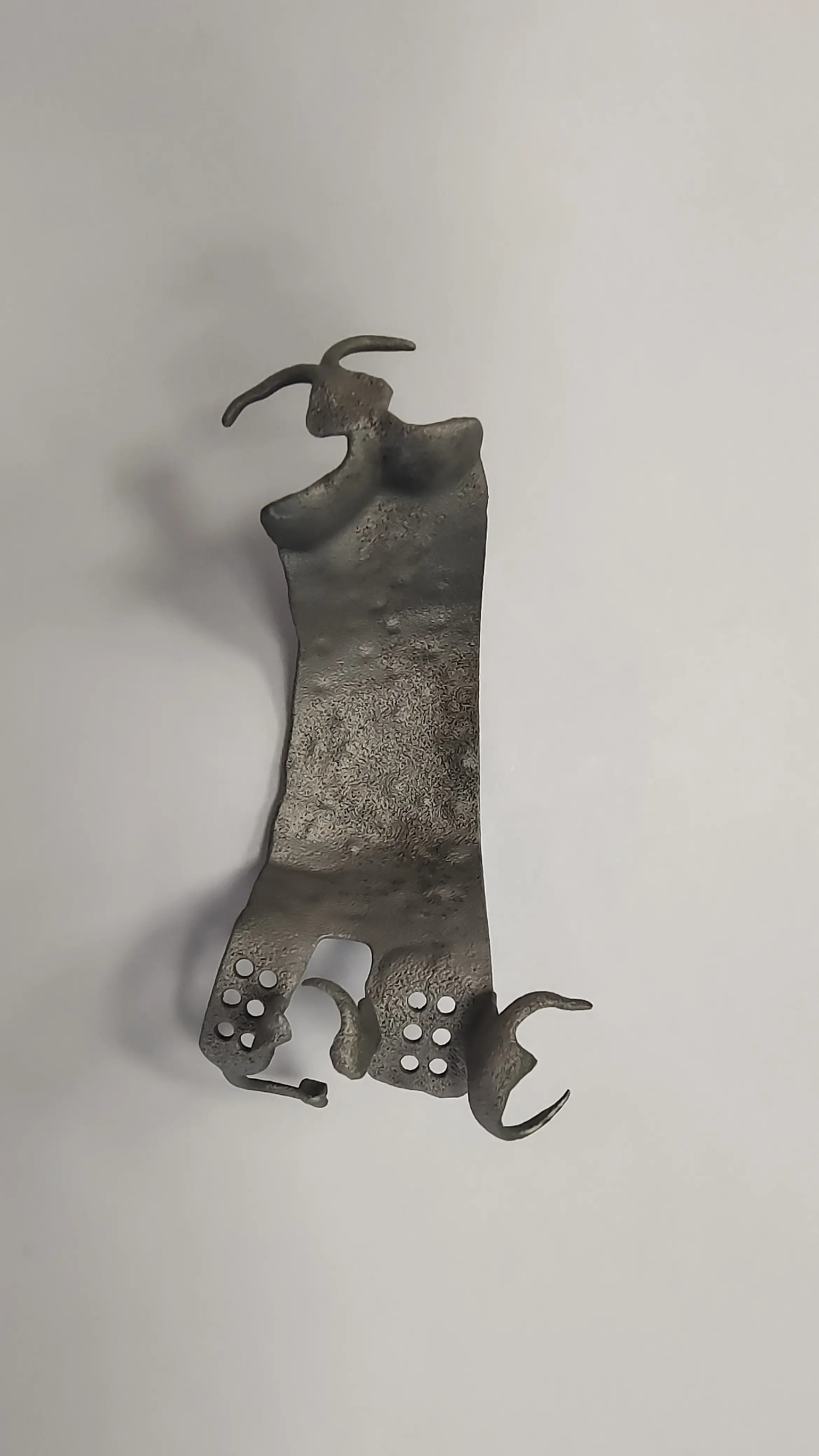
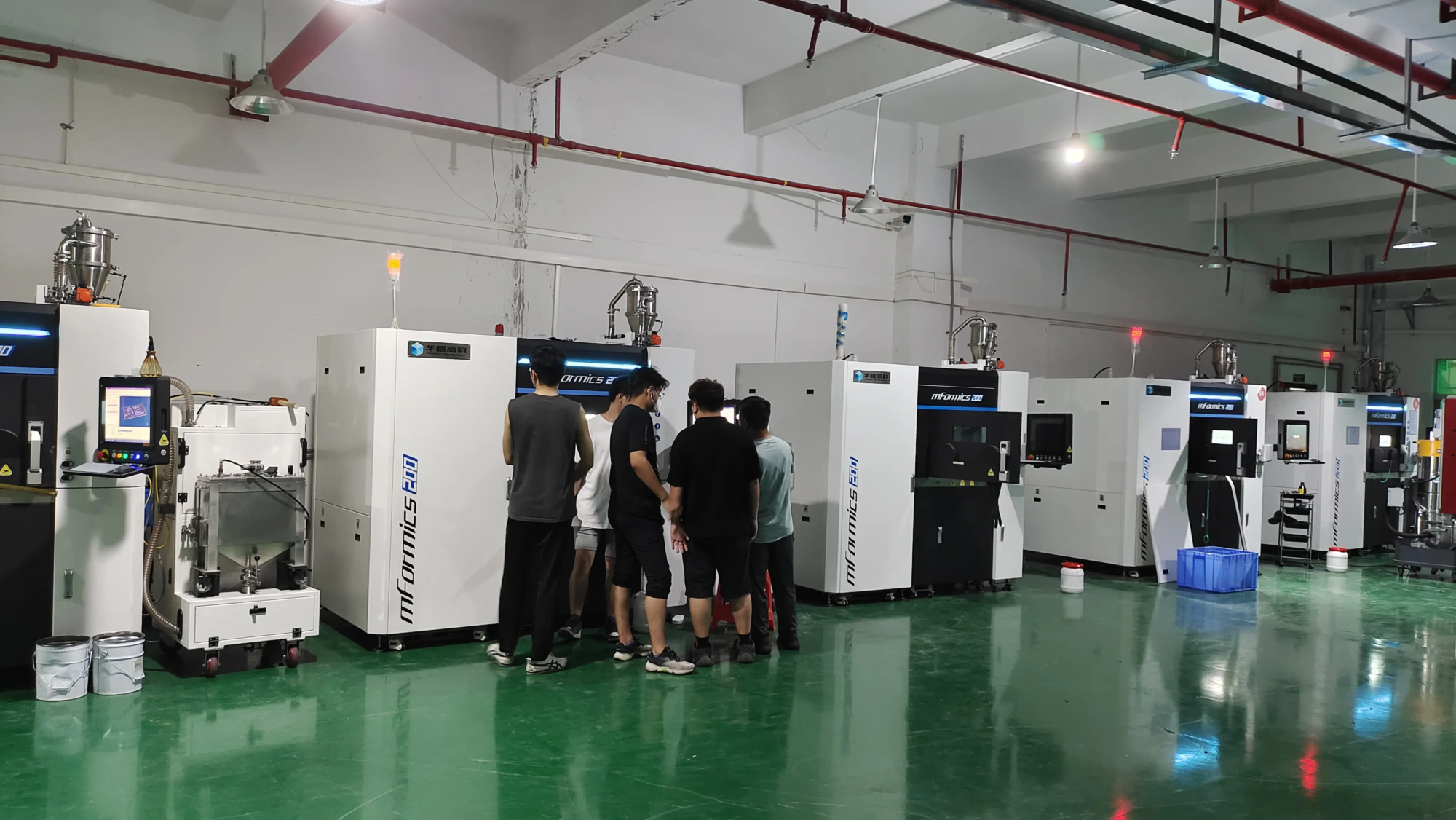
- Metal: Yes, Metal 3D Printed Duck It’s reality! Advanced Technology Selective laser melting (SLM) Allows the creation of fully functional durable metal ducks from materials such as aluminum, stainless steel, titanium and even precious metals. These go far beyond decoration. They are micro-engineering miracles, potential functional components (such as paperweights or custom connectors) or high-end art sculptures that demonstrate the accuracy and strength of industrial additive manufacturing. (Hint: This is where Greatlight is really good at!)
Applications outside the pond
While charming table decorations are common, 3D printed ducks are looking for unexpected uses:
- Functional parts: The enlarged duck serves as a unique cabinet knob or tool holder. Metal ducks are used as custom counterweights or professional accessories.
- Market and Brand: Company creates custom duck mascots for events, trade shows or as unique corporate gifts.
- Art and Sculpture: Artists use duck form to comment, abstract art or explore materiality, pushing boundaries with size and complexity.
- educate: Used as a hands-on model for teaching biology, fluid dynamics (duck float?) or manufacturing processes.
Nobles (challenges) need to be considered
- Design expertise: Creating a truly original or functional duck design requires CAD skills.
- Printing Challenge: Achieving perfect details, especially on small scale or complex geometry, requires knowledge of printer adjustment and slicer setup. Warp, serial and support disassembly can be problems.
- Material Limitation: Household printers have material limitations. Achieving the strength of professional-grade parts (especially metals), temperature resistance or finishing requires industrial equipment.
- Scalability: Producing the same high-quality 3D printing duck is effectively not mandatory for desktop printers.
Conclusion: It’s not just a fashion
The 3D printed duck phenomenon is much deeper than it originally appeared. It encapsulates the journey of additive manufacturing: from niche industrial prototypes to accessible manufacturer sports staples, now tending toward high-strength end-use metal parts production. It highlights the core advantages of 3D printing: Customization, freedom of design, rapid iteration, and the ability of traditional manufacturing to produce complex geometric shapes is impossible.
While homemade plastic ducks embody interesting and accessible, they exist (increasingly complex) Metal 3D Printed Duck Symbol for the forefront. These require expertise, advanced equipment such as SLM printers, and material knowledge possessed by professional rapid prototyping manufacturers such as Greatlime.
So next time you see a 3D printed duck, whether it’s a colored plastic jewelry or a shiny stainless steel sculpture, you’ll appreciate its representation. This is the revolutionary ambassador of the way we design and produce everythingproves that innovation can indeed wear feathers and quacks.
FAQ About 3D printed duck
1. Where can I buy 3D printed ducks?
- DIY: If you have a 3D printer, download the free design from sites like Thingiverse, Printables, or Cults3d and print your own!
- Online Market: Etsy, eBay and dedicated 3D printing services such as Shapeways, CraftCloud offer a large number of printed ducks of various materials.
- Custom Manufacturer: Used for unique designs, specific technical requirements or High-end materials such as metalprofessional rapid prototyping service Great It can bring your custom duck vision to life.
2. How much does a 3D printed duck cost?
- Plastic (DIY): Just spend a few dollars on filament/resin.
- Plastic (buy online): $5-$50+, depending on size, details and seller.
- Resin: Highly detailed miniatures or sculptures $20-$100+.
- Metal (stainless steel, aluminum, titanium): Often bigger Thousands of dollarsdepending on material, size, complexity, post-processing (polishing, plating) and manufacturing services are required.
3. Can I really print ducks in metal?
Absolutely! picture Selective laser melting (SLM) Ideal for you. A company specialized in research Metal 3D printing services, such as Greatlimecan produce highly detailed and completely solid metal ducks. These require industrial-grade equipment and expertise to make it a quality choice, but offer unparalleled durability and unique aesthetics. Consider their functional prototypes, high-value collectibles or specialized applications.
4. What software do I need to design my own duck?
Popular (usually free/open source) options include:
- Beginner friendly: Tinkercad
- In the middle: Fusion 360, Sketchup (free version restriction)
- Advanced: Blender (perfect for organic shapes), Solidworks, Siemens NX.
Many model repositories also have a modifiable duck design.
5. What is "Slats" or "Calibrate duck"?
- 3D benchy: A small standard test model shaped like a tug. It is designed to test all key aspects of 3D printer performance (accuracy, overhang, bridge, detail, surface finish) simultaneously. Although not a duck, it is a universal benchmark print.
- Calibration duck: The duck model is specially designed to test certain printer features (such as overhanging, bridge, cooling) in an interesting and recognizable shape. solve "Duck problem" Helps diagnose and repair printer calibration problems.
6. Are 3D printed ducks waterproof?
- PLA Plastic: Not waterproof by nature; prolonged immersion will lead to water absorption.
- petg/pet/so plastic: More water resistant and more suitable for humid environments such as bathrooms.
- Resin (SLA): It can be waterproof after thorough curing, but continuous immersion is usually not recommended.
- Metal (SLM): Completely waterproof and highly durable – perfect for actual bathing time or outdoor use! (Greglight’s Metal Ducks performed well here!).
When choosing a duck for water exposure, be sure to consider the materials.
Ready to explore the potential of custom 3D printing? Whether you want a unique decorative plastic duck, highly detailed resin masterpiece, or a truly special durable metal wonder, the possibilities are endless. Greatlight combines state-of-the-art SLM technology, deep expertise in rapid prototyping across different materials and comprehensive post-processing services to transform ideas into tangible reality. Don’t just follow the trend, define it with custom precision parts. [Contact GreatLight] Bring your vision, duck shape, or other ways to life!