The world of 3D printing has come a long way since its inception, and one of the most exciting developments in the field is the emergence of 3D printed electronics. This innovative technology has the potential to change the way we design, manufacture and use electronic devices. In this article, we will dig into the world of 3D printed electronics and explore its applications, benefits and future prospects.
3D printed electronics (also known as printed electronics or additive electronics) are the process of creating electronic components and devices using 3D printing technology. This involves layering materials such as conductive inks, metals and plastics to create complex electronic structures and circuits. Using 3D printing allows for rapid prototyping and production of electronic devices, allowing designers and engineers to quickly and effectively test and perfect their designs.
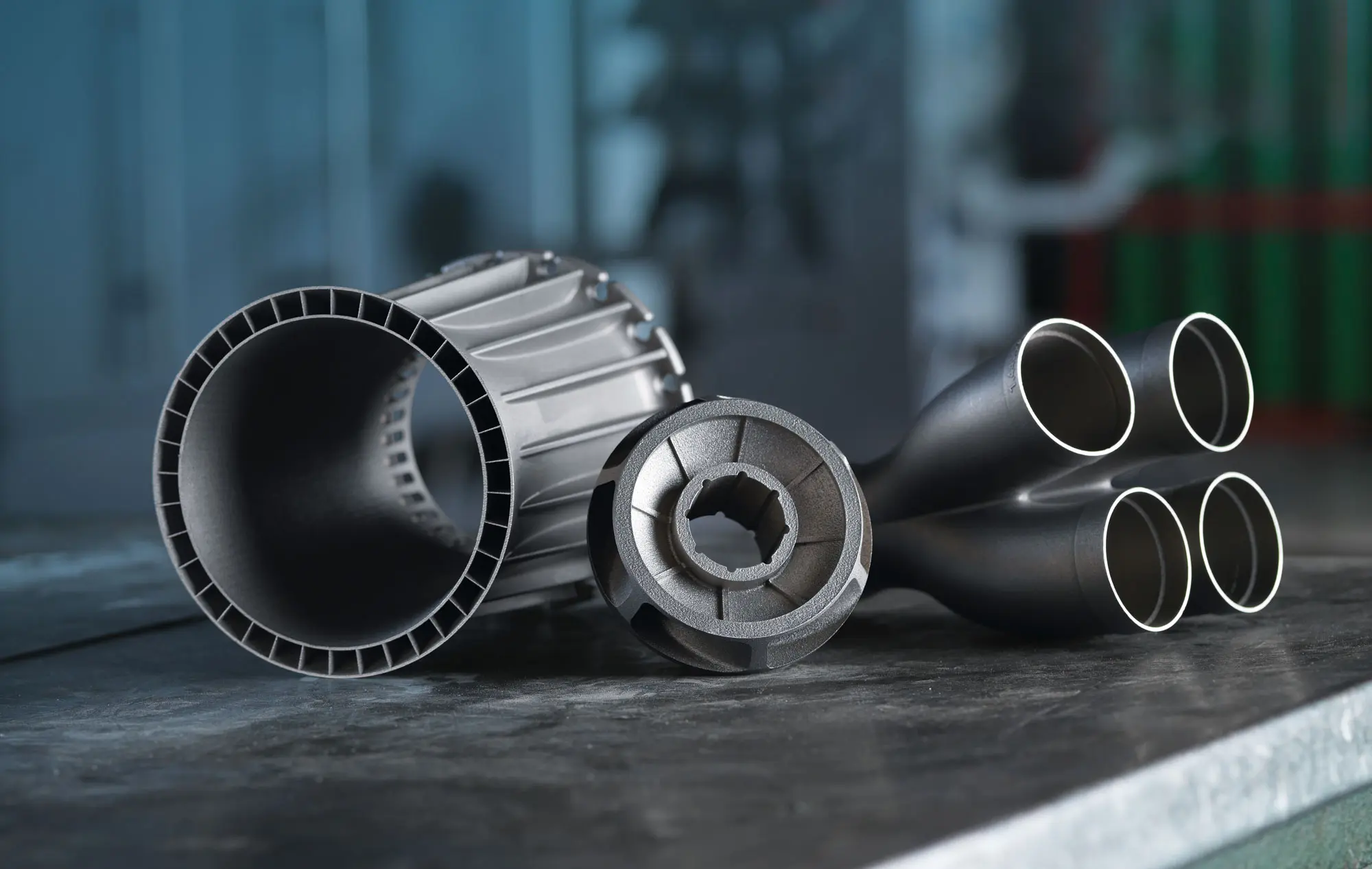
One of the key benefits of 3D printed electronics is its ability to create complex geometric shapes and structures that cannot be produced using traditional manufacturing methods. This allows the development of innovative electronic devices with unique attributes and functions. For example, 3D printed electronics can be used to create wearable devices with complex designs, implantable devices with complex geometry, and even devices with integrated sensors and antennas.
Another important advantage of 3D printed electronic products is its potential to reduce electronic waste. Traditional electronic manufacturing processes often lead to a lot of waste, because the device is assembled from a single component and then discarded if it is no longer needed. By contrast, 3D printed electronic devices can create devices with integrated components, reducing the need for individual parts and minimizing waste. Furthermore, 3D printing allows for the use of sustainable materials and recyclable substrates, further reducing the environmental impact of electronic devices.
3D printed electronics are huge and diverse in applications, from consumer electronics to aerospace and defense. In the consumer industry, 3D printed electronics can be used to create customized smartphones, tablets and wearables with unique designs and features. In the aerospace and defense sectors, 3D printed electronics can be used to create complex electronic systems for aircraft, spacecraft and other vehicles.
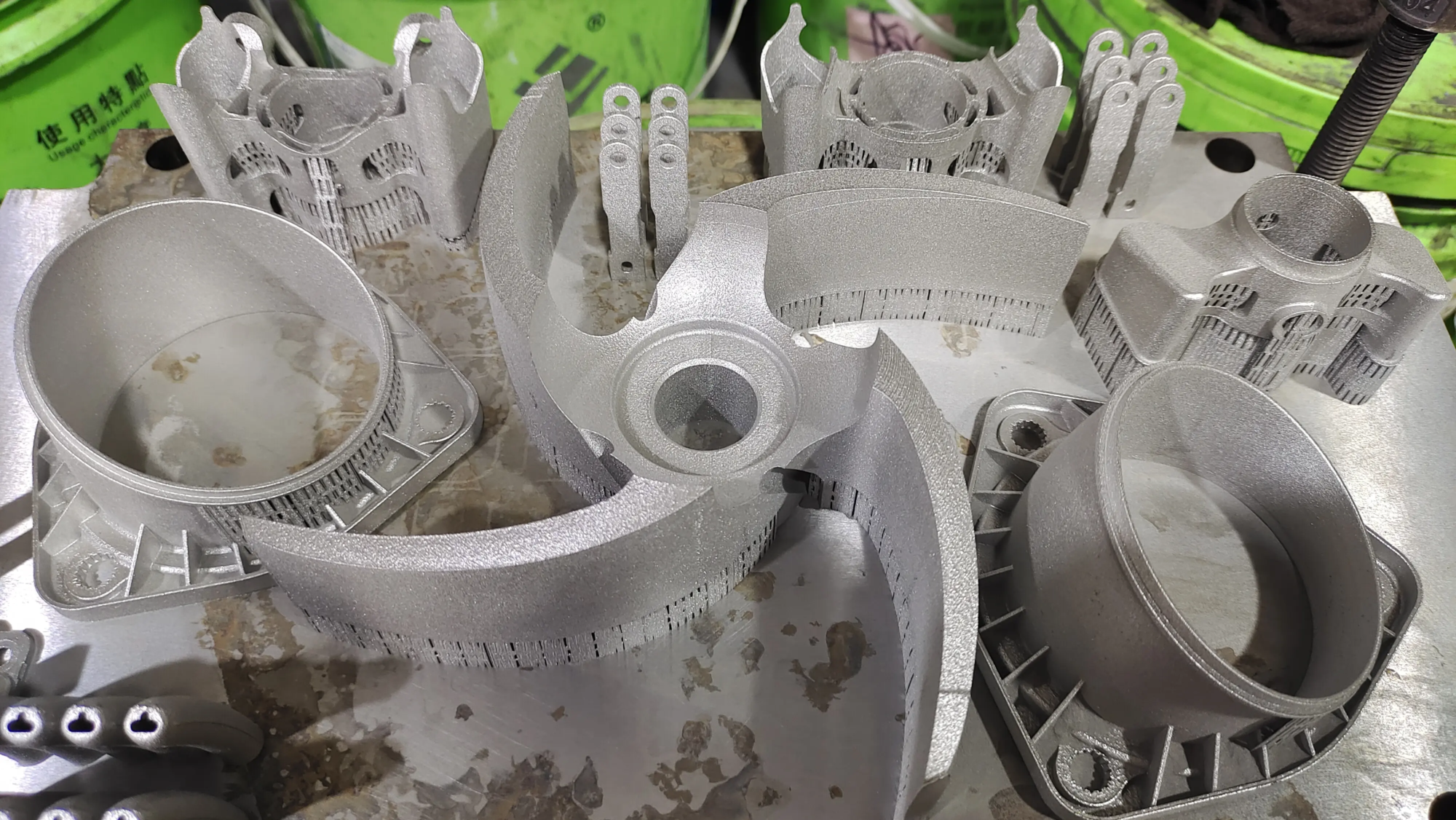
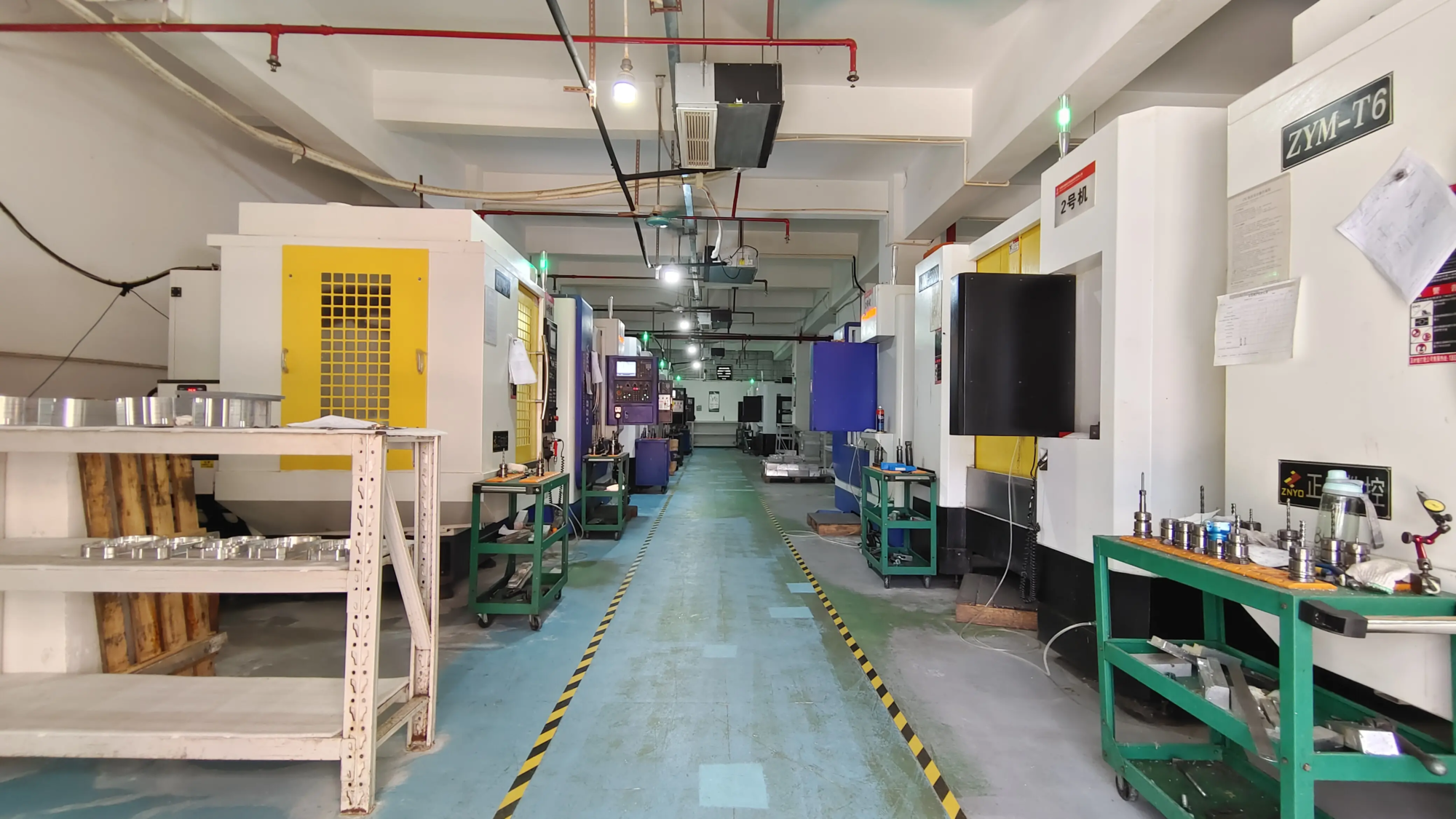
Greglight is a professional rapid prototyping manufacturer that has been at the forefront of 3D printed electronics and uses its advanced SLM 3D printers and production technologies to solve complex electronic manufacturing problems. With its expertise in rapid prototyping and post-processing services, Greglight can provide customized 3D printing electronic solutions for a wide range of applications.
As the field of 3D printed electronics continues to evolve, we can expect to see more innovative applications and devices emerging. 3D printed electronics have the potential to innovate electronic manufacturing, reduce waste and be able to create complex equipment, an exciting and rapidly evolving field that will surely impact the future of technology.
in conclusion
In short, 3D printed electronics is a rapidly growing field with a change in the way we design, manufacture and use electronic devices. With the ability to create complex geometric shapes and structures, reduce electronic waste and realize sustainable materials, 3D printed electronic products is an innovative technology that will surely have a significant impact on a wide range of industries. As the field continues to evolve, we can expect to see more exciting applications and devices emerging, and companies like Greatlight are leading this revolutionary technology.
FAQ
- What are 3D printed electronic products?
3D printed electronic devices refer to the process of creating electronic components and devices using 3D printing technology, layering materials such as conductive inks, metals and plastics to create complex electronic structures and circuits.
- What are the benefits of 3D printing electronic products?
The benefits of 3D-printed electronic products include the ability to create complex geometric shapes and structures, reduce electronic waste and realize sustainable materials.
- What are the applications of 3D printing electronic products?
3D printed electronic products range from consumer electronic devices to aerospace and defense, including customized smartphones, tablets, wearable devices and complex electronic systems for aircraft and spacecraft.
- How do I start with 3D printed electronics?
To get started with 3D printed electronics, you can contact a professional rapid prototyping manufacturer, such as Greatlight, which provides customized 3D printing electronic solutions and post-processing services.
- What is the future of 3D printed electronic products?
The future of 3D printed electronics is exciting and rapidly evolving, with growing demand for sustainable and innovative electronic devices, from consumer electronics to aerospace and defense.