Unlocking Professional Finishes: The Ultimate 3D Printing Filled Primers Guide
Anyone who works with FDM 3D printing knows the bittersweet reality: we gain incredible design freedom, but usually inherits layered lines, smaller surface defects, and screaming texture "Print." For functional prototyping, visual models or end-use parts, achieving smooth, professional finishes are not negotiable. Enter the post-processing unsung hero: Filling primers. This guide unveils its use, turning rough prints into ready-made works.
Why fill primer cannot be talked about quality finishes
Simply polishing 3D printing is usually not enough. The layer lines are located in the valley and the risk of aggressive grinding changes dimensional accuracy or creates flat spots. The fill primer gracefully solves this:
- Bridge defects: Its thick, viscous formula is designed to flow into microscopic gaps and layer lines, forming a uniform base layer.
- Revealing the flaws: Applying a thin coat usually highlights subtle defects (such as tiny pits or missed layers) that are invisible on the original print, guiding targeted polishing.
- Grinding efficiency: Once dried and lightly sanded, the primer produces a consistent, slightly harder surface than the original plastic. This allows for smoother and faster sanding without worrying about getting it deeper into the printing material.
- Paint adhesion: It provides an optimized, slightly porous surface for subsequent paint layers to firmly bond to prevent debris or peeling. It also blocks the plastic color below, ensuring the topcoat appears authentic.
Your step-by-step guide to applying filler primers like a professional
Achieve a perfect finish by filling a primer is a process. Patience and preparation are key:
-
Thorough cleaning:
- Delete support: Cut carefully and steal the support structure. Clean any remaining chunks or roughness.
- Degreasing and dusting: Wash parts with warm soapy water to remove oil and printed oil. Rinse and dry Completely. Follow 90% + isopropanol (IPA) wipe to eliminate any lingering residue. Tack cloth is perfect for removing the final dust.
-
Initial polishing (optional but recommended):
- For very obvious layer lines or large defects, start with the sand dryer 120-180 Gravel sandpaper. Focus on removing major spots, ZITS and supporting scars.
- Target: Create a generally uniform surface profile. Don’t aim for perfection.
-
First layer of fill primer:
- Fierce shake: After the mixing balls start to rattle, shake the can for at least 2 minutes. This ensures proper suspension is filled with solids.
- Test spray: Spray briefly onto cardboard or scrap to check spray pattern and consistency.
- Thin coat: Hold the can that is 8-12 inches away. Use smooth, stable, overlapping pass apps. A goal is a thin goal "Nail coat," Not total opacity. Don’t try to fill all rows in one breath; this causes dripping and masks the details. Let this coat dry according to the manufacturer’s instructions (usually 15-30 minutes).
-
Smoothing and checking:
- use 320-400 Gravel Sandpaper (dry). Focus on removing any dust tips or slight orange peel texture from the primer.
- Crucial: This light polish will quickly reveal "Low point" – The unfilled layer lines and defects now appear to be slightly darker stripes or a split primer. Resist the urge to polish Enter These valleys are at this stage.
-
Extra coat and level polish:
- Apply a second thin primer to cover evenly.
- Completely dry (usually noted on the jar for 1 hour+).
- Again with 400-600 gravel. Now, the sand Gently Until the surface looks consistently dull/matte. You are flattening the primer that fills the surrounding highs.
- repeat: Apply other thin layers (usually 2-4 coatings are required) and then gradually polish (600 gravel, then 800-1000 gravel). Once the surface appears smooth under good lighting, there are no obvious lows or imperfections in touch and sight, stop adding primer.
- Final Finished Touch:
- and 1000-1500 Gravel For ultra-smooth base.
- Wipe thoroughly with a patch cloth and IPA to remove any dust.
- Now your section is ready for high quality paint or final gloss/satin topcoat!
Master the Pro tips for filling primer
- Environment is key: Spray in a well-ventilated area with moderate temperatures and low humidity. The ideal temperature is usually 18-25°C (65-77°F). High humidity can cause moisture bubbles ("blush").
- Shake, shake, shake: Never shake. The settled filler equals the invalid filler.
- Heating cans: For better atomization (especially in cooler environments), place the primer can in warm (not hot) water before shaking and spraying.
- Thin coat wins: Multi-layered jackets are always thicker than one coat. Thick coat runs, drips, sags, slowly drys, covering details and shrinking/cracks.
- Pay attention to the details: Use blue painter’s tape to mask the area you don’t want to prime. Rotate the parts and use the alligator clip/holder to cover evenly in every aspect.
- Wet sand: For a very smooth final pass, wet sanding with very fine grit (1200-2000+) can be used (read instructions) after the fill primers are completely cured. Use plenty of water and light pressure.
- Brand Important: Different brands (Dupli-Color, Rust-Oleum Automotive, Tamiya, Bondo) have different levels of filling power, shrinkage and compatibility. Experiment to find your favorites.
- PLA and ABS: The primer is good on both. Make sure the parts are very clean (especially PLA – IPA is crucial).
- Grinding is a must: Filling primer only works effectively If you polished. Primer fills the lows; polish knocks down the highs.
Improved precision: Greglight’s commitment to perfect finishes
While mastering the introductory filling, you can empower you at the hobbyist or seminar level, but consistently implementing industrial-grade surface finishes on functional prototypes or end-use metal parts requires professional expertise and equipment. This is Great Good at it.
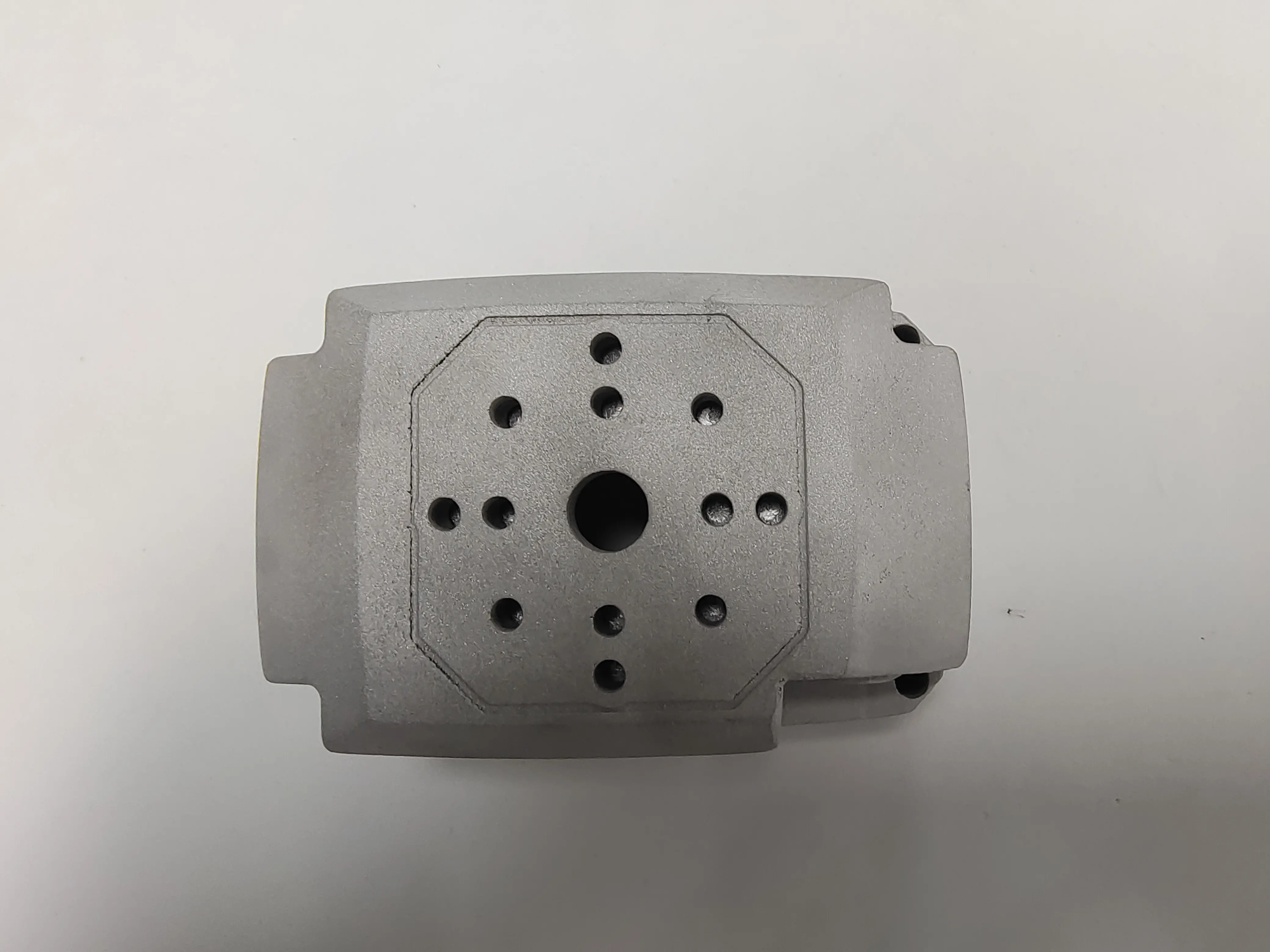
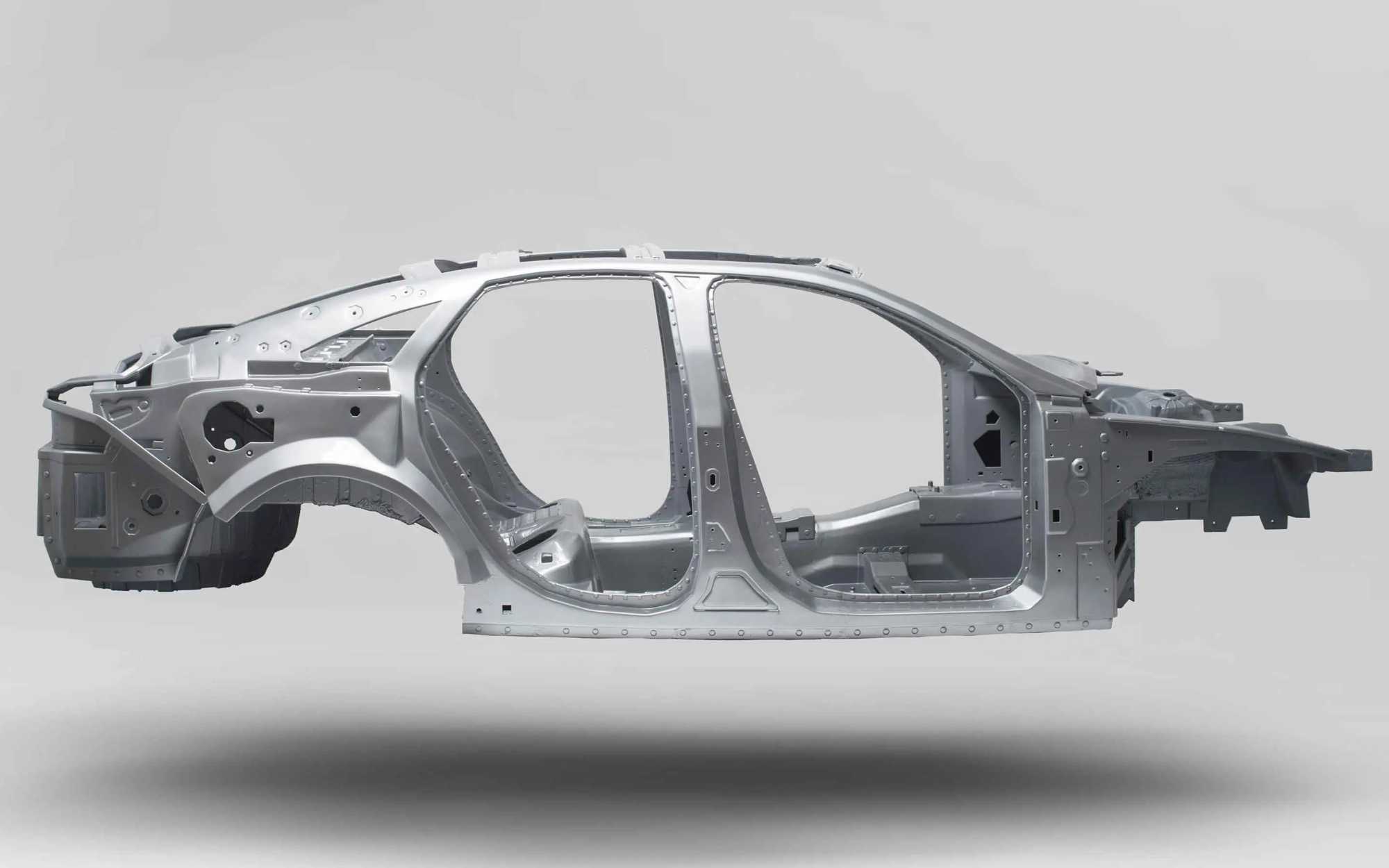
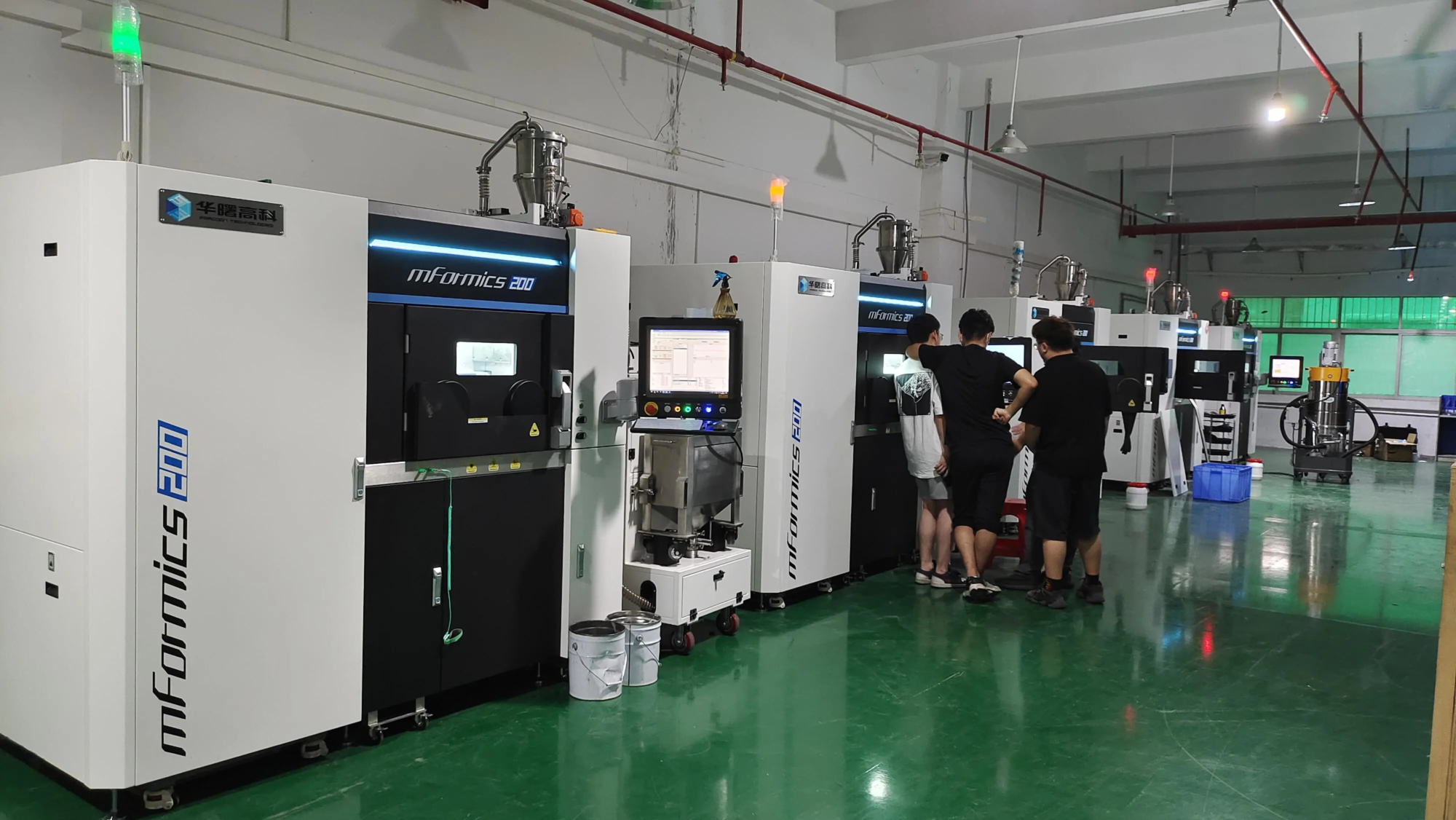
As a leader Rapid Prototyping Manufacturer In China, GREMLIMENG integrates the frontier SLM (Selective Laser Melting) 3D Printing With comprehensive post-processing proficiency. We don’t just print; we designed the solution. Our range of features goes beyond primer-based finishes, including:
- Precision machining: CNC milling/steering critical dimensions and good tolerances.
- Industrial Smoothing: Advanced technologies such as bead blasting, chemical smoothing, tumbling, mechanical polishing, and precise grinding tailored to metal alloys.
- Anode, plating and coating: Enhanced surface properties (wear, corrosion resistance, appearance).
- Heat treatment and hips: Optimize the mechanical properties of metal components.
Gremight solves core challenges Rapid prototyping of metal parts – Transform original printed metal into a part that is indistinguishable from traditionally manufactured components and the traditional components of functions. Whether you need a prototype for verification or a bridge to produce quality parts, we offer One-stop post-processing and completion service. From the initial concept to the perfectly finished part in your hands, we can handle complexity quickly and efficiently.
Most materials can be quickly customized and processed. For custom precision machining and finishing beyond expectations, Greatlight is one of the best rapid prototype companies from China. Customize your precision and quickly prototyping parts now and offer professional finishes at the best prices.
in conclusion
From fresh 3D prints to stylish, the journey of the professional part depends greatly on effective post-processing. Filling primers is an essential tool on this journey, providing a practical, accessible way to eliminate layer lines and surface imperfections. By understanding its purpose and carefully applying the overview steps – thorough cleaning, thin coat, patient drying and progressive polishing – you can unlock new levels of effect for any project. Whether you are perfecting role-playing props, functional prototypes, or visual models, mastering filler primers will improve from your work "Handmade" arrive "Professionally produced." For the most demanding applications, especially in metals, working with experts like Greatlight ensures complex precise machining and industrial-grade finishes, delivering results that meet the highest standards of form, fit and function.
FAQ (FAQ)
Q1: Can I skip sanding between the coatings that fill the primer?
one: Strongly not recommended. Grinding between coatings is critical to smooth the surface, eliminating dust/blemishes introduced by spraying, and establishing mechanical bonds for the next layer. Skipping it usually results in a rougher, less efficient effect and can lead to adhesion problems.
Q2: Why my fill primer looks rough or has one "Orange peel" Texture when spraying?
A: This is usually made by:
- Spray from too far away (which can cause partial drying before impacting the surface).
- Apply a jacket that is too thick.
- Low humidity or high temperature drying spray in the middle.
- The jar was not trembling enough. Apply a thinner jacket to make sure the distance is correct and shake thoroughly. The texture can be smooth.
Q3: How long should I let the filler primer dry before sanding?
one: Always follow the manufacturer’s instructions. Typical "Dry to the sand" The time ranges from 30 minutes to 2 hours. However, for best results (to minimize clogged sandpaper and adhesiveness), waiting longer (even overnight) is often beneficial, especially for thicker coats or humid climates.
Q4: Can filler primers be used on SLA/DLP resin prints?
one: Yes, be cautious. Cleaning and healing resin printing The first. Many filler primers are very sticky to the resin. However, always test on small areas or waste paper first, as some resins (or unauthorized monomers) have poor interactions, resulting in cracking or poor adhesion. It is recommended to use curing resin.
Q5: What better way to fill layers, fill primer or spray putty?
one: Filling primer: Great for fine layers of lines and blemishes, slowly built with multiple coatings, easy to polish, creating a good paint foundation. Best for typical FDM prints.
- Spray putty (e.g., canned Bondo Spot Peel): Thicker body, filled Bigger Flaws are faster. It can be reduced more and requires thicker applications, making it difficult to smooth the mortar. Best for major gaps or defects back Initial fill primer layer.
- Usually combinations are ideal: Start with the fill primer on the line, then the point for the main defects is used with spray paint or traditional body filler, and then seal with more fill primer before final paint.
Question 6: Will Greatlight handle the entire finishing process, including primer and painting complex metal prototypes?
one: Yes! Great One-stop post-processing Functions cover the entire spectrum. From precise support disassembly and stress-free metal SLM prints to a wide range of finish options (including precision machining, various polishing levels, bead explosions), to specific coatings such as primer, paint, plating or anodes – we are all managed under strict quality control. This ensures that your complex metal prototype or end-use parts are fully completed with your precise specifications in preparation for assembly or demonstration.