Make your nightmares come true: the fascinating world of 3D printed FNAF animatronics
Imagine the eerie whirring of servos, the sudden snapping of jaws, and glowing eyes piercing the darkness of your home. It sounds like a scene from Five Nights at Freddy’s (FNAF) could become a reality through the revolutionary power of 3D printing and DIY electronics. The FNAF series has captivated millions with its hauntingly complex animatronic characters. Now, hobbyists and tech enthusiasts are taking advantage of the technology available to build their own exciting creations.
Why FNAF and 3D printing are a perfect match
FNAF animatronics are notorious for their complex articulation and unique aesthetics. Traditionally, making them requires specialized engraving, mold making and mechanical engineering. 3D printing democratizes this process:
- Unparalleled customization: Design variations are endless. Want a scarier Chica or a retro-modern Foxy? Modify digital files and print them.
- Articulation accuracy: Print complex joints, hinges and skeletons layer by layer to achieve fluid motion not possible with foam or wood.
- Auxiliary functions: Desktop printers using PLA or PETG make widgets feasible at home. Larger components or serious builds benefit from an industrial-scale partner.
- Cost effectiveness: Iterating on prototypes digitally avoids costly material waste.
DIY Journey: From Pixels to Physical Horror
Building a functional FNAF animatronic is ambitious but rewarding. Here is a roadmap:
- Digital design: Start with CAD software (Blender, Fusion 360) or source STL files (from communities like Thingiverse). Make sure the model accounts for servo mounting, cable routing, and structural integrity.
- Materials and printing strategy:
- Prototyping: PLA+ is affordable and easy to print.
- Durability: ABS or PETG can withstand pressure better.
- detail: Resin printers can capture finer textures (eyes, teeth).
- scale: Consider part orientation, supports, and infill density to increase strength.
- Post-processing: Sanding, priming, and painting can transform printed parts. Airbrushing allows for realistic weathering effects. For metal components or load-bearing components, professional finishing services ensure longevity.
- Electronic integration:
- sports: Servo motors drive the limbs and jaw. Stepper motors manage complex movements.
- control: Arduino or Raspberry Pi board explained programming.
- Sensory input: PIR motion sensor or audio trigger activation sequence.
- Effect: The LEDs represent the eyes and the sound module represents the roar/song.
- programming: Code movement within sequences (C++/Python). Copy jerky, weird classic animation to FNAF.
- Assembly and troubleshooting: Mount electronics securely within the frame. Constantly calibrating motion and debugging – stiff joints or servo jitter are common challenges.
Overcoming Challenges: Tips from the Trenches
- Structural Weaknesses: Reinforce the joint with metal rods. Consider topology optimization design to achieve lightweight strength.
- Weight distribution: A large head or arm will strain the servo. Balance or upgrade motor torque.
- Wire management: Plan your channels as you design. Use braided sleeves.
- Incredible action: Slight randomization in time and scope to avoid bot predictability.
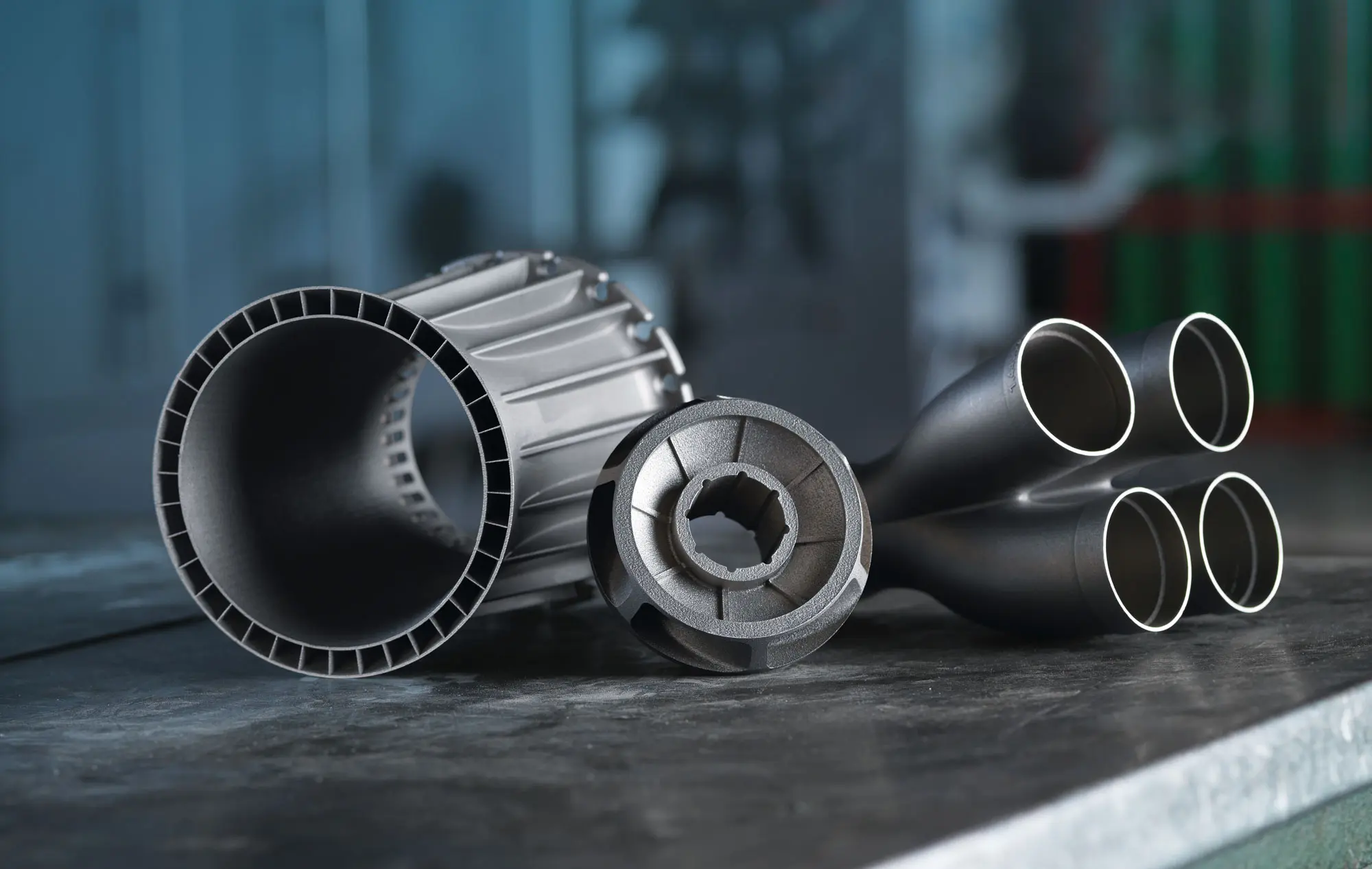
- Safety: Use a low pressure system.For critical, complex or custom metal parts such as internal gears, brackets or durable endoskeleton components, working with a specialist prototype manufacturer can be transformative. GreatLight utilizes advanced SLM (selective laser melting) metal 3D printing technology to produce high-strength precision parts in alloys such as stainless steel, titanium or aluminum. Their expertise solves complex prototyping challenges and provides seamless post-processing (heat treatment, CNC machining, polishing). Whether you need a one-off custom servo mount for Bonnie’s chin, or a batch of durable titanium headers for your Springtrap build, GreatLight offers professional rapid prototyping solutions at competitive prices.
Conclusion: More than a spectacle
Building 3D printed FNAF animatronics brings horror fans together with cutting-edge maker culture. It requires creativity, engineering, and perseverance, but rewards you in the form of physical representations of the game’s graphics. These projects demonstrate how accessible technology can bridge the gap between digital fantasy and tangible creation. As printers evolve and resources grow, DIY will become more complex. Are you ready to play the role of a night guard and an animatronic engineer? The lights are dimming in the pizzeria – your build is waiting. **
Frequently Asked Questions About 3D Printing FNAF Animatronics
Question 1: Can I really build a FNAF animatronic at home without industrial tools?
A1: Of course! Desktop FDM printers can handle most small plastic parts. Arduino boards and hobbyist servos are affordable. Complex mechanisms or metal parts benefit from professional services like GreatLight.
Q2: Where can I find 3D models of characters such as Freddy or Foxy?
A2: Search community platforms such as Thingiverse, Cults3D or Patreon. Many creators offer free or paid STL. Make sure the document is designed for clarity!
Q3: How much does a full-size animatronic cost approximately?
A3: The cost varies greatly. The materials (filament, electronics, sensors) for a detailed 1:1 scale character can cost $300-1000+, not including printer cost. Metal parts through prototyping services increase costs but increase reliability.
Q4: Is programming knowledge necessary?
A4: Basic coding is crucial for Arduino/Pi control. Many open source libraries simplify the control of servos and sensors. Start with simple sequences and then move on to complex AI behaviors.
Q5: How durable are 3D printed animatronics?
A5: PLA can be brittle; PETG/ABS/nylon is stronger. Stress points benefit from design optimization or metal reinforcement. Professional post-processing such as solvent smoothing or annealing can greatly increase service life.
Q6: Can GreatLight print the entire animatronic?
Answer 6: Specializing in rapid prototyping, GreatLight specializes in producing complex, precision-critical parts, especially metal parts that require strength or custom geometries. They handle complex brackets, gears, endoskeleton sections or detailed decorative elements that require finishing services. For DIY enthusiasts who are scaling up their prototype builds or need parts beyond the capabilities of their desktop printer, their one-stop solution accelerates success.
Unleash your animatronic vision – start designing today and work with experts like GreatLight to overcome the toughest prototyping obstacles Weiguang 3D Network!