Seamless Strength: Exploring the Role of Friction Welding in Advancing Metal 3D Printing
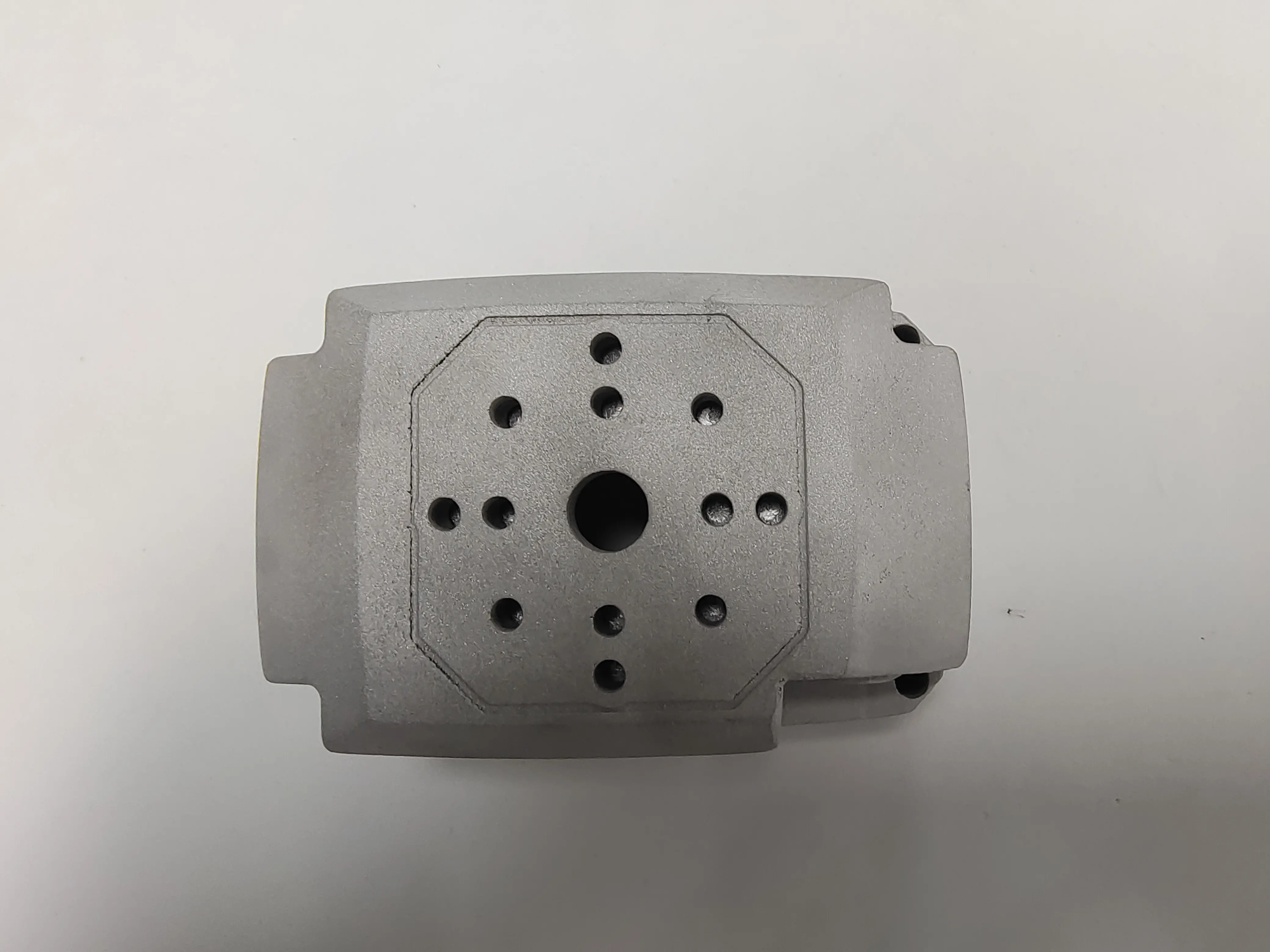
Metal 3D printing, especially through selective laser melting (SLM), enables unprecedented design freedom and complex geometries not possible with traditional manufacturing. However, connecting these printed parts—either to each other or to traditionally manufactured parts—presents unique challenges. Traditional fusion welding techniques can create voids, distortion, or unwanted heat-affected zones (HAZs) that compromise the integrity of carefully printed microstructures. Friction welding is an innovative solid-state joining process that is quickly gaining traction as an ideal solution for high-performance metal 3D printed components.
What is friction welding? How does it connect to 3D printing?
Friction welding forms the joint not by melting but by controlled friction-induced plastic deformation. The main methods suitable for metal additive manufacturing include:
- Rotary friction welding: One component rotates rapidly relative to its stationary counterpart under axial pressure. The heat of friction softens the interface, and the pressure of the forging squeezes out contaminants and forms a solid bond when rotation stops.
- Friction stir welding (FSW): Rotating, non-consumable tools are inserted along the join lines between parts. Friction heats the material, causing it to plasticize without melting. The tool’s pins mechanically stir the softened material, creating a dense, void-free weld.
For 3D printed parts, friction welding shines because it:
- Maintain material integrity: Occurs below the melting point, avoiding the harmful heat-affected zone associated with laser or arc welding. The key metallurgical structures designed during the additive manufacturing process remain unchanged.
- Implement a hybrid structure: It is impossible or difficult to seamlessly join dissimilar metals (for example, aluminum printed parts with steel shafts) through fusion methods due to different melting points or chemical compositions.
- Create quality joints: The resulting bond strength equals or exceeds the parent metal, high fatigue life and excellent ductility, which is critical for demanding aerospace or automotive applications.
- Residual stress management: Avoid significant thermal deformation common in fusion welding and minimize deformation and stress concentration near the weld.
- Enhanced design freedom: Allows designers to break down large assemblies into smaller, more efficient printed parts and then join them via a friction process without sacrificing performance.
- Eco-efficient: Eliminates shielding gas, filler metal and fumes associated with fusion welding.
How does friction welding integrate with 3D printed parts?
- Prepare: The parts that need to be joined (printed, cast, forged or machined) have precisely prepared superionic mating surfaces.
- Fixtures: The parts are firmly clamped in the welding machine (rotating chuck or FSW gantry).
- Friction stage: Relative motion (rotation or linear oscillation) and pressure generate localized heat through friction, plasticizing the material.
- Forging stage: Once movement stops (rotation) or continues significantly (FSW), axial pressure increases dramatically, forging the thermally softened material together. Diffusion bonding completes the welding.
- finishing: Any burrs (softened material expelled) are usually removed.
Apps powering industries:
- aerospace: Attaching printed titanium structural parts, blending propeller blades (printed tips + forged roots), repairing turbine blades.
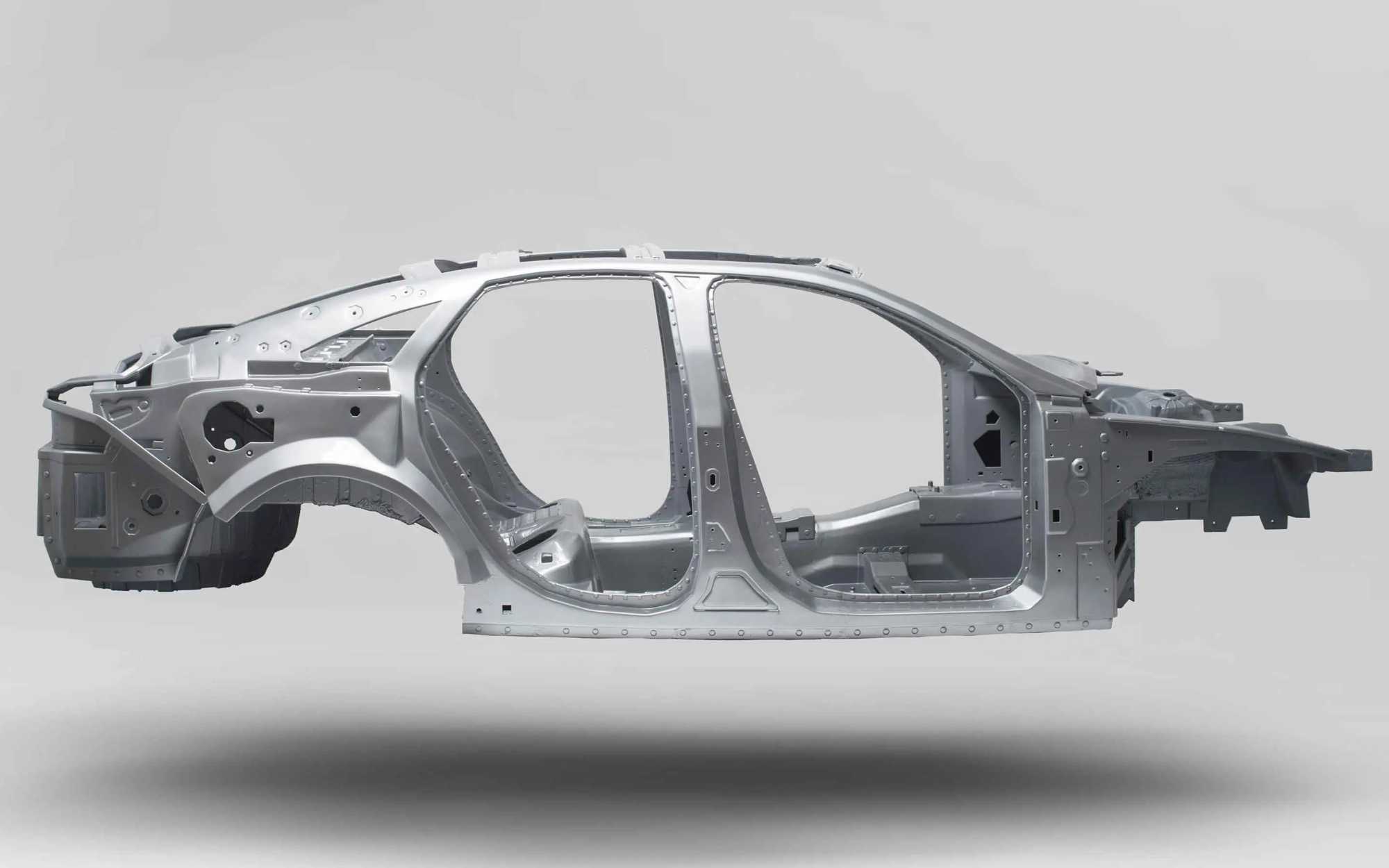
- Automotive/Electric Vehicles: Lightweight aluminum suspension arms connect printed housing to axle/gland, battery tray assembly.
- Oil and Gas: Corrosion-resistant cladding repair on printed valve body, joining high-strength steel