Blog: Mundo 3D Printing the Future
The development of 3D printing is no longer a fantasy of the future – it is reshaping the industry now. exist 3D printing future worldwe explore breakthrough trends that push the boundaries of aerospace, medical technology, automotive engineering and more. The core of this revolution is Metal Additive Manufacturingthis is a field where precision and innovation collide and redefine possibilities.
Why metal 3D printing is leading the way
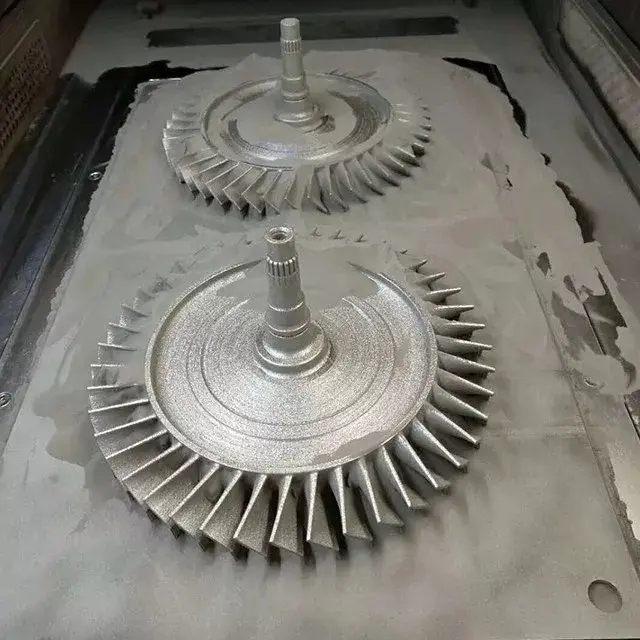
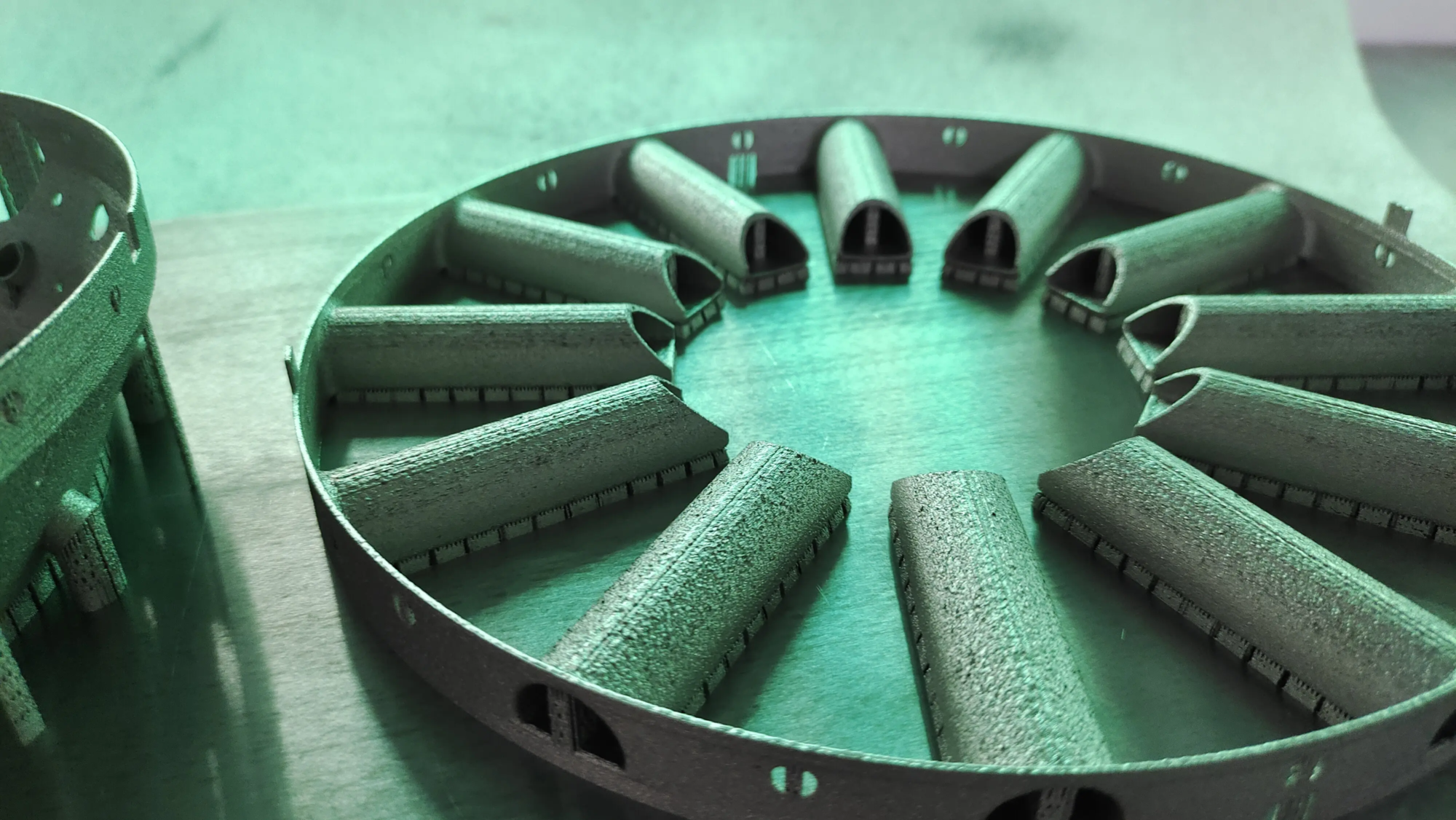
Unlike traditional methods, metal 3D printing (especially Selective Laser Melting – SLM) builds complex geometries layer by layer, using lasers to fuse metal powders into fully dense parts. This eliminates design constraints, reduces material waste by up to 90%, and reduces production time from months to days. Wide range of applications:
- aerospace:Lightweight turbine blades with internal cooling channels.
- medical: Biocompatible implants tailored to the patient’s anatomy.
- car: Durable, heat-resistant components for electric vehicles.
Unsung Heroes: Post-Processing
Original 3D printed parts often require improvements to meet industry standards. This includes stress relief, CNC machining to achieve tight tolerances, surface polishing or heat treatments such as HIP (Hot Isostatic Pressing) to eliminate porosity. Neglecting post-processing can compromise the integrity of the part, making it a critical stage in the workflow.
Customization and material science breakthroughs
Today’s projects require materials’ versatility. from aviation grade Titanium (Ti6Al4V) And corrosion resistant Stainless steel (316L) Highest conductivity copper alloythe printer now processes once -"Unable to handle" Metal. Custom material blends are also emerging, such as gradient metals that combine robot flexibility and strength.
GreatLight: Your Precision Partner
exist huge lightwe live at the intersection of innovation and practicality. As a specialist rapid prototyping manufacturer, our advanced SLM 3D printers and in-house expertise can solve some of the toughest metal part challenges.
Why work with us?
- End-to-end solution: From prototyping to post-processing (machining, coating, annealing), we provide a seamless one-stop service.
- speed and scale: Rush orders ship within 48 hours; batch quantities range from 1 to over 10,000 units without compromising accuracy.
- Material mastery: Custom-made for virtually any metal alloy and verified through rigorous quality assurance protocols.
- Cost effective: Optimized processes ensure competitive pricing – no hidden iteration fees.
For industries that require agile, reliable prototyping, Gretel ranks among China’s top suppliers by combining cutting-edge technology with uncompromising quality.
future vision
Three key developments are expected in the future of Mundo 3D printing:
- Artificial Intelligence Integration: Machine learning enables real-time error correction during the printing process.
- sustainable practices: Recycling of metal powders and energy saving systems.
- hybrid manufacturing: Combine 3D printing with subtractive methods to create complex geometries.
As regulations tighten and technology advances, expect 3D printing to penetrate the nuclear, marine and even space sectors – areas where failure is out of the question.
in conclusion
The trajectory of 3D printing is clear: smarter, faster, and more adaptable. Metal additive manufacturing is at the core, making possible designs previously thought impossible. For businesses, working with experts like GreatLight ensures you ride this wave rather than falling into the prototyping trap. Embrace customization, prioritize post-processing, and let innovation flourish.
FAQ: Mundo 3D Printing the Future
Q1: Why are metal 3D printed industrial parts superior to plastic?
Metal offers unparalleled strength, heat resistance and durability. Parts can withstand extreme stresses (such as engine components), and plastics can deform under high heat or load.
Q2: How does Honglait ensure the accuracy of SLM printing?
Our SLM printer uses a 400W laser with a layer resolution of 50 microns, guided by a calibrated optical system. Each build is CT scanned to detect internal defects.
Q3: Can I use custom metal alloys in my project?
Absolutely. We source special alloys (e.g. Inconel 718, AlSi10Mg) or develop blends to customer specifications and then verify them with mechanical testing.
Q4: Why is post-processing important?
Printed parts often have residual stress or rough surfaces. Post-processing improves fatigue life, dimensional accuracy and aesthetics, which are critical for FDA or aerospace approval.
Q5: What is the typical turnaround time for metal prototypes?
Simple designs ship within 2-3 days. Complex builds with intensive post-processing take 5-7 days. We offer expedited service for urgent needs.
Question 6: What is the scale of mass production of metal 3D printing?
With multi-laser printers and automated workflows, we can efficiently produce batches of over 10,000 pieces, perfect for automotive or consumer hardware.
Q7: Are there any size restrictions?
Our SLM machines can handle parts up to 400 x 400 x 500 mm in size. For larger components, we design and assemble them in sections using industrial-grade bonding technology.
Transform your concepts into reality with precision. exist huge lightwe don’t just print parts, we design the future. Start your project today.