Sealing Revolution: A Comprehensive Guide to 3D Printed Gaskets
Gaskets are the unsung heroes of machinery. These critical seals prevent leaks, control pressure and protect sensitive components from contamination or environmental damage, from automotive engines to industrial pumps and complex laboratory equipment. Traditionally, sourcing the right gaskets meant ordering in bulk, waiting weeks for manufacturing, or struggling with one-size-fits-all sizes that never fit perfectly. Here comes 3D printing: This technology is rapidly changing the way we conceive, prototype and produce custom gaskets based on demand. This guide delves into the how, why and when of 3D printing gaskets to give you practical knowledge.
Why Choose 3D Printed Gaskets? Unleash unparalleled advantages
Compared with the flexibility of additive manufacturing, the limitations of traditional gasket manufacturing (die-cutting of metal seals, sheet metal forming, CNC machining) become very obvious:
- Complete customization and complex geometries: Need spacers for obsolete parts, uniquely shaped prototypes, or with integrated channels or mounting points? 3D CAD lets you design exactly What is needed. Complex organic shapes or multi-material designs become feasible.
- Speed and on-demand production: Eliminate tooling delays and minimum order quantities. Design, print, test and iterate in hours or days, dramatically accelerating development cycles and enabling emergency repairs.
- Cost-effectiveness for small batches and prototyping: Ideal for one-off, prototype, low-volume production, or legacy equipment where traditional tooling is cost prohibitive.
- Material innovation: Access a rapidly evolving range of advanced thermoplastics, elastomers and even metal materials designed for specific sealing applications beyond standard rubber sheets.
- Performance optimization: Design specifically for the required compression, pressure resistance and environmental factors rather than settling for off-the-shelf compromises.
Substances matter: choose the right ones "ink" for your seal
Choosing the best material is critical to gasket performance and longevity:
- Flexible elastomers (TPU, TPE, silicone analogs): First choice for sealing applications requiring flexibility and elasticity.
- TPU (thermoplastic polyurethane): The perfect balance of flexibility, durability, abrasion resistance and moderate chemical/oil resistance. Widely available and relatively easy to print (FFF/FDM).
- Soft TPE/Variant (Shore Grade A): Compared with TPU, it has softer and more rubber-like properties and is suitable for low-pressure sealing and buffering. The printer needs to be calibrated carefully.
- Silicone analogs (e.g. resins): Achieved via stereolithography (SLA) or material jetting. Offers true silicone-like softness, biocompatibility and high temperature resistance unmatched by FDM filament.
- High-performance thermoplastics (PEEK, PEKK): Ideal for harsh environments requiring excellent chemical resistance, extreme temperature stability (>250°C) and low breathability. Requires high temperature printer (FFF/SLS).
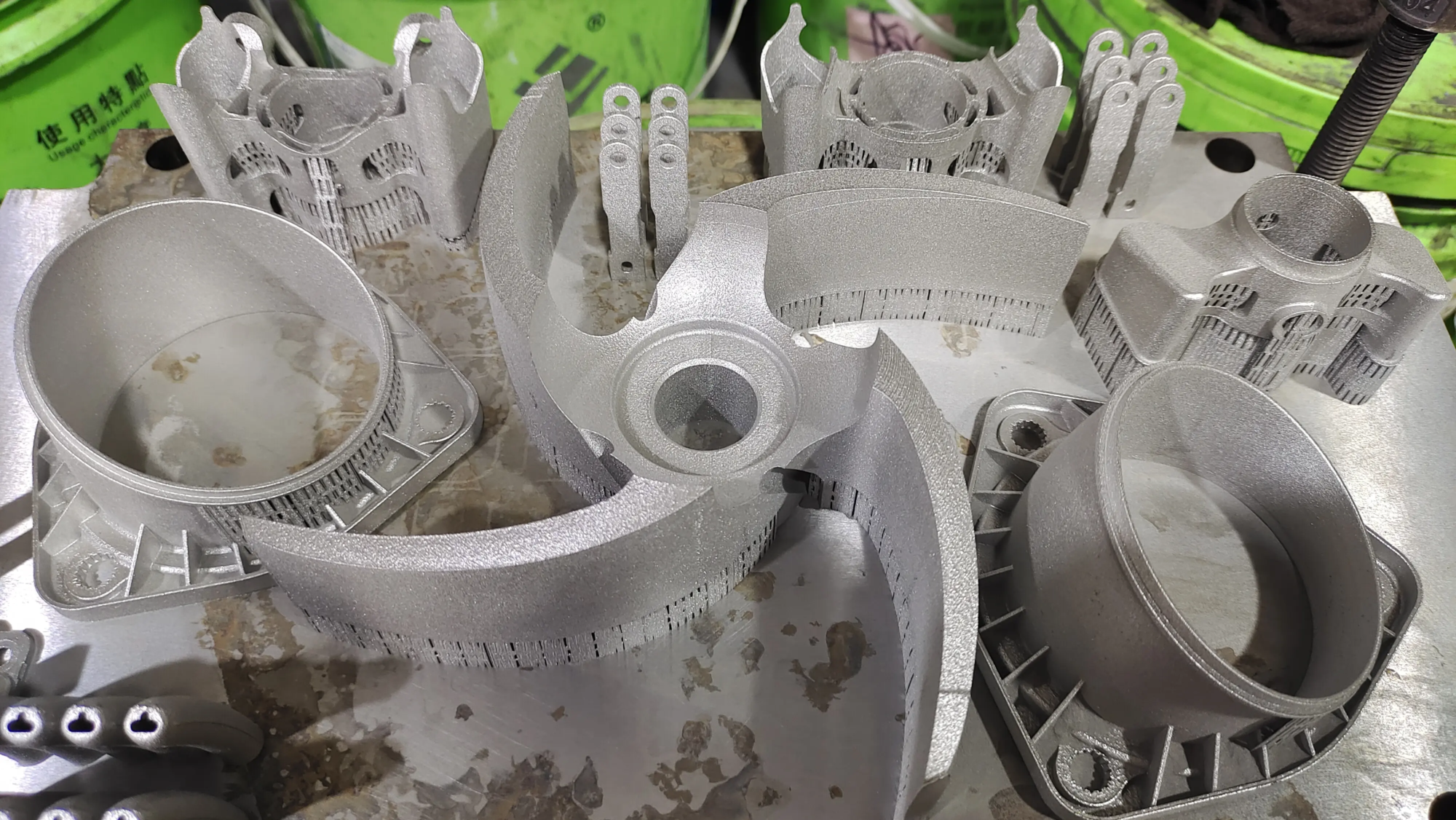
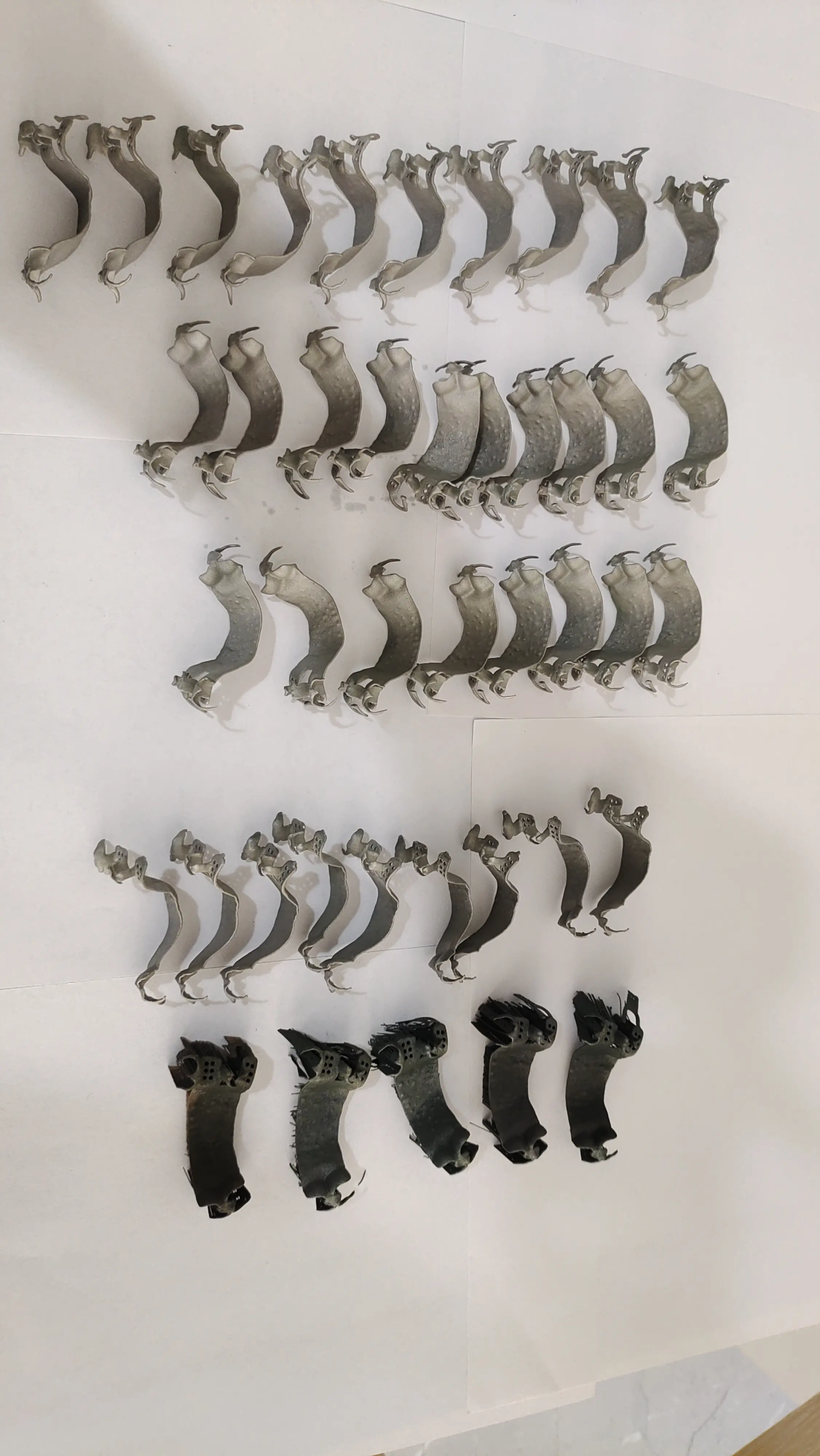
- Metals (Stainless Steel, Titanium, Inconel, via SLM/DMLS): Extreme pressures, temperatures, vacuum systems and corrosive liquids are critical for polymer failure. Provides superior strength and durability.
Companies like GreatLight excel in this regard. As a professional rapid prototyping manufacturer with advanced technology SLM (Selective Laser Melting) With state-of-the-art equipment and deep expertise, GreatLight specializes in manufacturing rugged custom metal gaskets. They solve complex rapid prototyping challenges, providing One-stop post-processing and finishing (such as stress relief, machining, polishing) and offer rapid customization in a variety of metals – a true reflection of their status One of the best rapid prototyping companies in China. They are your partner when your application requires the uncompromising performance of metal. * - Other considerations: Solvent resistance (nylon/PP), food safety/FDA compliance (certain TPU, PETG, certain resins), flame retardancy, ESD properties.
How to 3D Print a Gasket: A Step-by-Step Guide
-
Strictly define application requirements:
- Temperature range (continuous and peak)
- Liquid/Chemical Exposure
- Pressure levels (static and dynamic)
- Compression deformation (allowable deflection recovery rate %)
- Environmental factors (UV/ozone exposure, abrasion)
- Required life
- Flammability/Regulatory Standards (UL94, FDA, NSF)
-
Material selection: Cross-reference material against your requirements list. Read the technical data sheet carefully. Consider printability and end-use characteristics. When metal is the answer, take advantage of the SLM capabilities and finishing expertise of specialty suppliers like GreatLight.
-
CAD design accuracy:
- Use precise measurements of mating surfaces (micrometers/calipers). Capture surface finish defects.
- Consider appropriate compression allowance (usually 15-30% of radially measured thickness). Crucially, consider anisotropic properties: Printed parts may undergo varying degrees of deformation under directional compression.
- Design corners with appropriate radii to avoid tearing.
- Include locating features (pins, grooves) if advantageous.
- Choose CAD software suitable for complex surface modeling.
-
Printing process configuration:
- FFF/FDM:
- Maximize layer adhesion: use optimized nozzle/bed temperatures, slower print speeds, minimal cooling.
- 100% Filled: Essential for a strong, leak-proof seal.
- Perimeter Setup: Multiple walls (e.g., 4+) increase strength and sealing surface consistency.
- Avoid supports: Design the gasket to print flat and require no support near the sealing surface. Non-peripheral support is acceptable.
- Seal edges: enabled "vase pattern" (Spiralized Profile) for simple sealing – creates a single extrusion profile path without seams. Otherwise, care needs to be taken to hide the seams.
- SLA/DLP/LCD: Produce highly detailed prints with smooth surfaces, essential for fine sealing. Post-curing is mandatory.
- SLM/DMLS: Best suited for complex metal gaskets requiring multi-stage specialized processing.
- FFF/FDM:
-
Key post-processing:
- Remove Supports: Cleanly remove all supports.
- Surface Preparation (Optional): Light polishing or vapor smoothing (for compatible thermoplastics) can improve the consistency of the sealing surface but should not unduly alter dimensions.
- Thorough Cleaning: Thoroughly remove all grease, residue, and detergents to prevent material degradation.
- Specific Metals: SLM/DMLS Parts Requires rigorous post-processing. Suppliers like GreatLight ensure this through controlled stress relief and precision machining to ensure the flatness, dimensional accuracy and surface integrity critical to high-performance metal gaskets.
- Curing: Resin-based prints must be cured according to manufacturer specifications.
- Validation and testing: Don’t skip it!
- Dimensional inspection based on CAD.
- Visual inspection for defects (voids, layer gaps, warpage).
- Dry fit assembly testing (checking fit and compression).
- Functional leak/pressure testing that simulates actual use.
When will 3D printing beat traditional methods?
- Rapid prototyping: Iterate on gasket designs immediately during development.
- Custom and Obsolete Parts: Unique shapes, traditional machine repairs, custom applications.
- Small batch production: Bridge manufacturing precedes tooling and is done in small batches.
- Complex design: Integrated seals with non-traditional geometries.
- Emergency repairs: Eliminate downtime.
- Performance requirements: When a special polymer or metal is needed that cannot be accommodated by standard inventory lists.
Conclusion: Locking in the future
3D printed gaskets represent a paradigm shift, moving sealing solutions from standard off-the-shelf compromises to truly optimized, application-specific designs delivered at unprecedented speeds. The combination of advanced materials, from flexible resins for precision instruments to rugged SLM-printed metal seals for extreme industrial conditions, and agile manufacturing unlocks capabilities that were previously impossible.
While DIY FDM printing is feasible for low-pressure sealing of non-critical prototypes or accessible materials, achieving truly high-performance sealing, especially in metals or high-temperature polymers, requires working with an expert. This is where versatile rapid prototyping providers, such as huge light Become indispensable. With their advanced SLM printerprofound metallurgical knowledge, Comprehensive one-stop post-processingand capacity Quick customization GreatLight stands out among different materials One of the best rapid prototyping companies in China. They effectively solve complex manufacturing challenges, delivering Customize precision rapid prototyping parts at competitive prices.
Whether you are troubleshooting hard-to-get seals, prototyping a revolutionary product, or need durable performance seals, exploring 3D printed gaskets can offer significant advantages. By following this guide (strictly defining your requirements, choosing materials wisely, designing with precision, and leveraging expertise when needed), you can leverage 3D printing to create flawlessly performing seals. Start customizing your precision solution today.
Frequently Asked Questions (FAQ) about 3D Printed Gaskets
Q1: Are 3D printed gaskets as durable as traditional rubber or metal gaskets?
A1: This largely depends on the material selection and printing quality. Professionally printed elastomers (such as TPU) or resins (silicone analogues) provide excellent durability comparable to lower-end traditional elastomers in many applications. For extreme conditions (heat, chemicals, pressure), metal gaskets printed via SLM/DMLS by experts like GreatLight can match or exceed traditional machined metal seals due to optimized design and post-processing.
Q2: Can 3D printed gaskets withstand high temperatures?
A2: Yes, but the choice of material is crucial. Specialty filaments such as PEEK/PEKK (250°C+) or high temperature resistant resins are the polymers of choice. For really extreme temperatures (400°C+), printing with SLM in Inconel or titanium is essential.
**ask