Bringing Gingerbread Man to Life: 3D Printing Adventure
Holidays are synonymous with gingerbread people – those cheerful, spiced cookies have sparked childhood memories and holiday cheer. But what if you could push traditional boundaries and create one with cutting-edge technology? 3D printing is not just for industrial prototypes; it is a wonderful way to add personalized, complex gifts to holiday decor or baking. This guide will take you to create your own 3D printed gingerbread man, whether it’s unique ornaments, custom cookie knives, or even an edible artistic foundation.
Why 3D Print Your Gingerbread Man?
- Unrivaled customization: Forget the universal shape! Design a gingerbread man in a small hat, holding a candy cane or featuring your last name.
- Complex details: Traditional cutters are impossible to implement impossible complex patterns, textures, or facial expressions.
- Durability and repeatability: Plastic cookie cutters or decorations won’t warp like metal or debris.
- Great for prototyping: Rapidly test complex designs before committing to mass production.
- Entertainment and Education: Great project for amateurs, family or STEM study.
Your step-by-step 3D printing guide:
-
Concept and design:
- software: Tinkercad (beginner), Fusion 360 (advanced), blender (organic shape). Free options are abundant.
- Design Tips:
- Decoration: Focus on aesthetics. Add loop hanging, engraving details or layering parts.
- Cookie Knife: The design wall height is 40-60mm. Make sure the sharp bottom edges are cleaned with cuts and light draft angles for easy dough release. Make the design strong enough to achieve dough pressure.
- Model: If you print a 3D picture (not for baking), it will be in thickness and details, such as the candy button.
- Notes: Remember the purpose! Cookie cutters require food safety, and decorations require hanging points.
-
Material selection:
- Cookie Knife: Food-safe silk must be used. Certified PLA+ or PETG Printing at high temperatures (better layer bonding) is standard. Crucial: always Finish. Sealing seams/holes are sealed by post-treatment to prevent bacterial growth. Consider food-safe epoxy coatings. Avoid ABS (not consistently food safety).
- Decoration/Decoration: PLA, PLA+, ABS, PET, and even festive silk (full of wood, silk, glowing in the dark) can work well. Durability requires a decision on choice.
- Model: Any standard filament is based on the finish and strength required.
-
Slice and print preparation:
- Slice settings: Use software like Cura or Prusaslicer. Key parameters:
- Cookie Knife: 100% fill stiffness filler, sharp edges print slowly. Edge or raft adhesion helps prevent warping.
- Decoration/Model: 15-25% filler (can or cubic for toughness). Overhanging (arms, legs protruding) may require support.
- direction: Print cookie cutter upright for a smooth interior finish. Decorations can be printed to save time/problems.
- Slice settings: Use software like Cura or Prusaslicer. Key parameters:
-
print:
- Calibrate the printer (bed, nozzle height).
- Monitor the first few layers closely to ensure good adhesion.
- Maintain consistent temperature. Avoid drafts.
- Ensure that the extruder moves smoothly without grinding the wire.
- Post-treatment (food contact mandatory!):
- clean: Remove support, clean debris (wipe isopropanol).
- smooth: Sand seams (especially inside cookie cutters). Start to be rough and end with fine sand.
- Food Safety Sealing: For cookie cutters, use certified Food-safe epoxy resin (such as Total Boat Halcyon or Artresin) follow the manufacturer’s instructions. Coat all surfaces and fill the thread. Completely cured before use. This step is crucial!
- Non-food: Sand, prime and paint ornaments/models as needed.
Safety First – Non-Commodity:
- Food Safety: Only certified food safety silk and Food-safe epoxy coating is enough. Even food-safe filaments are porous and require sealing. Wash the knife gently with your hands; avoid the dishwasher. Discard if broken or scratched a lot.
- General: Handle the tools carefully. Work in a ventilated area while polishing or using chemicals.
3D Printing Gingerbread Magic with Greatness:
Printing gingerbread cutters at home is achievable and can be made with real high precision, but functional parts in demanding materials require industrial expertise. This is Rapid prototyping Steps to get away from the kitchen counter.
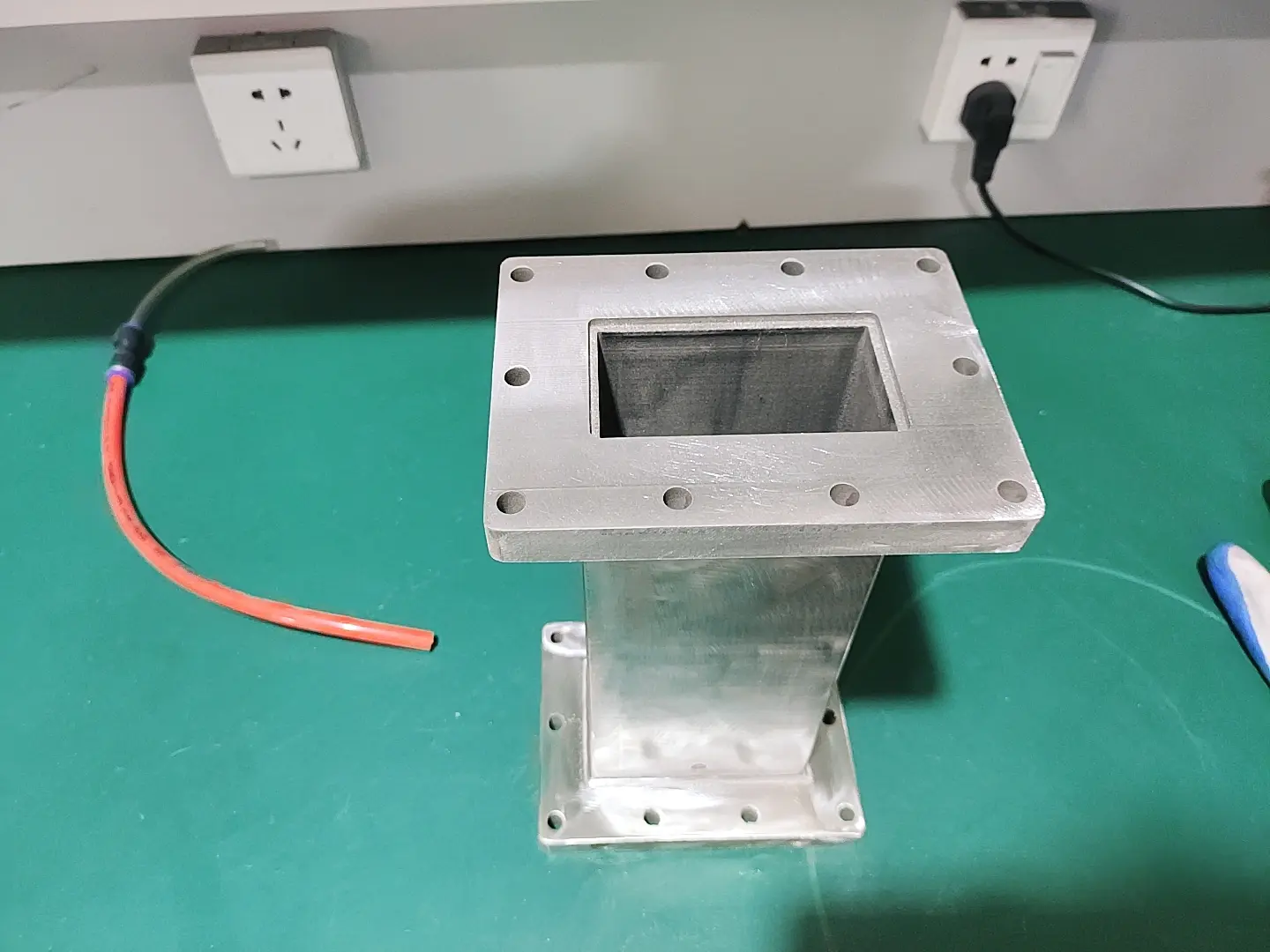
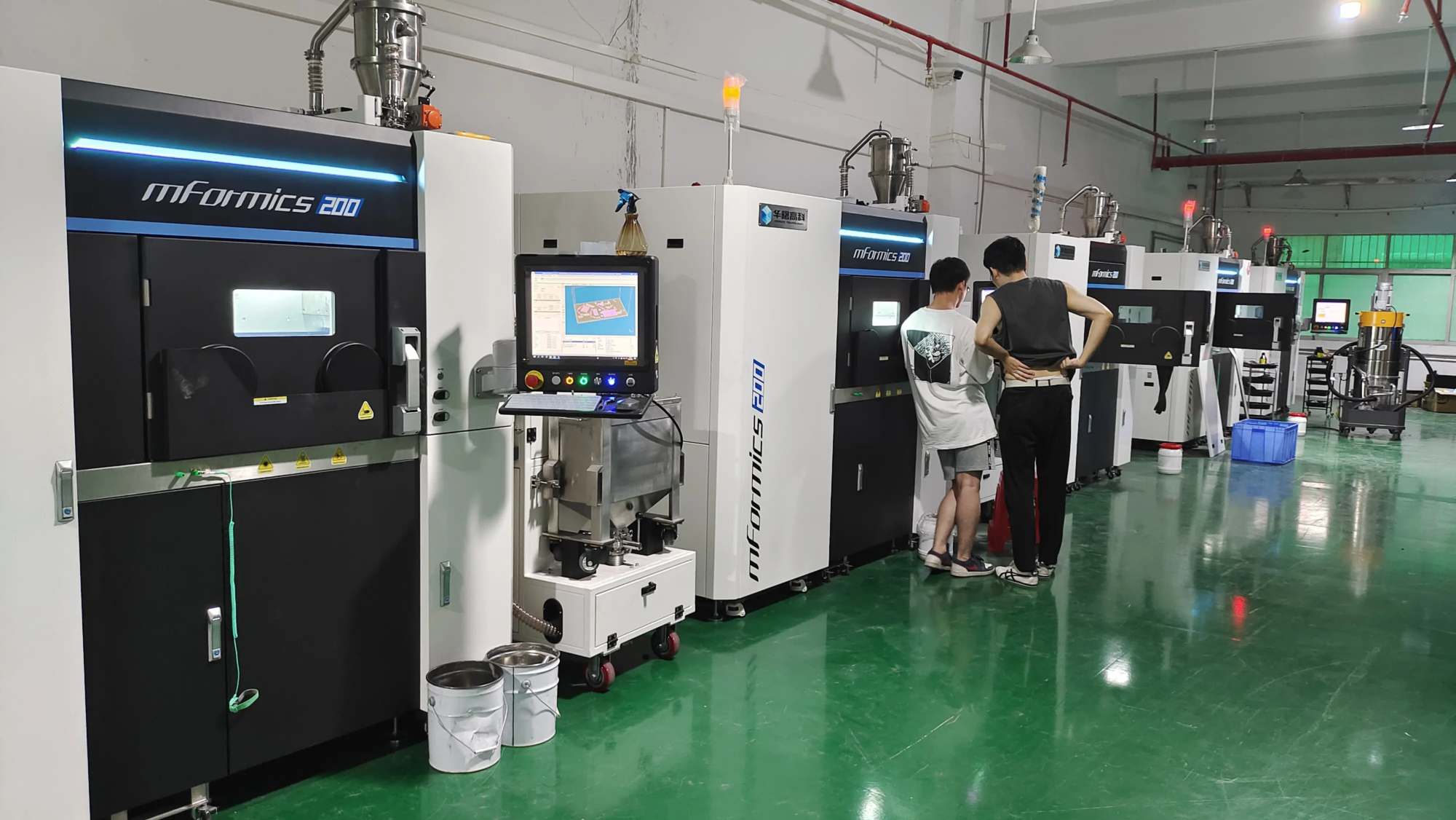
We use the cutting edge Selective laser melting (SLM) Technology and other advanced 3D printing processes are created not only by polymers, but also by polymers. High performance metal Like stainless steel, titanium, aluminum alloy and inconel. While your PLA gingerbread cutter is perfect for seasonal fun, our capabilities focus on solving critical rapid prototyping and ultimate production challenges across aerospace, automotive, medical equipment and industrial machinery.
Why choose a professional rapid prototype to meet complex needs?
- Material versatility: Entering engineering grade metals and high temperature polymers far exceed common silks.
- Unrivaled precision and detail: Achieving complex geometric shapes, thin walls and excellent finishing requirements.
- Structural integrity: SLM produces nearly dense metal parts with special mechanical properties.
- End-to-end expertise: From initial CAD optimization and material selection to complex post-treatment (heat treatment, precision machining, surface finishing – sandblasting, polishing, polishing, anodizing, painting), Greglight provides a seamless one-stop solution.
- Speed and reliability: Fast turnover of prototypes and low to medium production.
- quality assurance: Strict testing and inspection protocols ensure that parts meet strict specifications.
in conclusion:
3D printing your own gingerbread man is an excellent blend of festive tradition and modern technology. It offers endless customization, opens up creative possibilities and serves as an engaging project. Remember, if you make a cookie cutter, be careful to make sure your food is safe. This adventure demonstrates the incredible accessibility of additive manufacturing.
But when your project demands higher performance, material strength or complex precision – from holiday novelty to mission-critical components – the features of professional rapid prototyping services, e.g. Great Become essential. Our mastery in SLM Metal 3D printing and full-finishing services ensures that you get not only parts that are prototyped, but also functional solutions designed for success. Whether it’s a festive cutter or a turbo blade, it can give you the most ambitious design.
FAQs (FAQ):
-
Q: What is the safest way to 3D print a gingerbread man cookie cutter?
- one: Use Certification Food Safety PLA+ or PETG filament. It is crucial to post-treat: sand all surfaces to smooth out the lines and then apply multiple thin coatings Certified food safety resin (like epoxy). cure completely Follow the instructions. Wash your hands gently to avoid cleaning the abrasives and check for damage frequently. If it breaks, replace it.
-
Q: Can I print an actual edible gingerbread man with a food 3D printer?
- one: Yes, specialized paste extrusion printers (such as Foodini) use dough, frosting or chocolate. This guide focuses on FDM printing used to create cutting machines, molds, or decorative items instead of extruding edible paste. The principles vary greatly.
-
Q: Why silk/grind when printing?
- one: It may clog the extruder nozzle, moisture in the filaments (especially pla/petg – dry!), print too cold or extrusion tension too high. Clean the nozzle, dry wire, and check the recommended temperature settings.
-
Q: How to make Cookie Cutter free dough easily?
- one: Design a slight draft angle (wider at the top). Cool the dough before cutting. After cutting, briefly place the cutter in warm water to heat the plastic edges. Make sure the interior is smooth and sealed. Use flour on delicate designs.
-
Q: Why do I choose Greatlight for metal 3D printing instead of prototypes?
- one: Industrial SLM printers and material handling require significant investment, expertise and infrastructure. Greatlight provides these industrial capabilities (e.g. titanium, stainless steel), engineering support for design optimization, high-precision machining in our one-stop workshops, and strict quality control – they are faster and more cost-efficient quality control than low-quantitative internal capabilities.
-
Q: Can Greatlight handle prototyping and final production through 3D printing?
- Answer: Absolute. We specialize in research Rapid prototyping Iterative development and proof of concept were performed using various methods (SLM, SLS, MJF) and materials. In addition, we are Small batch manufacturingthanks to the robustness of the industrial metal laser melting process and our advanced finishing services, end-use parts can be generated.
- Q: What type of post-processing does Greatlight provide?
- one: Our comprehensive services include disassembly, heat treatment (stress relief), CNC machining for critical tolerances, a variety of surface finishes (sanding, polishing, polishing, grinding, grinding, tumbling) and coatings (anodized, painted, passivating, passivating, sealing). We customize the post-processing chain according to the specific material, functional and aesthetic requirements of your part. Customize your precision and fast prototyping parts on Greatlight now!