The evolution of gun frames: Deepening the 3D printing Glock 19 frames and professional production solutions
The intersection of 3D printing and guns revolutionized DIY Gunsmithing, and the Glock 19 framework became the focus of enthusiasts and engineers. Unlike serial components regulated as guns, the framework (or receiver) has major legal weights. This guide reveals the technical reality of the 3D-printed Glock-compatible framework, while highlighting why professional manufacturing and absolute compliance with the law are not commercially acceptable to safety and legality.
Beyond PLA: Technical Complexity of Printing Frames
Although online repository hosts countless Glock framework designs (such as FMDA or PY2A variants), production functional frameworks involve key engineering considerations:
-
Substance restrictions: Common desktop filaments of PLA+ or ABS (such as PLA+ or ABS) lack the impact resistance and thermal stability required for repeated shooting. Layer adhesion failure or recoil fracture can lead to catastrophic failure. High-quality frames require advanced polymers such as nylon-CF (carbon fiber reinforced) or PEKK-GF (glass-filled), which provide 5-10 times the tensile strength of the basic PLA.
-
Accuracy tolerance: The Glock frame must maintain ±0.1mm dimensional accuracy of the track, pin hole and trigger mechanism. Desktop FDM printers often struggle with distorted and inconsistent layer resolution, resulting in tolerance build-up errors. Components suitable for defective frames may be clogged or misfired.
- Structural Design: Reinforcement around stress points (e.g. locking blocks and rear seat spring passages) is essential. Designs optimized for additive manufacturing use lattice structures or ribs, but improper calibration can impair integrity. Pressure simulation is recommended through FEA software to identify failure modes.
Why legal compliance is the first consideration
In the United States, manufacturing a gun framework requires compliance with ATF guidelines:
- Unlicensed people can The only one For personal use (no sales/distribution).
- Printing frames shall not violate the Undetected Firearms Act (requires detectable metal components).
- Limitations apply to serialization requirements after 2022 (specific details vary by state).
Ignore these regulatory felony charges of risk. Ethical orders are equally critical: There is no guidance to replace local legal or engineering best practices. If proceeding, hire a legal counsel specializing in gun law.
Improve safety through industrial-grade 3D printing
For prototypes or custom components (permitted by law), professional rapid prototyping services, etc. Great Reduce the risk of desktop printing:
-
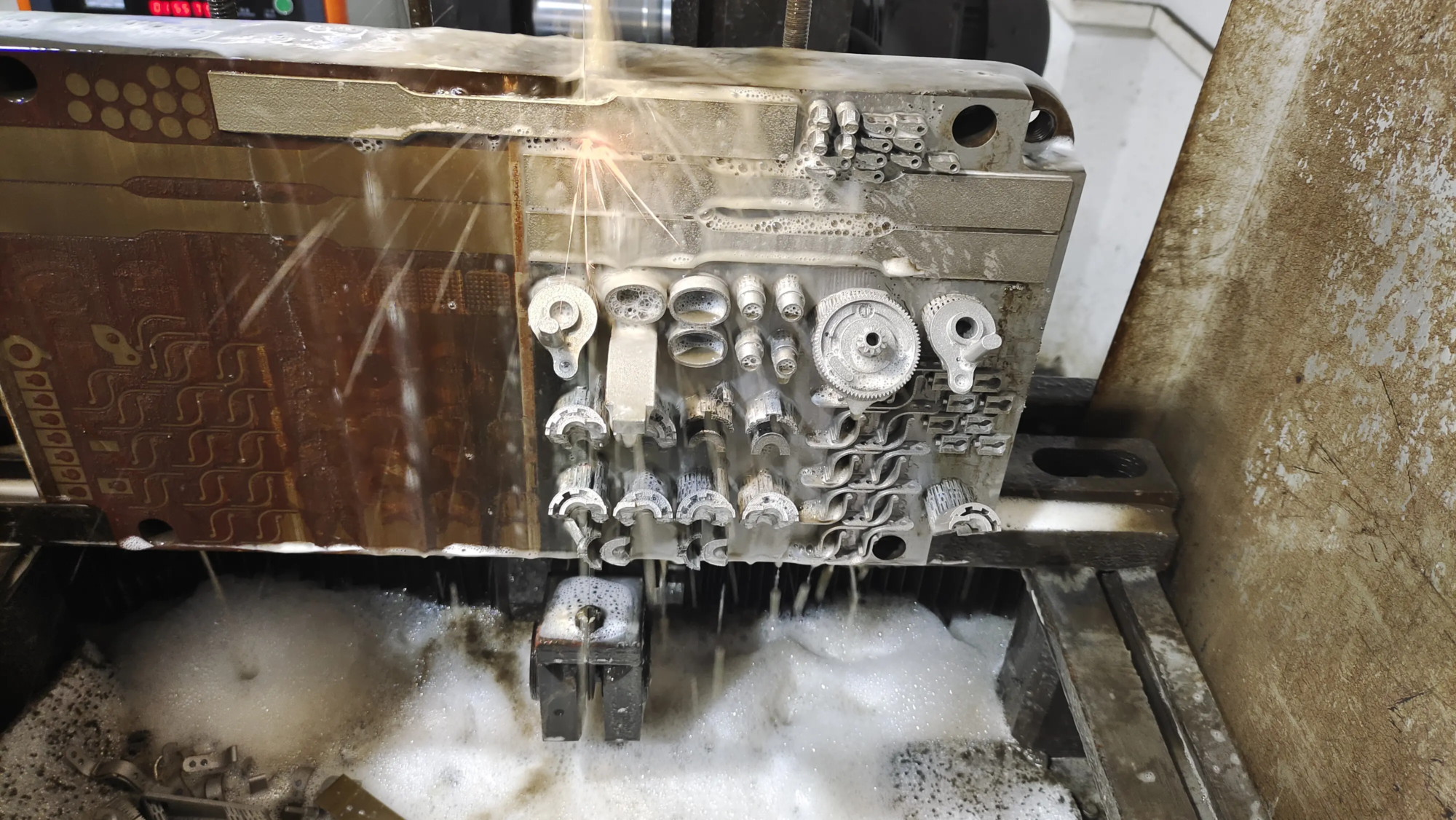
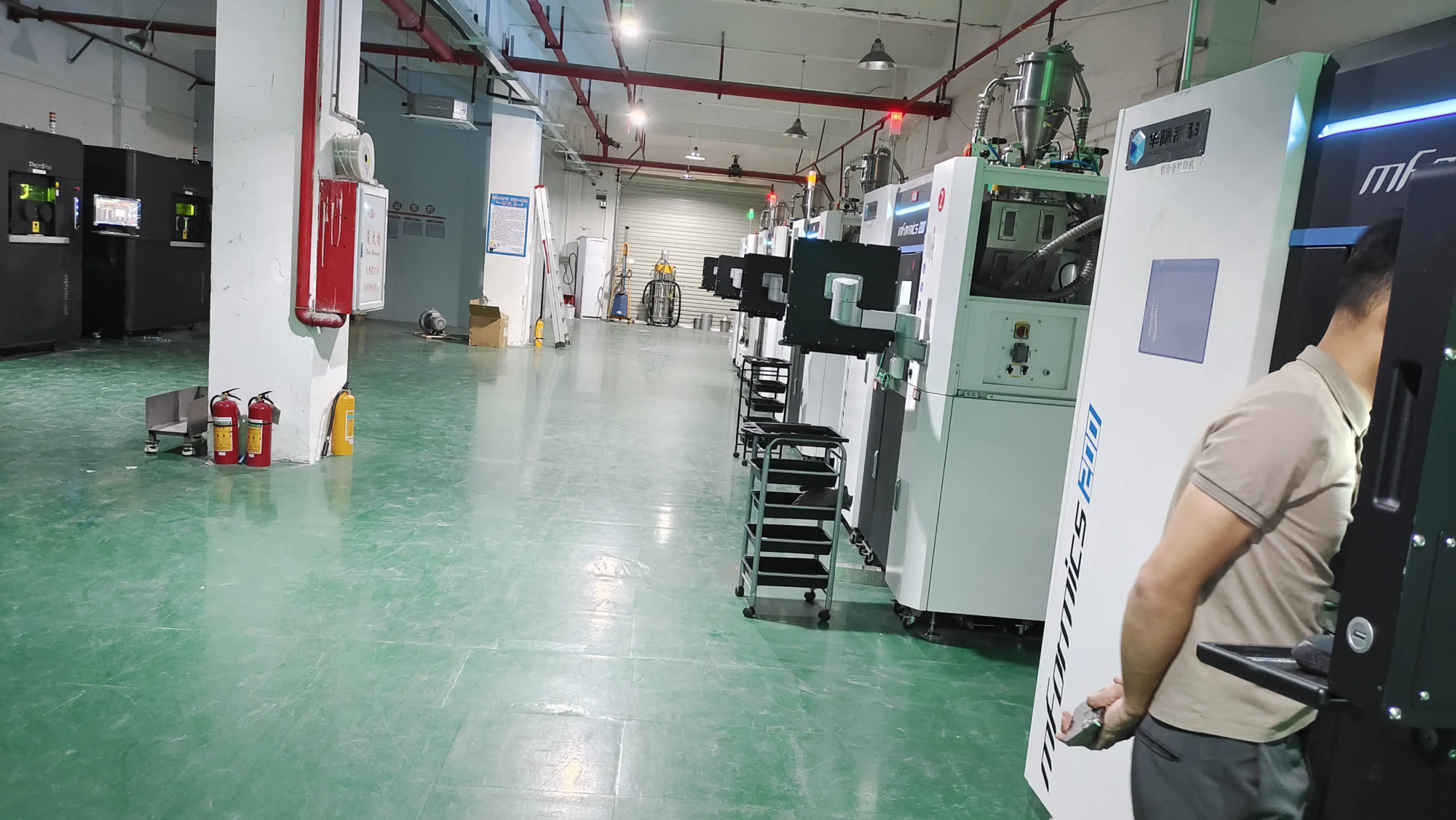
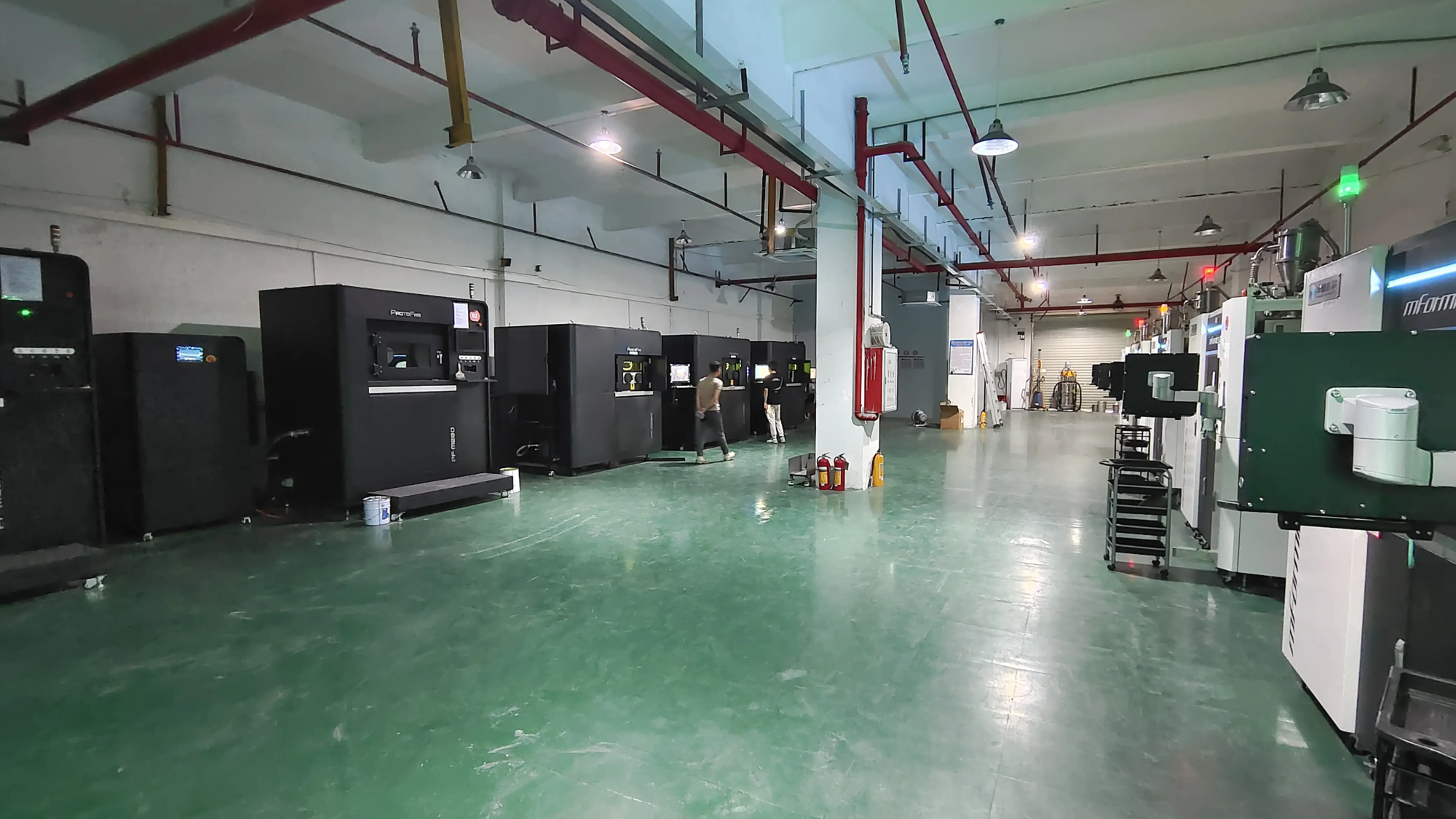
Advanced metal printing: Direct metal laser sintering (DML) with aircraft grade alloys (ALSI10MG, stainless steel 316L), 40-60% stronger than polymer alternatives. Greatlight’s SLM printers achieve near-solid density (>99.5%), eliminating the porosity problem that plagues the polymer layer. Surface treatments, such as bead blasting or CNC production post-treatment, can enhance fatigue resistance and dimensional fidelity.
-
High-performance polymers: For lightweight frames that mimic OEM counterparts, Greatlight uses PEEK or ULTEM™ materials using industrial SLS. These resins withstand temperatures over 180°C and exhibit tensile strength of >100 mPa – ideal for heat dissipation and recoil cycles. Post-treatment involves thermal annealing to relieve internal stress.
- quality assurance: Unlike the hobbyist workflow, industrial production includes:
- CT scan for space detection
- Coordinate measuring machine (CMM) tolerance verification
- Load test model to fault threshold
Case Study: Bridged Durability Gap
A recent Greatlight project involved optimizing the Glock 19 Gen3 framework design, optimized for licensed manufacturers in the United States. Using DMLS-printed titanium (TI6AL4V), engineers reduced weight by 15% while increasing the effect by 30%. The completion rate of the critical interface (slide, trigger pin hole) reaches an accuracy of ±0.05mm to ensure compatibility with standard components. The project highlights how professional AM solves the lifespan and precision inherent in DIY methods.
Conclusion: Innovation requires responsibility
The 3D-printed Glock 19 frames symbolize the potential of distributed manufacturing, but emphasize the unchanging truth: functions require strict engineering, safety requires professional execution, and legitimacy is basic. Desktop printing is enough to accommodate the model, but dangerously misleads the functional gun. Working with experienced providers, such as Greatlight, ensures compliance without compromising innovations, which can reliably perform well under pressure. Whether in ceramics, polymers or aviation metals, the future lies in bridging accessibility through mechanism quality control.
FAQ
1. Is the 3D printed Glock framework legal?
Legality varies by jurisdiction. In the United States, you possible Made personal use without permission, but cannot sell/distribute the framework or violate a specific state ban. According to the 2022 frame/receiver rules, serialization is required by the federal government. Always consult a lawyer who specializes in gun law.
2. How long does the 3D printing frame last?
On average, the desktop printed PLA frames are less than 100 rounds before they break. The professionally manufactured nylon-SLS frame lasts over 500 rounds; the metal DML frame can be maintained over 2,000 rounds with proper maintenance. Material selection, design and printing quality determine lifespan.
3. Can Greatlight print gun frames for customers?
Greglight provides quick prototyping Licensed entity Comply with ITAR/EAR regulations and other export controls. We need documentation that demonstrates the client’s legal authorization to manufacture gun components. Desktop amateurs seeking functional frameworks cannot be legally accommodated.
4. What is the strongest material for printing frames?
Metal alloys (tool steel, titanium) through DMLS have the highest strength-to-weight ratio and fatigue resistance. For polymer frames, flame resistance or snooping effects exceed standard wire by absorbing no rebound energy without layering.
5. How to ensure safety testing of prototypes?
Non-functional "Fake" The prototype was subjected to material stress analysis by FEA simulation and ISO 527 tensile test. Use a hydraulic test rig and high-speed camera to perform a remote feature evaluation to capture failed modes without real-time shooting.
At Greatlight, we transform engineering challenges into solutions. We specialize in SLM 3D printing and CNC post-processing, and we offer military grade metal/composite components – from functional prototypes to continuous production. Our DMLS workflow supports TI64, Inconel® and Custom Alloys, which is certified by AS9100 and ISO 13485 standards. The accuracy of working with us exceeded expectations. Safety. accurate. obey. Request a quote to start your project.