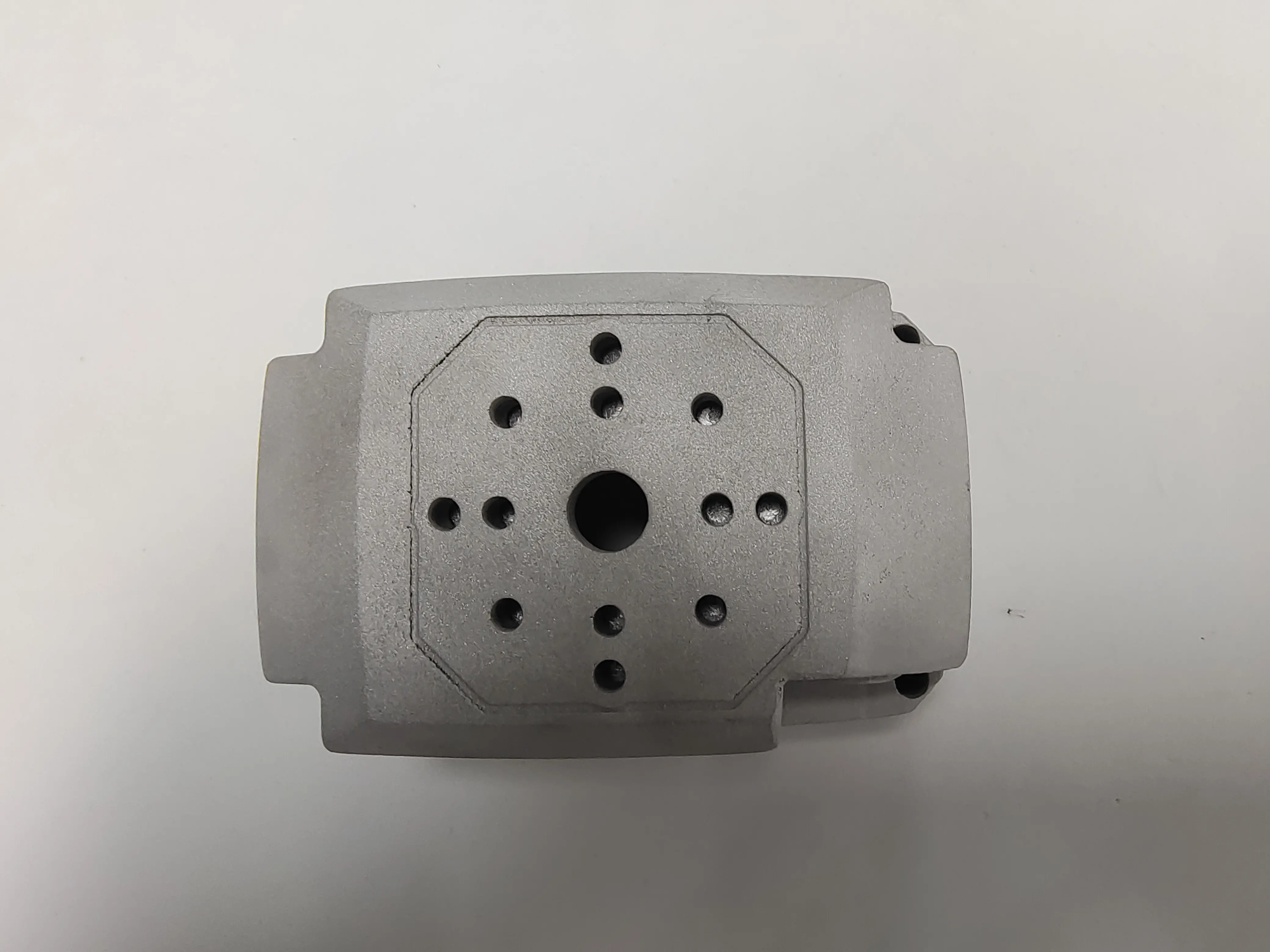
With the advent of 3D printing technology, the field of orthopedics has witnessed a major transformation. This innovative approach revolutionizes the way orthopedic implants, prosthetics and surgical models are designed, produced and personalized. 3D printing (also known as additive manufacturing) allows the creation of complex structures and custom designs that are impossible to produce through traditional manufacturing methods.
In orthopedics, 3D printing is used to create personalized implants such as hip and knee replacements that are tailored to the specific needs of each patient. This is achieved by using medical imaging techniques such as CT or MRI scans to create digital models of patient anatomy. The digital model is then used to design and 3D print a custom implant that exactly matches the patient’s bone structure.
One of the important advantages of 3D printing in orthopedics is the ability to create complex geometric shapes and porous structures that mimic natural bone tissue. This allows for better bone integration, a process by which bone cells attach to the implant, thereby promoting a stronger, more durable bond between the implant and surrounding bones. Additionally, 3D printing can create custom prosthetics, such as limb prosthesis, designed to fit the individual’s anatomy and needs.
Another application of 3D printing in orthopedics is the production of surgical models and guidelines. These models were created using medical imaging data from patients and were used by surgeons to plan and practice complex surgical procedures. It has been shown that using 3D printed surgical models can improve surgical outcomes, reduce surgical time and minimize the risk of complications.
In addition, 3D printing is used in orthopedic studies to develop new biomaterials and implants. Researchers are using 3D printing to create complex structures and geometric shapes that can be used to test the mechanical properties of new materials and implants. This has the potential to lead to the development of new and innovative orthopedic implants and treatments.
In terms of materials, 3D printing in orthopedics often uses metals such as titanium and cobalt chromium, as well as polymers and ceramics. The choice of material depends on the specific application and the desired properties of the implant or prosthesis.
Greglight is a professional rapid prototyping manufacturer and is at the forefront of 3D printing technology in orthopedics. With advanced SLM 3D printer equipment and production technology, Greatlight can solve complex metal parts rapid prototyping problems and provide one-stop post-processing and finishing services. Most materials can be quickly customized and processed, making the Plaza one of the best rapid prototype companies in China.
In short, 3D printing revolutionizes the orthopedic field by implementing personalized implants, prosthetics and surgical models. This technology has the potential to improve surgical outcomes, reduce surgical time and minimize the risk of complications. As technology continues to evolve, we can expect to see novel and innovative applications of 3D printing in orthopedics, thereby improving patient outcomes and quality of life.
FAQ:
Q: What is 3D printing in orthopedics?
A: 3D printing in orthopedics refers to the use of additive manufacturing technology to create personalized implants, prosthetics and surgical models for patients.
Q: What are the advantages of 3D printing in orthopedics?
A: The advantages of 3D printing in orthopedics include the ability to create complex geometric and porous structures, improved osseous integration, and customized designs that meet individual anatomy and needs.
Q: What materials are used in 3D printing for orthopedics?
A: Materials used in 3D printing in orthopedics include metals such as titanium and cobalt chromium, as well as polymers and ceramics.
Q: How to use 3D printing in orthopedic research?
A: 3D printing is used in orthopedic research to develop new biomaterials and implants and to test the mechanical properties of new materials and implants.
Q: What is the future of 3D printing in orthopedics?
A: The future of 3D printing in orthopedics is expected to involve the development of new and innovative applications such as personalized implants and prosthetics, as well as the use of 3D printing to improve surgical outcomes and patient quality of life.