Dreaming about my Iron Man suit? How 3D printing turns fantasy into (almost) reality
Iconic snapshots of repulsion, smooth whistling of the server, glittering red and gold armor used as parts – Tony Stark’s technique is more than just cinematic magic. For enthusiastic role-players, engineers and amateurs, 3D printing brings you the idea of making your fantasy My own Iron Man armor is within tangible range. But let’s be clear: Print a fully functional MK. XLIII didn’t pop up to the corner store. It’s an ambitious, complex but incredible project that relies on state-of-the-art manufacturing capabilities. This guide delves into the reality of 3D printed Iron Man armor, highlighting the critical stages, and why expertise, especially for metal components, will all be different.
Phase 1: Visual and Virtual Blueprints – Lay the Foundation
- Conceptualization and Realism: Cruel and honest. Are you trying to target a realistic, effective display piece? Wearable suits in the walking hall? Or push boundaries toward integrated electronics and props? Your goals determine the material, complexity, budget and timeline. A complete, practical flight suit? Keep Your Repulser – We focus on achievable stunning replica builds.
- Digital Crucible: Find and prepare files: There are countless Iron Man armor models (MK III, MK VII, etc.) in repositories such as Thingiverse, myminifactory, or grabcad. Crucial: Verify the permission! Many people can use it for free, but selling printed suits from fan models is morally and legally vague. Consider custom design for unique prototypes.
- Preparing for Art: Success Slice: The original 3D model must be "slice" Instructions for entering the printer (G code). It’s not just pushing a button. Optimizing directions to minimize support (critical for complex curves), surface treatments with layer height dialing for speed, and ensuring structural integrity between individual components requires experimental and slicer mastery (Cura, Prusaslicer). This stage significantly affects printing success and post-processing efforts.
Phase 2: Building Part 1 – Plastics for Prototyping and Wearing
- FDM/FFF Printing (Tool for Home Lovers):
- Material: PLA (simple, cheap, good detail, brittle), PETG (sturdy, more flexible, heat resistant), ABS/ASA (more durable, requires a shell, slightly bent). ASA is often favored for its UV resistance to wear outdoors.
- advantage: Accessible, low-cost hardware, ideal for iterative designs as well as smaller, smaller structured parts such as panels, gloves or under-clothing details.
- shortcoming: The layered lines are prominent, the post-treatment is extensive (sanded, filled), and the overall suit can be bulky and surprisingly plastic. The structural integrity limitations of large combinations or articulated joints under pressure. Slow speed of large components.
- Resin Printing (SLA/DLP-For Unparalleled Details):
- Material: Hard or flexible resins have better influence than standard resins. Engineered resins mimic ABS-like properties.
- advantage: Special surface details, smooth finish with minimal layered lines, are perfect for helmets, complex panel lines and small, complex components.
- shortcoming: Needs to be consolidated and meticulously cleaned. Parts are usually more brittle than FDM, especially standard resins. The print volume is usually smaller and requires more assembly. Long-term contact/wear of the resin may be less comfortable.
Stage 3: Building Part 2 – Elevating to Metal: To achieve the final finish and strength
This is where real screens are accurate, durable and dreamy "Stark Industry"- Massive armor acceleration. While printing a whole suit with metal is usually good and often unnecessary, choose strategically Key Components For metal manufacturing, the entire project can be greatly improved:
- Why put on armor?
- Unparalleled aesthetic: Authentic metallic luster and weight. Plastic never really replicates the look of brushed or polished titanium or aluminum.
- Superior durability: Metal components (helmets, chest reactors, critical joints, repulsive shells) withstand treatment, with less impact and long-term wear far better than the strongest plastics.
- Heat dissipation: It is crucial to integrate high-power LEDs, mini electronics or realistic prop effects without warping plastic.
- Accuracy and complexity: SLM printing and solid housing achieve an incredibly complex internal structure (lattice) while traditional machining is impossible while losing weight.
- Professional Edge: Metal 3D Printing Service (SLM/DML):
- process: Selective laser melting (SLM) or direct metal laser sintering (DML) uses high-power lasers to accurately fuse fine metal powder layers. This is Greglight’s core expertise.
- Materials expertise issues: Not all metals are equal.
- Aluminum alloy (ALSI10MG): Lightweight, strong, excellent strength to weight ratio, good surface effect. Ideal for most armored components and aerospace prototypes.
- Titanium alloy (TI6AL4V): Strength, light (lighter than steel), biocompatible (fitable to wearable devices) and That Excellent feel. Price premium, but unparalleled.
- Stainless Steel (316 liters, 17-4ph): Highly durable, corrosion resistant, heavier than Al/Ti, useful for structural joints or internal fixtures.
- Why DIY metal printing is not feasible (not yet): Industrial grade SLM/DMLS machines require hundreds of thousands, requiring inert gas environments, expert powder handling, strict calibration and extensive safety protocols. Rental this feature through a service like Greatlight is the only practical way to quality results. They use advanced SLM 3D Printer And specifically solves challenging production technologies Problems with rapid production of metal parts.
Phase 4: Assembly, Finish and bring it to life
- Post-processing: Greatlight Excearls: The original print is not ready for the comics. Looking forward to meticulous work:
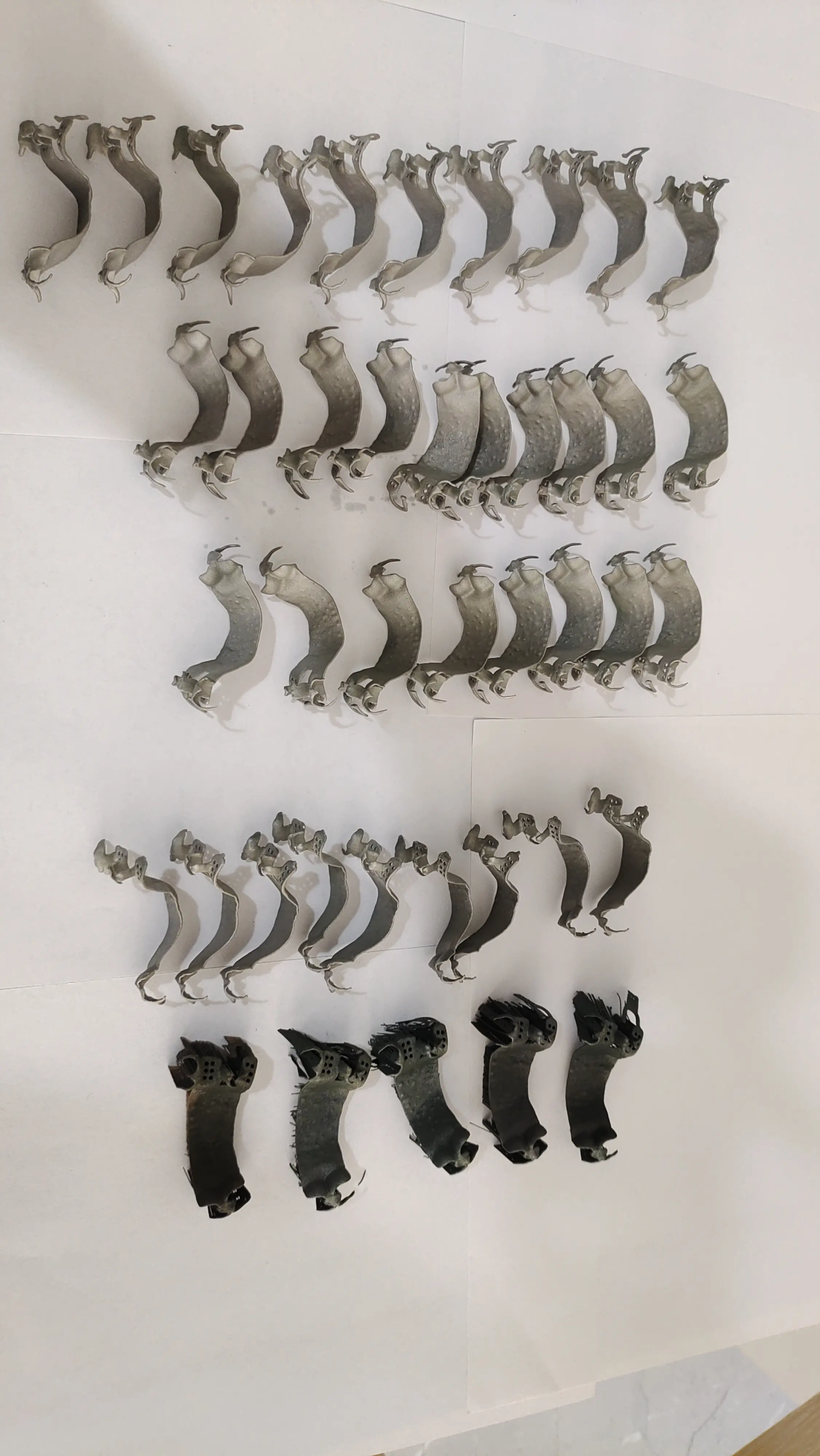
- Support removal: SLM parts require careful removal of complex internal support.
- Surface Improvements: Bead blasting, CNC processing of key interfaces, and meticulous hand-polishing.
- Heat treatment (metal): Stress relief or aging to achieve optimal material properties.
- Ultimate finish: Polish, CNC engraving/demolition details, professional painting (primer, base coat, classic red/gold candy colors, weathered). Greatlight highlights it One-stop post-processing and completion serviceThis is crucial for getting ready or competitive winning appearance on metal components. Most materials can be customized and processed – Key advantages over passive service providers.
- Utilizing Grid: Electronics and Pronunciation: Plan the panel or servo motor that articulates fingers, wire harnesses for LEDs (arc reactors, eyes, drivers), cooling fans, sound modules and power systems. Seal the assembly before rigorous testing! Metal shells greatly help the thermal management of electronic products.
- Final suit: Design a robust internal seat belt system. Comfort and weight distribution are crucial. Metal components require strategic placement to avoid excessive burden on the wearer. Filling is essential.
Conclusion: Suitable – From Passion to Prototype
3D printing of Iron Man armor is a huge undertaking that combines art, engineering and perseverance. Passionate people have achieved amazing results with desktop plastic printers, but embrace professionals Rapid prototyping The feature unlocks new dimensions. For key components that require peak aesthetics, saving weight, strength and lifespan, the essence of Stark Tech – Metal 3D printing, especially SLM/DML, is unparalleled.
Here, working with highly skilled and technically capable high-tech manufacturers is not only useful, but often essential. GREMPLING represents the leading capabilities from China’s rapid prototype companiescope with complexes Custom precision machining Positive challenge. With expertise in advanced metal printing and integrated finishes, they transform complex digital designs into tangible, high-performance pieces worthy of the Armored Hall.
Whether you’re pursuing plastic, resin, risking metal or creating hybrid masterpieces, the journey of bringing Iron Man’s vision to life is an incredible achievement. Embrace the challenge, leverage its counting expertise and step into the armor you build.
FAQ: Your Iron Man Print Questions, Answers
-
Q: How much does it cost to 3D print a complete steel set?
- one: Costs vary greatly. The PLA FDM set only costs $300-$1000 or more silk. Resin costs much higher. Adding high-quality SLM metal components from a strategically adds this to a great extent (hundreds to thousands of dollars per component depending on size/complexity). All suitable? For high-fidelity, wearable versions, including materials, prototype iterations, hardware, electronics, finishes and labor, easy $5000-$20,000+. Metal heavy-duty suits have been upgraded.
-
Q: How long does it take?
- one: Even if you keep printing, plastic printing requires dozens of individual parts. Inevitably failed. Preparation, sanding, filling, finishing and assembly can easily double the time. Professional metal printing reduces printing time Each section It is worth noting that the upcoming surface is provided, but there is a lead time. For a dedicated individual/team, a complete project usually takes 6 months to over a year.
-
Q: Can I legally sell prints based on Marvel’s Iron Man design?
- one: This is the legally complex basis. Printing for personal non-commercial use falls under the grey area that is usually tolerated by the rights holder. Direct selling of litigation replicas directly based on Marvel’s copyrighted design poses significant legal risks. Create basic modifications "Inspired" Designing or obtaining a license is an appropriate (but difficult) path to commercial sales. Greatlight’s focus is on providing custom prototype manufacturing services for individuals and businesses, assuming that customers address IP licensing on their designs.
-
Q: PLA vs. PETG vs. Resin vs. Metals: What is the best in each part?
- one:
- PLA: Details do not bear pressure, prototype iteration.
- petg/abs/so: The main panel (thighs, calfs, biceps, some torso parts) requires better durability than the PLA.
- Resin: Helmet (ideal size), intricate gloves, detailed chest needs a smooth surface.
- Metal (SLM/DML): Helmet (advanced feeling/dissipation), chest arc reactor, detailed drive, elbow/knee/pronunciation points require high intensity (especially gear drive), backpack details. Prioritize visibility and structural contact points.
- one:
- Q: Do professional services like Greatlight really need a project like this?
- Answer: Is it necessary? For plastics/resin, if you have time/space/skills, it may not. Is it crucial to be beneficial? It is undeniable, especially for metals and finishing.
- For metals: Basic. Get industrial-grade SLM/DMLS technology and materials science expertise.
- Expertise: Solve warpage, porosity, support strategies, optimized design (DFAM).
- For post-processing: Realizing mirror polishing, precise processing of interfaces, perfect painting and weathering requires industrial tools and skills.
- Speed and reliability: Quickly prototyping parts now at the best prices Utilize its production capacity to bypass months of DIY printing frustration and potential failures. Especially for complex metal segments, their capabilities Quickly process most materials And provide One-stop solution Simplify the entire ambitious project. For only the best elements, A professional fast prototype partner is essential.
Ready to ignite your supersuit project? The journey from schematic to adapt starts with the vision, and with the right partners to make it a reality. Suit; the future is prototype!