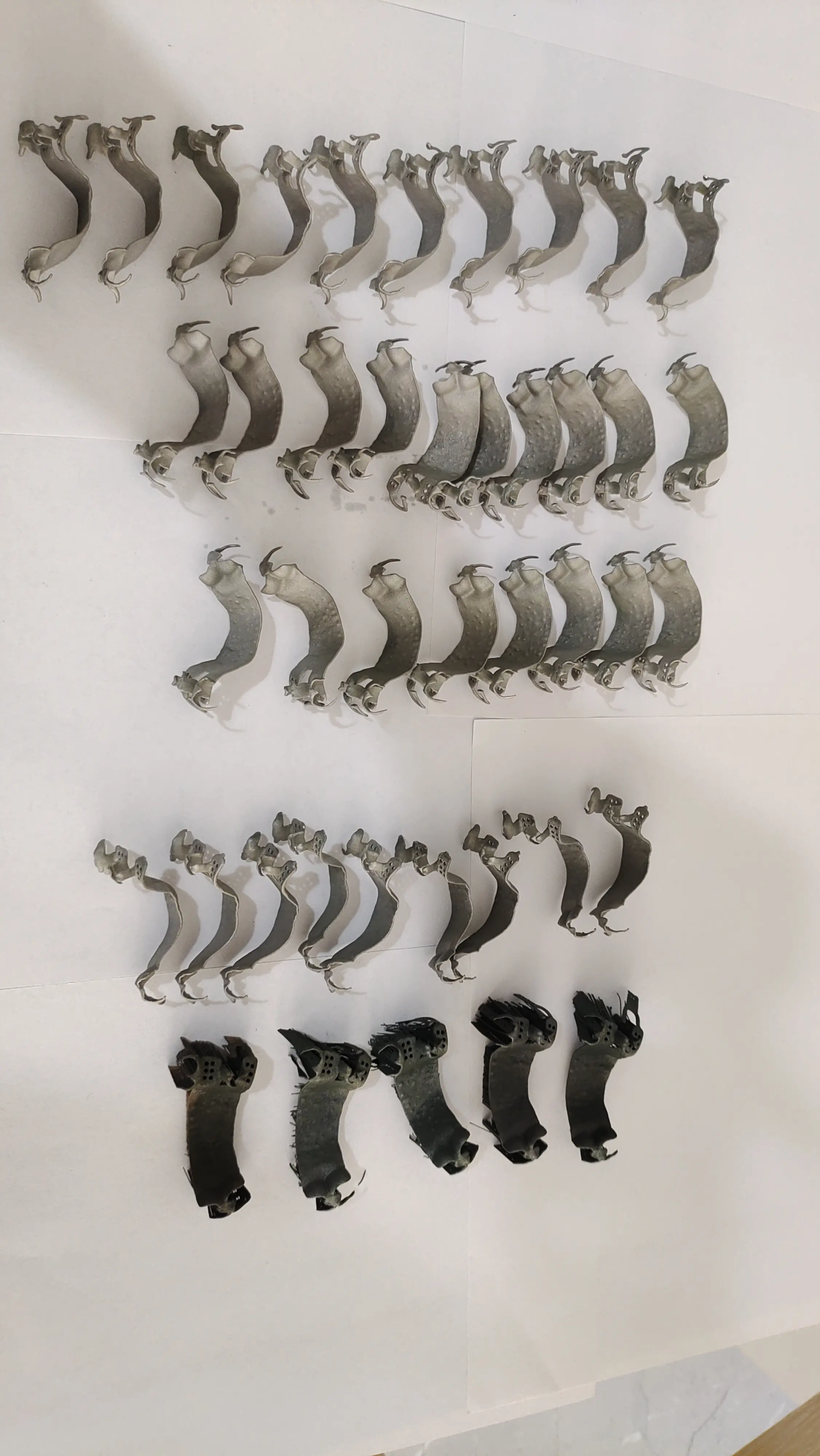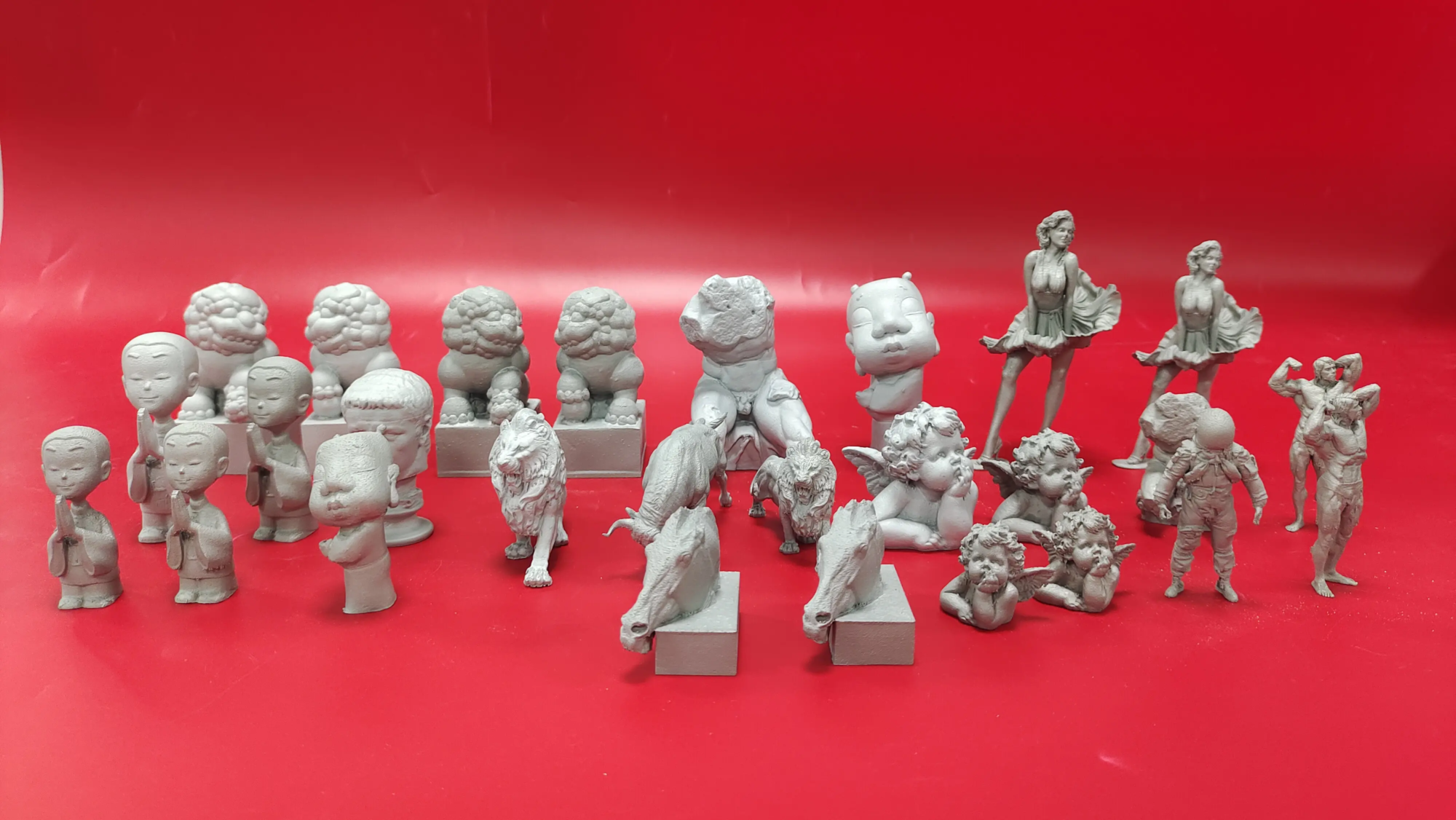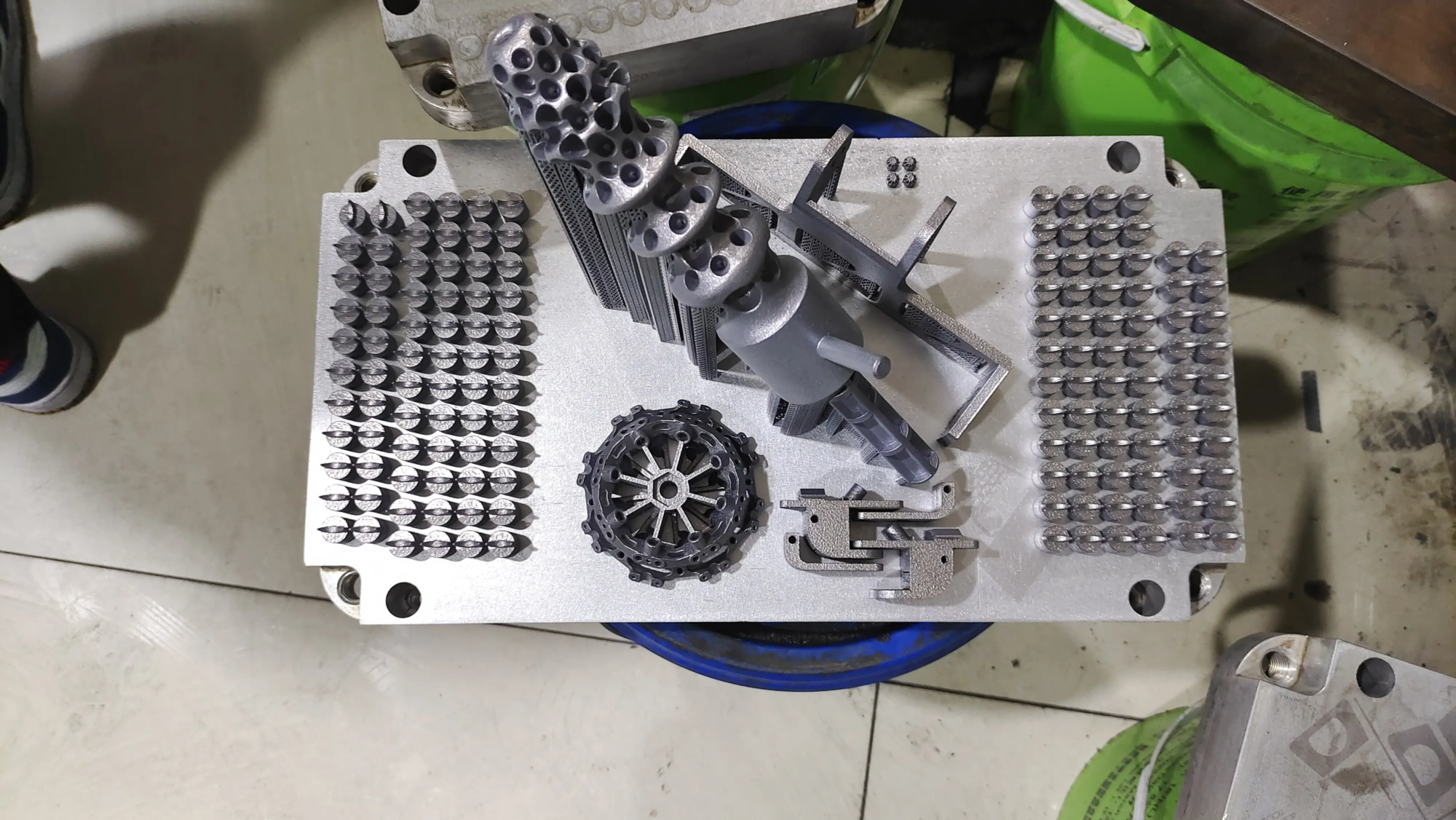
The Complexity of 3D Printing Karambit Designs: Your Final Guide
Karambit is a unique curved blade derived from Southeast Asia that has attracted enthusiasts for hundreds of years. With the rise of 3D printing technology, creating custom karambit designs has become easier to access than ever before. This guide delves into the complexity of design, material selection and production, especially when 3D printing with professional grade metals.
Why 3D printing a karambit?
3D printing offers unprecedented advantages:
- Custom: Tailored ergonomics, blade curvature and aesthetics are tailored to your exact preferences.
- Complex geometric shapes: With traditional methods, it is impossible to achieve complex handle textures, loom patterns or embedded logos.
- Rapid prototyping: Quickly test and iterate designs before committing to expensive metal manufacturing.
- Training and replicas: Safely create non-functional coaches for martial arts practices or detailed replicas.
Key design considerations
Designing functional 3D printed karambit requires engineering accuracy:
-
Ergonomics and Safety:
- Finger Ring: It must be fit firmly, but it can be released quickly. Optimize diameter and thickness.
- Handle profile: Match the rib/grooved texture with manual anatomy for sliding resistance.
- Blade to handle balance: Prevent excessive progress to improve control.
-
Structural integrity:
- Avoid sharp inner corners when metal fatigue begins.
- Strengthen stress points, such as round junctions.
- Optimized wall thickness (plastic ≥2mm; metal ≥1.5mm).
-
Blade geometry:
- Curvature (radius): 5–8 cm provides a balance of hook efficiency and control.
- Edge angle: 20°–30° per side, without sacrificing clarity.
- Tang Expansion: Make sure the blade Don extends into the handle to reduce snapshot risk.
- Printing direction:
- Print the blade to maximize strength along the edge.
- Avoid supporting critical bearing surfaces to minimize after-treatment.
Material selection: Plastics and metals
Plastics (PLA, PETG, Nylon):
- Ideal for prototypes, coaches or decorative pieces.
- PETG/nylon has moderate flexibility and impact resistance.
- Avoid using features – Plastics cannot maintain durable edges.
Metal (stainless steel, titanium, aluminum):
- The necessary conditions for functional blades require strength and edge retention.
- Stainless steel (17-4 pH or 316L): Corrosion resistant and hard.
- Titanium (TI-6AL-4V): Lightweight and high strength, perfect for aviation-grade parts.
- Aluminum (ALSI10MG): Lightweight with good thermal properties.
For functional karambits, Metal 3D Printing – Specific Selective Laser Melting (SLM) – Not Negotiable. SLM fuses the metal powder layer by layer with the laser to form completely dense parts that match or exceed the forged material.
The Process: How Greatlight Improves Metal Karambit Production
Implementing functional metal karambit requires expertise beyond desktop printing. This is Greglight’s professional rapid prototyping service Excel:
-
SLM 3D Printing:
- High-precision printers create near mesh parts with complex internal geometry.
- These are the parameters of the material density calibration process (laser power, scanning speed).
-
Key post-processing:
- Stress relief: The heat treatment eliminates residual stress.
- Surface finish: CNC machining, for blade sharpening, polishing or bead blasting.
- Anodizing/coating: Add corrosion resistance or color (such as titanium anodization).
- Quality verification:
- Check the dimensional accuracy through CMM (coordinate measuring machine).
- For non-destructive testing of porosity or microcracks (X-rays).
Greglight Lover of SLM technology and a complete set of post-processing capabilities to deliver Karambit for precise design with structural reliabilityhandles everything from design optimization to surface finishes.
Safety, legality and moral notes
- Functional warning: Only metal SLM printed karambits should be considered functional – plastic variants are used for display/training.
- Legal restrictions: Blade legality varies by jurisdiction. Study local laws regarding ownership, clarity and portability.
- Stress test: Never use 3D printed karambit for heavy tasks (e.g., pry, throw). Regular integrity checks are crucial.
in conclusion
3D printing revolutionized Karambit’s design by blending hundreds of years of aesthetics with modern engineering. Although plastic is sufficient to implement a non-functional model, Professional metal SLM printing is essential for durable, sharp blades. Greatlight’s expertise in rapid prototyping and metal additive manufacturing, from printing to finishing, can prove that your custom Karambit meets the highest standards of safety and performance. Explore the synergy between ancestor design and tomorrow’s technology through truly personalized creations.
FAQ (FAQ)
Q1: Can I legally print a karambit?
A: The law varies from country to state to country on a global scale. Plastic display models are usually not restricted. For sharpened metal blades, regulations may be strict. Always verify local laws.
Q2: Can PLA/ be used as blade material?
A: PLA or other plastics lack the required impact resistance and edge retention. Use them only for coaching or decorative pieces.
Q3: How clear is 3D printed metal karambit?
A: Using professional post-treatment (CNC Edge grinding/polishing), SLM-printed steel or titanium can achieve a razor edge comparable to a commercial blade.
Q4: Which software should I use to design karambit?
A: CAD tools like Fusion 360, Solidworks or Blender are ideal. Make sure the design includes proper radius and unsupported overhang.
Q5: Is SLM better than traditional manufacturing?
A: When printing/post-processing is correct, the SLM parts are close to the strength of the forged metal. Properties such as fatigue resistance can even outweigh conventional methods in lightweight structures.
Question 6: Can Greatlight print a karambit through my own design?
A: Yes. Greatlight accepts customized CAD files, provides design verification, material consultation (steel/titanium/aluminum), printing and global printing services.
Optimize your Karambit project with precision engineering
Leverage Greatlight’s industrial SLM printers, material expertise and end-to-end finishes to balance artistic with uncompromising features. Get a quote for custom metal karambit now and redefine the quick prototype.