Leverage innovation: The transformational potential of 3D-printed lighter box design
Omnipresent lighter – an ignition tool found in pockets, kitchens, workspaces, and other areas. Although its function is fundamental, its form is often limited by the limitations of traditional manufacturing. Input additive manufacturing, commonly known as 3D printing. This technology is rapidly changing the landscape, offering unprecedented design freedom to create lighter cases that were previously impossible or too expensive. In addition to simple novelty, 3D printing unlocks true functionality and innovative solutions, especially using advanced metal printing technologies such as selective laser melting (SLM).
Beyond Plastics: Metal 3D printing functions for lighter boxes
While desktop FDM printers using plastics like PLA or ABS provide a portal for amateurs to custom lighter sleeves or decor holders, FunctionHigh performance and truly integrated lighter cases require industrial-grade solutions. This is where metal 3D printing provides essential properties for demanding applications:
-
Unrivaled design freedom and complexity: SLM technology builds parts layer by layer from fine metal powder fused by high power lasers. This eliminates the limitations of processing or molding. Imagine:
- Complex internal channels: Precise routing path integration Within The outer wall of the fuel tank or gasoline line greatly simplifies the components and eliminates bulky external ducts.
- Complex lattice structure: Surprisingly powerful but lightweight internal support or areas that absorb impact, reducing weight without sacrificing durability.
- Perfect Ergonomics: The box is seamlessly molded into a human hand shape, combining subtle contours and grip patterns that cannot be processed from solid blanks.
- Integrated features: Integrate multiple parts such as flint housing, valve cover or mounting bracket into one powerful 3D printed assembly. This reduces assembly time, potential points of failure (leakage!) and overall volume.
-
Excellent material properties: Metal 3D printing utilizes high-performance alloys that exceed ordinary lighter materials:
- High-strength aluminum alloy (ALSI10MG, ScalMalloy): Offering excellent strength to weight ratio and excellent corrosion resistance, it is perfect for durable but lightweight everyday carry or specializing in lighter boxes. They bear much better drops and effects than typical die-cast zinc.
- Stainless steel (316L, 17-4 pH): Provides excellent corrosion resistance and durability, ideal for applications that require toughness, chemical resistance (to lighter liquids) or sterilization (for example, medical or laboratory environments). 17-4 pH provides high strength and hardness after heat treatment.
- Titanium alloy (TI64-5th grade): Lightweight strength and biocompatibility peak, albeit more expensive. Provides excellent resistance to corrosion and high temperatures.
-
Rapid prototyping and mass customization: This is perhaps the most compelling advantage from a design and manufacturing perspective.
- Lightning Iteration: Engineers can design, print, test and perfect the functional prototype of metal in days rather than weeks or months. This has accelerated the innovation cycle drastically, allowing companies to explore radical new concepts without large-scale tool investments.
- Real customization: Lighter cases are easily tailored for specific brands, limited editions, personalized ergonomics or professional use cases (e.g., extreme environments, unique ignition mechanisms). Small batches become economically feasible.
- Production on demand: Manufacture lighters accurately when needed to reduce warehousing costs and inventory risks for manufacturers focusing on custom or niche markets.
- Optimized performance:
- lose weight: Advanced topology optimization algorithms can only remove unnecessary materials where the structure is feasible during design. Metal 3D printing then perfectly realized these effective shapes, which were significantly lighter than solid machining equivalents without damaging strength.
- Thermal regulation: Strategically designed cavity or thin walls can be designed as deep grooves to act as radiators, improving user comfort and protecting internal components during ongoing use.
- Enhanced airflow: The smooth, optimized internal pathway in the printed structure can lead to a more consistent, reliable fuel delivery of gas lighters.
Digital workflows and critical post-processing for industrial quality
Create a durable metal lighter case, not just print “print”. A detailed process involved:
- Advanced CAD design: Expertise in designing Additive Manufacturing (DFAM) is crucial. Engineers must optimize overhangs, minimize support, calculate thermal stress, and define critical tolerances on mating surfaces.
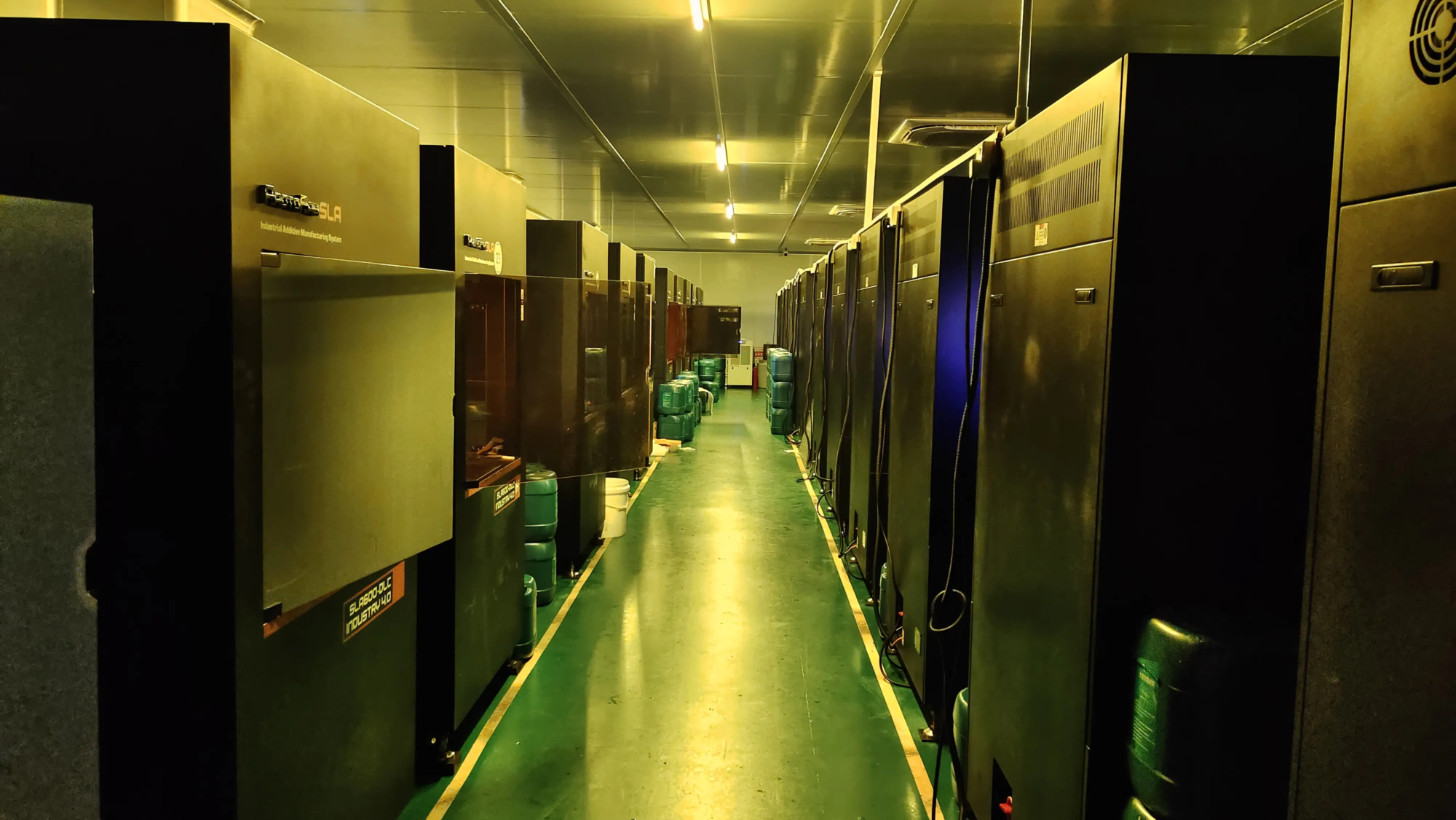
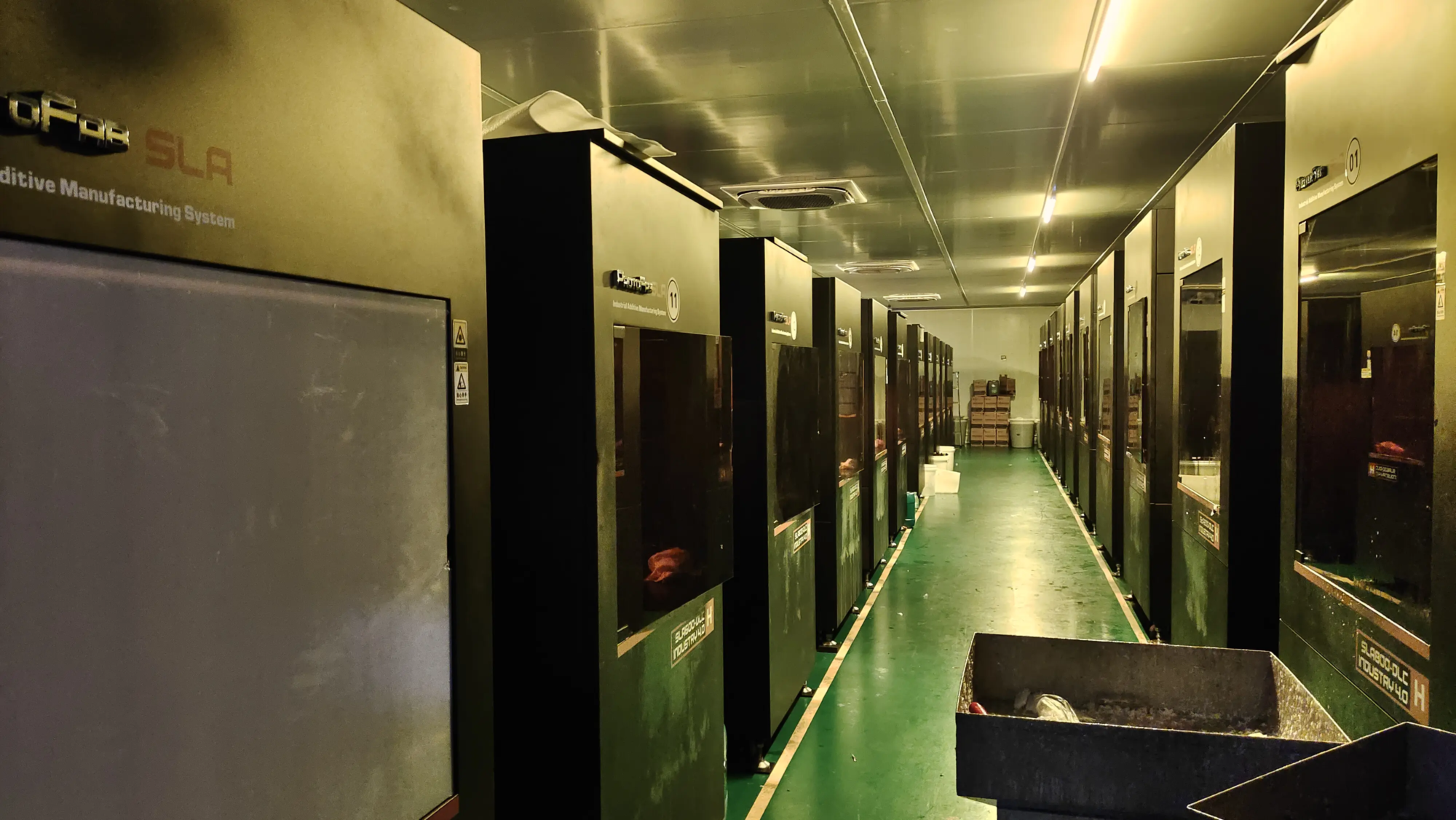
- Industrial grade metal printing (SLM/metal PBF): Use a machine capable of precise laser melting under controlled inert atmosphere. The thickness of the layer ranges from 20-100 microns, allowing for details and smooth surfaces to be presented when needed. This requires sophisticated equipment and expertise, e.g. Great supply.
- Essential post-processing: Original, unsupported prints are just the beginning. To achieve functionality, aesthetic parts require:
- Support removal: Carefully remove the sacrificial support structures required during the printing process, especially around complex features such as hinges or internal channels.
- Heat treatment: Crucial for stress relief, for certain alloys (e.g. 17-4 pH), it is crucial to achieve the specified hardness and mechanical properties.
- Surface finish: Options range from basic sandblasting of uniform matte finishes to precise machining of critical sealing surfaces, mirror polishing for aesthetics, or for burrs and smooth vibrating finishes. Media blasting also helps improve surface integrity.
- seal: For fuel-containing applications, specific internal surfaces may require special sealing treatment to ensure air density.
- Quality Control: Strict inspections are performed using CMM, visual inspections and potential pressure/leak testing (for fuel conditions) to ensure that the parts meet strict functional specifications.
Real-world application: Where innovation ignites
The shell of 3D printed metal lighters goes beyond concept to tangible use:
- Premium and luxury lighters: Customized, well-designed high-end brand cases that offer unique aesthetics, personalized prints integrated in printing, and high-quality materials.
- Professional tools: Windproof torch lighters are integrated into robust cases for outdoor activities, welding, cooking use or laboratory applications. The internal fuel system can be optimized for a specific flame type.
- Industry and professionals: Cases of durable, chemical resistance to safety equipment, specialized repair tools or controlled environments.
- Prototypes and niche production: Rapidly iterate and produce functional prototypes or limited only design startups or specialist market lighters without investing in expensive injection molds.
Why metal 3D printing services such as Greatlight are key
Successfully leveraging this technology requires more than just hardware. It requires expertise:
- Materials Science: Select the best alloy for strength, weight, corrosion and function (fuel compatibility).
- Advanced design and simulation: Utilize DFAM principles and structural/thermal simulation to predict and avoid printing defects and ensure performance.
- Process optimization: Accurately calibrate SLM machines for specific alloys and geometries to ensure density, surface quality and dimensional accuracy.
- Comprehensive post-processing: Provides the entire finish and treatment options required for functional high-quality parts.
- Industrial quality assurance: Deliver parts that meet strict mechanical and functional specifications.
For such applications, industrial partners like Greatwith advanced SLM 3D printers and deep-rooted production technology expertise, becomes priceless. They professionally address the challenges of rapid prototyping of metal parts, providing one-stop post-processing and finishing services. Most materials can be quickly customized and processed so that Great Leading solutions for customizing precision machining from rapid prototyping in China.
in conclusion:
3D printing, especially through SLM’s metal additive manufacturing, is revolutionizing lighter shell design and production. It goes beyond the limitations of traditional approaches, achieving groundbreaking levels of complexity, customization, weight reduction and functional integration. From ergonomic wonders of rapid prototypes to custom-made units for demanding applications, the potential is huge. From the CAD model to the completion journey, the lighter box involves sophisticated design, precise printing and meticulous post-processing, which will unlock innovations that were previously unavailable. As technology advances and becomes increasingly accessible (especially through expert service providers), we can expect to see lighter designs that are not only tools for ignition, but also feats of engineering creativity and personalized expression. For those looking to pioneer the next generation of lighters, metal 3D printing is the spark that can turn concepts into state-of-the-art reality.
FAQ: 3D printed lighter case
-
Q1: Can I really make one Function 3D printing lighter boxes?
A1: Absolutely, use industrial metal 3D printing (such as SLM). For professional applications, using high-strength alloys (aluminum, stainless steel, titanium) and complex design features, functionality, durability and gas density cases, including integrated fuel systems, is entirely possible for professional applications. Tabletop plastic printing is usually used only as a decorative stand or sleeve.
-
Q2: Is 3D printing cost-effective for lighter cases?
A2: It depends. for Simple quality production of standard lighterstraditional injection molding is usually cheaper Each unit. However, 3D printing is in:
- Rapid prototyping: The cost and time of iterative design testing is greatly reduced.
- Low volume and custom production: Eliminate expensive tools (molds) to make custom designs, limited editions or professional parts economical.
- Complex geometric shapes: Creating complex internal functions can be impossible or expensive for a machine/mold.
-
Q3: What is the strongest material for a lighter box with metal 3D printing?
A3: Excellent options include:
- Stainless Steel 316L: Excellent corrosion resistance, good strength, widely used.
- Stainless steel 17-4 pH: After heat treatment, very high strength and hardness can be achieved, and corrosion resistance is good.
- Aluminum dissolution (e.g., Alsi10mg, ScalMalloy): Excellent strength to weight ratio, good thermal characteristics.
- Titanium alloy (TI6AL4V): First-class strength to weight, excellent corrosion resistance and biocompatibility (at a high price cost). Material selection depends on the required strength, weight, corrosion resistance and budget.
-
Q4: How durable is 3D printed metal boxes compared to traditional 3D printed metal boxes?
A4: If the SLM is correctly printed from high-quality alloys and has been properly post-treated (including potential heat treatment), the durability can be Equal to or exceed or exceed A traditionally made counterpart (cast zinc, processed blank). Layer-by-layer properties mean that anisotropy (with different intensity in different construction directions) needs to be designed in mind, but modern processes minimize it. Proper design and handling produces very robust parts.
-
Q5: Are there any safety issues in 3D printing lighter cases?
A5: Safety is crucial:
- Metal selection: Must be compatible with lighters and may resist fuel corrosion and high temperatures.
- Pressure control: If used in integrated fuel reservoirs (less common in consumer lighters), strict design, printing, stress testing and sealing must be used. This is usually handled professionally.
- Material Purity/Quality: Use only powders from well-known suppliers treated in controlled environments to ensure substance integrity.
- Design Verification: Parts, especially those containing pressurized fuel, require thorough testing and safety verification. Consult experts and comply with relevant regulations.
- (Disclaimer: Lighters with flammable fuels are subject to significant legal and safety responsibilities. Always exercise caution and ensure compliance.)
-
Q6: How to compare surface surfaces? Does it look as smooth as a traditional lighter?
A6: The close-range part has a layering process and a slightly textured granular surface of the powder. However, Comprehensive post-processing enables a very smooth finish:
- Processing: Critical sealing surfaces or external faces can be processed into high polishes.
- polishing: Mechanical or chemical polishing can achieve mirror-like finishes.
- Media explosion: Creates an even matte/satin finish and can improve fatigue life.
- Special finish: Paints such as DLC (diamond-like carbon), PVD color or professional paint can be used. Achieving high appearance quality requires a budget for these completion steps.
-
Q7: Can 3D printing replicate complex designs such as logos or patterns?
A7: Yes, that’s a major advantage. SLM can capture incredible details directly during the printing process – think of complex prints, lattices, textures, logos or geometric patterns that will be challenging or impossible to process, etch or cast effectively. Post-processing like shading can enhance these features.
- Question 8: I have a unique lighter design concept. How do I get started?
A8: Work with experienced Metal Services Agency.
- consult: Discuss your functional requirements, aesthetics, materials and budget.
- design: Work with engineers familiar with DFAM principles to optimize your model for successful printing. They can assist with CAD.
- prototype: Iterate with functional metal prototypes.
- Finalized with agricultural products: Define post-processing/complete and perform final production based on tests.
- test: Ensure safety and performance standards are met.
(Remember, consult the service provider directly to provide precise features, material options and project quotes.)