Unlocking Creativity: The Final Guide to 3D Printing Littlest Pet Shop (LPS) Toys
Remember the joy of unpacking new pets? This thrill is getting a futuristic upgrade thanks to the magic of 3D printing. For collectors, enthusiasts and creative thinking, 3D printing is a possibility that far exceeds the original LPS lineup. This guide delves into the world of custom 3D printed LPS toys – from design inception to final polish – to explore how advanced manufacturing can transform plastic particles into unique companions.
Why 3D Printing Revolutionary LPS Toys:
Traditional LPS toys are produced on a large scale, limiting availability and diversity. 3D printing breaks these boundaries. Imagine making pets modeled with your actual cat, creating dream creatures that are only seen in your imagination, or completely copying rare, discontinued LPS characters that could not have been expensive. This technology gives custom functionality at unprecedented levels – personalized sizes, postures, accessories and even breeding combinations. Designers can quickly prototype new concepts, collectors can get super rare "one" .
The journey of 3D printed record pets: from pixels to physics
-
Conceptualization and design:
- Find or create a model: Adventure begins with 3D models. you can:
- Source existing files: Platforms like Thingiverse, Cults3D, or myminifactory will usually host LPS-inspired or compatible models (make sure the license allows printing).
- Digitalize existing pets: Use photogrammetry (taking multiple photos processed by the software) or 3D scans to create a digital copy of your beloved real pet or existing LPS toy.
- The master’s new work: Use CAD software (such as a beginner’s Tinkercad, agitator or a Zbrush advanced user) to design completely original PET concepts, accessories or drama episodes. This is where the true uniqueness shines.
- Find or create a model: Adventure begins with 3D models. you can:
-
Model preparation (slicing):
- The selected 3D model file (usually in STL or OBJ format) is imported into slice Software (e.g. Cura, Prusaslicer).
- Here, key parameters are set: proportion, orientation (for optimal printing), layer height (determining resolution/smoothness), fill density (internal structural strength vs. material use) and support (essential for overhanging parts such as tail or ears.
- The slicer converts a 3D model into hundreds or thousands of horizontal layers (G-code) that the printer can understand.
-
Select technology and materials:
- FDM/FFF (Fusion Deposition Modeling): The most common and accessible desktop method. Plastic filaments (PLA, ABS, PETG) melted and deposited layer by layer. Advantages: Affordable printer, a wide range of material choices (including bright colors). Disadvantages: Visible layer pipelines usually require a lot of post-processing to obtain a smooth LPS finish; lower than other methods. Best for: Prototyping, larger accessories, durable game set elements.
- Resin (SLA/DLP/LCD): Use liquid photopolymer resin (laser in SLA, screen in projector/screen DLP/LCD). Pros: Excellent details, smooth finishes are essential to replicate complex LP fur textures and tiny facial features. High precision. Disadvantages: The resin is more chaotic and requires careful treatment and curing with UV light; the print may be fragile. Best suited for: Highly determined miniature pet characters, realistic prototypes.
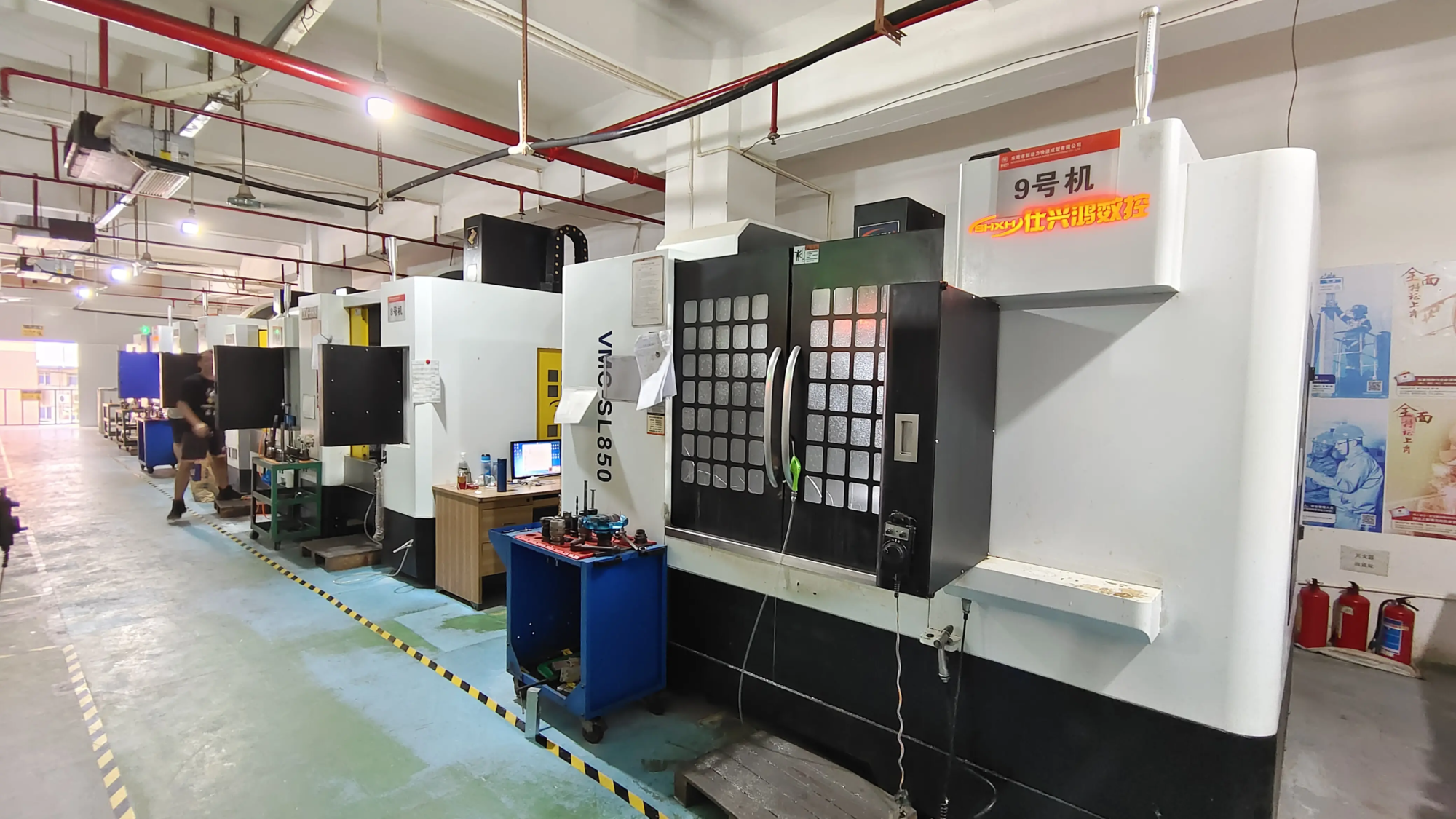
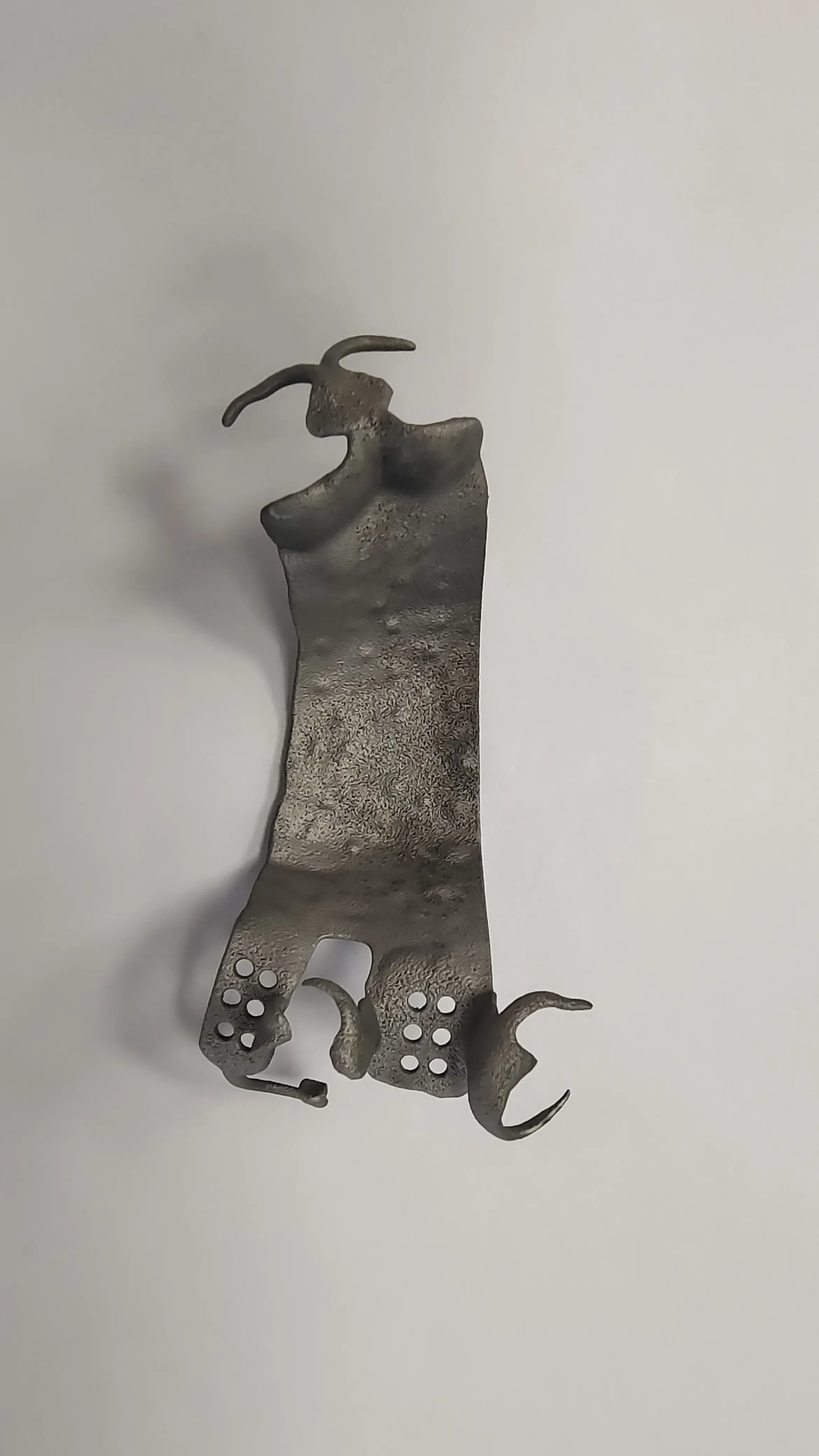
- Metal 3D Printing (SLM): For truly unique high-end applications. Here, professional partners like Greatlight Excel. Selective laser melting (SLM) fuses fine metal powders (such as aluminum or stainless steel alloys) with high power lasers to build super strong, completely dense metal parts layer by layer. Advantages: Unrivaled durability, unique aesthetic (metal finish), able to create impossible internal structures through traditional machining. Ideal for: Create custom metal joints for converting LPS toys, highly durable display bases or super premium collector’s edition in sophisticated miniature mechanisms.
-
print:
- The prepared G-code file is sent to the printer. Printing times vary greatly: Small FDM pets can take hours, detailed medium-sized resin printing can take most of the day, while complex metal SLM parts require meticulous process control and hours, depending on size/complexity.
- Monitoring prints, especially the first layer, is the key to capturing failures as early as possible.
- Key Post-processing (Face Art): Turn original printing into a flawless collection.
- Support removal: Carefully cut/scrape the support structure.
- clean: For resin: Wash in IPA (isopropanol) to remove unauthorized resin. For metals: Remove excess powder.
- Curing/sintering:
- Resin parts need to be cured under ultraviolet light for maximum strength and stability.
- Metal parts printed by SLM go through critical post-processing stages that are skillfully processed by manufacturers, such as Greatlight: Pressure Release Heat Treatment, removed from the build board (usually through wire EDM), and sometimes at rest pressures such as heat (HIP) to eliminate internal porosity and achieve excellent material properties.
- Complete the touch:
- Grinding: FDM printing is crucial to smooth the layer lines and develop through finer gravel. Resin prints require much less, maybe just smaller seams to polish. Metal SLM parts are precisely ground or polished to achieve the desired surface quality – from matte to mirrored sheen.
- Start and Painting: Applying a primer helps the paint adhere smoothly. Use high-quality acrylic model paint to color your pets realistically or madly. The spray gun reaches a professional gradient.
- assembly: Connect any multiple parts or accessories. Custom metal pins or joints manufactured by SLM can be integrated.
- detail: Add eyes (decals, paint, tiny glass beads), smooth finish for nose/tongue, fabric accessories, flock of sheepskin texture.
- Final Sealing: A sheer jacket protects painted work (gloss, satin or matte finish).
Why collaborate with advanced 3D printing LPS projects?
While enthusiast printers are perfect for simple plastic prototypes or basic pets, professional-level results have been achieved, especially with regard to custom metal components, durability or complex details that require advanced technology – industrial expertise is required. Greglight is a leader in this field:
- Cutting-edge SLM technology: They have advanced Selective laser melting (SLM) 3D printerable to produce LPS-related components from high-performance metal powders (such as stainless steel, aluminum alloy, titanium). This makes the function of the solo plastic impossible.
- Rapid Prototyping Expertise: Specialized solution Problems with rapid production of metal partsGreatlight learns how to iterate quickly in the design of custom joints, mechanical equipment or micro displays.
- Comprehensive post-processing: Dedication One-stop post-processing and completion serviceThey handle everything from stress relief and hip treatment to complex machining (CNC milling/turning), precise grinding, polishing, anodizing, powder coating or electroplating. Achieve the perfect metal surface for your unique LPS pieces.
- Material flexibility: While specializing in metals, many other materials are standard consumer materials other than silk/resin materials Can be customized and processedif needed, open doors for high-performance engineered polymers.
- Precision and customization: for Custom precision machiningintegrate traditionally manufactured components such as tiny bearings of seams with 3D printed parts. As one of the best rapid prototype companies from ChinaGreatlight combines speed, accuracy and cost-effectiveness.
Benefits of doing 3D printing LPS routes:
- Unlimited customization: Create pets that do not exist! Personal tribute, fictional characters, mixed varieties – your imagination is the limit.
- Recovery and reproduction: Cleverly reproduce damaged or unfound rare pets.
- Enhanced durability: Compared to original LPS plastics, metal components (via SLM) can significantly increase the lifespan and strength of moving parts or vulnerable elements.
- Scalability: Expand your pet to produce dramatic effects or create microscopic effects.
- Personalized accessories: Design custom game sets, furniture, vehicles tailored to your specific work.
- Creative expression and problem solving: The entire process promotes design thinking and technical skills. It’s more than just toys – it’s a creation.
in conclusion
3D printing technology has already caused a creative revival in the LPS community. No longer limited by store shelves, collectors and creators, they can bring their most imaginative pet thoughts into life with amazing details and unique materials. When exploring FDM or resin printing at home, it provides accessible entry points, and working with advanced manufacturers such as Greatlight, can unlock another possibility, especially for integrating durable, precise metal elements and integrating lasting, precise metal elements with expertise in rapid prototyping and comprehensive post-processing and post-processing. Elevate your collection from live to true masterpieces. Start designing your Dream LPS pets now and experience the future of your collection!
FAQ (FAQ)
Question 1: Are 3D Print Littlest Pet Shop toys legal?
A1: Printing is usually acceptable for personal use and enjoyment. However, copyright and trademark laws apply. 3D printed copy for sale Accurate, copyright The LPS design owned by Hasbro may be infringing. Create and sell Your own original design It is usually OK to be inspired by animals, with highly stylized explanations that are significantly different from official toys. When downloading models online, be sure to check the creator’s license.
Q2: What is the best 3D printer for making LPS toys at home?
A2: For highly detailed, smooth digital, resin printers (MSLA/DLPs) that match LPS quality (such as Elegoo Mars, Any Cubic Photon or Phrozen Sonic series) are usually preferred. For larger accessories or durable gaming sets using PLA or PETG, FDM printers (such as Prusa, Bambu Lab, Ender series) are suitable. If metal parts are merged, an industrial SLM printer is required, which can be accessed through services like Greatlime.
Q3: How much does it cost to 3D printing custom LPS toys?
A3: The cost difference is very large:
- DIY Printing: The filament/resin cost is low (depending on size and material, $1-$10+ per pet). Factors of cost, electricity, time and consumables (such as paint/support/IPA).
- Service Bureau: Simple plastic printing may cost $10-$50+. Complex resin printing or multi-part modeling is more costly.
- Metal Printing (SLM): Due to the cost of materials and technology, it is much higher (easy over $100 for small complex parts), but it is reasonable for unique features or quality collectibles. Work with experts like Greatlight to ensure that it is accurate and complete. Request a quote for a specific idea.
Q4: The durability of 3D printed LPS toys?
A4:
- Resin: Possibly fragile, especially thinner parts such as tail/ears. A hard resin helps with careful handling.
- FDM (PLA/PETG): More influential ways, but layer lines may be weaknesses. Dense fillers can increase strength.
- Metal (SLM): The most durable so far. Metal LPS components have excellent mechanical strength, are damage resistant and can last for a lifetime. Greglight’s post-treatment (heat treatment, hip joint) ensures maximum integrity.
Q5: Can Greatlight help me print complex LPS prototypes or custom metal accessories?
A5: Absolutely! Greatlight is good at turning complex digital designs into high-quality physical parts. They are in:
- Quickly develop complex pet designs or unique mechanisms (such as movable joints).
- Use SLM to generate durable metal parts for mini bases, joints, statues or accessories.
- Provides complete finishing (processing, polishing, painting) to collect.
Their engineering expertise is invaluable in overcoming design and manufacturing challenges beyond DIY features. Contact them your concept!
Q6: What file format is required for 3D printing?
A6: STL (.STL) is the standard file format for most 3D printing workflows. OBJ (.OBJ) has also received extensive support. To work with Greatlight on companies such as complex projects (especially involving metal SLM), Step (.STP) files (preserving precise CAD geometry) are the best accuracy and manufacturability assessments provided by their engineers.
Ready to bring your unique LPS Vision to reality? Explore the possibilities of home printing and professional partnerships to create the next generation of Littlest Pet Shop Magic.