The final guide to making a Mandalorian helmet with 3D printing
From Pixels to Beskar: Your Path to Iconic Role Playing
Din Djarin from Disney’s hit series The immortal Mandalorian helmet is more than just armor, it is a symbol of elasticity and identity. For role players and prop makers, copying this masterpiece requires precision, durability and perfect finish. Enter 3D printing: A technology that revolutionizes the technology that brings fantasy into reality. This guide step in every step of creating your own Mando helmet, leveraging cutting-edge technology and professional services to achieve "Level" Perfect.
Why 3D printing is great for Mandalorian helmets
Complexity satisfies customization
Traditional molding or hand-engraved fights with the helmet’s intricate angles, T-shaped sun visors and layered details. 3D printing is excellent here, allowing:
- High precision: Digital models capture every groove and curve of the helmet’s iconic design.
- Size adjustment: Extend the model to fit seamlessly any wearer.
- Personalization: Add custom prints (e.g., clan Sigils) at no extra cost.
Speed and iteration
Quick prototyping allows you to test and aesthetic in days rather than months, which is ideal for ergonomic comfort for nail helmets.
Step by step: Making a helmet
1. Design and preparation
- Model procurement: Find printable Mando helmet files on the platform Thingiverse or cults3d (Free/paid option). Make sure the model is "water proof" (No grid gap).
- optimization: Use Blender or Meshmixer:
- Hollow model (reduce weight/material cost).
- Add support anchors during printing to stabilize.
- Key details: For wearable helmets, split the model into 2-4 parts to make it easier to print on desktop.
2. Material selection
Select based on durability and completion:
- PLA/ABS (Desktop FDM): Budget-friendly, but requires a lot of post-processing. ABS provides better heat resistance.
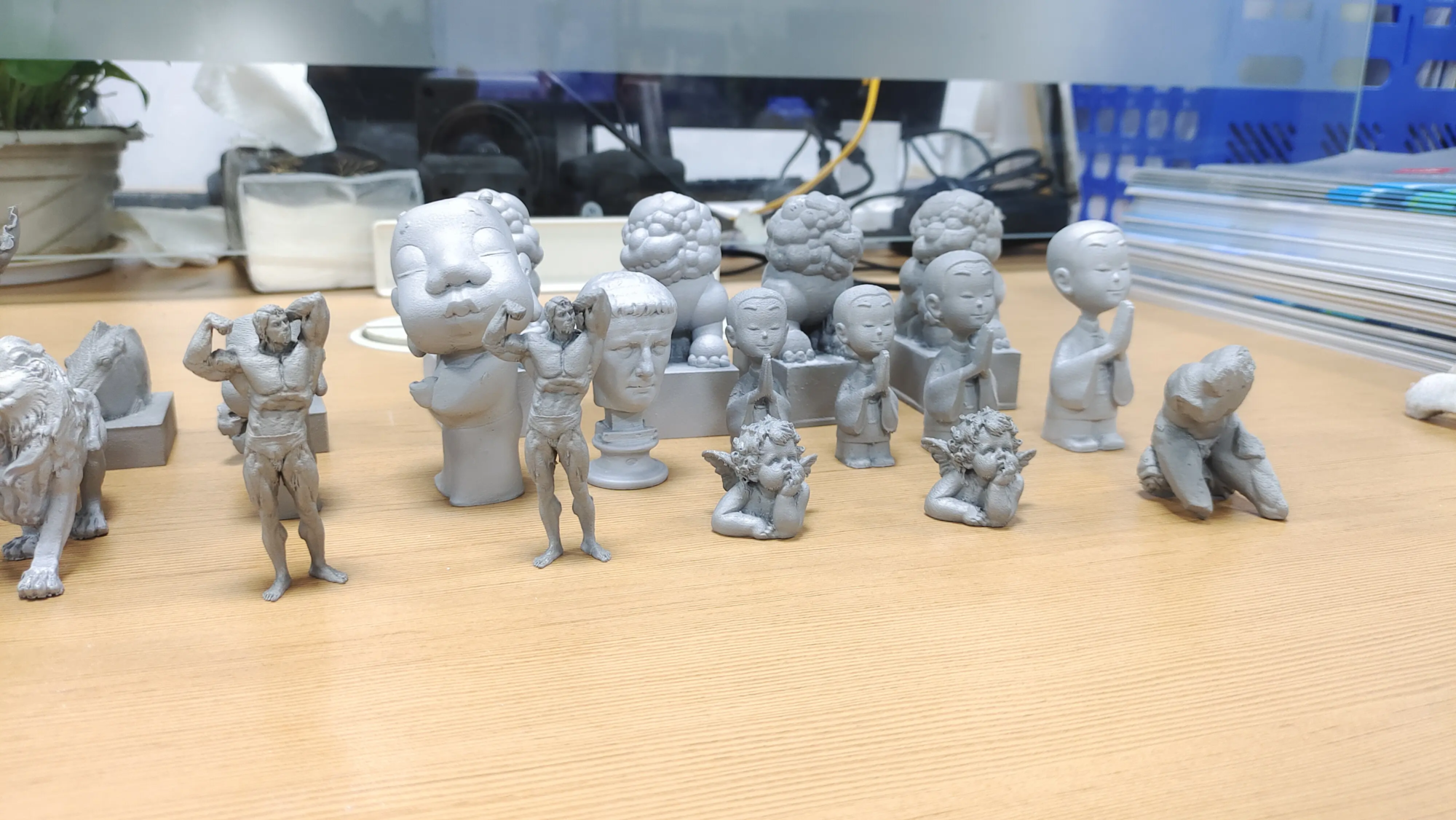
- Resin (SLA/DLP): Capture details like helmet texture. Ideal for smaller prints.
- Nylon (Industrial SLS): Professional level flexibility and power. Greglight’s professionalism– Perfect shock-proof helmet.
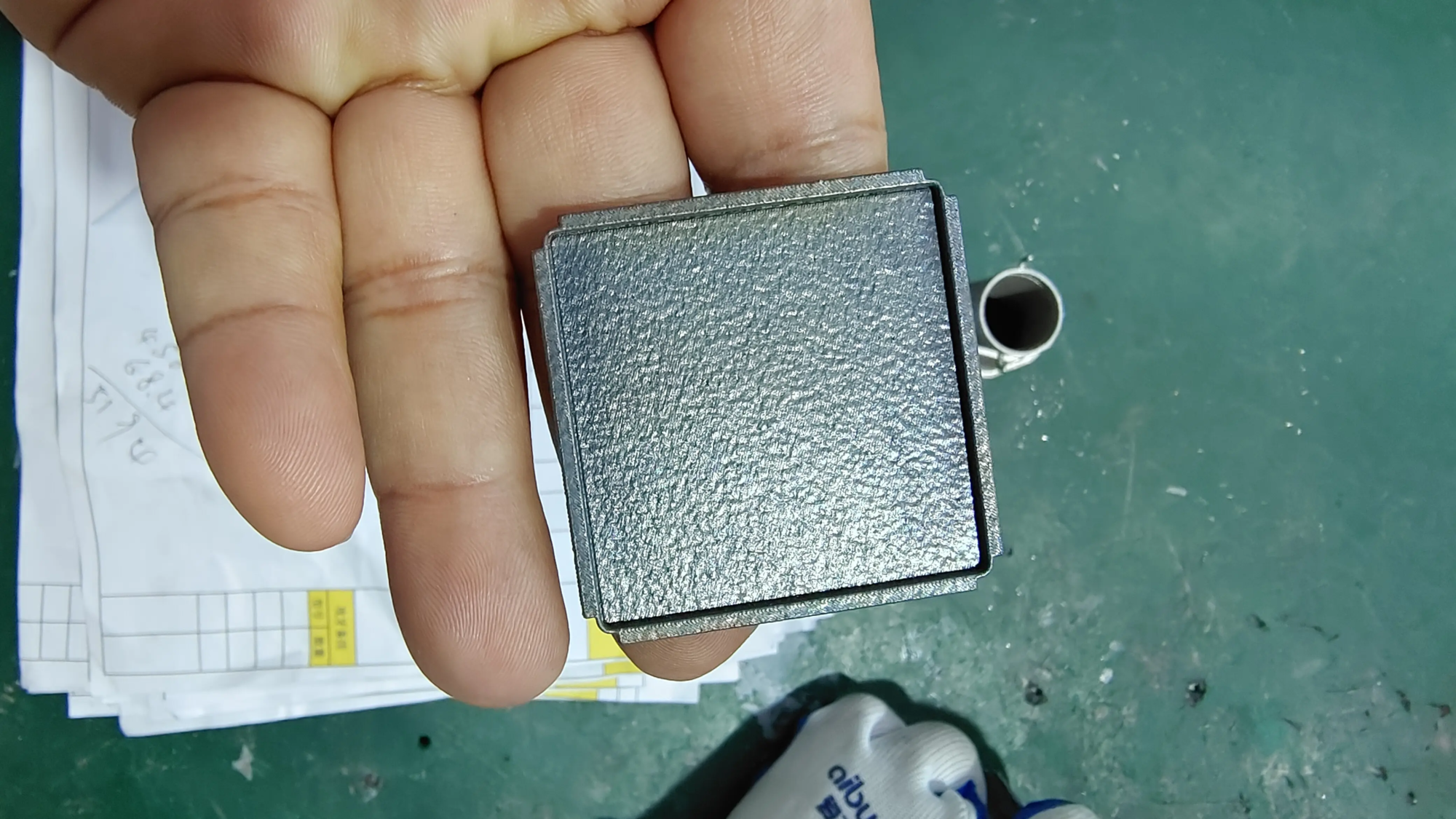
- Metal (SLM): Not a helmet (due to weight/cost) rather than typical, but ideal for functional components such as hinge parts or rangefinders.
hint: For long-lasting helmets, Greglight Nylon or carbon infused with glass-PA Provides lightweight durability comparable to injection molding.
3. Printing: Professional and desktop
- Desktop printer: Suitable for tight budgets. Calibration is required to avoid warping/layer movement. Print on 0.1-0.15mm layer height For smoother curves.
- Industrial Solutions: Great SLM and MJF printers deliver:
- Upper adhesion and mechanical strength.
- Minimum visible layer line – Restore printing labor.
- The batch production of multiple helmet parts is used simultaneously.
4. Post-processing: The Art of Beskar
This step separates amateurs from professionals:
- Supports removal and grinding: Start with coarse sand (120) and then do 600+ for mirror smoothness.
- Fill and start: Use car filler for layering. Apply 2–3 primer coatings.
- painting:
- according to: chrome or metallic silver paint.
- weathering: dab black/brown acrylic wash to create a combat appearance. Sealed with a matte sheer jacket.
- Sun visor and electronics: Install tinted polycarbonate visors and voice regulators for authenticity.
Why outsourcing? Great One-stop post-processing Includes steam smoothing, professional painting, chrome plating and electronic integration – Showroom ready helmet.
Partner with Greatlime: Your Beskar Forge
Gregtime is not only a manufacturer, but precisely your ally. As China’s leading rapid prototype companywe solve complex challenges:
- Advanced SLM & MJF Technology: Create helmets with aviation-grade materials (stainless steel, titanium alloy or high-strength polymer).
- Fast Market: In the functional prototype 48 hours;All production batches within 1-2 weeks.
- End-to-end finishing: From ultrasonic cleaning to CNC polishing, we handle messy work.
Cost Insight: Outsourcing to experts can usually save 30% of post-processing labor with DIY and ensure consistency.
"We turned the nylon mandor helmet print into a chrome masterpiece for Disney exhibitions – no finishes, zero visible seams." – Greatlight Project Log
Conclusion: Forge your legacy
3D printed Mandalorian helmets blend art with engineering. Whether you are using a desktop printer DIY or working with experts like Greatlime, the goal remains: Make a creed helmet. For creator priority durability, detail and time efficiency, industrial rapid prototyping is the unsung hero. Embrace the technology that turns “this is the road” into a physical miracle.
FAQ: Mando Helmet 3D Printing
Q: How long does it take to print?
one: On desktop FDM: 40–80+ hours (depending on resolution). Using the MJF printer from Greatlight: Split the helmet for 10–15 hours.
Q: Can I make a helmet without DIY polishing?
one: Absolutely! Greglight offers steam smoothing (for resin/nylon) and professional sandblasting – carefully crafted and manually worked.
Q: Is metal 3D printing feasible for a complete helmet?
one: Although it may increase the weight of the metal. We recommend Hybrid construction: Plastic helmet body with SLM printed metal details.
Q: How to get a chrome-like finish?
one: Plating is done with chrome spray paint, clear and transparent coat or outsourcing – achieve authentic Beskar Shine.
Q: Can you complete helmets one by one?
one: Industrial printers, such as Greatlight EOS P 810 Helmets up to 700mm can be printed in one go – ideal for seamless integrity.
Customize your journey now.
From sketching to the final polish, Greatlight transforms vision into legacy pieces. [Get a quote] For your Mando helmet project and join the ranks of elite prop makers. That’s the way.