A Recognized Revival: How 3D Printing Medals Enhance Modern Crafts
Remember the weight of the championship medal? Complex details, polished surfaces capture light? A tangible symbol of achievement is underway for a high-tech revolution. The 3D-printed medallions are redefining the craftsmanship of the digital age, blending timeless design principles with cutting-edge additive manufacturing. It’s not just a replacement for traditional casting; it’s about unlocking unprecedented design complexity, customization and material flexibility to make personalized high-quality rewards easier to get than ever before.
Beyond the mold: The power of addition manufacturing
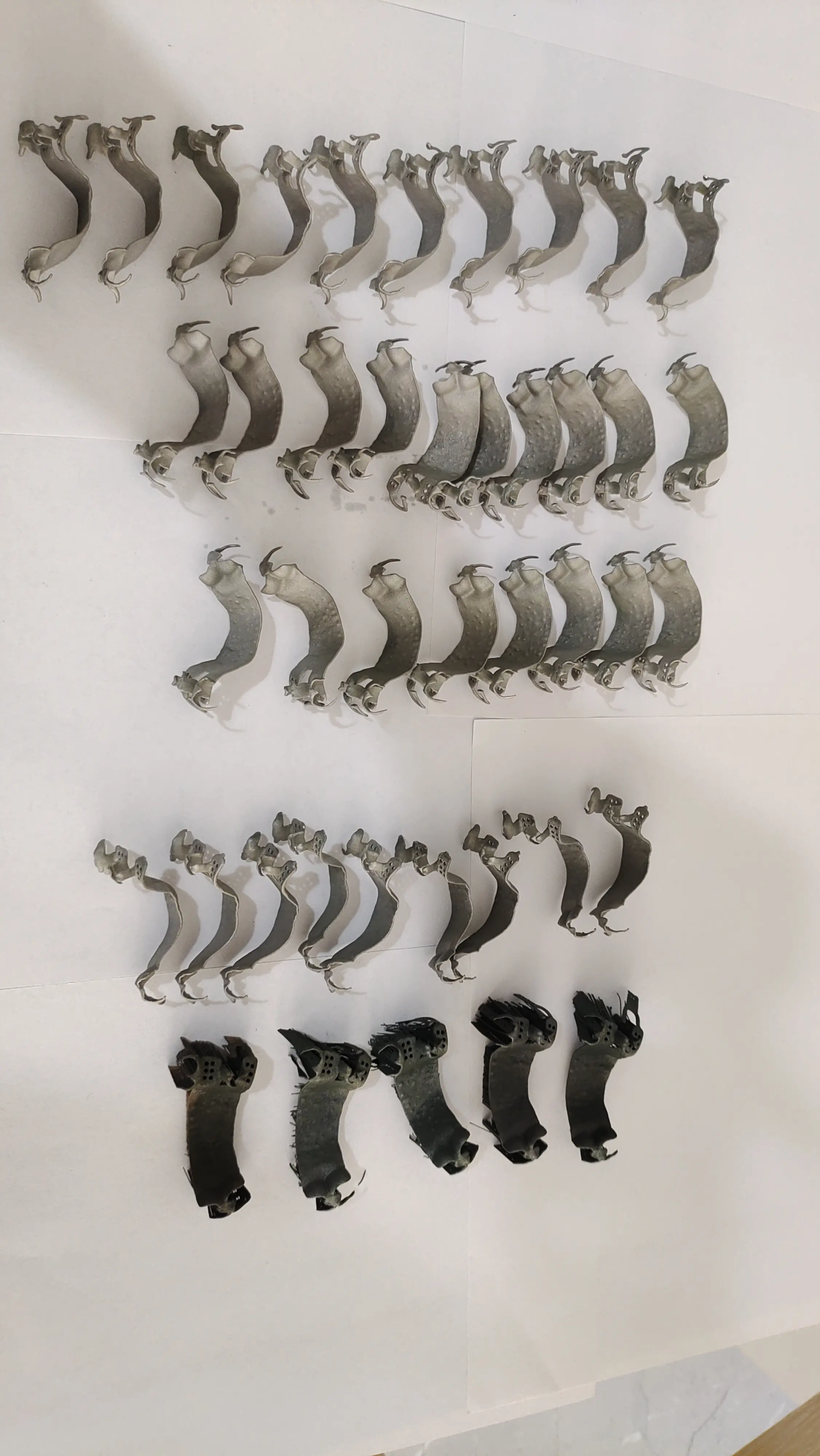
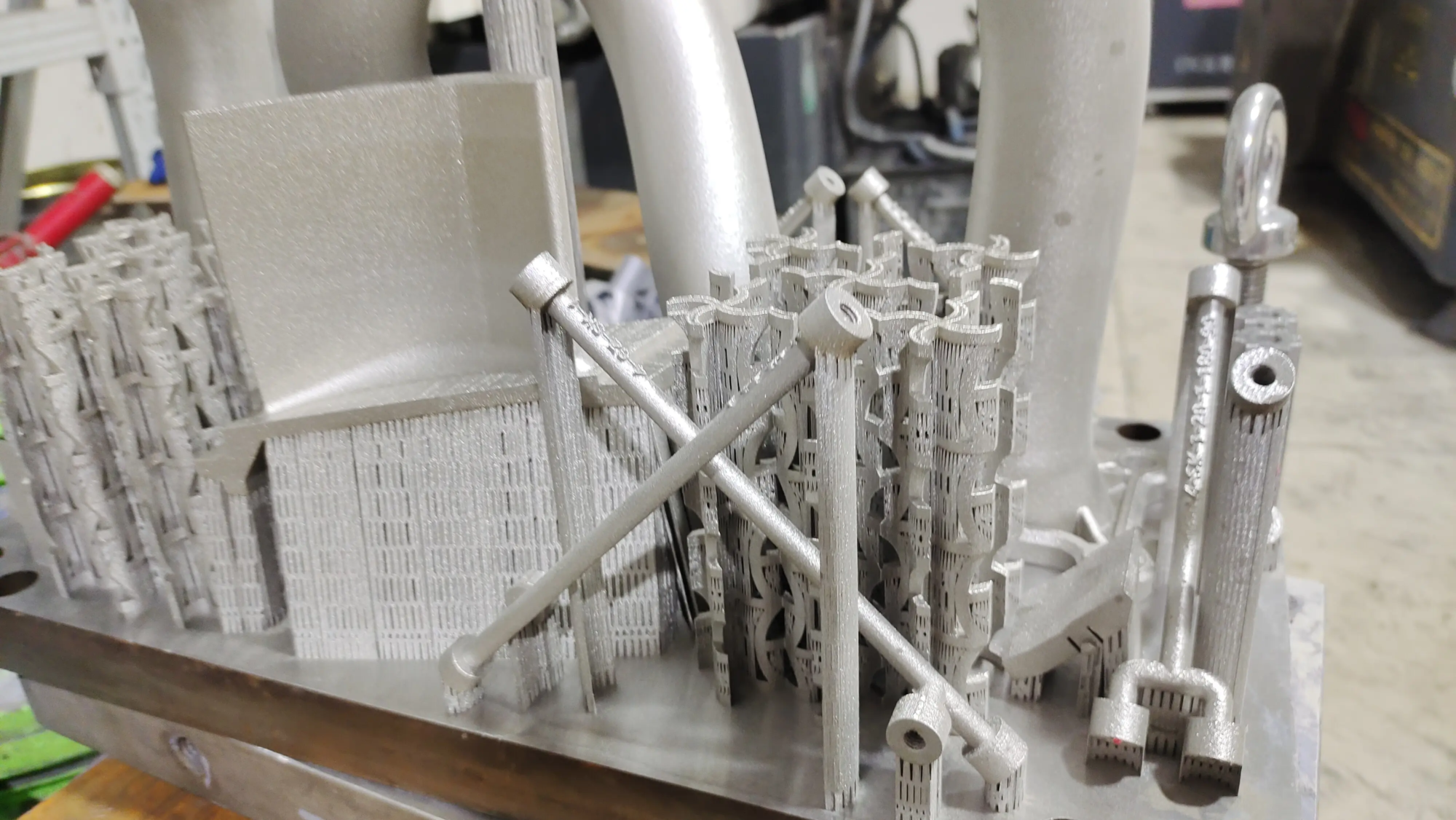
Traditional medal production usually relies on the casting or hitting process. Despite effective large-scale reproduction of simple designs, these methods have limitations. Complex geometric shapes, complex internal features or unique textures are challenging or expensive. Input 3D printing, especially metal 3D printing Selective laser melting (SLM). This advanced technology uses powerful lasers to fuse premium metal powders to create a memorial layer through microscopic layers.
The benefit is that it changes the game:
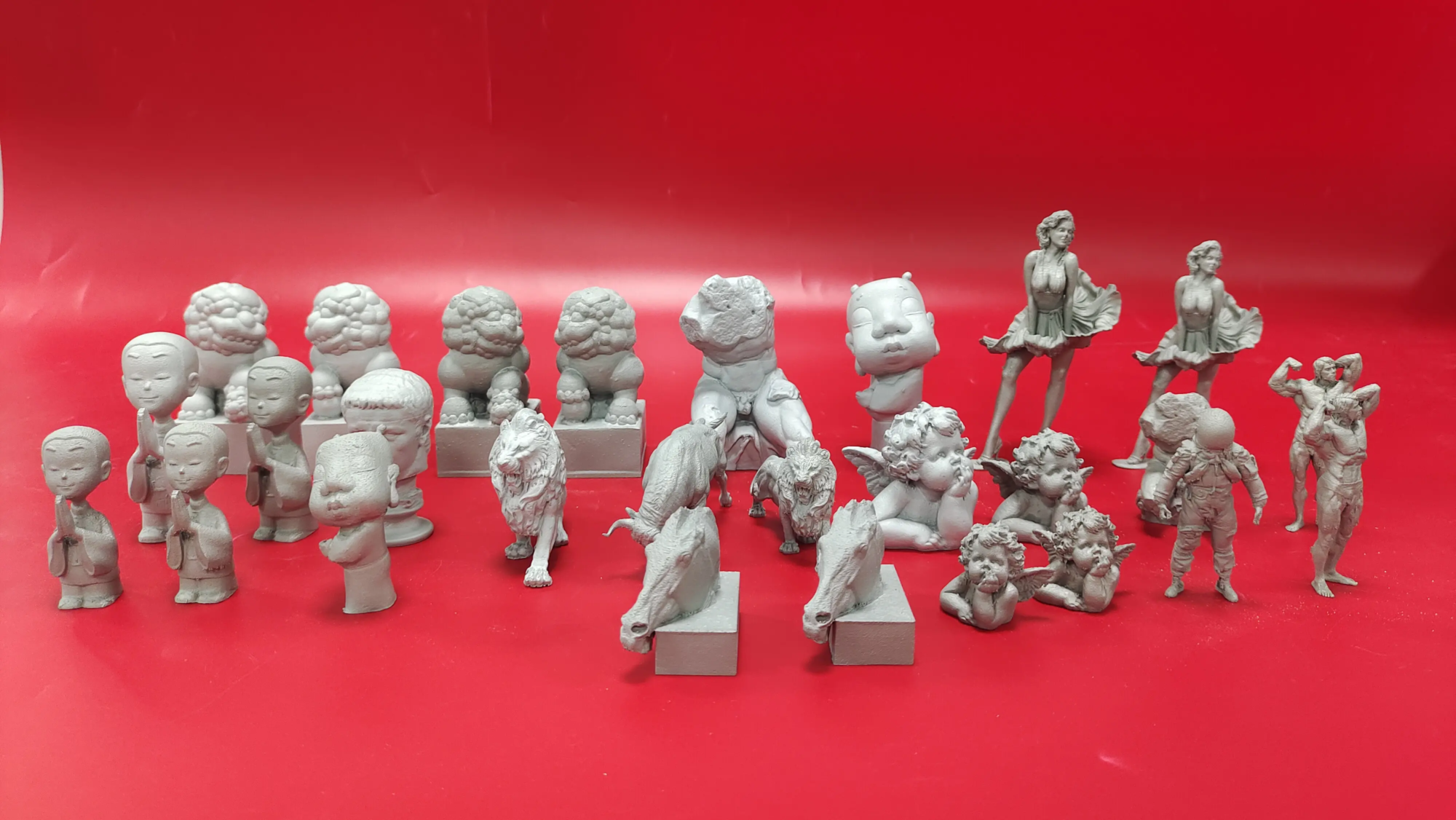
- Unrivaled design freedom: Forgot the limitations of undercut or 2D molds. 3D printing allows for organic shapes, hollow structures, integrated chains or backgrounds, miniature textures, multi-layered bas reliefs, and incredibly complex details that were previously impossible to make. Imagine a dragon shaped like a coiled one with individually articulated scales or a prize similar to a honeycomb-like lattice filled with gemstones.
- Real personalization: Something of a size has become obsolete. SLM enables true custom creation. Company Awards can integrate the recipient’s name into the design, not just stamps. Team logos can be the actual structure. Art vision flows directly to physical forms without overhead. Each medal can be a unique work of art.
- Material versatility: While bronze and silver evoke tradition, SLM unlocks a wider palette of materials. Achieve a unique luster Stainless steel,toughness Tool Steelamazing glory Pure copper or Bronze alloy,weight Tungstenor exotic attraction titanium. Each offers different aesthetic and physical properties.
- Rapid production of prototypes: Do I need a prototype to approve before a large event? Or a small number of unique awards? Traditional processing involves weeks of delivery time. SLM greatly shortens this. The concept can be transformed from digital files to physical prototypes in a few days, and production can be effectively expanded, ideal for limited edition or fast-changing projects.
Alchemy of Alchemy: The Art of Technical Conference
Original printing is just the beginning. This is Expertise and post-processing become critical. High-quality 3D printing medals rely on detailed finishes:
- Support removal: Proficiently remove temporary structures required during the printing process and retain delicate features.
- Surface smooth: Technical smoothing layers such as tumbling, bead blasting, or late chemical processes.
- polishing: Bring the inherent gloss of metal out of mirrored, satin or brushed finishes by hand or machine polishing.
- Sintering (optional): For some materials, proprietary heat treatment further increases the strength and density of luxury goods.
- Pat and coating: Handmade Patinas for antique effects (especially on bronze or copper) or protective coatings (e.g. PVDs for colored gold, silver or black) add depth, character and durability.
Apply: More than just medals
Although awards remain core applications, 3D printed medals shine in different fields:
- Luxury commemorative events: Anniversary tokens, milestone achievements, exclusive event souvenirs with complex themes.
- High-end brands: The unique promotional work of corporate customers reflects the brand’s identity in metal.
- Art and Collections: Limited edition sculptures or jewelry components utilize impossible geometric shapes.
- Role-playing and movie props: Create highly detailed, durable copy badges and badges.
- Personal souvenirs: A deeply personalized token commemoration of loved ones or life activities.
Choose the right partner: expertise is important
To achieve perfection of medals requires not only a printer. It requires in-depth technical knowledge of additive manufacturing parameters (laser power, scanning speed, layer height), advanced metallurgy to understand material behavior and master post-processing techniques. Delegate your design to an expert to ensure:
- Accuracy and accuracy: Faithful copy of each design element.
- Structural integrity: Optimize strength, especially in complex thin-walled designs.
- Surface excellence: Visit a variety of professional finishes.
- Material guidance: Experts recommend choosing the best metal for the look and feel you want.
- Efficiency and value: Simplified workflow from design documents to finished products.
in conclusion
The 3D printed commemorative medal represents an exciting blend of heritage and innovation. They broke the chain of traditional manufacturing restrictions, empowering creators with unparalleled freedom and precision. From customized awards with deep personal significance to amazing artistic statements and high-impact brand collections, this technology improves the medal from simple objects to refined craftsmanship. As materials and technology develop, the possible boundaries only expand, ensuring that these symbols of modern achievements continue to attract and inspire future generations.
Frequently Asked Questions about 3D Printing Medals (FAQs)
Q1: Why choose 3D printing instead of traditional medal making methods (such as casting)?
A: 3D printing excels in complex geometric shapes, high levels of customization and rapid production (especially for prototypes or small batches). It eliminates the high upfront cost of mold/molds, making unique or complex designs economically viable. Traditional casting is usually better Very big The same, simpler design number, but struggles with complex details and personalization.
Q2: What metals can be used for 3D printing medals?
A: Advanced SLM technology allows for multiple metals:
- Stainless steel 316L (polishable, strong, multi-functional)
- Tool Steel (very strong, perfect for exquisite features)
- Pure copper (stunning warm colors and conductivity)
- Bronze alloy (traditional copper appearance with modern precision)
- Titanium (lightweight, strong, biocompatible, unique grey finish)
- Tungsten (high density, weight, scratch resistant).
The best choice depends on the look, feel and budget you want.
Q3: The durability of 3D printed metal medals?
A: Very durable. When correctly printed using a professional SLM process and appropriate materials, the resulting metal portion is completely dense (solid metal) and achieves mechanical properties as a function of or better or better than conventionally treated counterparts. Professional after-treatment further improves durability and protects the surface.
Q4: Can you get real smoothing or polishing effects with 3D printing?
Answer: Absolute. Although the original print has visible layer lines, Professional post-processing is key. Technologies such as precision machining, CNC polishing, tumbling finishing and advanced smoothing operation can achieve finishes ranging from matte satin to excellent mirror polishes, traditionally comparable to . Patinas, Plating or PVD coatings add further aesthetic options.
Question 5: What do I need to provide to receive a custom 3D printed medal?
A: The required starting point is high-quality 3D design files (usually STL or step format). If you don’t have a design, many manufacturers also offer design services to bring your concept to life. You also specify:
- Required materials
- Demand finishes (polished, satin, bronze, coating, etc.)
- Size/Thickness
- quantity
A well-known manufacturer will guide you to optimize the design and complete the printed and finished design.
Q6: How much does it cost to customize 3D printing medals?
A: The cost depends to a large extent on size, complexity, material selection, finishes and quantity required. In stainless steel, highly complex designs or exotic materials will cost more than simpler materials. Eliminate tool costs to make small batch complex designs Relatively More cost-effective than traditional methods. Professional manufacturers optimize designs and processes to provide the best value for quality.