Embark on a Galactic Journey: The Ultimate Guide to 3D Printing the Millennium Falcon
The Millennium Falcon is one of the most iconic starships in science fiction history. For enthusiasts, modellers, and Star Wars enthusiasts, creating a detailed model of this legendary ship represents the pinnacle of achievement. 3D printing has revolutionized this endeavor, making dreams within reach, but the path from digital files to display-ready replicas can be fraught with obstacles. This guide explores the intricate process of printing Han Solo’s iconic ship and how to exploit it Professional rapid prototyping expertise Transform ambition into amazing reality.
Beyond Blueprints: Addressing the Challenge of Printing Complex Icons
Creating a faithful model of the Millennium Falcon requires addressing several key stages:
-
Design acquisition and preparation: The first step is to get the STL file from a repository like Cults3D or Thingiverse. However, optimizing this design for physical implementation requires considerable CAD (computer-aided design) expertise. Scale must be chosen wisely – balancing detail with practicality. Complex parts such as different mandibles, cockpits or radar dishes often require segmentation for feasible printing and final assembly. The structural integrity of these connection points requires careful consideration.
-
Material Dilemma:
- PLA/PetG (FDM printing): Common hobbyist supplies are affordable and easy to print on. However, capturing complex surface details (geometry, panel lines) is challenging, and thin components can easily deform or break.
- Resin (SLA/DLP printing): Perfect for the stunning detail resolution that’s crucial on the Falcon’s busy hull. However, resin parts can be brittle and require careful cleaning, curing and post-processing. Larger buildings require expensive printers and are relatively fragile.
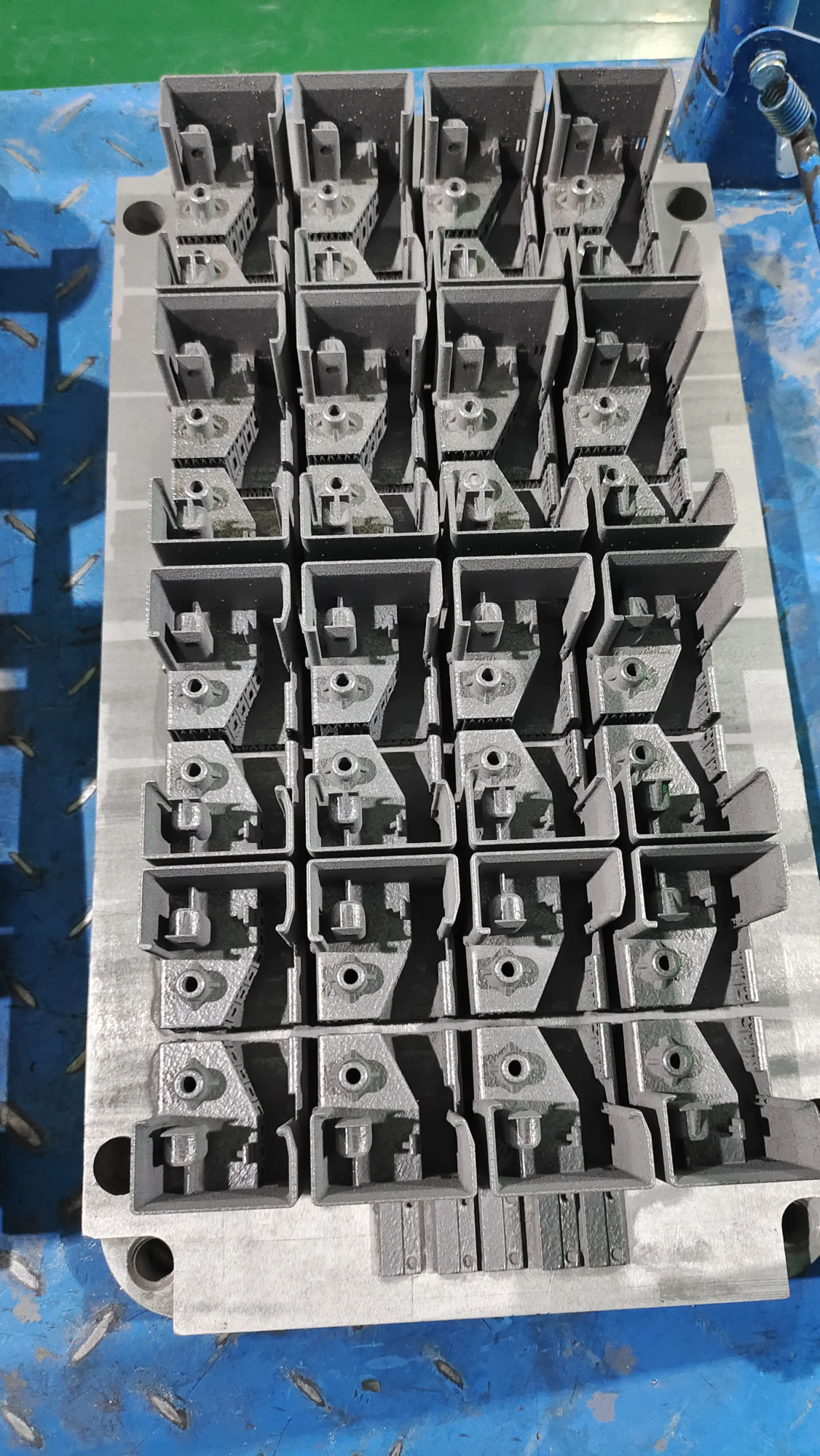
- Metal (SLM/MJF printing): For unparalleled realism, durability and weight (similar to miniatures), metal printing (such as aluminum alloy) is the way to go. This requires industrial-grade equipment and expertise that goes far beyond a typical desktop setup. Realizing the Falcon’s complex geometry here pushes the limits of prototyping technology.
-
Precision printing: core challenges: The Falcon is not a simple cube. Its asymmetrical shape, complex surface texture (requiring fine layer heights), extensive overhangs (requiring specialized support structures), and assembly of numerous sub-components require extremely precise calibration and control throughout the printing process. Layer adhesion defects, warping, or support failure can waste hours of printing time.
- Post-processing test: The original print is rarely the final product:
- Support removal: Removing supports without damaging delicate details requires surgical precision.
- Sanding and Smoothing: Eliminating layer lines while retaining fine surface details requires skill and graded abrasives. Vacuum metallization, vapor smoothing (for plastics) or professional polishing (for metals) results in a professional finish.
- Assembly and Alignment: Ensuring that all parts fit seamlessly and are perfectly symmetrical requires precision tools and jigs. Misalignment will destroy the outline of the model.
- Painting and surface treatment: Replicating the Falcon’s battle-hardened yet iconic paint scheme involves masking, airbrushing, weathering techniques and decal application. Authenticity depends on meticulous execution.
Why professional rapid prototyping is a winning strategy (your X-factor):
Successfully navigating these complexities often requires capabilities beyond the capabilities of a home studio:
-
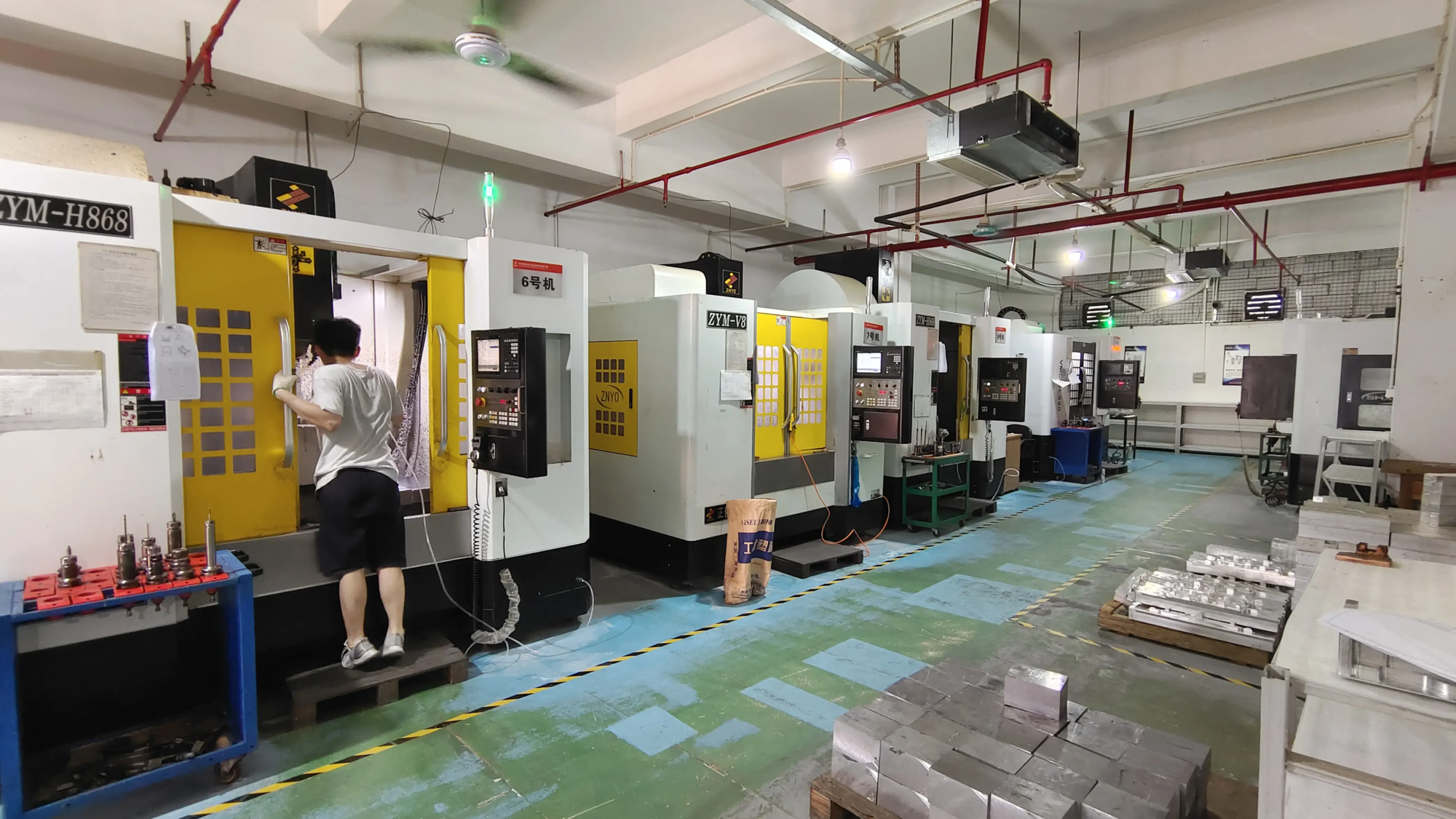
Industrial grade precision: company likes huge light Deploy advanced Selective Laser Melting (SLM) The printer is capable of building complex metal parts layer by layer from fine metal powders. This achieves:
- Unparalleled details: Capture microscopic surface textures and crisp geometric features not possible with FDM.
- Excellent material: Using aerospace-grade metals like aluminum alloy (AlSi10Mg) offers incredible weight, unparalleled strength, heat resistance and the potential for smooth surfaces.
- Optimized direction and support: Engineers strategically orient parts and generate CAD-optimized support structures to achieve structural integrity and minimize post-processing difficulties.
- Scale mastery: Confidently scale to ambitious sizes (ideal for impressive display pieces) without compromising detail or structural soundness.
-
The power of one-stop post-processing: GreatLight embodies this by offering comprehensive organizing services:
- Expert support for removal: Minimize risk of damage to fragile features.
- Precision machining and smoothing: CNC machined, tumbled, polished, sandblasted or steam smoothed to achieve a museum-quality surface finish.
- Professional painting and surface treatment: Skilled technicians execute custom paint schemes, weathering effects, and high-gloss or matte clear coats with exacting fidelity.
- Precision assembly: Ensuring every component fits together perfectly to form a seamless final spacecraft.
-
Speed and scalability: Turnaround time is significantly faster compared to recurring home printing glitches. Scaling up production (for commissions or events) becomes feasible.
- Material Versatility: From durable nylon (MJF/SLS) for intricate internal structures to polished titanium hardware or flexible stainless steel monitor stands – the match of materials and function enhances the performance of the final product.
Conclusion: From dream to detailed showpiece
3D printing the Millennium Falcon is a test of technical ability and artistic vision. While the enthusiastic DIY effort bore fruit, unlocking its true potential—a sturdy, stunningly detailed replica worthy of the Mos Eisley bar legend—required harnessing industrial muscle and seasoned expertise.
company likes huge lightusing the tip SLM 3D printing, Huge material libraryand Comprehensive post-processing masterytransforming complex projects. They solve the inherent challenges of complexity, durability and finish, ensuring your Millennium Falcon isn’t just printed, but carefully crafted and faithfully rendered. For enthusiasts, collectors, prop masters and businesses seeking uncompromising quality in precise rapid prototyping, the path to Galactic Sign begins with a professional partnership.
Are you ready to start your starfighter dream? Explore the possibilities and turn your vision into reality through superior precision manufacturing. Contact Gretel today!
FAQ: 3D Print Your Millennium Falcon Prototype
Question 1: What is the best material to print a highly detailed model of the Millennium Falcon?
A1: It depends on your priorities:
- ULTIMATE DETAILS AND METALLIC FINISHES: Aluminum alloy (such as AlSi10Mg) Printed through holes sustainable development management Offering stunning detail, weight and durability. This is a premium choice for a museum quality replica.
- Complex detail flexibility: Engineering resin (SLA/DLP) Can be great at capturing incredible detail, but can be fragile, especially at large scales or in thin sections.
- Impact resistance and functionality: Nylon (SLS/MJF) Ideal for sturdy parts, gear assemblies or prototypes that require strength without being brittle.
- Cost-effective enthusiasts: PLA/PETG (FDM) Works for simpler models, but sacrifices important detail and surface finish quality. huge light Tailor-made advice and provision of the best materials tailored to your specific objectives.
Q2: Can GreatLight print the entire Falcon component at one time?
A2: This is not possible with solid models due to printer bed size limitations and geometric complexity. Professional prototyping often involves printing subassemblies (hull sections, turrets, landing gear) designed to interlock perfectly. Expert post-processing and precision assembly by GreatLight ensures these parts create a seamless, unified spacecraft.
Question 3: How does metal printing (SLM) compare to plastic printing?
A3: Metal SLM printing (GreatLight’s strength) offers superior strength-to-weight ratio, superior heat resistance, true metal aesthetics and weight, unparalleled durability against accidental impacts, and the potential for transformative surface finishes through polishing or plating. Plastic/resin prints, while sometimes appearing detailed under paint, lack the weight, feel and elasticity of metal, which makes SLM the gold standard for high-end display pieces.
Q4: What levels of finishes and customization does GreatLight offer?
A4: GreatLight offers comprehensive organizing as part of its one-stop service:
- smooth: Polishing, sandblasting, steam smoothing (plastics), CNC machining.
- painting: Expert airbrushing with custom color matching for screen-accurate schemes for realistic weathering effects.
- Plating/Coating: Vacuum metallization for chrome finishes, professional coatings for texturing or protection.
- assembly: Precision assembly of complex printed subassemblies.
Q5: How long does it take to get a professionally printed Millennium Falcon?
A5: Timetable depends heavily on model size, complexity, materials chosen, level of finish required, and current workload. Expect a significantly faster turnaround compared to unpredictable DIY attempts due to reduced failure rates and streamlined processes. GreatLight prioritizes rapid prototyping, specifically utilizing SLM printers to create metal parts. Requesting a quote provides the most accurate timeline.
Q6: Why choose GreatLight instead of other prototyping companies to create such complex hobbyist models?
A6: GreatLight combines several advantages:
- Advanced SLM Metal Printing: Top quality detail, durability and finish are key.
- True customization: Material selection, precise scaling, design iteration support and custom finishes.
- Post-integration processing: Dedicated facilities can handle everything from CNC machined support removal to professional painting.
- DNA rapid prototyping: Focused on leveraging advanced mechanical and technical expertise to solve complex problems quickly and efficiently.
- Global Competitive Pricing: Get industrial-grade quality at an optimized cost. GreatLight empowers passionate creators with unparalleled expertise in transforming complex Star Wars dreams into tangible, show-ready realities.