Make your own 3D printed phone holder: step-by-step tutorial
introduce
In the age of digital dependence, a phone holder is more than just a convenience, it’s a necessity. Whether you’re cooking, working, or binge-watching a show, hands-free access to your devices increases productivity and comfort. The best part? You can design and print a custom phone holder based on your needs. This tutorial demystifies the process, combining creativity with practical engineering. For hobbyists, it’s a rewarding DIY project; for professionals, it’s a gateway to rapid prototyping.
Why 3D print a mobile phone holder?
- Full customization: Perfect for unique phone sizes, adding branding or matching your decor.
- High cost performance: Save money than retail holders (materials cost about $1-5).
- sustainable development: Use biodegradable PLA or recycle old silk.
- Iterate on the fly: If adjustments are needed, it only takes a few minutes to modify the design.
Tutorial: Design and Print Your Stand
Step 1: Choose your tools
- design software:
- beginner:Tinkercad (web-based, intuitive).
- advanced: Fusion 360 (parameter control, realistic simulation).
- slicer: Simplify3D, PrusaSlicer or Cura (optimized print settings).
- printer: FDM printer (Creality Ender 3, Prusa i3) for accessibility. Resin printers can print intricate details.
Step 2: Design Considerations
reach balance Functional and aesthetics:
- Stablize: Weighted base prevents tipping. Adds a 20-30% larger footprint than a mobile phone.
- tilt angle: 70–80 degrees optimizes screen visibility.
- Grip design: The side handle should hold the phone securely without blocking the ports. Includes flexible label or rubber insert.
- Scalability: Design parametric slots in CAD software to resize the bracket to fit different phones.
Tips for Beginners: Start with a basic U-shaped template from Thingiverse and modify the dimensions.
Step 3: Model in Fusion 360 (example)
- Set parameters: mobile phone width (such as 75mm), height (such as 160mm), tilt angle (75°).
- Sketch the base: Extrude a rectangle (110mm x 90mm) with a thickness of 5mm.
- Create the back panel: Extrude a trapezoid with a 75° angle, matching the height of the phone + 10mm.
- Adding side handles: The model extends 8mm wide arms from the base with a 3mm deep notch.
- Reinforce seams: Use fillets (rounded edges) to eliminate stress points.

Step 4: Slicing and Printing Setup
| scope | Recommended value | Why |
|---|---|---|
| Material | PETG or PLA+ | Durability + minimal deformation. |
| Floor height | 0.2 mm | The surface is smooth and the structure is complete. |
| filling | 20–25% | Balance strength and material usage. |
| support | "touch build board" | For angles >45°; removes easily. |
| Printing speed | 50mm/sec | Prevents layer shifting. |
Step 5: Post-processing
- Use pliers to gently remove the supports.
- Sand rough edges (start with 120-grit sand and finish with 400-grit sand).
- For a premium feel:
- Spray paint with acrylics.
- Embed magnets in the base for use on car dashboards.
Conclusion: Beyond DIY – The Professional Advantage
3D printing enables anyone to turn concepts into practical tools. but what if you need Aviation grade aluminum bracket For your trade show booth? or a Biocompatible titanium stent For use in medical environments? This is where rapid prototyping evolved from a hobby into an industry.
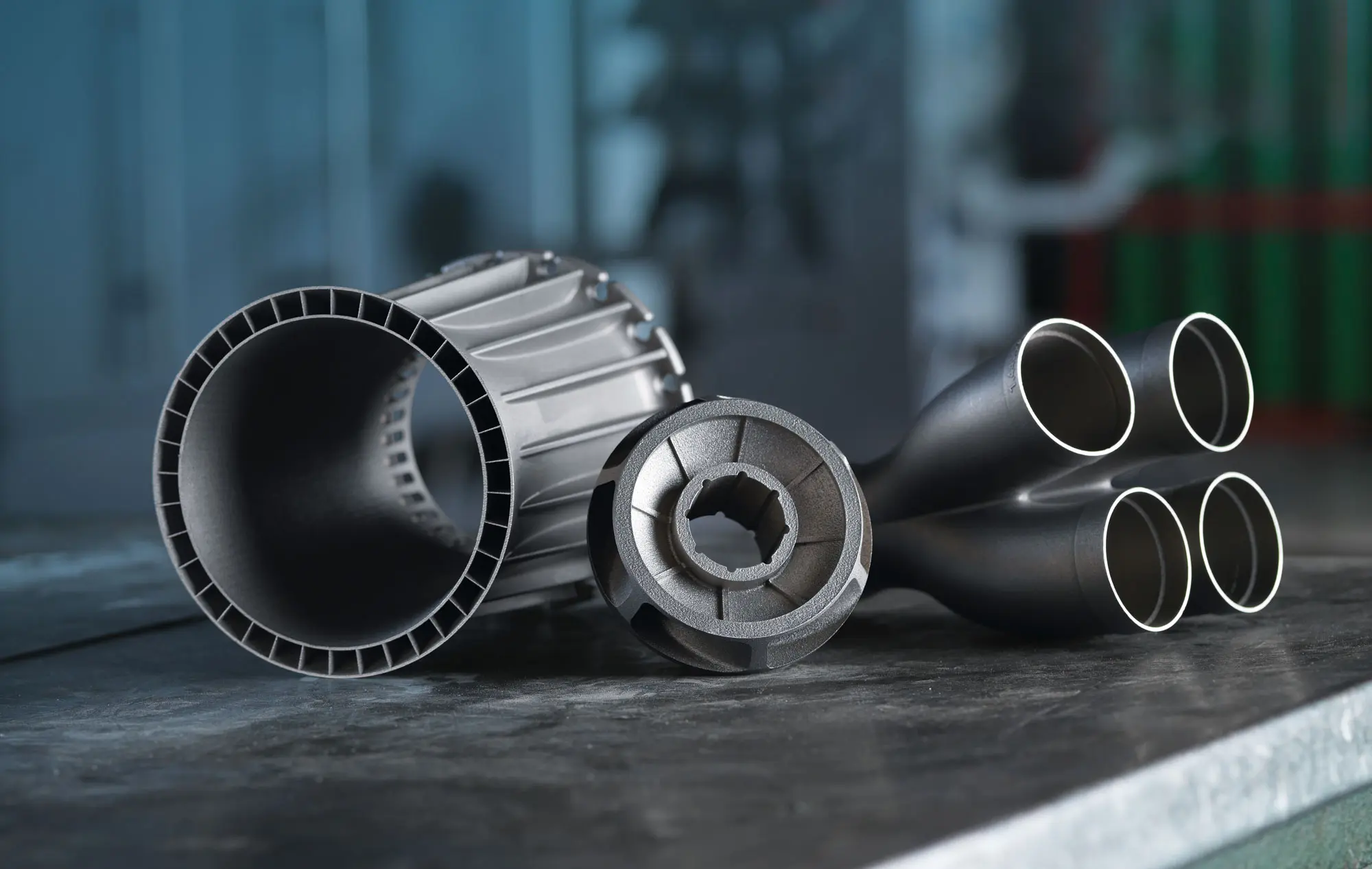
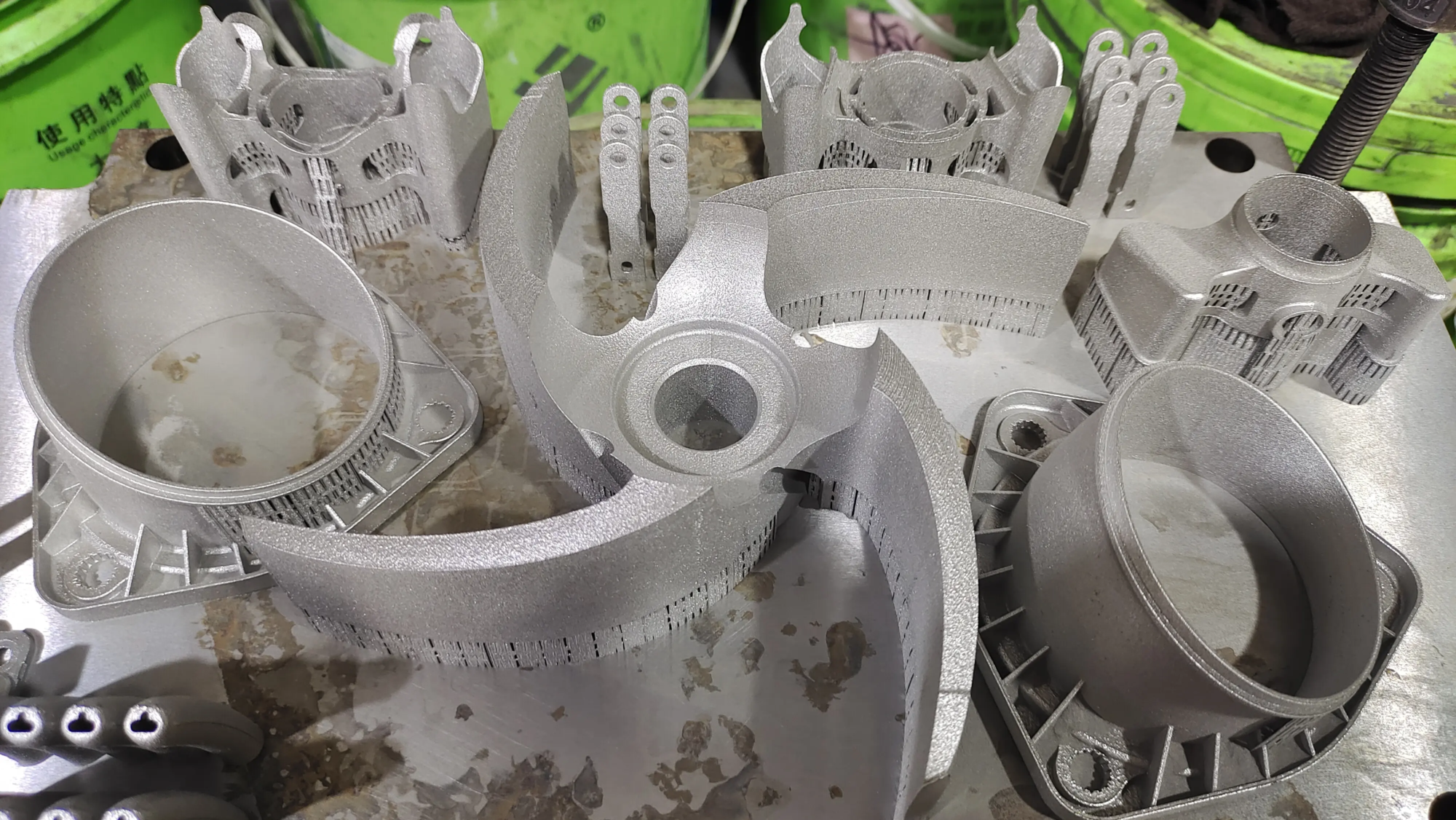
Enter huge light: As a leader in rapid prototyping manufacturing in China, we solve complex precision challenges. our SLM (Selective Laser Melting) 3D printers can produce complex metal parts with tolerances up to ±0.01 mm. From prototyping to end-use production, we offer:
- Material mastery: Titanium, Inconel, Aluminum, Surgical Steel.
- One-stop organization: Heat treatment, CNC machining, anodizing, polishing.
- speed: From CAD file to finished part in just 72 hours.
Whether you’re scaling a DIY cell phone holder or engineering aerospace components, GreatLight combines innovation with reliability. Request a quote Make your vision tangible.
FAQ: 3D Printed Cell Phone Holder
Q1: What materials are best for high traffic environments?
For daily use, polyethylene terephthalate Provides impact resistance. In an industrial environment (such as a factory floor), GreatLight’s Aluminum alloy Withstand vibration and load.
Q2: How safe is the 3D printed mobile phone holder?
Design is key. Add textured grips or silicone pads to prevent slipping. For printed metal brackets, GreatLight uses Anti-slip EDM finish.
Q3: Can I print a stand for a foldable phone or tablet?
Absolutely. Adjust base weight and grip depth in the design. GreatLight’s SLM printer supports print sizes up to 300 × 300 × 300 mm.
Q4: Do I need drape support?
Angle above 45° usually requires support. use "tree support" At Kula, material waste is minimized.
Q5: Can GreatLight replicate my plastic design in metal?
Yes. Send us your STP files and we’ll optimize them for metal printing. Post-processing ensures the finished product is suitable for retail sale.
Inspire your ideas – from desktop accessories to industrial solutions. Start printing, or work with an expert.