Miniature Revolution: Your Guide to 3D Printed N-Class Buildings
The world of model railways thrives on complex details and immersive landscapes. For modelers of n scales (usually 1:160), creating a realistic town or industrial complex usually means purchasing structures, which can be limited or expensive. Input 3D Printing: A technology that reshapes hobbies that offer unprecedented freedom to create a unique, detailed and perfect environment. Let’s dive into the exciting world of 3D-printed N-scale buildings and how to use this technology to layout.
Beyond Quality Production: Why 3D Printing Is Changing the N Scale
Traditionally, modelers rely on the amount of materials such as wood and card stock to make plastic kits or scrape-builds. Although kits offer convenience, they often lack customization. Scratch builds can be unique, but require huge skills and time. The gap between 3D printing bridges is excellent:
- Unlimited customization: Design (or download) structures are perfect for your era, locale and layout themes – unique storefronts, specific factories, and even your own home!
- Unparalleled details: Modern high-resolution printers capture incredible details: tiny brickwork, intricate window frames, delicate railings and weathered textures that bring the model to life in a way that is difficult to achieve manually on this scale.
- Rapid prototype and iteration: Design structure? Print a prototype in hours or days, evaluate on layout, adjust in digital models, and then reprint – a workflow that is impossible for traditional methods.
- Unique and small batch cost-effective: Do you only need a specific building commercially? 3D printing is much more economical than debugging scratches or modifying existing toolkits.
- Archive and repeatability: Your digital model is forever. Need another same station, warehouse or row of houses? Print another copy with perfect consistency.
How it works: from pixels to mini brickwork
The journey to create a 3D printed N-scale building begins digitally and transforms layer by layer into the physical world:
-
Digital Blueprint:
- Find the design: Browse online markets like Thingiverse, Cults3D or myminifactory to thrive. Talented designers offer free paid models for every possible structure.
- Create your own: If you have design skills, use CAD software (such as free sketching, FreeCad, Fusion 360, or Blender). Focus on creation "water proof" The precisely sized grid is correctly scaled to 1:160.
- Design notes: Optimize wall thickness printability and strength (usually 0.8mm -1.5mm, n ratio). Simplifying complex geometry is not obvious on a large scale. Plans support if designing overhangs. Make sure elements such as the doorway align with n tick numbers and scroll inventory.
-
Select technology and materials:
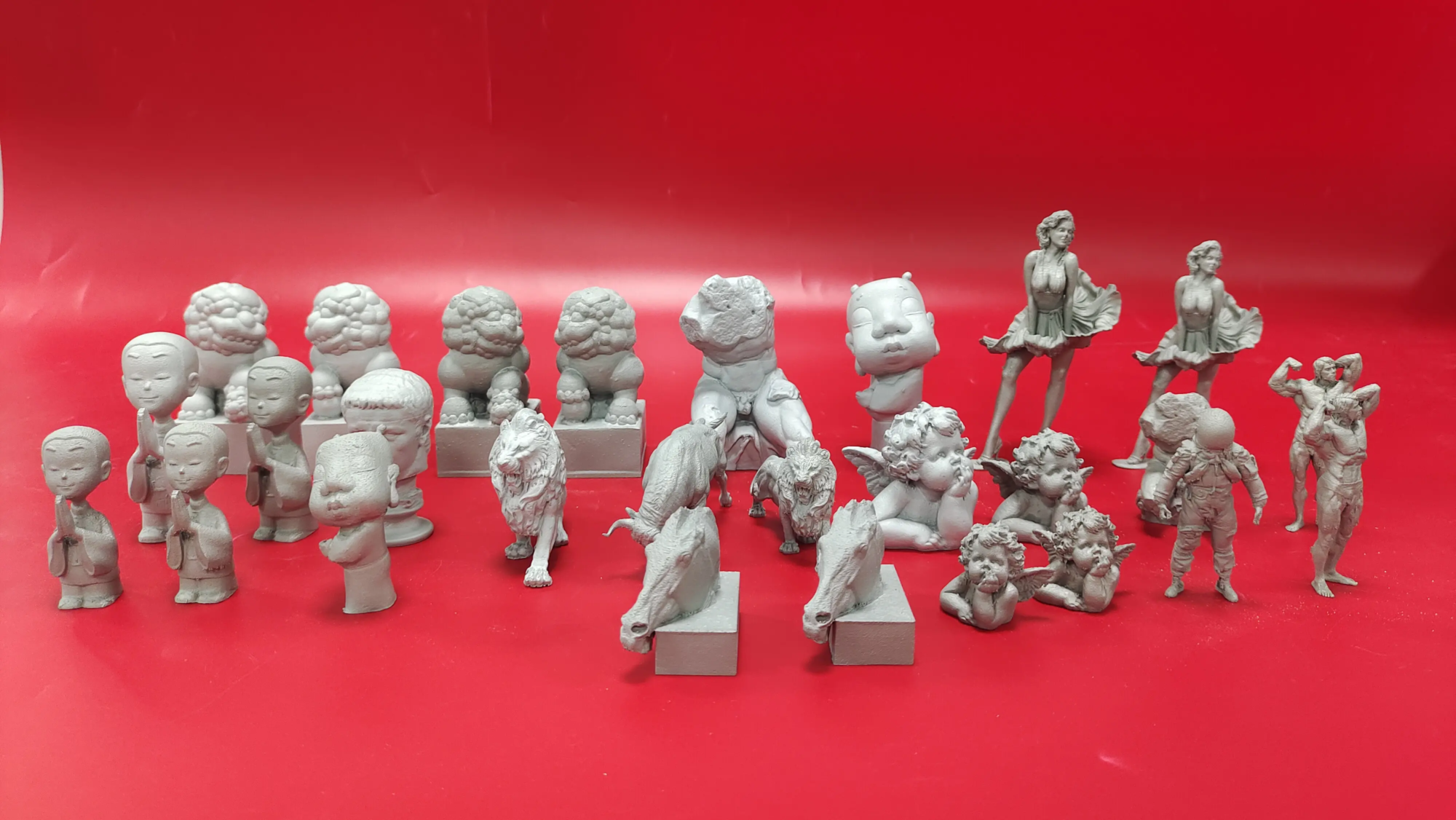
- Resin Printing (SLA/DLP/LCD): The current gold standard for N-class buildings. Provides extremely high resolution (down to microns) for capturing fine textures, sharp corners and smooth surfaces. Perfect for detailed facades, exquisite windows and intricate roof structures. Materials such as standard resins or professional engineering resins provide excellent details.
- FDM printing (Filament): Suitable for larger, simpler structures or prototypes. Despite being cost-effective and common, the fine details required to convince N-scale buildings are achieved due to the layer lines. A lot of post-treatment (sanding, primer) is required to smooth out the appearance. More suitable for large terrain features.
- Material selection: For the architectural aesthetics of most N scales (wood, brick, concrete, stucco), resin provides the finish. For functional parts or industrial elements that require more toughness, engineering resins or specialty wires may be considered.
- Printing process: Import your STL file into a slice program (such as Chitubox or Lychee as resin; Cura or Prusaslicer for FDM). The software cuts the model into thin horizontal layers and generates instructions (G-code) for the printer. Then, the printing mechanism builds the model. The resin printer secures the liquid resin layer with ultraviolet rays, while the FDM printer melts and extrudes the thermoplastic filaments.
Improved results: Post-processing is perfect
The original printed parts are just the beginning. Postprocessing turns it into a realistic model:
- clean: Resin prints need to be washed in isopropanol (IPA) to remove unauthorized resin. FDM parts require support removal and careful sanding.
- Maintenance: Resin prints must be cured ultraviolet for full strength and stability. After printing, the FDM parts are structurally reasonable.
- Grinding and smoothing: Essential for FDM, occasionally used to remove secondary print lines or support marks on resin. The resin filler primers work very well.
- start up: A high-quality primer (spray or brush) will produce a uniform surface for paint adhesion.
- Painting and weathering: Use acrylic model paint. Bottom coats, washes, dry brushes and pigments to build depth, color variations, and realistic weathered or new look.
- detail: Add final touch: Microscale Krystal Klear for windows, model masters to remove glass parts, light-etched metal railings (possible targets for dedicated SLM metal printing), sign decals and static grass/moss.
Unlocking complex potential: Professional 3D printing edge
While desktop printers are accessible, the highest quality, accuracy and efficiency for complex or multiple models are often benefited from professional services. This is what expertise like this provides Great Become priceless:
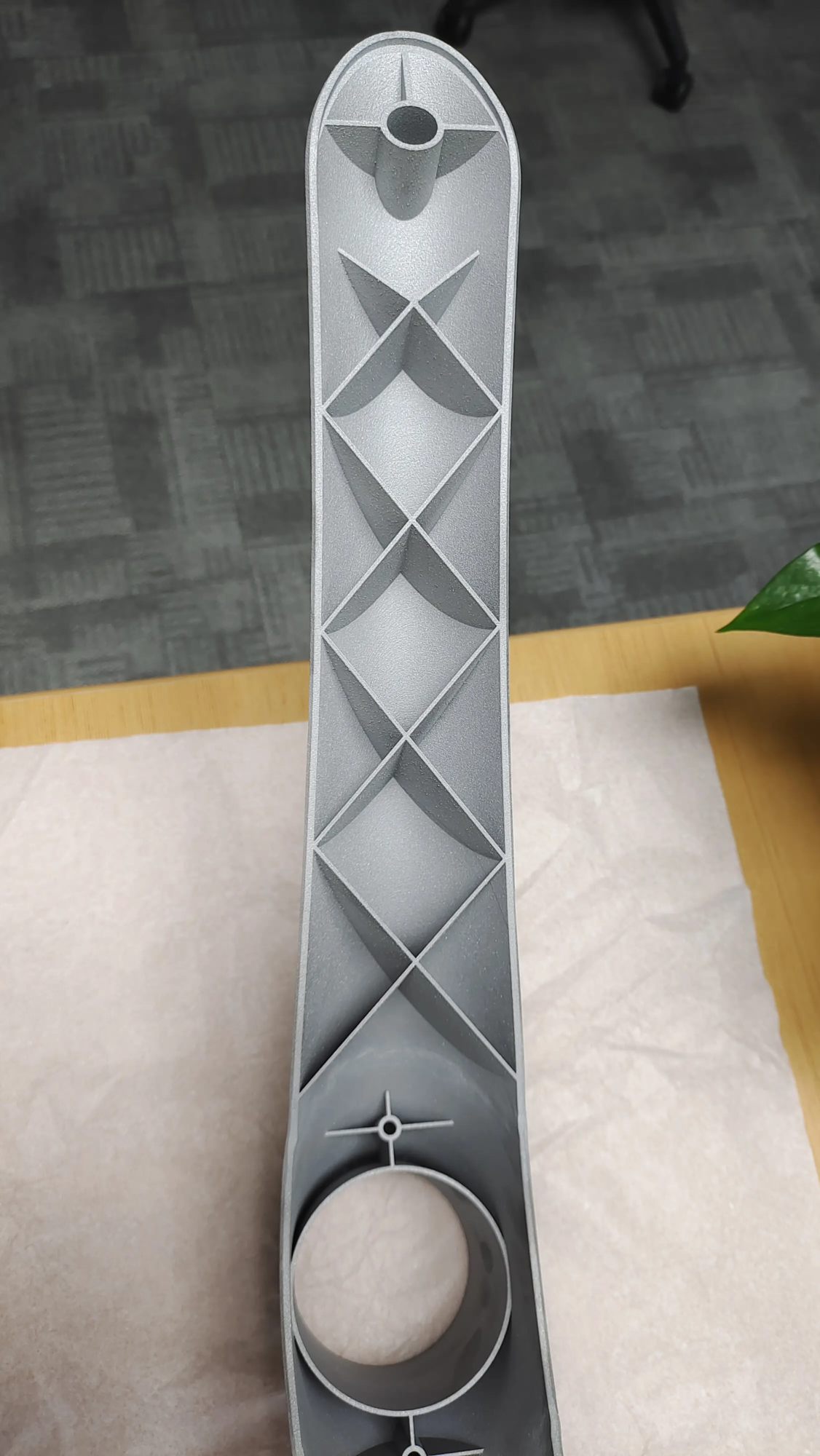
- Advanced Technology: Ability to access industrial-grade printers such as high-resolution SLA/MSLA or complex FDM systems, can provide more detail, a larger build volume for a single-piece construction, and excellent material properties beyond a typical consumer printer.
- Material mastery: Professionals deal with a wide range of advanced photopolymer resins and engineering grade thermoplastics, choose Perfect Materials that require mechanical properties, temperature resistance, surface finish requirements and visual effects of n-class masterpieces – whether it is translucent resin for stained glass or solid materials for reuse of debris.
- Unparalleled accuracy and consistency: Advanced calibration, controlled environment and expert operation ensures dimension accuracy and consistent quality of multiple prints – critical for modular buildings or production sets.
- Production efficiency: Need a copy of multiple stations to make your laying layout? Professional services like Greatlight Excel have optimized workflows in batch production, which can be used for speed and cost-effectiveness, far exceeding the throughput of home printers.
- Experts completed: Comprehensive post-processing services, including professional-grade polishing, smoothing, primer, and even custom paintings, elevate the model to museum-quality finishes. This skilled touch translates the original print into a ready-made core.
- Manufacturing Design (DFM) Support: Working with experts means you gain insight when designing. They can suggest optimizing your model structure based on the selected printing process for stronger printing, easier assembly and excellent final appearance.
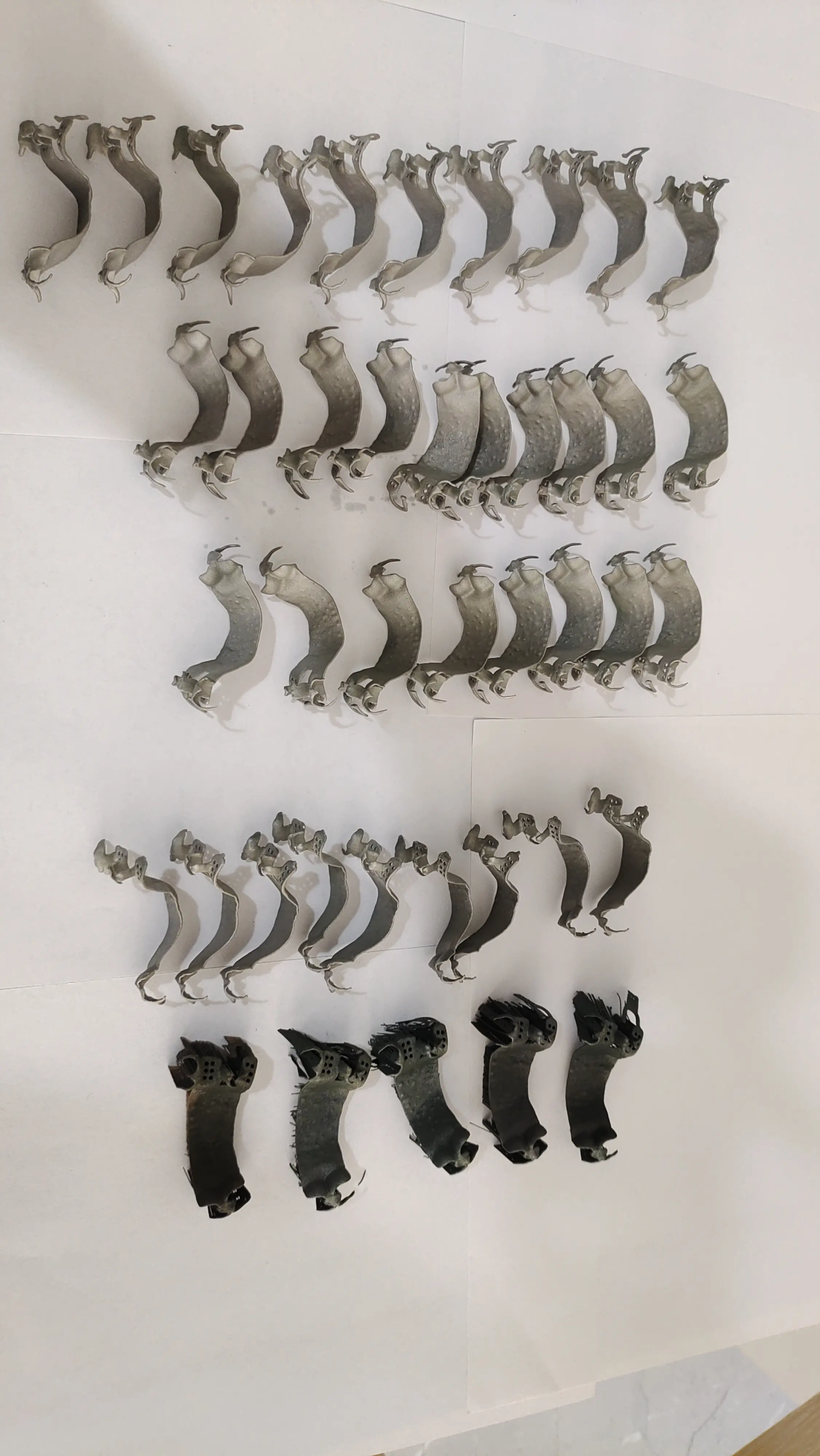
Greatwith its foundation as a professional rapid prototyping manufacturer, bringing industrial-grade precision and materials science to the railway world of models. With advanced equipment such as selective laser melting (SLM), used in sophisticated metal components (ideally suitable for ladders, grates or custom fixtures, such as ladders, grates or custom fixtures) and cutting-edge resin systems, as well as a wide range of production technologies that solve complex manufacturing challenges. Their one-stop post-processing and finishing service ensures that your 3D printed N-scale building can inspire. Greatlight offers customized material handling and fast turnaround, making it the best choice for modelers in terms of rapid prototyping quality. Customize your precision fast prototyping parts now at the best prices!
Conclusion: Build your dream layout one layer at a time
3D printed n-scale architecture is not only a novel architecture. They are a powerful tool that can change the model railway. They democratize design liberality, achieve incredible realism, and simplify the creation of truly unique layouts. Whether you are downloading files from the creative community, designing your own structure, or working with professional rapid prototyping service providers such as the Greatlight for Gromptive project, or demanding quality, this technology opens the door once deemed impossible. Embrace the miniature revolution, harness the power of 3D printing, and watch the world of your dream n-scale achievement with breathtaking details and personal talents. Your layout is waiting for the next masterpiece.
FAQ (FAQ)
Q: What is the best 3D printer type for a Class N building?
one: Resin printers (SLA, DLP, LCD) Generally, due to its high ability to capture exquisite details for complex bricks and sashes, it is usually the first choice for the N-scale. FDM printers can be used for larger, simpler structures, but require a lot of post-processing.
Q: Are 3D printed buildings sufficient for model railways?
one: Yes, when printed correctly. Once the resin building is completely cured, it is surprising for the treatment. The critical structural elements should be designed with sufficient wall thickness (usually 0.8mm+). Professional printing usually uses a higher impact resin than the consumer choice.
Q: How much does it cost to 3D printing N-scale buildings?
one: Costs vary widely: The cost depends to a large extent on the size of the building, complexity, the material you choose, and whether you print it yourself or use the service. Small download designs for printing at home can cost a few dollars in resin. Large and complex models for professional printing will be greatly increased (dozens of possible lower than hundreds).
Q: Can I draw 3D printed buildings?
one: Absolutely! In fact, painting is crucial to realism. Starting first (spraying primer is recommended) is essential for good paint adhesion. Use acrylic model paint. The resin paint is very good. For FDM, a lot of sanding and primer is required before painting.
Q: Where can I print the model?
one: Many online markets: Please check out websites like Thingiverse, Printables, Cults3D, Myminifactory, and Cgtrader. Search with keywords "N-class building," "1:160 structure," "Model railway," Add a specific type ("station," "house," "factory"). Many talented designers specialize in railway themes.
Q: Do I need design skills to use 3D printing buildings?
one: not necessarily. You just need to download the existing free or paid design. However, learning basic CAD skills (using free software) unlocks the real power of customization, allowing you to modify your design or create your dream structure from scratch.
Q: Why consider a professional service like Greatlime for Model Railway Building?
one: For advanced results, complex designs or batches: Compared to most home printers, professionals have access to industrial-grade printers to provide better resolution and smoother finishes, the printer, a wider range of advanced materials (including professional engineering resins), expert finish services (sand oil, start-up), guaranteed accuracy, consistent batch quality, mass production and design optimization recommendations. They handle complex geometric shapes and details more reliably.