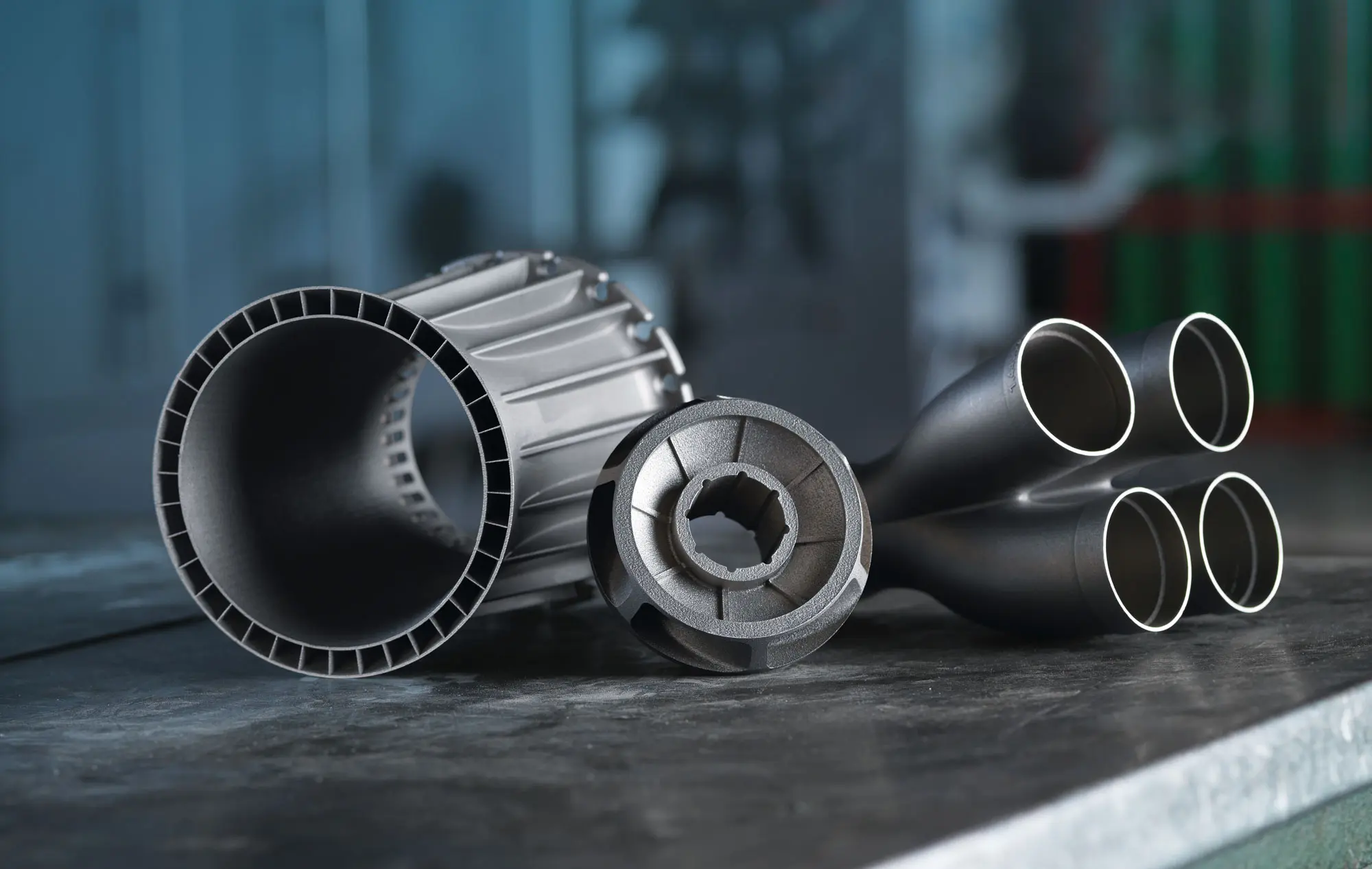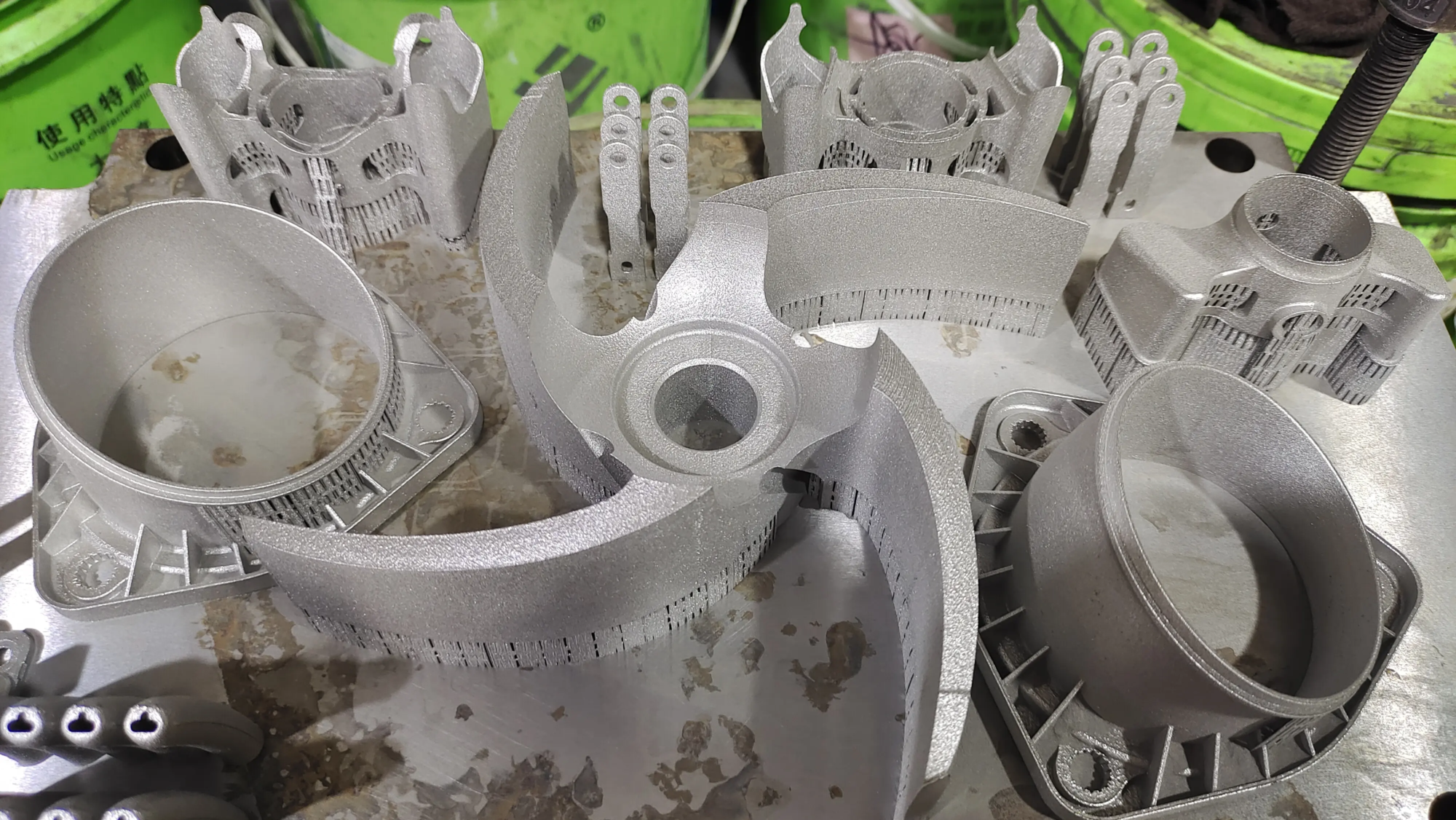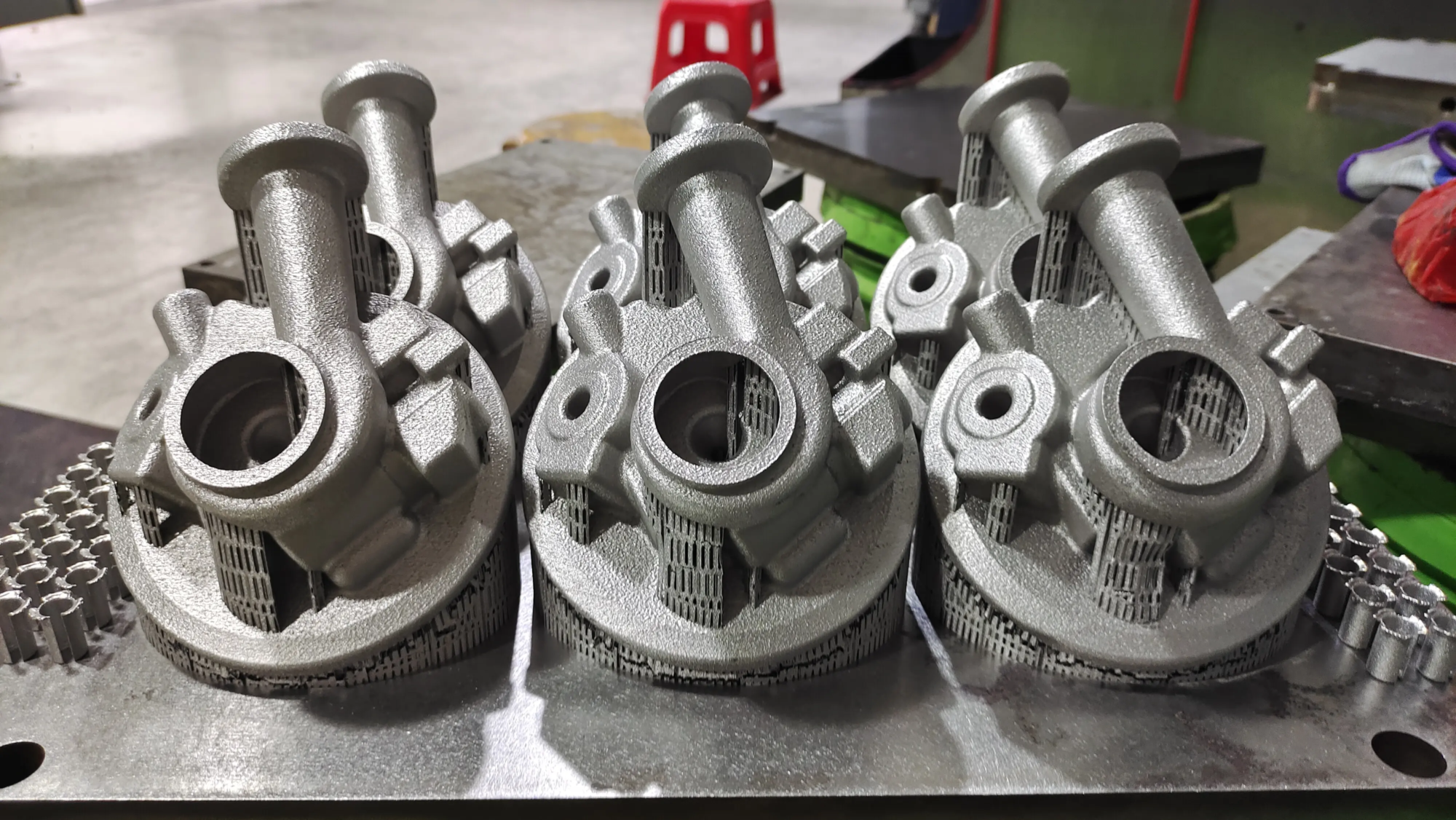
With the continuous development of technology, the world of 3D printing has expanded its functions to print various metals, including copper. Copper has excellent electrical and thermal conductivity and is a highly sought after material in many industries, from electronics to aerospace. However, traditional manufacturing methods often make it difficult to effectively produce complex copper parts. This is where 3D printed copper comes into play, and it provides a revolutionary manufacturing method that combines precision, speed and the ability to create complex geometries that are impossible or highly impractical with traditional techniques.
The process of 3D printing of copper involves several key steps and techniques. One of the most common methods is selective laser melting (SLM), a form of powder-like bed fusion in which high-powered lasers selectively fuse copper powder together layer by layer. This process allows the creation of parts with complex details and complex internal structures, which are particularly beneficial for applications requiring lightweight but powerful components such as in the aerospace and automotive industries.
When considering 3D printing of copper, challenges related to this process must be addressed. The reflectivity of copper is high, which can lead to problems with laser absorption during printing, which can affect the quality and accuracy of the final product. In addition, the high thermal conductivity of copper may cause thermal management problems during printing, so specialized equipment and techniques are required to effectively manage temperature gradients.
Despite these challenges, the benefits of 3D printing of copper are huge. It can produce prototype and end-use parts quickly, with a much reduced time from design to functional parts compared to traditional manufacturing methods. This rapid prototyping capability is particularly valuable in R&D, where the ability to quickly test and iterate designs may be a key competitive advantage.
In addition, the use of 3D printed copper parts opens up new design possibilities. The ability to create complex geometry and internal structures allows optimization of part performance in ways that are impossible for conventional manufacturing techniques. For example, in the electronics field, 3D printed copper parts can be designed using optimized thermal management functions, thereby improving the efficiency and reliability of electronic devices.
For companies looking to take advantage of the benefits of 3D printed copper parts, working with professional rapid prototyping manufacturers, like Greatlight, is invaluable. With extensive experience in advanced SLM 3D printers and rapid prototyping of metal parts, Greglight offers customized solutions that meet specific customer needs, including one-stop post-processing and finishing services. Their expertise ensures customers quickly obtain high-quality parts, making them the ideal partner for businesses seeking innovation and leading in their respective markets.
In short, 3D printed copper represents a significant advance in manufacturing technology, providing unprecedented capabilities for the production of complex metal parts with high precision and speed. Despite its unique challenges, the enhanced design flexibility, the benefits of rapid prototyping, and the ability to optimize parts make it an attractive choice for industries that rely on copper parts. As technology continues to evolve, we can expect to see more innovative applications of 3D printed copper, thus driving advancements from electronics to aerospace.
FAQ:
-
What are the main methods of 3D printing of copper?
- The main method for 3D printing of copper is selective laser melting (SLM), a form of powder-like bed fusion.
-
What are the challenges of 3D printing of copper?
- Challenges include the high reflectivity of copper, which may affect laser absorption and its high thermal conductivity, which may cause thermal management issues during printing.
-
What are the benefits of 3D printing of copper parts?
- Benefits include rapid production of prototype and end-use parts, the ability to create complex geometric shapes and internal structures, and optimization of part performance.
-
Why is 3D printing of copper useful in electronic products?
- 3D printed copper is useful in electronics because it allows the creation of components with optimized thermal management capabilities, thereby increasing device efficiency and reliability.
- How to get custom 3D printed copper parts?
- You can work with a professional rapid prototyping manufacturer like Greatlight, which offers customized 3D printing solutions including one-stop post-processing and finishing services.