The Miracle of the Universe in Your Hands: A Guide to Making a 3D Printing Orrery
The sky gazing at the night sky has inspired mankind for thousands of years. Capturing the complex dance around our sun with a tangible moving model (an Orrery) is a fascinating fusion of art, science and engineering. Historically, these are complex masterpieces carefully crafted by skilled artisans. Today, 3D printing technology democratizes this spectacle, allowing amateurs, educators, and astronomy enthusiasts to build their own models of their functional solar system. This guide delves into the fascinating world of 3D printing Orreries, explores the design, printing and assembly processes, and how professional services can enhance your project.
Why choose 3D printed Orrery?
- Accessibility and affordability: Without traditional processing costs, complex mechanical parts will become feasible.
- Custom: Design your own solar system – including specific planets, adjust scales or add moons.
- Educational ability: Hands-on practice is unparalleled, and it is impossible to understand planetary orbits, rotations, and relative velocities.
- Manufacturer satisfaction: Pride of assembling and understanding working mechanical models.
- Quick iteration: The test design changes rapidly with the reprinted parts.
Design your celestial mechanics: from concept to CAD
- Concept and scale: Definition range – Internal solar system only? What are the ratios of planet size and orbital distance? Will it be purely decorative or highly accurate?
- Gear Ratio and Kinematics: This is Heart Orrery. Each planet needs to be reduced relative to the specific gear that drives the central sun gear, proportional to the real orbital period around it. Calculating these ratios requires careful planning of the gears.
- CAD Modeling: Fusion 360, SolidWorks and even professional astronomy/CAD tools are crucial. Model:
- Basic and central columns.
- Central sun gears and shafts.
- Planetary gear assembly (sun gear, planetary carrier gear, output shaft gear for each planet).
- Planetary arm (connecting rod).
- The planet itself.
- Bearings and bushing housing.
- Tolerance is crucial: Orreries rely on smooth mesh gears and minimal friction. Account prints tolerances in design! Include a gap between moving parts (e.g. 0.2-0.3mm) and make sure the bearing pockets are very suitable.
- Printability: Design parts to minimize support, ensure structural integrity (especially for thin arms/gears), and consider overhanging. If necessary, separate the large parts.
Material Important: Choose the right plastic (or metal!)
- PLA: Most common choice – Affordable, easy to print, with a wide range of colors. Ideal for models for display/light use. Deformation can be performed under continuous stress or high friction.
- PETG: ** A good choice. Better handling of friction. More suitable for moving parts.
- ABS: Very sturdy but requires heated chamber/shell for best results and risk of twisting. Can handle higher stress points.
- Nylon (PA): Extremely tough and wear-resistant. Ideal for high friction components such as gears and bushings. Higher printing temperatures are required and dry frequently.
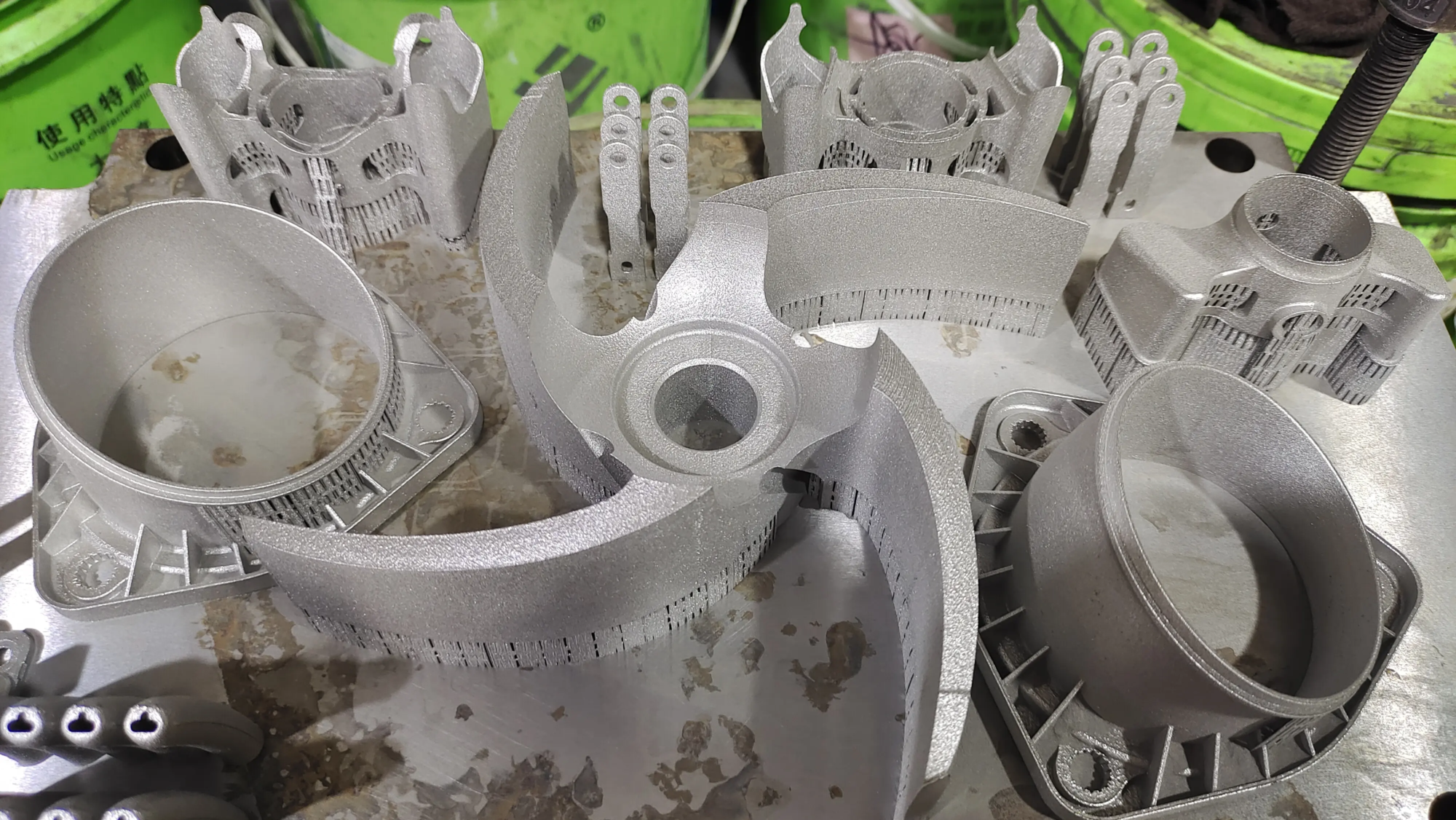
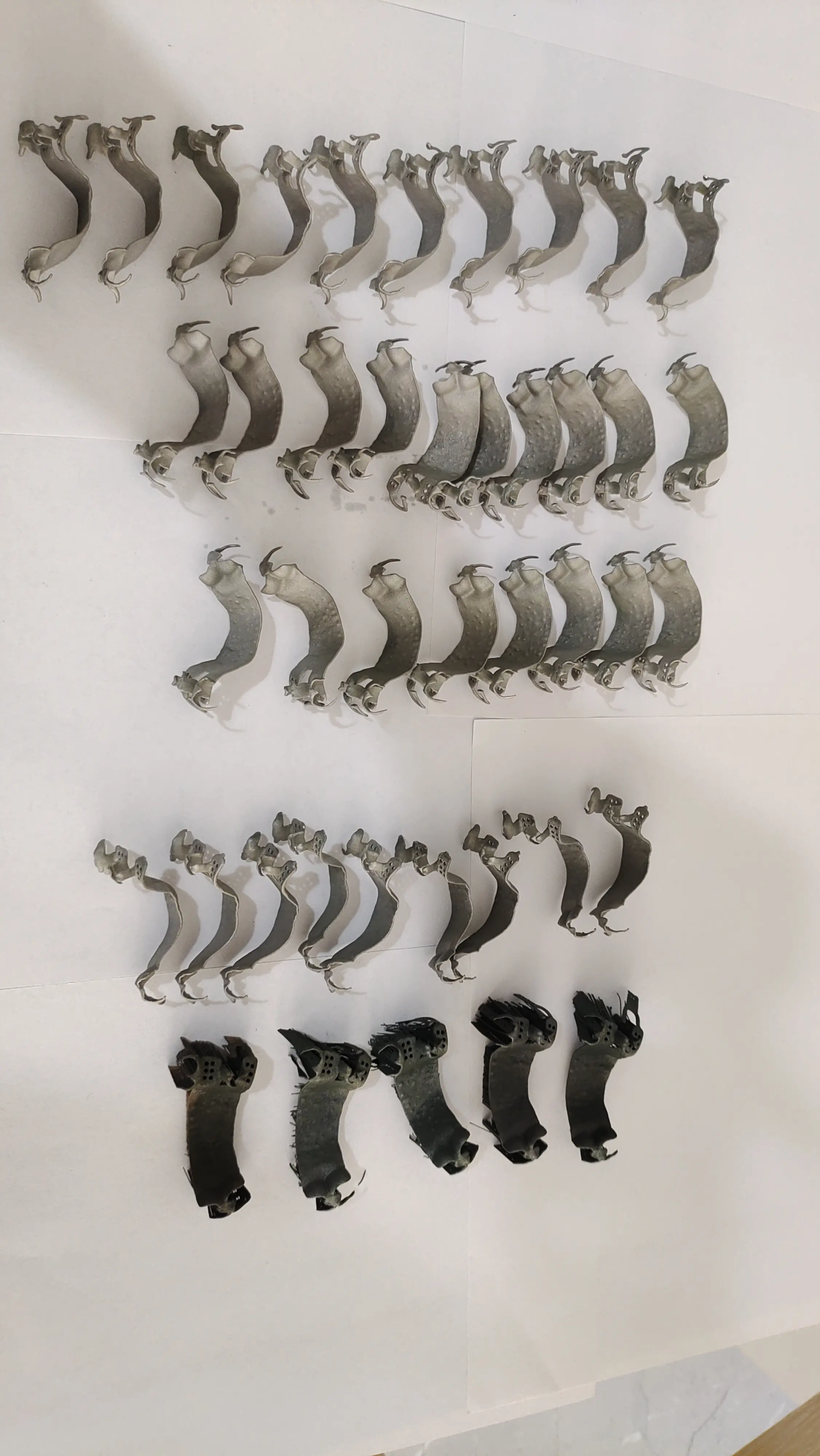
- Metal (via SLS/SLM): final Durability, precision and smooth operationconsider Metal 3D Printing – In particular, Selective Laser Melting (SLM).
- Very low friction: Metal gear mesh inlay with inherent lubricating characteristics.
- High power: Handle complex forces and long-term operations without fatigue.
- Dimensional stability: Unrivaled accuracy has tolerances that are critical to complex gear trains.
- Heat resistance: It is completely unaffected by changes in ambient temperature.
- Professional surface: Can be polished to a beautiful sheen.
Take advantage of professional power: Great – Your precise partner
Bringing complex, functional mechanical equipment like Orrery to life requires high precision and reliable materials. This is a professional rapid prototype service like this Great shine.
- Advanced SLM technology: Greglight Loverages state-of-the-art Selective laser melting (SLM) 3D printer. This industrial-grade technology combines exquisite metal powders (such as aluminum, stainless steel, titanium) and uses a powerful laser to fuse one layer. result? Solid-intensive metal parts offer excellent mechanical properties and accuracy, and typical desktop FDM printing is unparalleled.
- Solve the challenge of rapid metal prototyping: Designing complex planetary gear trains for metal printing requires expertise. Greatlight engineers excel in design optimization specifically for SLM, ensuring manufacturing while maintaining smooth gear mesh and key tolerances for arm movement.
- One-stop post-processing excellence: The original gold parts directly from the printer usually need to be completed. Gremply provides comprehensive services:
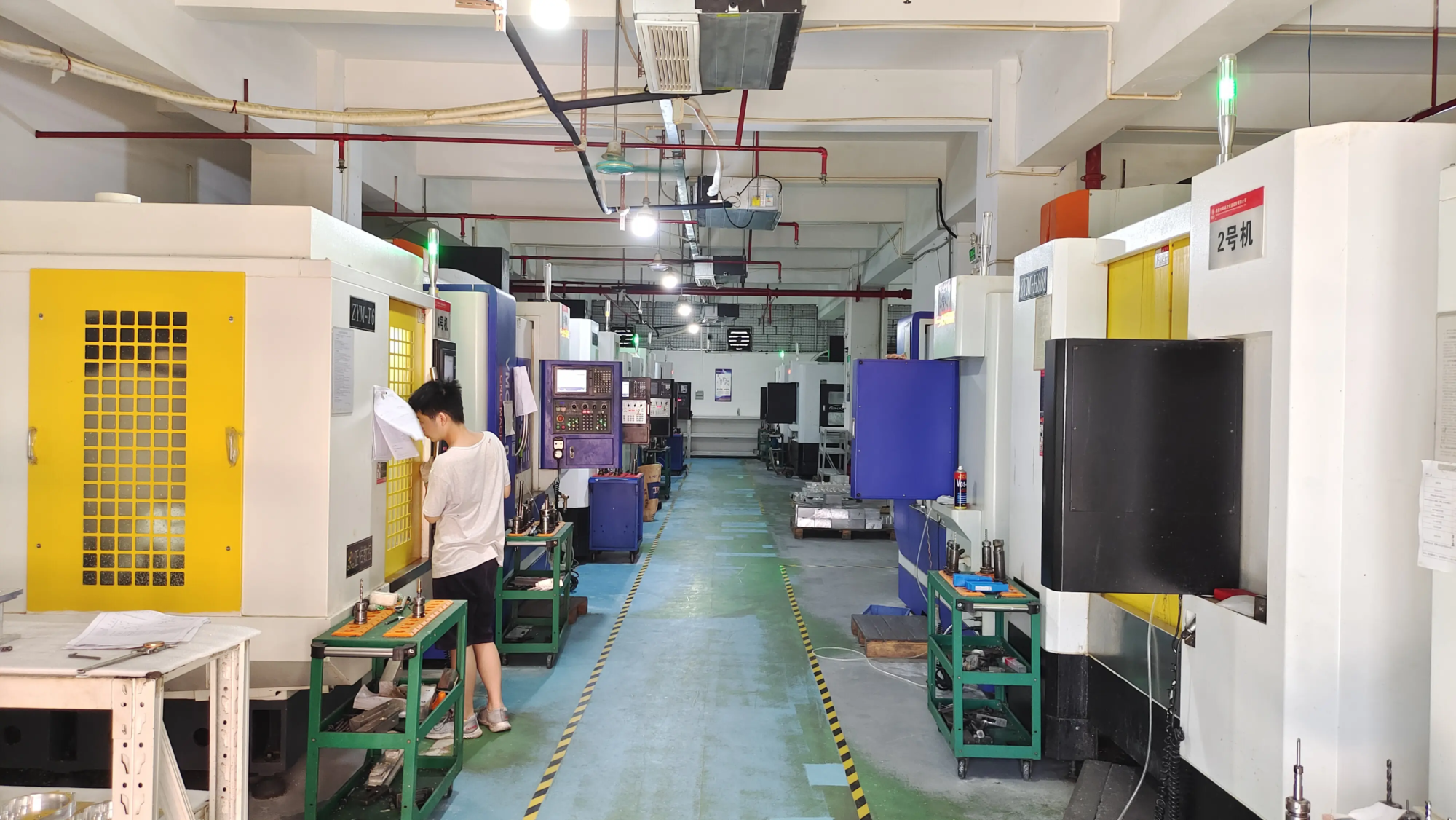
- Precision CNC machining for bearing seats or critical interfaces.
- Surface finishing (sanding, polishing, media blasting) to reduce friction, durability and aesthetics.
- Heat treatment (if required) to enhance material properties.
- Material flexibility: Enter a wide range of aviation grade metals. Aluminum alloy (ALSI10MG) is popular for its lightweight and good mechanical properties. Stainless steel offers extreme strength and corrosion resistance, while titanium provides unparalleled strength to weight ratio.
- Speed and customization: Do those complex planetary gears that need to be printed quickly? GRESTLIGHT specialized research Quick turnaround High-quality metal prototypes and end-use parts that can be customized to your exact specifications.
- Why big? For a dedication to a dedication to a technical capability and precision that looks not only amazing, but also runs with the silence, smooth precision of the long-lasting cosmos, delegating critical metal components to Greatlight’s technical capabilities and precision. As one of China’s leading rapid prototyping experts, they ensure your vision becomes the reality of competitive prices.
Assembly and post-processing: Put everything together
- Post-processed printed parts (FDM):
- Be careful to remove the support. Use a rinse cutter and sandpaper.
- Sand smoothly, especially gear teeth, bearing surfaces and arm contact points.
- Clean parts thoroughly to remove dust and oil.
- consider Dry lubrication: Graphite powder or a specialized PTFE-based lubricant is ideal for plastic gears, minimizing friction without attracting dust (unlike wet lubricants).
- Install bearings/bushings: Accurate tolerances are required to fit the bearing. If it is too tight or uses a small amount of adhesive (such as Ca glue for plastic parts), gently sand the socket if it is too loose (if it is too loose).
- Test fit: First assemble glue-free subassemblies. Ensure that the gears melt smoothly and rotate freely with minimal arms. Identify and repair binding points immediately. This is crucial before final assembly!
- Permanent Conference: Use appropriate adhesive (plastic Ca glue, epoxy, if bonding the plastic to the metal component). Assembly in an orderly manner, following gear train logic. If possible, use a fixture to make sure the arms are aligned correctly.
- Final touch (optional): Accurately paint the planet. Add information plaques. Apply the final protective clear coating (make sure it is compatible with the lubricant when used).
Conclusion: Touch heaven once, once
Building an Orrery for 3D printing is a profound reward. It combines the celestial wonders of astronomy with the tangible satisfaction of something refined and functional. While desktop FDM printers make it accessible to many people, the need for precise mechanisms reveals the obvious advantages of professional metal 3D printing services such as Greatlight. Their SLM capabilities transform complex plastic models into a durable, high-precision, heirloom quality instrument. Unlike anyone else, metal gears drive the planet’s smooth rotation on eternal paths to glimpse into the clockwork universe. Whether for education, presentation or personal obsession, it is a 3D printed Orrery, especially an Orrery enhanced by professional metal components, that brings the grandeur of our solar system to the limits of ARM. So embark on your journey – design, print, assemble and marvel at the cosmic dance unfolding on the desktop.
Frequently Asked Questions about 3D Printing Orreries (FAQs)
-
Q: Build a 3D printed Orrery for beginners?
- one: design Functionally accurate Orrery starting from scratch requires an important understanding of mechanical engineering, especially for gear ratios. Beginners should Existing design Free on platforms like Thingiverse or Printables. Assembly requires complexity due to small parts and tolerances, requiring patience and mechanical skills.
-
Q: How accurate is the Orrery of 3D printing?
- one: They can be very good for visual representation and educational purposes. Realize the truth Zoom Accuracy of two planet sizes and Due to the large size of the solar system, it is almost impossible to orbit distance simultaneously on desktop size. Focus is usually relative track speed accuracy (gear ratio), rather than perfect size/distance scale.
-
Q: What causes friction/interference in 3D printing Orreries?
- one: Common culprits are: insufficient gear clearance (insufficient toleration of CAD/PRINT), rough gear surfaces (poor sandpaper/printing), misalignment during assembly, twisted parts (especially PLA), lack of lubrication (for contact of plastics) or bonded bearings/bushings. Detailed printing, post-treatment, detailed assembly and dry lubricants are key.
-
Q: Why do I choose metal parts (SLM) for Orrery?
- one: Metal SLM printing parts provide quality Durability, accuracy and reliability Mechanism is crucial:
- longevity: Metal gears are significantly better than plastics with resistance to wear and deformation.
- Precise completion: Achieve a smoother mesh for quieter, frictionless operations.
- Dimensional stability: Metal does not warp or creep under load like plastic.
- Heat resistance: There is no risk of softening or distortion in a warm environment.
- Professional aesthetics: Polished metal balls or arms look spectacular.
- Heirloom quality: Spanning generations as functional displays.
- one: Metal SLM printing parts provide quality Durability, accuracy and reliability Mechanism is crucial:
-
Q: How does Greatlight make the metal 3D printing process easier?
- one: Greglight provides a comprehensive solution:
- Expertise: Engineering support to optimize metal printing design (SLM).
- Precise manufacturing: Use advanced SLM equipment to provide high-precision parts.
- Material selection: Provide functional metals such as aluminum, steel and titanium.
- finishing: Key post-processing (processing, polishing) for handling off-the-shelf parts.
- Speed and reliability: Fast production time and consistent quality assurance.
- one: Greglight provides a comprehensive solution:
-
Q: Can I print planets too?
- one: Yes, absolutely. Plastic printing is common for spheres. However, quality projects with plastic mechanisms sometimes benefit aesthetically Precision-processed metal balls For the sun or planet, great lights can also provide amazing contrast and high-end feel.
- Q: What is the estimated cost of 3D printing Orrery?
- one: There are a lot of changes. DIY is printed entirely in a PLA on a home printer, which can cost $20-$50 of filaments plus time. Depending on the material, size, complexity and finish, adding professional metal gears/critical components (for example, via Greatlight) may add $100-$500+, but offers unparalleled quality and life. Completely professional metal rubber will be greatly added.
embark on your Orrery journey, take on challenges, and consider working with experts like Greatlight, where the quality and accuracy of these key moving parts are crucial. The universe is waiting for your craft!