Capturing Lightning with Plastic: Your Expert Guide to 3D Printing Pikachu
It’s magic to bring beloved characters like Pikachu into your own hands. 3D printing has democratized creation and turned digital dreams into tangible treasures. Whether you’re a Pokémon lover or a prototype amateur, Pikachu, who makes 3D printing, blends nostalgia with cutting-edge technology. In this guide, we will cover every step from digital models to a vibrant collection, while highlighting how professionals like Greatlight can enhance industrial applications.
Why Pikachu? The charm of custom 3D printing
Pikachu is not only an idol. Its circular form, expressiveness and unique profile make it an ideal 3D printing project. Unlike complex mechanical parts, Pikachu’s design teaches basic techniques: drape management, supporting structural optimization and surface finishes. This is an interesting portal for additive manufacturing for beginners. For experts, this is a canvas that showcases advanced materials and post-processing.
Step by step: DIY 3D Printed Pikachu
Phase 1: Digital Blueprint
- Source your model: Find Pikachu STL files from well-known repositories such as Thingiverse or Cults3D. Priority is given to models with clear geometry and minimal non-model edges.
- Optimized printing: Use Blender or Meshmixer:
- Scaling model (10–15 cm tall beginner friendly).
- Hollow inside (save 2-3 mm wall thickness to save material).
- Split up complex models (e.g., detachable tails) for easy printing.
- Respect copyright: For personal use only. Commercial production requires license.
Stage 2: Slicing and Settings
- Slicer settings:
- Material: PLA (easy) or PETG (durable). Avoid ABS for unfenced details.
- Layer height: Smooth curve 0.1-0.15 mm.
- support: Tree/ear support; 20% density.
- filling: 15–20% (capacity reduces swing).
- Printer calibration: Flat the bed, clean the nozzle, and apply a thin layer of glue rod to prevent warping.
Phase 3: Printing execution
- Monitor the first floor closely – the field of view or lifting indicates the problem of bed adhesion.
- Estimated printing time: ~5–8 hours, medium size, and with standard settings.
- Troubleshooting Tips:
- Strings? The lower nozzle temperature (PLA is 190°C) and recovered.
- Layer movement? Check belt tension and stepper motor current.
Stage 4: Postprocessing mastery
- Support removal: Use a rinse cutter and then use sand seams with 220 particle size paper.
- Surface Improvements: Add a fill primer, apply gradually (400→1000 particle size), and polish at low speed.
- painting:
- Use acrylic spray.
- Hand-painted details (Citadel Paints are great for eyes/corners).
- Sealed with matte varnish.
- assembly: For multi-part printing, combine with ultra bright or epoxy.
When DIY is not enough: Professional-grade solutions
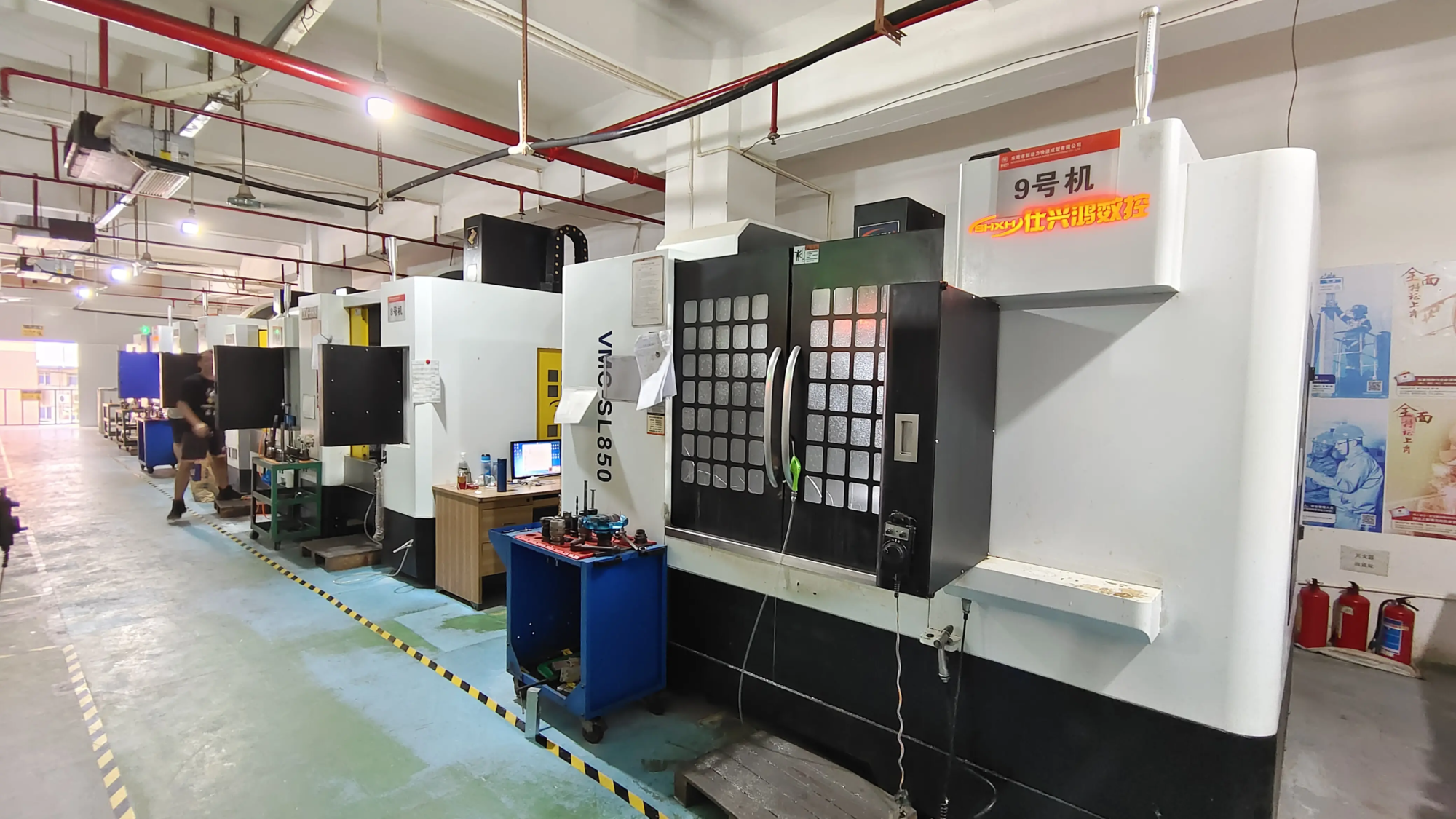
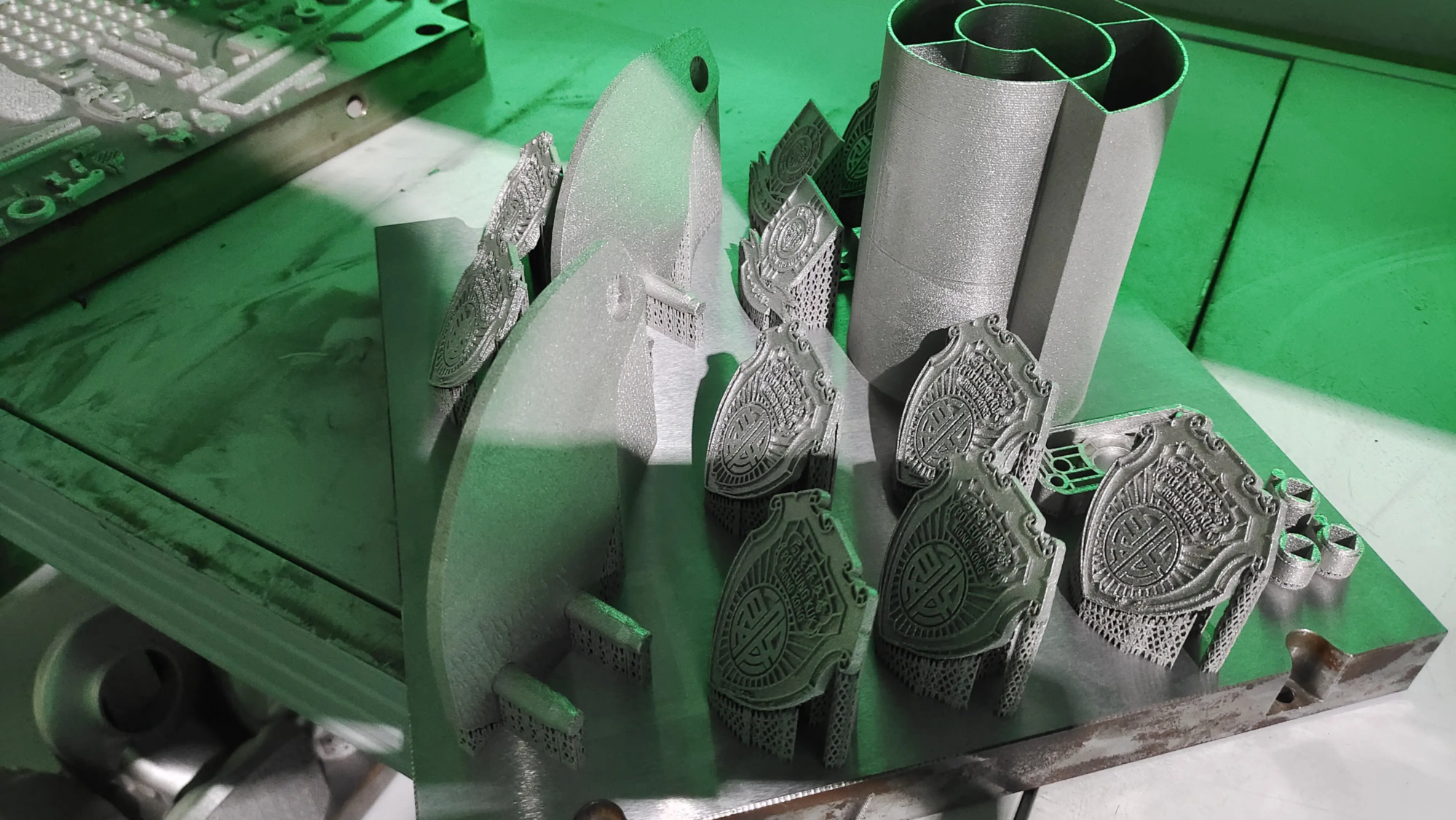
While home printing makes sense, complex geometry such as Pikachu’s tail or highlight finishes require industrial expertise. This is where the Greatlight Rapid Prototyping Service shines. Using selective laser melting (SLM) technology, we can produce Pikachu statues in metals such as aluminum or stainless steel for high-quality collections or functional prototypes. Our end-to-end workflow includes:
- Material flexibility: Polymers (resin, nylon) to metals (titanium, copper alloy).
- Precision Engineering: ±0.05 mm tolerance for complex features (e.g., embroidered cheek details).
- Professionally completed: Bead blasting, electroplating (Golden Pikachu, anyone?) or mirror polishing.
- speed: Functional prototypes are delivered within 48 hours.
Conclusion: From passion projects to professional art
3D Printing Pikachu Bridges Fandom and Manufacturing – Proves how accessible technology enables creativity. For amateurs, this is a happy challenge in digital craftsmanship. For businesses, this is a stepping stone to a functional prototype or custom merchandise. At Greatlight, we are obsessed with boundaries: Whether you are iterating toy designs or needing aviation-grade components, our SLM printers and post-processing kits offer unparalleled precision. Ready to expand your vision? Work with us for rapid prototyping, blending artistry with rigorous engineering.
FAQ: Your 3D Printed Pikachu Query has been answered
Question 1: Can I legally sell my 3D printed Pikachu?
A: Pikachu is not copyrighted by Nintendo®. Printing for personal use is usually tolerated, but commercial sales require a formal license. For original designs inspired by Pokémon, consult an IP lawyer.
Q2: Which material is best for children’s safe Pikachu prints?
A: Food safety PLA (such as PLA+) is non-toxic and durable. Avoid printing resin unless cured and coated with a child safety sealant. For baby toys, select medical grade silicone casting from 3D printed molds.
Q3: Why does my Pikachu have "zits" Or spots on the surface?
A: This is usually caused by moisture or excessive extrusion in the filaments. Drying the PLA/PET at 45°C at 45°C before printing and calibrating the extrusion multiplier setting.
Q4: Can Greatlight print Pikachu with metal?
Answer: Absolutely! Our SLM printers handle stainless steel, aluminum and titanium. Metal Pikachus is ideal for jewelry or industrial display pieces. Desired to enhance weight, durability and options such as heat treatment color effects.
Q5: How to achieve a smooth finish of glass without polishing?
A: For resin prints, chemical smoothing (e.g., isopropyl vapor) works well. For plastics, Greatlight offers professional tumbling and steam polishing. DIY alternatives include epoxy resin coatings.
Question 6: What is the largest Pikachu I can print?
Answer: The maximum house printer is about 30 cm. For larger builds (up to 1 m), Greatlight’s large printer + subdivision assembly service offers seamless sculptures that are perfect for event or retail displays.
Question 7: How does Greatmight ensure the accuracy of tiny functions such as Pikachu eyes?
A: We use a height of 20–30 μm on a tuned micro-detail machine and paired with a µCT scan for defect detection. Post-processing includes manual check of magnification.
Turn inspiration into reality – Start your Pikachu project now, or contact Greatlight for redefining precision prototypes. Custom solutions, lightning turnaround.