The future is within reach: A comprehensive guide to 3D printed prosthetics
Losing a finger has profound functional and emotional significance. Holding a coffee cup, typing an email, playing the guitar, or just holding a loved one’s hand becomes a huge challenge. Traditional prosthetic fingers, while essential, often have limitations: high cost, lack of customization, discomfort, and cumbersome manufacturing processes. Introducing 3D printing—a revolutionary technology that reshapes the possibilities for personalized healthcare, especially when it comes to creating Full-featured, affordable, lifelike prosthetic fingers.
Beyond copying: meeting a need
Humans constantly rely on precise finger movements. This kind of flexibility is often difficult to replicate with traditional prosthetics. Mass-produced makeup fingers may restore appearance, but offer no functionality. Functional mechanical prostheses exist, but they are expensive, require lengthy fitting processes, and can be bulky or uncomfortable, especially for children who soon outgrow them. 3D printing directly solves these pain points:
- Personalization is crucial: Every hand and every amputation site is unique. 3D printing excels at creating custom solutions. Customize the digital model using 3D scanning or precise measurements of the residual limb and contralateral fingers. This ensures an anatomical fit that evenly distributes pressure for comfort and stability not possible with off-the-shelf options.
- Democratic access: The affordability gap is staggering. While traditional functional finger prostheses can cost thousands of dollars, a basic 3D printed functional finger can be produced at a fraction of that cost ($50-$500, depending on complexity and materials). This brings life-changing technology to more people around the world, including in resource-poor areas. Open source design further enhances accessibility.
- Running speed: Traditional manufacturing involves molds, castings and multiple parts and takes weeks or months. Once a design is digitized, 3D printing can quickly produce a prosthetic limb—usually within hours or days. This is critical not only for access, but also for pediatric cases that require frequent replacement as the child grows.
- Design freedom and functionality: Unlike subtractive manufacturing (such as CNC machining), 3D printing is built layer by layer. This makes complex internal mechanisms (hinges, pulley systems) and lightweight grid structures impossible to achieve otherwise. Designs range from simple passive devices that mimic position, to body-driven prosthetic fingers that exploit wrist motion, and even space for integrating future electronic components.
The journey from scan to hand: the 3D printing process
Creating 3D printed prosthetic fingers requires a technology-driven, collaborative workflow:
-
Digitization and modeling:
- scanning: High-precision 3D scanners non-invasively capture the hand and amputation site geometry. Infrared and structured light scanners are common.
- Photogrammetry: One possible alternative is to use photos taken around the limb from multiple angles and computationally reconstruct them into a 3D model.
- design: Prosthetists, biomedical engineers or designers develop prosthetic limb models using specialized CAD software (Blender, Fusion 360, specialized medical design tools). Key considerations include fit, range of motion, activation mechanism, aesthetics and structural integrity. Open source repositories (eNable, etc.) can sometimes serve as a starting point.
-
Material selection: The choice depends on features and budget:
- Thermoplastics (FDM): PLA or ABS are common, low-cost options for basic cosmetic prosthetics or prototyping. TPU (thermoplastic polyurethane) provides the necessary flexibility and impact resistance for functional hinges and handles.
- Photopolymer (SLA/DLP): The resin provides superior surface smoothness and detail, making it ideal for cosmetic housings or complex parts that require precision.
- Nylon (SLS/MJF): Provides superior strength, durability and flexibility for highly stressed components within functional fingers. Complex geometries can be achieved without the need for support structures.
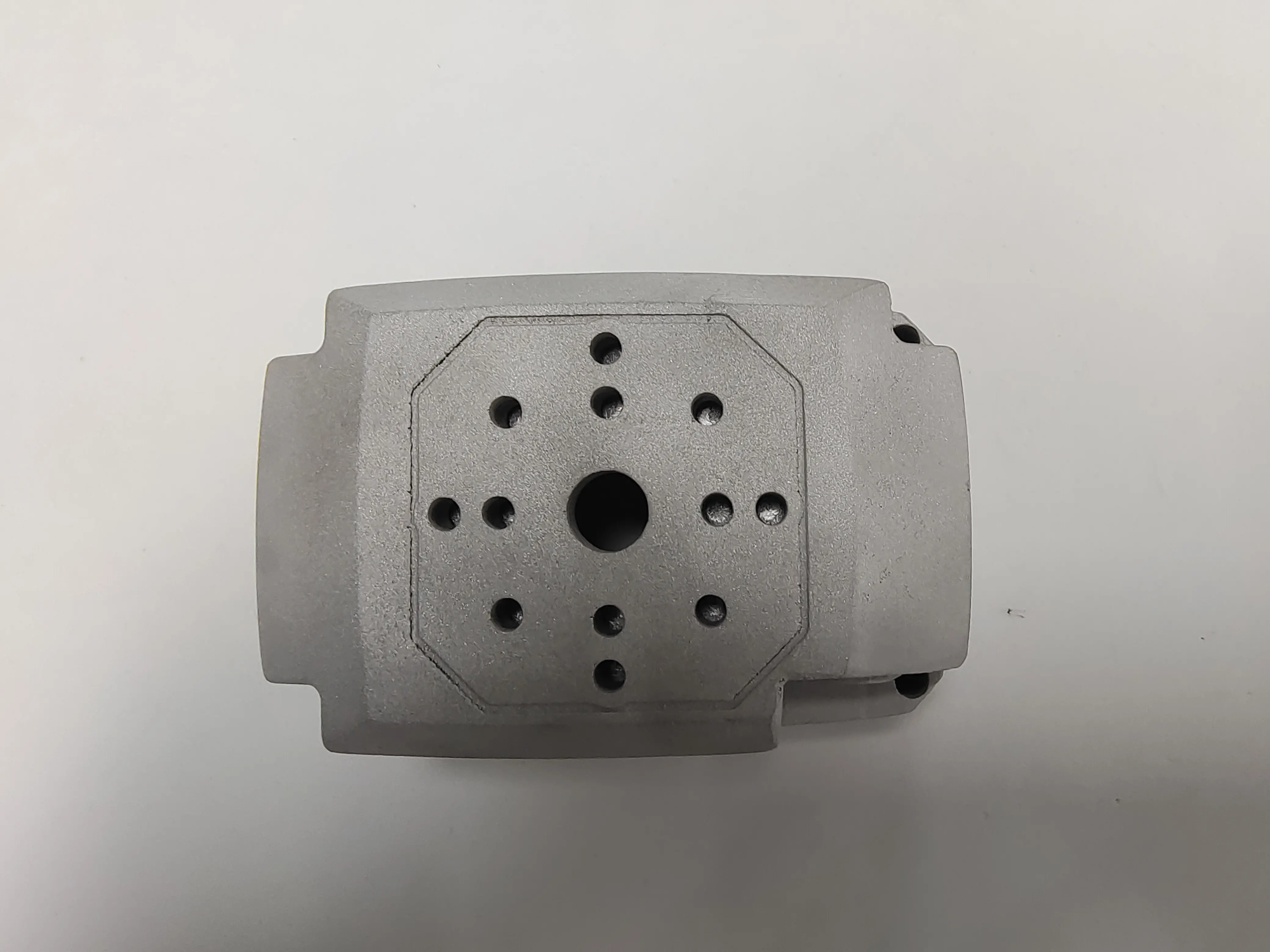
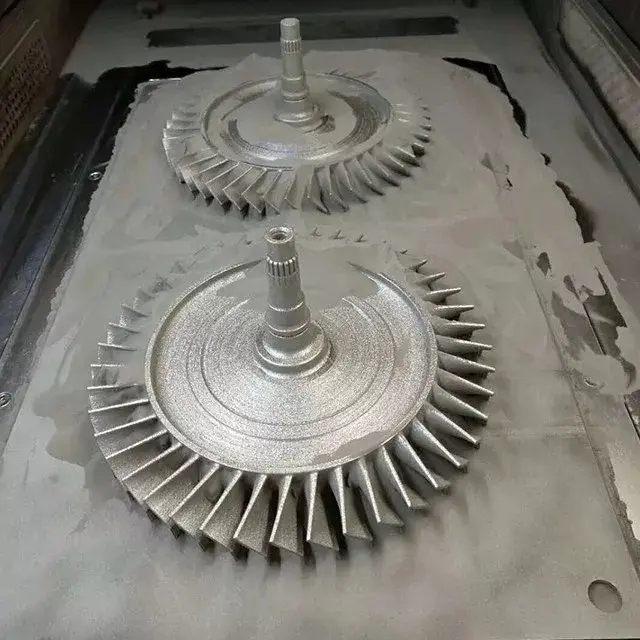
- Metal (SLM/DMLS): Titanium alloys are increasingly used via selective laser melting for ultra-strong, lightweight internal frames or joints where high cycle durability is required. Biocompatible options exist with direct skin contact potential.
- Biocompatible/Advanced Materials: Research focuses on flexible, self-lubricating materials and biocompatible resins/sintering to improve comfort and integration.
-
3D printing: The selected digital model is cut into layers and sent to the printer. Layer thickness, fill density and support structure settings are optimized for strength, weight and functionality. Printing times vary based on technology and design complexity.
- Post-processing: Original prints usually require finishing:
- Support removal: Carefully dismantle the scaffolding structure.
- Surface treatment: Sand, polish (for resin/plastic), steam smooth (for ABS) or sandblast/tumble (for metal/nylon) to improve comfort and aesthetics. GreatLight specializes in complex post-processing of advanced metals printed using SLM.
- Assembly and integration: Attaches pins, hinges, cables to body powered devices, padding (silicone) or decorative covers (painted/silicone). Electronic components (myoelectric sensors, basic actuators) can be integrated into advanced prototypes.
Why choose 3D printed fingers? overwhelming advantage
- Ultra-custom fit: Perfect anatomical match maximizes comfort and usability.
- Significant cost reduction: The price is a fraction of traditional prosthetics.
- Rapid production and assembly: Days, not weeks or months.
- Unprecedented design flexibility: Complex geometries, internal mechanisms, lightweight construction.
- Scalability and accessibility: Streamlined logistics enable wider global reach.
- Suitable for children: Easily reprintable as children grow.
- Beauty enhancement: Realistic textures, colors, and even fingerprints are possible.
Addressing current challenges
Despite its promise, the technology still faces obstacles:
- Material and functional limitations: As they continue to evolve, materials often lack the longevity, delicate tactile sensitivity or lubrication mechanisms of biological fingers. Realistic joints and grip remain a challenge.
- Regulatory pathways: Clear FDA/EU MDR medical device approval pathways for distributed manufacturing models continue to evolve.
- Professional integration: Collaboration between clinicians, designers, engineers and patients is required.
- Sensor integration: Fully functional "Feel" Bionic fingers with complex neural integration are still largely in the research phase.
Horizon: touching the future
Research is rapidly pushing boundaries:
- Printing on multiple materials: Combine rigid, flexible and conductive inks in one print for integrated electronics.
- Advanced driver: Complex motorized joints controlled by muscle signals (myoelectricity) or advanced body mechanics.
- Sensory feedback: Integrate pressure/temperature sensors connected to neural interfaces or tactile feedback systems.
- Bioprinting: Explore printing living tissue for seamless biointegration.
- Artificial Intelligence Driven Design: Algorithms to optimize finger biomechanics based on patient-specific kinematics.
Vision? Indistinguishable function and feel, fully integrated into the user’s body structure.
in conclusion
3D printing has irrevocably changed the face of finger prosthetics. It goes beyond simple cosmetic replacements to deliver functional, customized solutions faster and more cost-effectively than ever before. While durability, feel, and regulatory challenges remain, the pace of innovation is impressive. We are moving from a return to basic mastery to nuanced flexibility and sensory feedback—fundamentally augmenting human capabilities.
For people who have lost fingers, 3D printing can bring new independence, dignity and connection to the world. This isn’t just technology; it’s a tool to recreate life, printed precisely one layer at a time. As materials advance, printing accuracy improves, and regulatory frameworks solidify, the true potential of personalized bionic fingers will be revealed. The future of prosthetics isn’t just wearable; It is printable.
FAQ: 3D Printed Prosthetic Fingers
- Are 3D printed prosthetic fingers functional? Yes, they range from static cosmetic figures to fully functional devices using body power (cables/pulleys activated by wrist movement) or even basic electronics in research/prototypes. Functionality depends largely on the specific design and level of amputation.
- How much do they cost compared to traditional prosthetics? significantly reduced. Traditional functional finger prostheses can cost upwards of $5,000 to $50,000. A basic functional 3D printed finger costs $50 to $500 to produce, while more complex or cosmetically enhanced versions may cost $500 to more than $1,500.
- What materials are safe? Medical-grade thermoplastics (PLA, ABS, TPU), nylon and biocompatible resins/coatings proven for skin contact are safe for long-term wear. Ensure procurement involves suppliers that meet relevant certifications (ISO 10993 biocompatibility testing).
- Are they durable? Durability is improving rapidly but remains a challenge. Materials such as nylon (SLS/MJF) and sintered metal (SLM titanium) have high strength and long life close to traditional prostheses. Thermoplastic designs may need to be replaced more frequently, especially with heavy use. Designs often include replaceable parts.
- How can I get one?
- online community: Organizations like eNable leverage open source design to connect volunteers with recipients around the world.
- Clinical Provider: Hospitals, orthotics and prosthetics clinics are increasingly adopting 3D printing services or working with specialized laboratories.
- Manufacturing company: company likes huge light Focus on high-precision manufacturing of durable structural components using SLM metal printing and advanced post-processing technology.
- Can I feel with 3D printed fingers? Current 3D printed fingers do not transmit sensation directly to the user’s nerves. However, research into integrating pressure/temperature sensors that trigger tactile feedback vibrations or possibly integrated with neural interfaces is ongoing. Sensation remains a frontier goal.
- Can children use them? Absolutely! Their lightweight nature, ease of redesign/reprinting for growth, and customization make them especially suitable for children.
Bringing advanced prosthetic solutions to life
exist huge lightwe are passionate about the transformative potential of additive manufacturing in healthcare. as a professional rapid prototyping manufacturerwe have cutting-edge Selective laser melting (SLM) 3D printing equipment and advanced production technologyallowing us to leverage expertise to address complex challenges.
We know that making functional, durable prosthetic fingers requires precision engineering and strong materials. Our advantage lies in solving Rapid prototyping of metal partsespecially using SLM titanium alloy. Titanium has an excellent strength-to-weight ratio and biological tolerance, which is critical for lightweight yet durable internal prosthetic components.
In addition to printing, GreatLight provides comprehensive one-stop post-processing and finishing services. From critical heat treatment and stress relief of titanium printed parts, to precision CNC machining, polishing and custom surface treatments of interface points, we ensure components meet strict medical-grade tolerance aesthetic requirements. This integrated approach simplifies production and ensures quality.
Most materials can be quickly customized and processedallowing for rapid iteration and assembly testing, which is critical for prosthetic development.
as One of the best rapid prototyping companies in China, huge light Support innovators, researchers and medical device developers Customize precision rapid prototyping parts at competitive prices. Explore the possibilities of advanced prosthetics projects. Contact GreatLight today to customize your solution.