The exact future: How 3D printed router templates are converted to manufacturing
Router templates have long been essential in woodworking, metal manufacturing and composite manufacturing. These guidelines are traditionally made of MDF, plywood or acrylic, ensuring repeatable cuts, holes and patterns. However, the rise of 3D printing is revolutionizing its production, unlocking unprecedented accuracy, speed and design freedom. In this article, we will explore why 3D printed router templates have become the gold standard and how they can bring the process to industrial-grade accuracy.
Why 3D printing router templates are better than traditional methods
1. Unparalleled precision and complexity
Hand-cut or CNC templates struggle on complex curves, internal geometric or microscopic tails. However, 3D printing is built layer by layer through CAD models, achieving tolerances of up to ±0.1 mm in width. This allows:
- Organic shapes: Fluid profile of a musical instrument or ergonomic handle.
- Integrated features: Built-in alignment pins, dust extraction ports or clamping slots.
- Zero tool wear: Unlike routing MDF, printed templates are not downgraded due to reuse.
2. Speed and iteration
It traditionally took several days to design a prototype template. With 3D printing, digital files will become physical guides in a matter of hours. Need to adjust the size? Redesign and reprint overnight – Ideal for research and development or customizing one-time projects.
3. Cost-efficiency
Eliminate material waste from manual cutting and reduce machine time. For low volume production, 3D printing costs up to 60% compared to CNC processing exotic wood or metal.
Substance selection: balancing durability and functionality
Not all 3D printing is equal. The lifespan of the template depends on materials science:
- Industrial resins (such as Duraform PA): Ideal for woodworking. They resist wear and tear on the router and will not break.
- Nylon composites (such as PA12-GF): Reinforced with fiberglass to make the metal engineering fixtures extremely stiff.
- High temperature polymers (e.g., peep): For high-speed routing, friction heats the template.
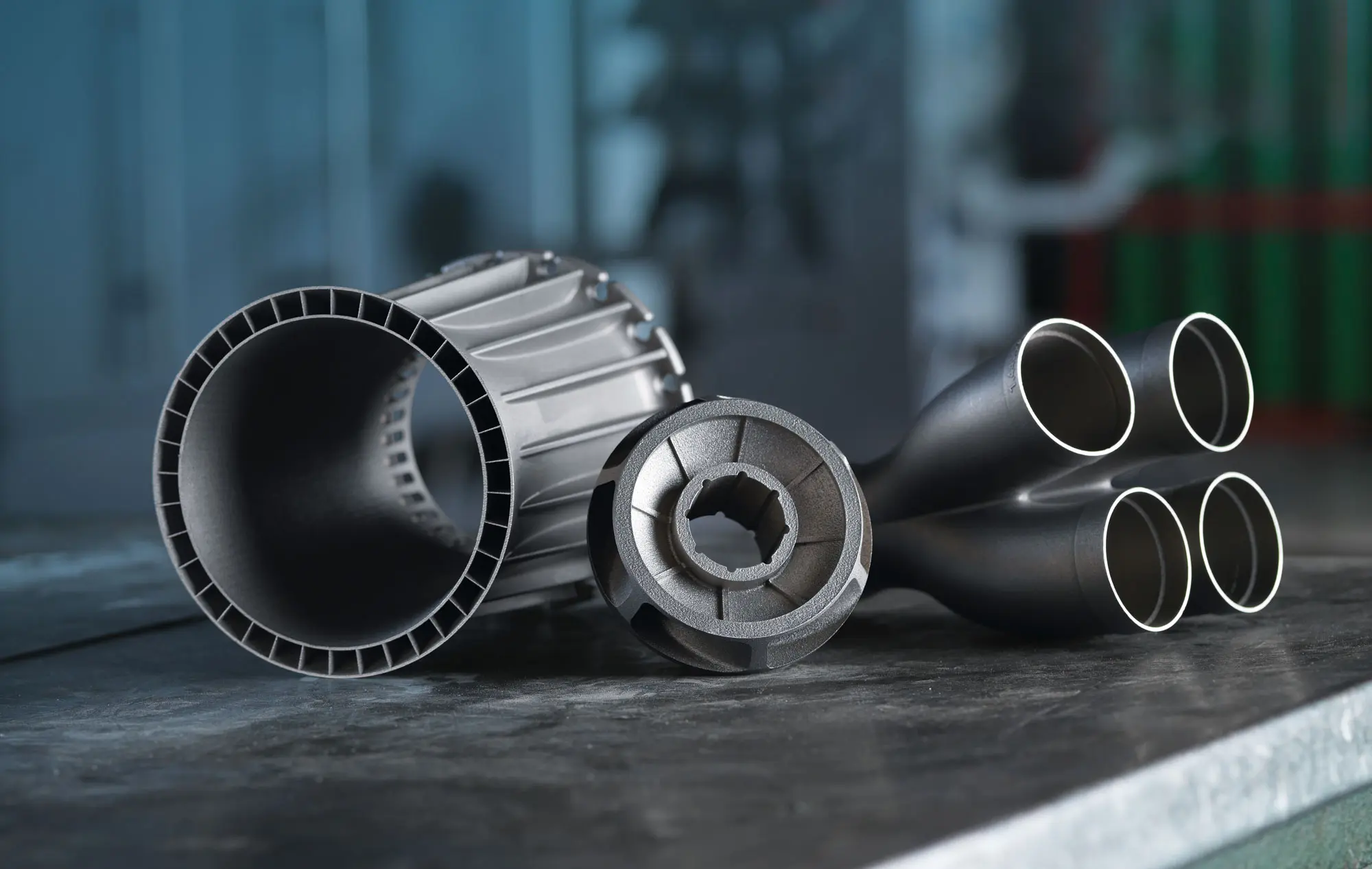
Greatlight’s expertise: We recommend using 90% router template to fill glass nylon – over 500 cycles without deflection. With SLM 3D printers, we even offer stainless steel or titanium templates for aviation-grade durability.
Design for success: Tips for professionals
Software and workflow
Start with CAD software (Fusion 360, SolidWorks). Export as .step or .stl. Key considerations:
- Wall thickness: At least 4-5 mm to prevent bending.
- Bit clear: Account collar + 0.2mm offset.
- Ergonomics: For safety reasons, add fingers or finger holds.
Avoid common pitfalls
- Overhangs above 45° may require support (printed after deletion).
- Always simulate the cut in the CAM software to verify the path.
Real-world applications
- Custom furniture: A custom cabinet manufacturer uses our PA12-GF template to replicate 50 units of sophisticated joinery to stockpile 120 labor.
- Aerospace composite materials: Carbon fiber panels require perfect decorative lines. One customer saw a 25% reduction in defects using our aluminum template.
- DIY Innovation: Amateurs print guitar body templates to precisely blend art together.
Why choose a professional 3D printing service?
While desktop printers can be used for prototypes, industrial-grade requirements require:
- SLM (Selective Laser Melting) Technology: For non-porous, high-density metal templates.
- Post-processing: Process the surface (RA <1.6 µm) to minimize friction.
- Material Certification: Traceable filament conference ISO 9001 standard.
Greglight provides this. As a leader in rapid prototyping, we combine advanced SLM 3D printers with expert finishes, whether it’s smooth, heat-treated or anti-slip coatings. From concept to completion, we process custom orders in just 48 hours, materials ranging from engineering plastics to tool steel.
in conclusion
3D printed router templates are not only convenient; they are a paradigm shift. They bridge the gap between digital design and body perfection, enhancing the craftsmen and engineers. By embracing additive manufacturing, you can unlock iterations, complex geometry and relentless consistency faster without the material you route.
Ready to improve your workflow? Working with a rapid prototyping expert, he can ensure accuracy at each pivot point.
FAQ: Mystery 3D Printing Router Template
Q1: How durable are plastic templates compared to metals?
Industrial grade plastics (e.g., nylon filled with glass) can withstand 300-600 cycles under heavy duty routing. For abrasive materials such as carbon fiber or long-term production, metal formwork (stainless steel, aluminum) is recommended.
Q2: Can I use my 3D printer as a template at home?
Desktop FDM printers can be used for low pressure prototypes, but lack the resolution and durability required for production. Professional SLM/SLS printers ensure dimensional stability and lifespan.
Q3: Which file format do you accept for custom orders?
.step, .stl or .obj files are ideal. Our team optimizes your 3D printing design when needed.
Question 4: Do you provide post-processing for the template surface more smoothly?
Yes! Options include CNC machining critical surfaces, media blasting or polymer sealing to reduce friction.
Q5: How much does it cost to customize 3D printing templates?
Small plastic templates cost $50. Applicable Quantity Discounts – Contact our instant quote specifications.
Q6: Is your material router partially safe?
Absolutely. Our composites are resistant to chipping and melting. For metal, we will fall off the edges to prevent damage to the spot.
About Greatlime
Greglight is a major rapid prototyping manufacturer based in China, equipped with industrial SLM 3D printers and precision completion technology. We focus on solving complex metal and polymer prototype challenges, from design optimization to surface treatment. Customize router templates or precision parts at unrivalled speed and value. [Contact us today] Conduct project consultation!