Unleash creativity: SCX24 remote control crawler vehicle 3D printed body revolution
The SCX24, Axial’s diminutive giant of the remote-controlled crawling world, sparked a massive wave of customization. Enthusiasts are constantly tinkering with wheels, tires, engines and suspensions to conquer new terrains. But what about the crown jewel of personalization? Body. Traditionally limited to modifying flimsy polycarbonate shells, enthusiasts are now embracing a game-changing technology: 3D printing. This technology breaks down limitations, giving your micro-buggy unparalleled freedom and performance potential.
Beyond Stock: Why Your SCX24 Needs a 3D Printed Body
Why settle for something off the shelf when you can make something truly unique? 3D printing builds the body layer by layer directly from the digital design, bypassing expensive molds and limitations inherent in traditional manufacturing. Here’s how it changes the SCX24 experience:
- Unlimited design freedom: Reimagine your crawler from the ground up. Want a scale-accurate replica of a rare ’80s pickup truck? complete. Dreaming of a futuristic off-road vehicle filled with accessories? Print it out. Need a specific servo mount or the perfect integration point for your LED lighting kit? Design it. The only limit is your imagination (and a little CAD skills!).
- Weight optimization for best performance: Crawling is a delicate balance of traction and power-to-weight ratio. 3D printing allows for precise material placement. Hollow out non-critical sections, use complex lattice structures, or strategically thin walls to save significant weight—lowering the center of gravity and improving climbing ability. A lighter body also reduces stress on existing electronics and drivetrain components.
- Material Versatility Customized Performance: Not all prints are created equal! Material selection greatly affects durability, weight, and aesthetics.
- PLA/PETG (FDM printing): Affordable and easy to print, perfect for beginners experimenting with complex shapes. PETG has better impact resistance and temperature resistance than PLA.
- Nylon (SLS/FDM for nylon): Significantly tougher and more flexible than PLA/PETG, with excellent impact absorption during rolling and tumbling. Ideal for demanding trail runs.
- Resin (SLA/DLP/MSLA printing): Achieve stunningly smooth surface finishes and incredible detail resolution for proportional realism. Needs to be cured and is usually more brittle and better suited for display or very light use.
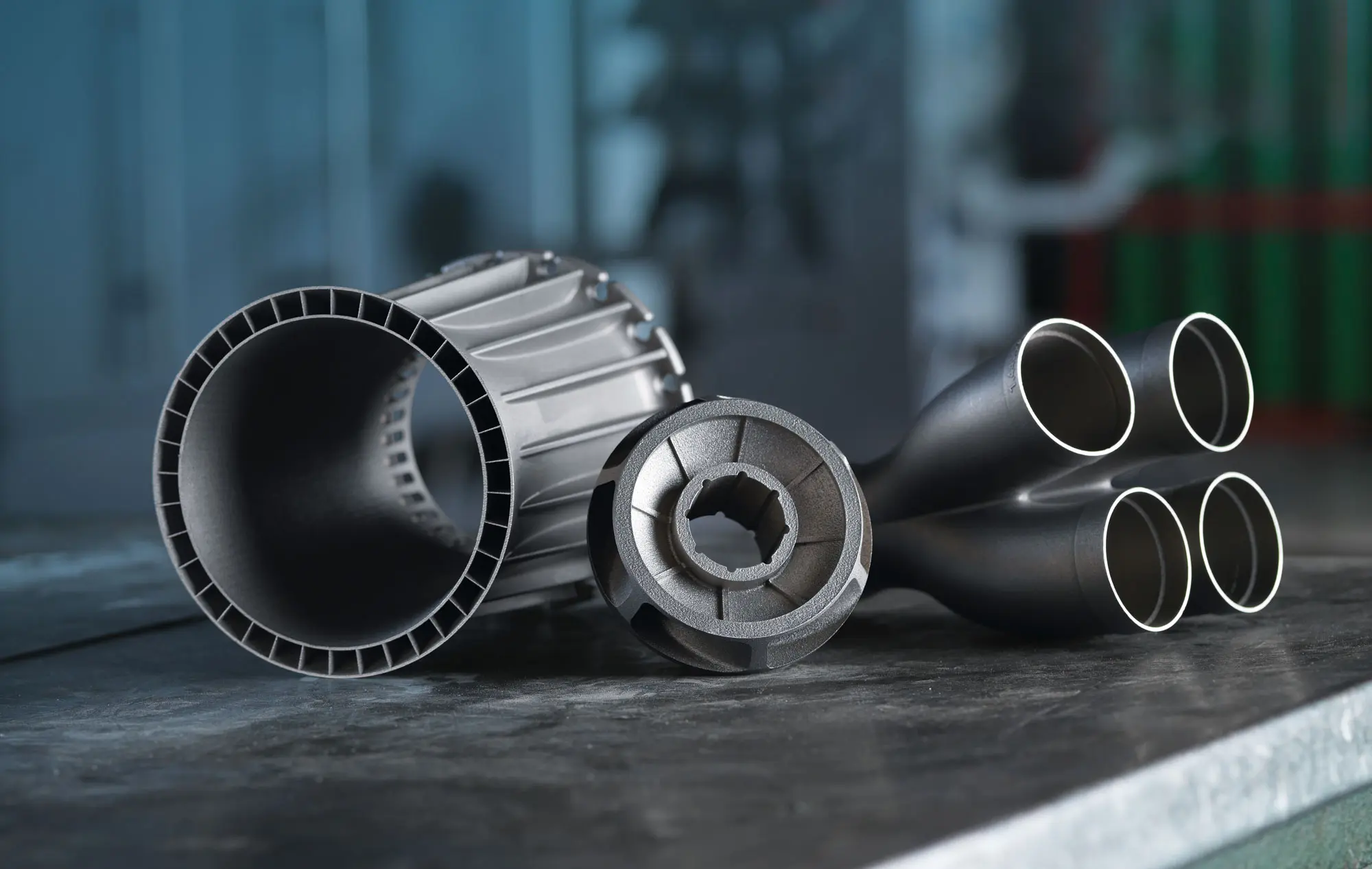
- Metal (SLM direct metal printing): Forging ultra-strong, precise components like custom brackets, shock mounts, suspension links, chassis reinforcements, and even entire minimalist track frames where maximum strength and minimal flex are critical. SLM excels in this regard.
- Correct durability: Forget about fragile lexan cracks! Intelligently designed 3D printed bodies, especially those made from elastic materials like nylon or reinforced composites, can withstand serious abuse. Reinforced mounting points, strategically placed thickening, and flexible materials make them surprisingly sturdy off-road companions. Metal SLM parts take structural durability to a whole new level.
- Prototyping and iteration: Is the design not perfect enough? In contrast, printing multiple iterations is cost-effective and fast