Innovation: How 3D printing can tailor the future of sewing tools
Sewing has relied on mass production tools for centuries. Although functional, they often represent a compromise – for unique projects or ergonomic needs, a universal design is not suitable. The digital manufacturing revolution led by advanced 3D printing technologies such as selective laser melting (SLM) is rapidly changing this landscape. Welcome to the times Customized high-performance sewing toolsmade layer by layer to improve your stitching accuracy and creativity.
Why 3D printed sewing tools are stitches above the rest:
- Super Customization: Your vision has been realized: Imagine the tailor’s clapping perfectly to form the thumb curve, a professional presser foot designed specifically for unusual fabrics or complex seams, or a gauge measuring with a custom-marked specific workflow. 3D printing makes a reality of personalization that was previously unavailable. Before printing, you can make infinite adjustments to your digital design.
- Unleash complexity without cost penalty: Traditional manufacturing methods such as CNC machining or injection molding often struggle with complex geometry or internal channels. 3D printing flourishes in complexity. Creating tools with integrated capabilities – thinking about threading guides inside bobbin stands, hollowed-out lightweight clappers or ergonomic handles with contoured grips – doesn’t add cost premiums.
- Rapid Prototyping: Iteration and Perfection: Developing unique tools no longer requires expensive tools or longer lead times. Designers, professional tailors or avid amateurs can quickly prototype, test, perfect and reprint tool designs in a few days rather than months. This agility accelerates innovation and problem solving within sewing aircraft.
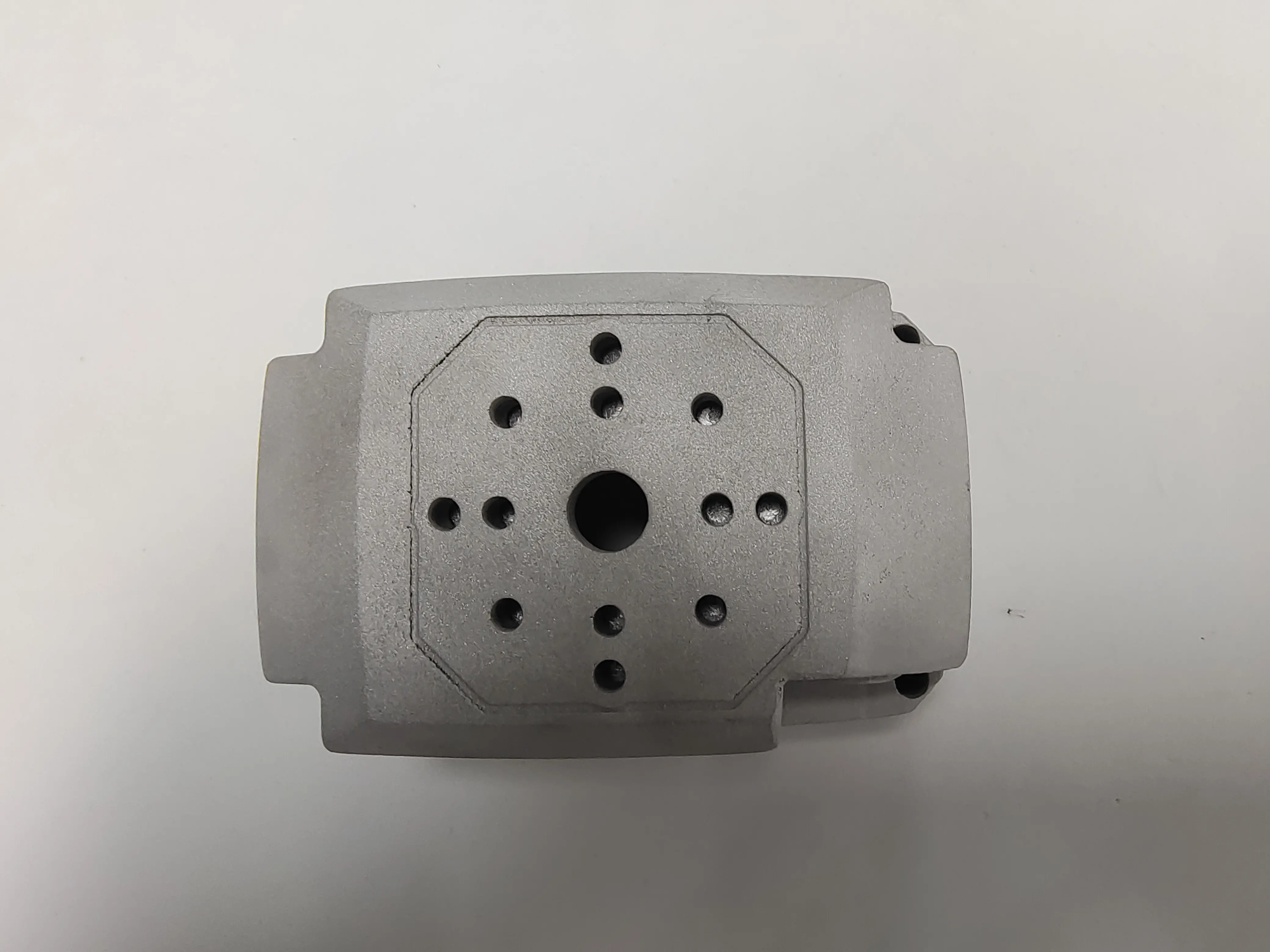
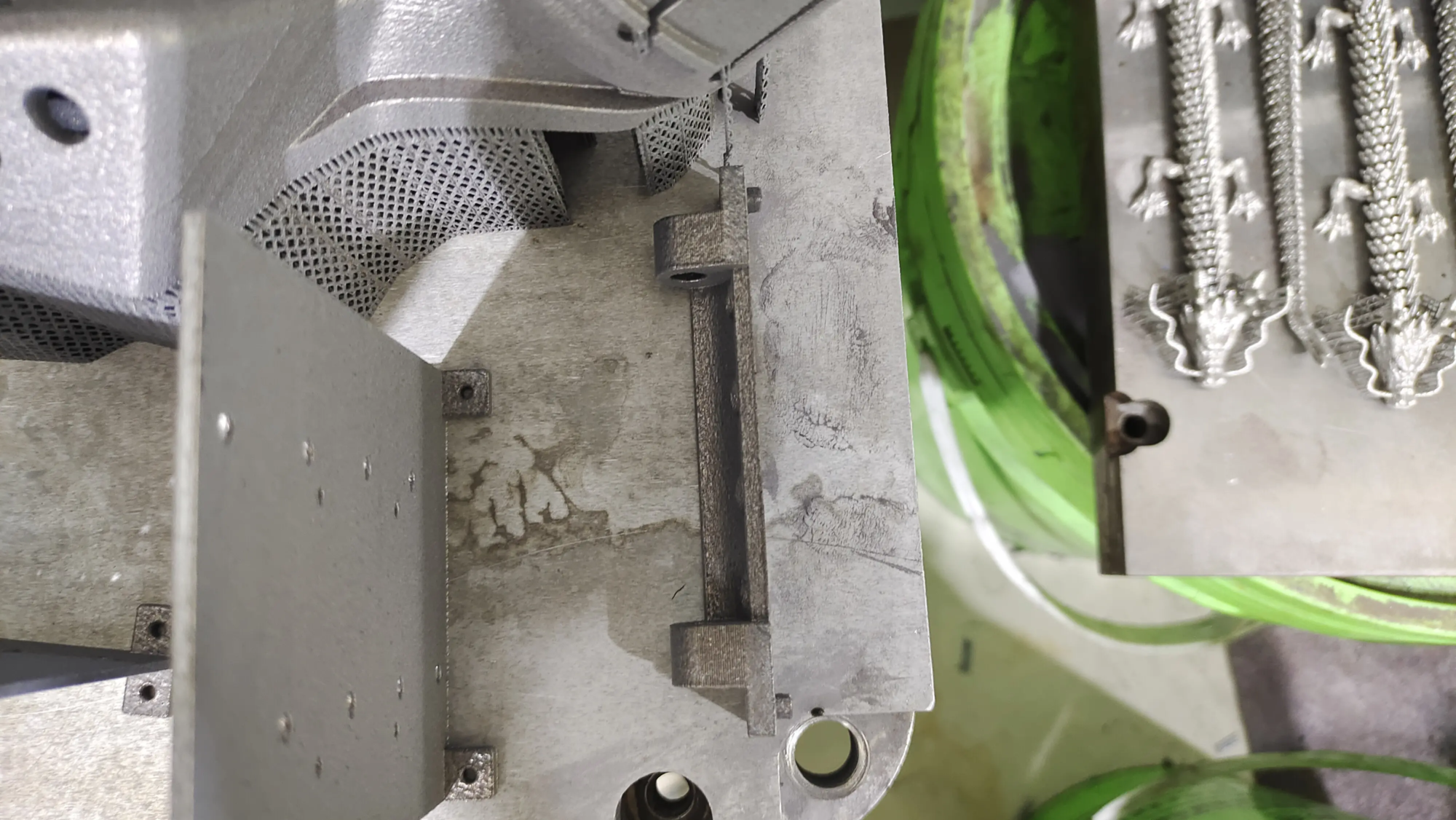
- Material innovations in durability and functionality: Although plastic printing is accessible, Professional grade metal 3D printing Unlock new tool quality. This is what technology likes SLM (Selective Laser Melting) Glow, use a high-power laser to fuse high-quality metal powder into a fully dense and robust component.
The power of metal: When plastic is not enough
Metal 3D printing is transformable for sewing tools that require maximum durability, accuracy, weight or heat resistance. Imagine:
- Heirloom – Tailor’s Hammer/Clap: Printed in stainless steel or titanium for unparalleled durability, perfect weight distribution and smooth surfaces that slide across fabric without grip.
- Super professional press foot: Metal printing (e.g., with hard-grinding tool steel) can make foot design impossible, providing superior fabric feed and stitch quality for unique applications such as pipes, ropes, or beads.
- Durable seam tear and cutting tools: Assemblies such as ripper handles or rotary tool guards are able to withstand continuous use and resist bending or cracking in solid aluminum or stainless steel.
- Customizable machine parts: Printer-specific bore shafts, tensioner components, or foot adapters can be printed at the exact size and strength required.
SLM Advantages: Accurate performance compliance
For metal 3D printed sewing tools that are truly executed and endured, the choice of manufacturing partners is crucial. SLM technology provides important advantages:
- Full density: Generate parts that have characteristics comparable to or exceed material than traditionally forged metals.
- High precision and surface quality: Ability to complex details and smooth finishes are essential for functional tools that interact with exquisite fabrics.
- Material versatility: Print various metals: stainless steel (316L, 17-4PH), aluminum (ALSI10MG), titanium (Ti6al4v), tool steel, copper alloy, etc.
Gremight excels in partnering with Metal 3D printing: As a professional rapid prototype manufacturer, SLM 3D printing equipment and production technologyGreatlight has the expertise to solve the challenges of complex metal parts prototypes. They know that sewing tools are more than shapes. It requires precision, functionality and a perfect user experience.
- End-to-end solution: They provide comprehensive One-stop post-processing and completion service (Polishing, heat treatment, plating, bead blasting) to ensure that the tool not only prints, but also wants to be perfect – smooth, beautiful and ready to use immediately.
- Flexibility and speed: Most materials can be Customized and processedmeet urgent prototype needs and design iterations.
- Precision expertise: Structural engineers optimize tool designs for strength and minimal material use, while process engineers ensure print parameters produce the highest quality. Strict inspection ensures dimensional accuracy and surface integrity.
For amateurs looking for unique plastic tools, desktop FDM printing offers creativity. But for professionals, seminars or dedicated craftsmen Reliable, high-precision, long-lasting metal tools are the top partner in bringing these custom sewing solutions to life.
Exciting examples of 3D printing sewing tools (plastics and metals):
- Grand presser foot: Blind pins, rolling hem foot, for different fabric weights, adjustable bias binding feet, pintuck foot with defined spacing, non-stick Teflon coated foot for synthesis. Metal printing is excellent here.
- Seam Guide and Gauges: Magnetic guide with custom offset, multi-angle gauge combination, dedicated seam ruler. Plastics are common; metals increase stability.
- Thread and bobbin management: Covered bobbin holder prevents tangles, spool holder comes with integrated tensioner, professional thread organizer, custom bobbin Winder adapter. Both plastic and metal can survive.
- Cutting and marking aids: Pattern weight with unique shape or grip, ergonomic seam ripper handle, custom tracking wheel stand, dedicated rotary cutter template. Metal weight/persistence.
- Pressing tool: Custom tailored cutters with internal structure, dedicated tailor hammers for specific fabrics or seams. Metals offer ideal weight and durability.
- Embroidery and professional: Custom embroidery hoop clamp, channel hook with personalized handle, fabric stabilizer template, awl stand. Plastics dominate here, but metal adds strength to key parts.
Conclusion: Stitch your custom future together
3D printing is more than just novelty; it fundamentally expands the possibilities of the process. For the world of sewing, it gives the creation of production tools that were previously unimaginable or expensive. From highly ergonomic grips to prevent fatigue in marathon sewing courses to super press feet solving ongoing challenges, the potential for innovation is enormous.
While accessible FDM printers fuel creativity for plastic accessories, revolution Powerful professional-grade metal sewing tools depend on advanced SLM technology and expert manufacturing partners such as Greatlime. They combine cutting-edge equipment, deep material science knowledge and a commitment to precise finishes to produce tools that are not only customized but can inherently excel – the tools are made by youspecifically used for your Crafts journey. The shift to personalization promises to increase precision, increase creativity, improve results, and ultimately redefine the sewing experience. Embrace the revolution of customization and start sewing your unique vision.
FAQ: Your 3D Printed Sewing Tool Questions Answered
Q1: Is plastic 3D printing enough for sewing tools?
A: It depends on the tools and plastic. PLA can be suitable for lightweight projects such as thread organizers or pattern weights. PETG or ABS is harder for instruments or bobbins. Nylon (PA) offers durability and flexibility. However, for tools under high stress (clap, hammer, presser foot rod), metal 3D printing (SLM) is excellent in life and dimensional stability.
Q2: Why choose metal 3D printing instead of plastic as a tool?
Answer: Choose metal:
- Durability: Resistant to wear, cracking and deformation much further, providing "family heirloom" quality.
- Accuracy and stability: Metals such as tool steel maintain tight tolerances (e.g., presser feet) that are crucial to the mechanism.
- weight: Stainless steel or brass provides the weight required for tools such as clapping or hammers.
- Heat resistance: If the tool touches iron (for example, the tailor’s point), it must be done essential.
- Professional surface: Metal can be polished to a smooth, splint-free surface plastics are usually not possible.
Question 3: How to start designing or ordering custom metal sewing tools?
one:
- Determine the requirements: What problems does this tool solve? Is it ergonomic, functional or specific technology-specific?
- Sketch/Draft: Create a concept diagram or basic dimension. Free CAD software (Tinkercad, Fusion 360) or skilled designers can help.
- Consult an expert: Famous manufacturers such as Greatlight provide design consulting services. They can advise on material choice, manufacturing design (avoiding issues such as warping), surface treatment and cost-effectiveness. Send them your design intention or preliminary model.
- Prototype and improvement: Participate in a fast prototyping cycle, especially for complex tools. Iterative testing.
- Final production: Select the final material and complete. Trust a skilled SLM printing and post-processing manufacturer for best results.
Question 4: Is metal 3D printing affordable for custom tools?
A: Cost varies by size, material, complexity and finish. While generally more expensive than mass-produced metal tools, metal 3D printing is a cost-Effective for:
- Highly complex design It is impossible to process.
- Small batch size or single unit (No expensive tools/molds are required).
- Need unique custom tools. Compare it to a time and frustration Perfect Customized tools and adaptable tools. Companies like Greathime focus on precise prototyping and competitive prices for short-term operation.
Q5: Which metal finishing options are important for sewing tools?
A: Post-processing is crucial to function and feel:
- polishing: Create a smooth, seamless surface for the tool to touch the fabric.
- Shooting/bead explosion: Provides a uniform matte surface that enhances fatigue strength.
- Plating (e.g. nickel): Additional corrosion resistance or specific aesthetics can be added.
- Heat treatment: Improves the hardness and wear resistance of certain alloys.
- Supports disassembly and cleaning: It is essential to ensure smooth operation and remove loose powder. Choose a partner that provides comprehensive completion services, such as Greatlime.
Q6: Can 3D printed metal tools be safe to use around fabrics?
Answer: Absolute When done correctly. Professional aftertreatment ensures that the metal is completely dense, non-porous and smooth on the surface. There is no risk of falling off microplastics like worn plastic tools. Make sure to soften/burr the sharp edges during finishing. Well-known manufacturers comply with strict quality control.