The Art of Lighting: Mastering the Design of 3D Printed Lampshades
Enter a world where light and innovation meet. 3D printing has revolutionized the way we create functional and artistic accents – whether for lamps, windows, architectural features or decorative accents. Designers are no longer constrained by traditional manufacturing constraints and can unleash incredible complexity and customization. However, tapping into this potential requires thoughtful design. Drawing on advanced manufacturing expertise, this guide explores key design tips to ensure your 3D printed shades are not only visually stunning, but also structurally sound and functional.
Why 3D printing is ideal for lampshades
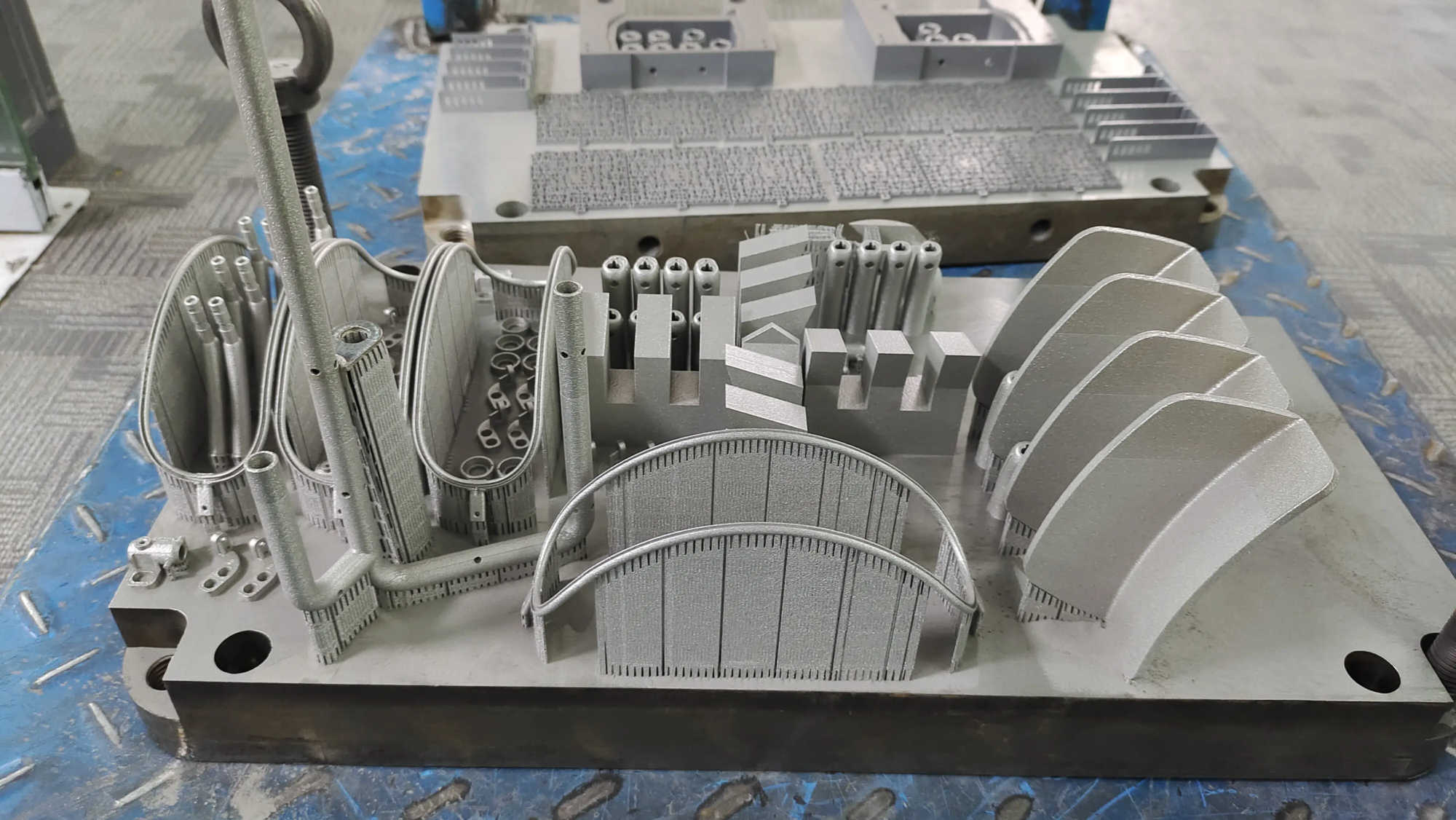
Unlike injection molding or traditional metal fabrication, 3D printing excels at producing the complex geometries often required in hues – lattices, organic patterns, interlocking structures and complex vent designs can all be achieved with relative ease. This additive process eliminates expensive tooling, making low-volume production and one-off customization economically feasible. Materials range from translucent resins suitable for diffused light to durable metals such as stainless steel or aluminum for rugged outdoor or high-temperature applications. This versatility underpins its transformative impact.
Design for Success: Key Tips for 3D Printing Tones
-
Use geometric shapes for light control and aesthetics: This is where creativity really flourishes.
- Pattern Density and Size: The density and scale of perforations, lattices or cuts directly control the diffusion and brightness of light. Fine, dense patterns produce softer, more even lighting, while larger openings create a brighter, more focused beam. Consider the purpose of the lampshade – task lighting vs. ambient mood lighting.
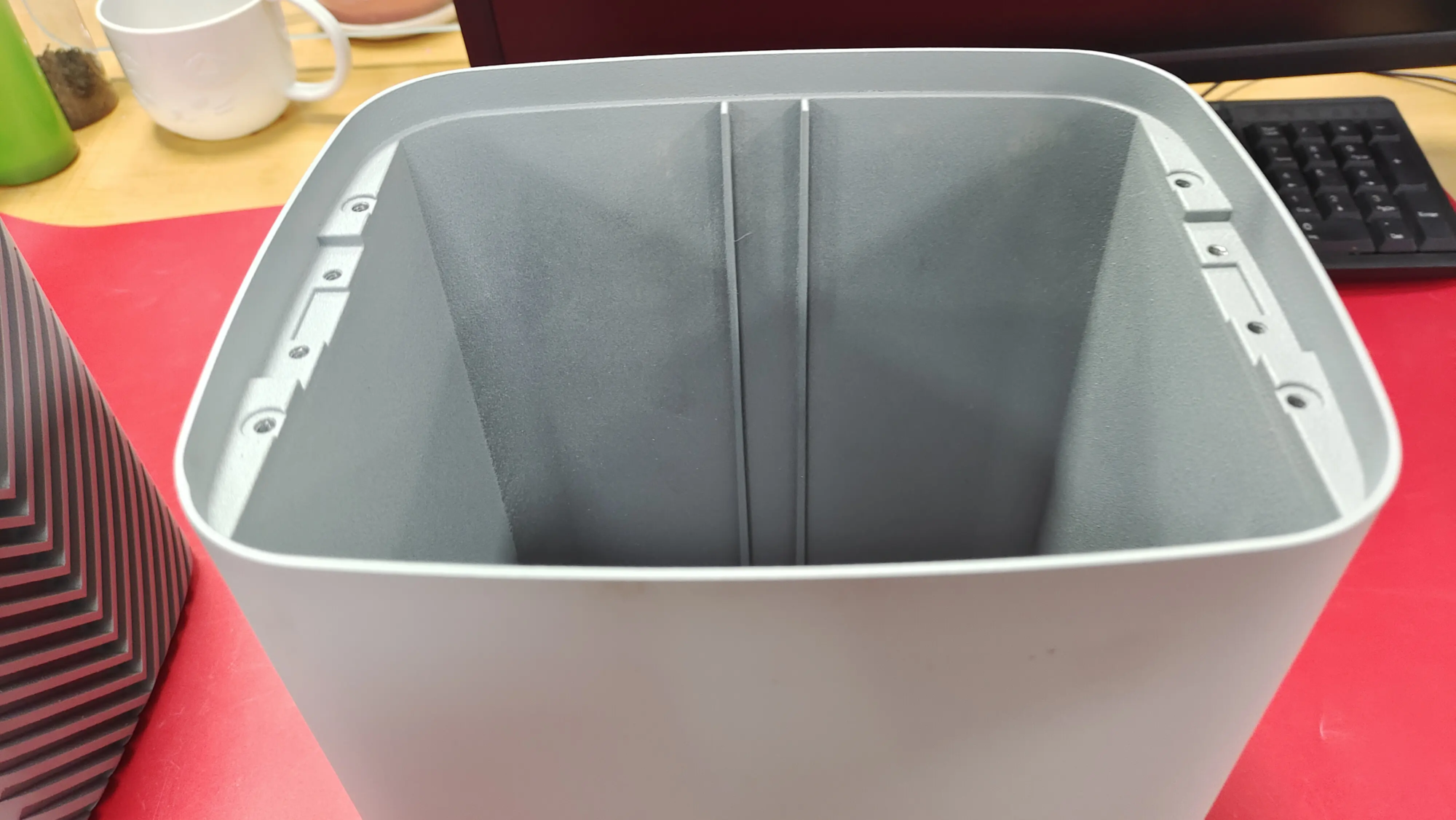
- Wall thickness: Unity is king. Make sure the wall thickness is consistent throughout the design to prevent warping and uneven solidification/cooling during printing. Avoid sections that are too thick and add unnecessary weight and material cost without any benefit, and avoid walls that are too thin and risk brittleness. The minimum thickness depends largely on 3D printing technology (SLS, SLA, FDM, SLM) selection and materials. For structural metal sunshades realized by SLM, typical minimum wall thicknesses start from around 0.5 mm.
- Self-supporting angle: Optimize printability. Avoid designing for large horizontal overhangs exceeding 45 degrees without supporting structures. These supports increase the cost of removal and reprocessing. Design shapes that taper inward or incorporate the functionality of naturally supporting drape elements.
-
Optimize document design accuracy and quality:
- Manifold solid model: Always make sure your CAD designs are completely flawless ("manifold") solid model. Incorrectly resolved holes, gaps, or intersecting surfaces will cause the print to fail. Check the STL file thoroughly before sending it for production use.
- Grid resolution: Find the Goldilocks area. High-polygon STL files create unnecessarily large files and slow processing speeds without significantly improving print quality on surfaces. Low polygon files can cause faceting ("lumpy"). Export STL with optimal tolerance settings (for example, 0.001-0.01 mm deviation), balancing file size and surface fidelity.
- Positioning strategy: Discuss with your manufacturer! Part orientation on the printer build plate can significantly affect surface finish quality, support requirements, print time, and mechanical performance (especially in anisotropic processes such as FDM or SLM). If possible, position key aesthetic surfaces vertically.
-
Material selection improves performance:
- Transmission and diffusion: For lampshades that prioritize light emission, consider materials such as translucent nylon (PA12), resin (SLA/DLP), or specialty clear filament. For diffusion, a slightly opaque white material usually works best. Metal shades are opaque but perfect for directing light downwards or creating dramatic shadows and ambient reflections.
- Environment and Durability: Will the lampshade be exposed to strong UV rays (sunlight)? Choose UV-resistant materials. High heat environment (near halogen bulbs)? Engineering thermoplastics (PPA, PEEK) or metal are essential. Outdoors? Consider corrosion-resistant metals (aluminum, stainless steel) or treated polymers.
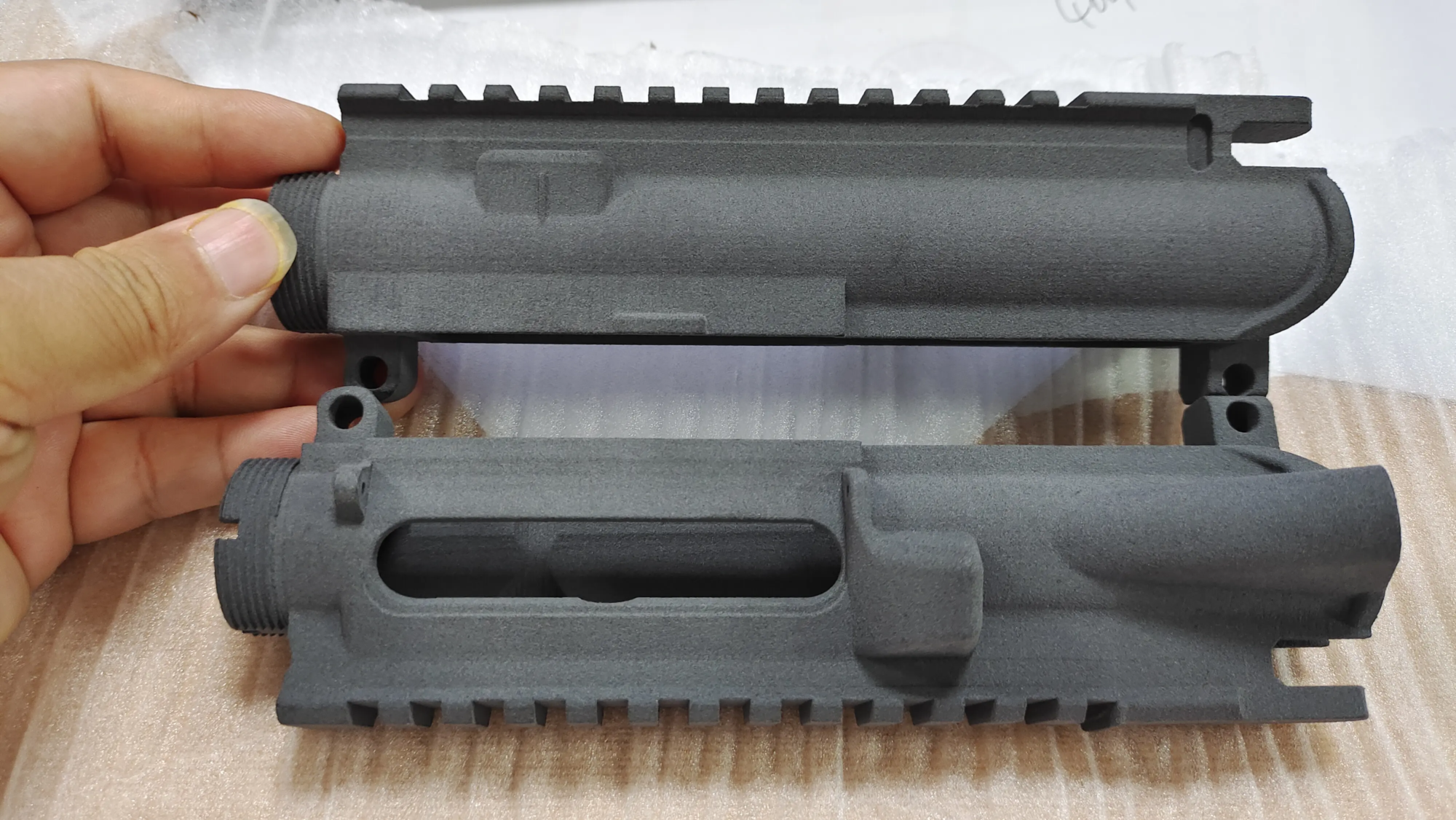
- Surface finish potential: Understand how different printing processes and materials respond to post-processing. SLA resin can achieve glass-like transparency. Metal SLM parts have a unique sintered surface but can be polished to a high gloss, sandblasted or plated. SLS nylon has good viability when dyed.
- Achieve perfection with post-processing: Very few colors come directly from the printer. partners like huge light emphasize One-stop post-processing Features that are crucial for shades:
- Support removal: Crucial for complex designs. Precision tools and care are required to avoid damaging functionality.
- smooth: Techniques such as vapor smoothing (for certain polymers), sandblasting (metals/polymers) or hand sanding/polishing refine the surface, enhance translucency (by removing layer lines that scatter light) and improve tactile feel.
- Enhance light properties: Translucent plastics can be specially ground or coated to enhance diffusion uniformity.
- finishing: painting