The ultimate guide to 3D printing your own Snorlax: DIY adventure 🛏️🖨️
Tired of ordinary decor and itching for a fun weekend project? What if you could use the iconic, sneezing Pokémon (Snorlax) as a 3D printing masterpiece? This comprehensive guide lets you complete print, organize and assemble your own huge (or desktop-sized!) friends. Whether you are an experienced manufacturer or a newbie in 3D printing, the project combines creativity with technical skills – a jaw-dropping result.
Why 3D printing snorlax? 🤔
Snorlax’s soft curves, unique sleeping postures and the attraction of Universal Pokémon make it a fan of 3D printing. Its chunky design forgives smaller printing flaws while post-processing allows you to get creative with textures – think of blurred belly, smooth eyes or matte fur effects. Plus, it’s adaptable! Print a keychain mini, plant stand or full-size cosplay props.
Tools and materials you need:
- 3D printer: FDM (Fusion Deposition Modeling) Printers such as Creality Ender 3 or Prusa I3 are best suited for PLA.
- filament: PLA (1-2 kg, depending on size; flexible TPU optional soft textured decoration).
- Model file: Download the well-known Snorlax STLS (Source: Thingiverse, Cults3D, Patreon creator Eastman or my3dmodo).
- Slicer software: Ultimaker Cura, Prusaslicer or Simplify3d.
- Post-processing kit:
- Sandpaper (120-800 sandpaper)
- Fill primer spray
- Putty/epoxy (for seams or gaps)
- Acrylic paint + brush
- Isopropanol (for cleaning resin prints)
- UV (if applicable, for resin curing)
- Safety equipment: Gloves, mask (sand/painted and filtered).
🧪Step DIY Guide
1️⃣Find and prepare your model
search "Snorlax Stl" About repositories like Thingiverse. Choose to cut the model into parts (head, body, limbs) for easy printing. Import your slicer software.
- hint: Orient the parts to minimize support (for example, the back of the Snorlax should face the bed). Use the support of the tree for complex overhangs (such as ears).
- Slice settings:
- Layer height: 0.15–0.2 mm (balanced details and speed)
- Filling: 20% (structural parts), 10% (decoration)
- Support: Organic/Tree (enabled "Support interface" for cleaning and removal).
2️⃣Print like a professional
Preheat your bed (60°C PLA) and make sure the bed is even. Print a test piece (like the ear) before you finish the whole work. For large models (> 20 cm), enable Z-HOP to avoid warping or nozzle drag. The total printing time is estimated to be 12-48 hours. Patience is the key!
3️⃣Perfect post-process
- Step A: Remove the bracket carefully. Trim the blades with tweezers or rinse the cutting machine.
- Step B: sand! Start the roughness (120 particle size) to erase the layer lines and then subdividing (400+ grit). Focus on the seams where parts meet.
- Step C: Apply a filler primer spray. Let dry and grind again. Repeat until smooth → This step enhances the finish worthy of the gallery!
- Step D: Use super glue, epoxy or dissolved filament paste (fiber + acetone – PLA safety formula only!). If desired, the joints can be reinforced internally using printed pins.
4️⃣Release Your Artist
With an acrylic substrate. Use a thin layer of paint – Snorlax’s colors are navy blue, creamy and black (eye/mouth). Sealed with matte/spray varnish. Consider texture hacks, such as the fuzzy belly or smooth resin eyes that flock to it! 💙
💡Epic results tips
- Stop stringing: Reduce the printing temperature by 5°C and restore.
- Extend like a boss: In slicer software, the scale model is proportional. Want Snowrax as a vase? Use Meshmixer for hollow models and add drain hole preprints.
- Material swap: Try using marble PLA for stone effect statues or silk blue for gloss. For Flex, print paws/ears in TPU.
✨Conclusion: Your zing friend has achieved success!
3D printing Snorlax combines craftsmanship with fanatics, an ideal entry point for struts or functional art. While DIY printing provides unparalleled satisfaction, projects like this highlight why precision is important. The perfect surface, seamless joints and expert finishes turn plastic into heirlooms. But what if you want Snorlax in metal? Or do you need industrial-grade prototyping accuracy other than desktop printers? That’s where professional services shine…
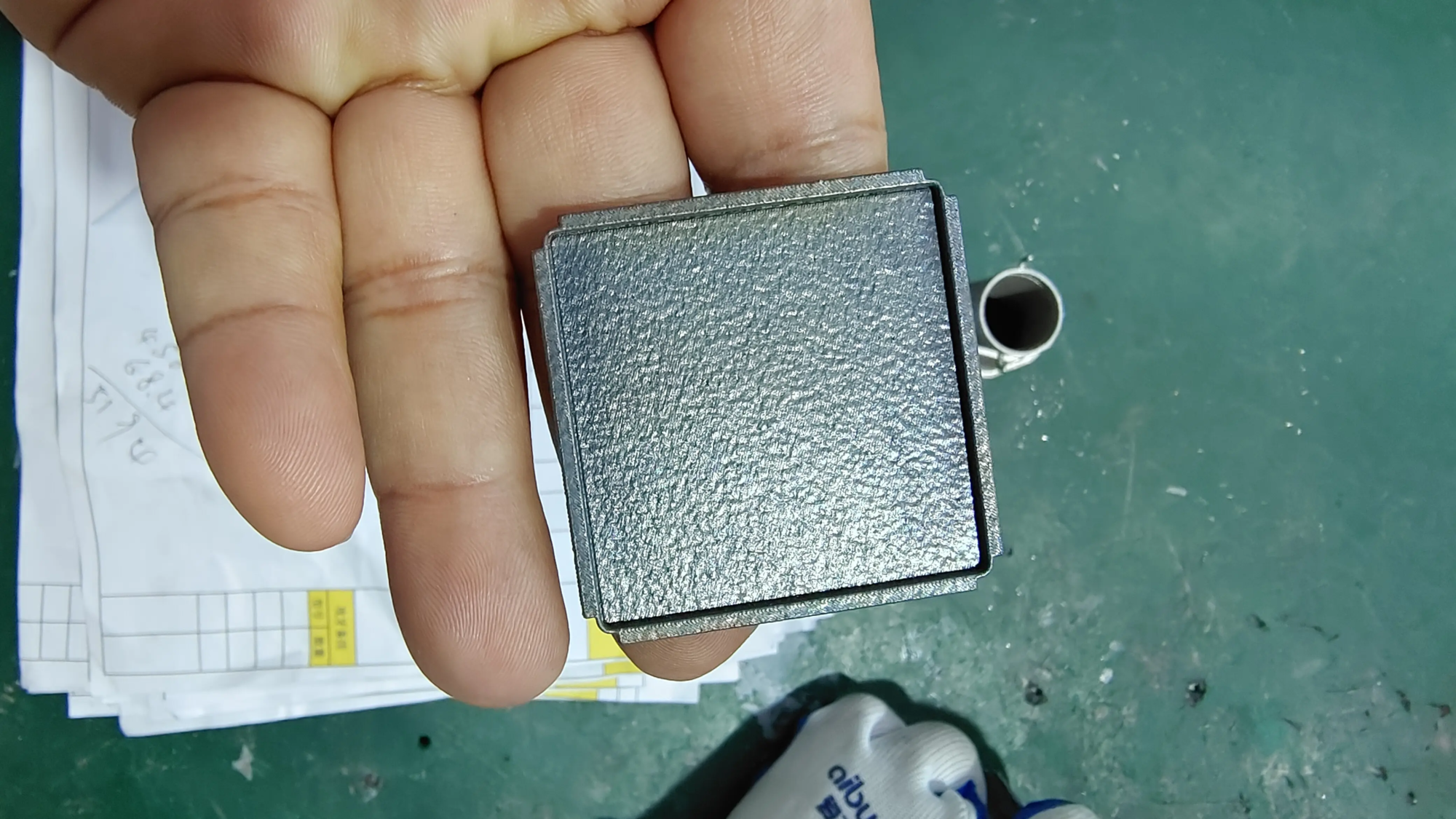
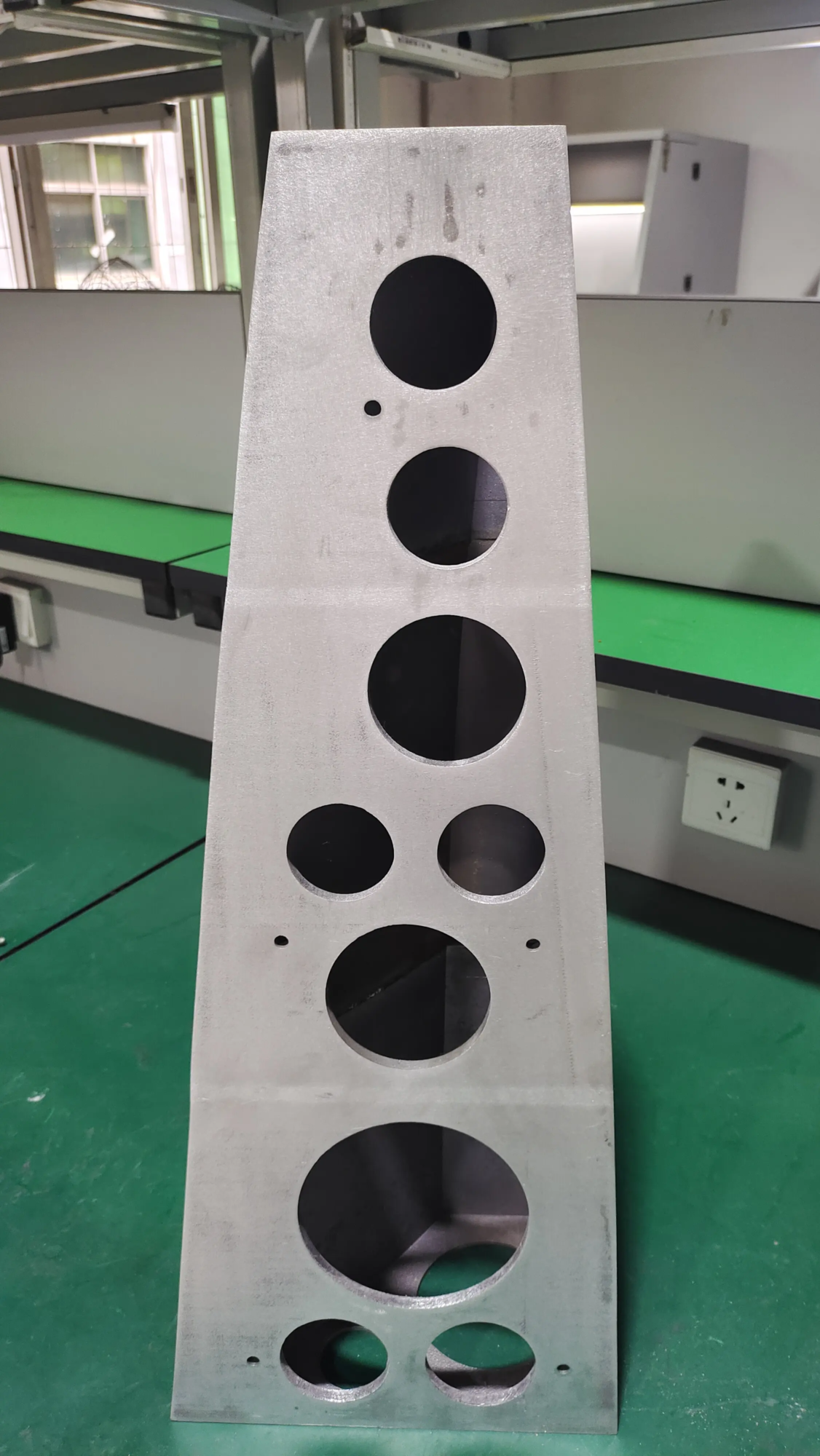
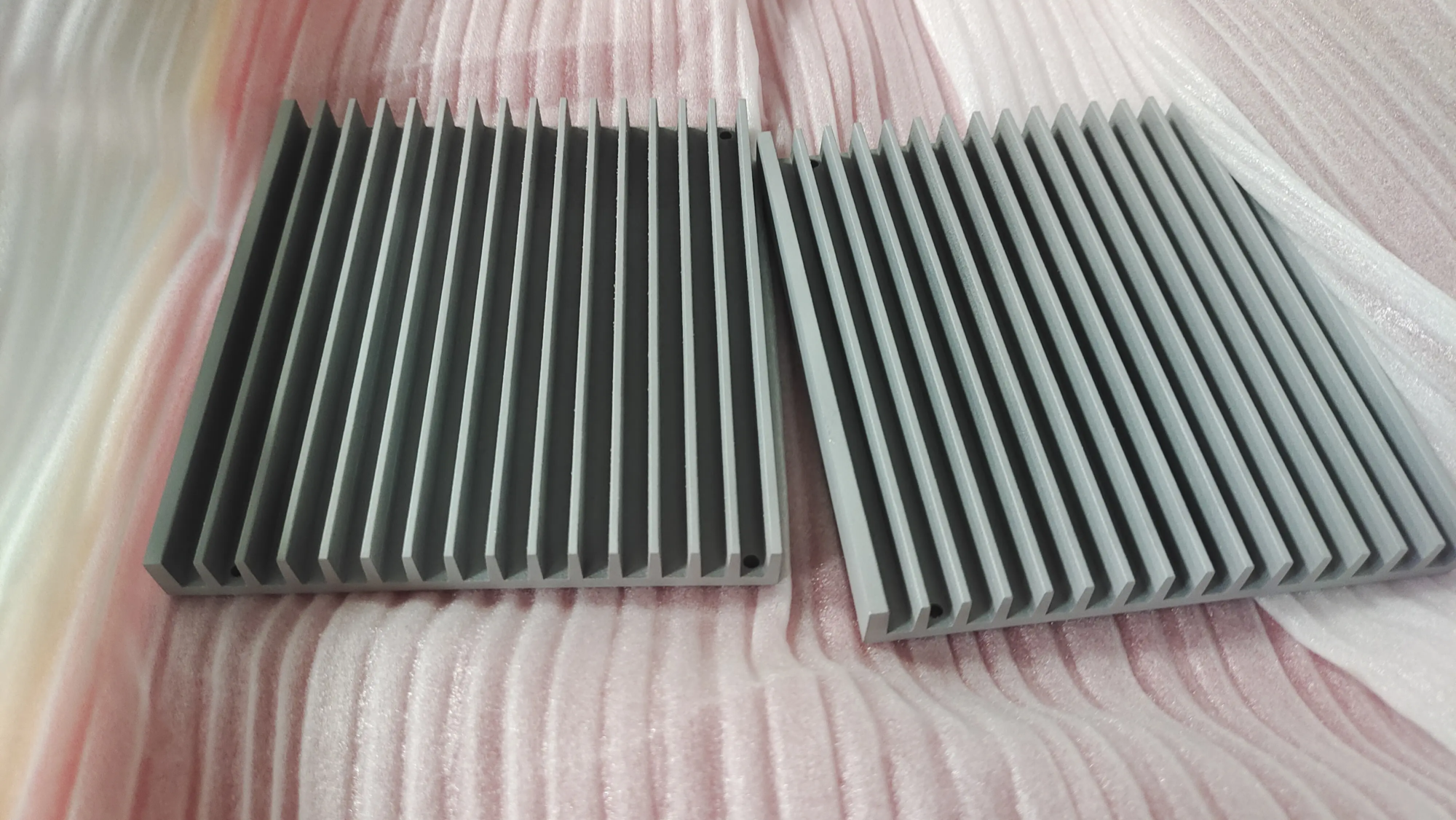
exist GreatWe specialize in promoting the boundaries of 3D printing. Utilize advanced SLM (Selective Laser Melting) TechnologyWe solve the complex prototype challenges of metal parts – aerospace, automotive, and even the titanium snorlax pendant you dream of! 💥From concept to completion, we provide:
- Rapidly CNC machining,,,,, Surface treatmentand custom material options.
- One-stop post-treatment (polishing, anodizing, heat treatment).
- Industry-leading speed and scalability – ideal for prototypes and final products.
Whether you need durable nylon PA12 gears or chrome-plated stainless steel sculptures, Greglight ranks among top prototype solutions in China. Discover how professional services can amplify without tradeoffs. Customize your precision fast prototype [GreatLight Official Site] – The quality of revolutionary speed!
FAQ approx 3D printing Snorlax
Q1: What is the best size for printing?
Start small (10–15 cm) to test the settings. Scaling more than 30 cm? Print parts individually with alignment pins.
Q2: Can I print snorlax on a resin printer?
Absolutely! The resin captures finer details (e.g., belly swivel pattern), but requires thorough curing and ventilation.
Question 3: How to avoid bending edges?
In the slicer + make sure the frontal wire or raft sticks on the bed. Keep your printer away from drafts.
Q4: Can Greatlight print my Snorlax in metal?
Yes! Use SLM Print to send our STL to our STL for quotes using materials such as Alsi10mg (lightweight aluminum) or 316L stainless steel.
Q5: Can you complete/post-process my printing model?
Greatlight offers painting, smoothing and assembly solutions for plastic or metal – submit your project query for custom requests.
Start printing, embrace tinkering, and transform lazy Pokémon fantasy into tangible reality. Share your manufacturing online – Tag #SnorlaxPrintChallenge! 🐾