Unsung heroes for your 3D printing setup: Mastering the filament holder solution
In the dynamic world of 3D printing, attention is often focused on the printer itself, the slicing software or exotic materials. However, a small and critical component quietly ensures consistent high-quality prints: Filament holder. This humble accessory is often overlooked and plays a key role in preventing printing failures, tangles and frustration. Optimized filament management is more than just convenience; it is the cornerstone of reliable additive manufacturing, especially in demanding environments such as professional rapid prototyping.
Why proper filament management cannot be negotiated
Imagine the following picture: Your printer has traveled through a complex 20-hour prototype when the filaments suddenly clogged or buttoned. The culprit? Usually, filaments are not fed enough. Poorly managed filaments lead to:
- Troubles and obstacles: Free travel filaments are prone to knots, resulting in sudden stops and failures in prints.
- Inconsistent tension: Too much resistance combined with the extruder; too few causes or spots.
- pollute: The exposed filaments absorb moisture (especially hygroscopic materials such as nylon, PETG) or collect dust to degrade printing quality.
- Material Waste: Failed prints and filaments breaks directly into wasted money and time.
Invest in a well-designed filament holder system to mitigate these risks, improve reliability and surface surfaces – Key factors Precision Rapid Prototyping Company.
Explore the Ordinary Filigree Holder Type
this "The best" The holder depends on your setup and needs. Let’s break down popular choices:
-
Integrated printer holder:
- advantage: Convenient and compact, most printers include. Suitable for desk settings with smaller, lightweight spools.
- shortcoming: Usually basic, with little protection. It is easy to introduce larger or complete spools to introduce resistance or tension problems. Feeling susceptible to dust/moisture.
-
Independent vertical spool bracket:
- advantage: Simple DIY or printing options. Keep the spool away from the printer frame to reduce vibration. Easy access.
- shortcoming: Demand/floor space is required. Without bearings, friction still causes tension fluctuations as spool diameter changes.
-
Bearing-based holder:
- advantage: The use of high-quality ball bearings significantly reduces friction, ensuring smooth, consistent filaments do not insert with minimal resistance. Reliability is strongly recommended.
- shortcoming: Need to print or purchase. Need space near the printer.
-
Installable distributor/wall-mount solutions:
- advantage: Excellent space accumulator. Keep the spool organized, dust-free and easy to access. Ideal for multi-printer settings or limited desk space.
- shortcoming: Need to be fixed to a wall or shelf. Usually, a thin filament path tube is required.
- The sealed container has integrated feed:
- advantage: Advanced solutions for humidity sensitive materials (Nylon, TPU, PVA). The silk is actively dried by a desiccant or dry air system. Maximize material performance and life.
- shortcoming: The cost is higher. bulky. More complex feeding path settings.
Beyond Holders: Enhance your filament ecosystem
Choosing a holder is the first step. Consider these support factors for truly robust filament management:
- Quality bearings: Don’t skip it. ABEC rated bearings are significantly better than cheap bearings to reduce drag.
- Filigree Guide: Use PTFE tubes or printing guides before extruder to ensure a smooth, consistent approach angle.
- Tense management: Add friction-based tensioners or visual guides (e.g. "Tangle detector ring") Monitor the rotation of the spool.
- Multi-material system: For advanced users, consider an electric shifter or system integrated into the housing.
Why Greatlight understands filament management for rapid prototypes
While filament holders are often associated with consumer FDM printing, effective material handling is The most important Passed through all Additive technology used in professional rapid prototyping. exist GreatThis is a leading rapid prototyping company based in China, and we recognize that accuracy and reliability started long before building the board. Our expertise goes beyond the person in charge of the printer:
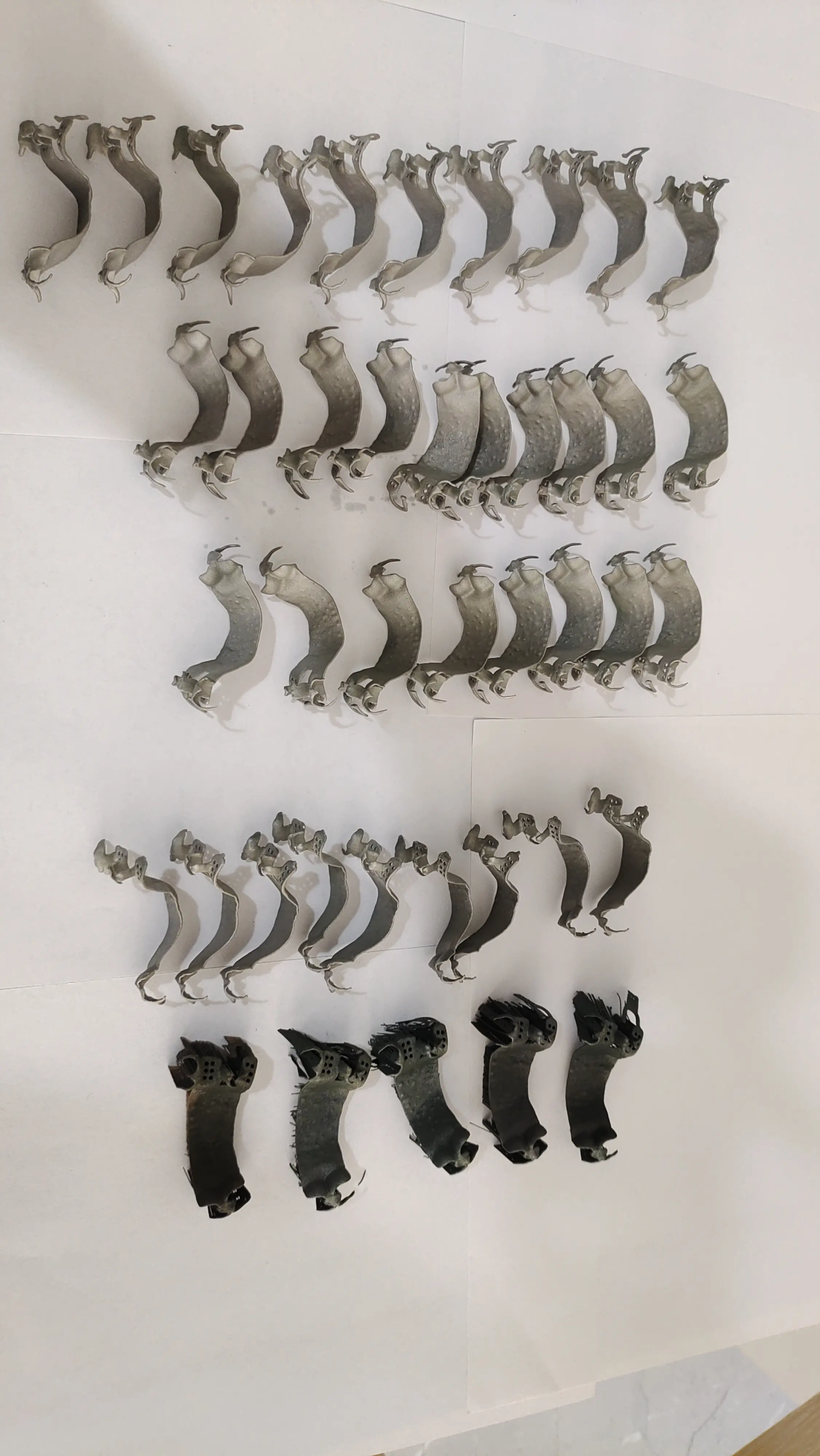
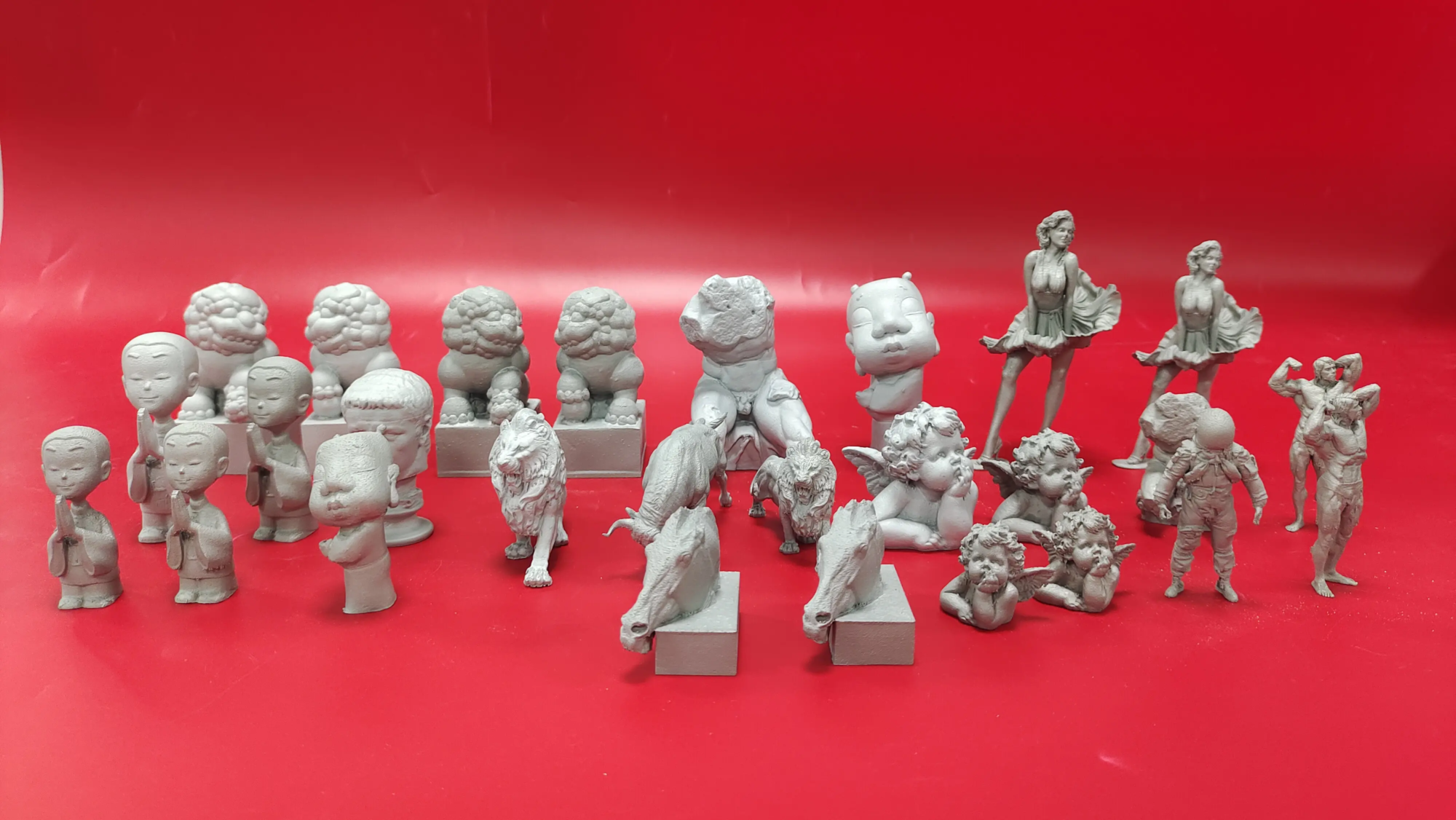
- Advanced Materials Handling Infrastructure: From moisture-controlled storage of sensitive polymers to complex material feed systems in polymer and metal AM platforms (including our advanced SLM 3D printers), material integrity is strictly managed.
- Integration post-processing: Just as feeding systems affect print startup, our seamless one-stop post-processing ensures that the end points meet the exact specifications. We solved it All Rapid Prototyping Challenge.
- Process expertise: We understand how subtle changes in material feed affect tolerances and mechanical properties. Our manufacturing technology optimizes each step.
- Massive customization: Can your AM process benefit from a custom start distributor or holder optimized for your unique spool size and material flow? Our core strength lies in Customized precision machining and rapid prototyping solutionsproviding customized components worldwide at competitive prices.
Whether you are an amateur, whether you are buying a ready-made spool holder or a corporate engineer reviewing the AM process, neglecting filament management is a gamble. Mission-critical prototyping is mandatory for dimensional accuracy and reliability, working with experienced experts Great Make sure your entire workflow is designed for success.
in conclusion
The plain filament holder is far more than a spool frame. This is the guardian of your filament integrity and a smooth path to successful 3D printing. Choosing the right solution (from simple bearing upgrades to sealed dry containers) can significantly improve the printability of demanding materials and complex geometries. Investment in printer hardware and filament inventory can be protected by minimizing tangles, managing tension, preventing contamination and optimizing feed paths. Ultimately, in a high-risk environment Accurate rapid prototypingstrong filament management supports professional and authoritative (eat) is required by both the industry and search engines. When consistency is crucial, there is no chance – optimize the feed from the start.
Ready to eliminate filament failures and enhance your print or professional project? Explore engineering solutions tailor-made to your specific requirements.
Filament Holder FAQ: Your main question has been answered
Question 1: Can I place the filament on the built-in stand of the printer?
A: For occasional printing, non-liquid filaments with PLA (e.g. PLA), yes, it is feasible. However, for consistent results, strong printing or moisture-sensitive materials, separate bearing-based or sealed fixtures are strongly recommended. Comprehensive holders usually cause resistance and do not provide environmental protection.
Question 2: How does the bearings of the filament holder make a difference?
A: Compared with direct friction on the shaft, the bearing greatly reduces the friction required to rotate the spool. This ensures smoother, more consistent feed of the filaments into the extruder, minimizing ribs or grinding, especially as diameter and weight shifts are reduced.
Q3: How to prevent tangle before filaments occur?
A: Always fix the loose ends of the filament after exchanging the spool (for example, clamp it to the wall of the spool). Design of spools with molded fixing flanges. Choose winding quality wire from reputable manufacturers. Never let loose ends fall on the spool without restrictions.
Question 4: When do I absolutely need a sealed/dry box filament bracket?
A: The necessary conditions required for absorbing known types of filament: Nylon (PA)PVA, TPU/Flexibles, PETG (especially in humid environments), and ABS goes beyond short film printing operations. PLA has fewer benefits, but prolonged exposure to humid climates can lead to pop-up/weaker prints.
Q5: Can Greatlight customize filament holders for unique spools or printers used in manufacturing?
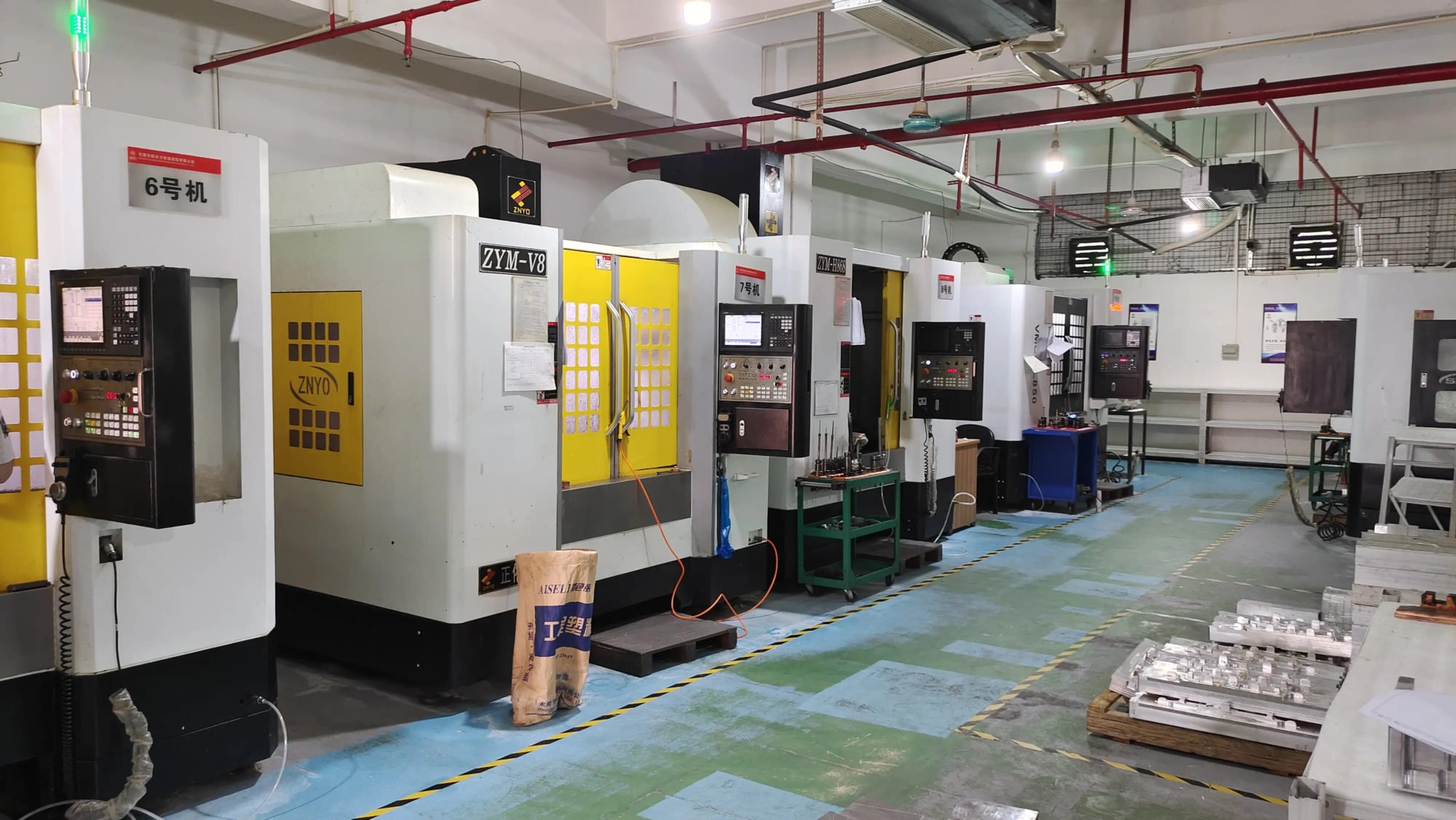
Answer: Absolute. This is our core expertise. Huge utilization Advanced SLM 3D printing and precision machining Design and manufacture custom distributors, installation solutions, integrated feeding mechanisms or professional holders compatible with unique steel pipe sizes, multi-boom setups or specific environmental control requirements to demanding industrial or laboratory 3D printing environments. We solved complex rapid prototype problems.
Question 6: Are wall-mounted brackets better than stand-alone brackets?
A: It depends on your workspace. Wall-mounted valuable printer table space and can simplify the organization of multiple machines. Independent holders provide more positioning flexibility. Both types of bearings are uniform bearings and proper path guidance, they can be very effective. Choose according to your space constraints.
Question 7: What is the easiest upgrade I can now do with better filament feed?
A: Use one instead of the basic spindle bracket Printed or purchased bearing-based holder. This is a low-cost upgrade that has significant differences in print consistency by reducing resistance. Pair it with a small section of the PTFE tube as a guide to input the printer’s extruder entry point.