Boost your creativity: The ultimate guide to 3D printing your own Super Mario character
Remember the thrill of leading Mario through the Mushroom Kingdom? What if you could bring this iconic hero to life on your desk? As 3D printing technology becomes more and more accessible, making a detailed Super Mario character is no longer a pipe dream but a fun and achievable DIY project! Whether you’re an experienced maker or a curious newbie, this guide will walk you through every step of successfully 3D printing your favorite plumber.
Why choose 3D printed Super Mario?
Beyond pure nostalgia, 3D printing Mario offers amazing benefits:
- Personalization: Want a spark-wielding Mario? Or the classic jumping pose? You control the design.
- Scale degrees of freedom: Print a small desk companion or a large centerpiece – scale your model to your liking.
- Learning experience: Master basic 3D printing skills (slicing, support structures, post-processing) in fun projects.
- Affordable collectibles: Create unique, high-quality statues without collector’s edition prices.
- Bridge to classic games: Combining digital creativity with tangible output – art inspired by the games we love.
Your DIY Guide: How to 3D Print Mario
-
Find the perfect model:
- Go hunting: Explore reputable 3D model repositories such as Thingiverse, Cults3D, or MyMiniFactory. Search keywords such as "super mario," "mario brothers," or "Nintendo Mario STL." Make sure the model is clearly marked as "non-commercial use" or have the appropriate licenses.
- Evaluate quality: Look for models with clear previews and good reviews/reviews. Check for adequate detail, manifold integrity (no holes) and manageable complexity. Highly complex models may require expert printing skills.
-
Prepare your model (slices):
- Import slicer: Open the STL file of your choice in slicing software (Cura, PrusaSlicer, Simplify3D are popular). The software converts 3D models into printer-specific instructions (G-code).
- Direction and scale: Best Spin Mario. Generally, printing vertically minimizes overhang, but may exceed the height allowed by the printer. A slightly angled print sometimes works well. Scale the model to your desired size.
- support: Mario’s iconic hat brim, arms, and mustache are all notorious protrusions. Enable supports – Tree supports (if available) often save material and are easier to remove.
- Floor height: For detail and smoothness, choose a layer height of 0.1 mm to 0.2 mm. Slower but higher quality.
- Filling density: For decorations, 15-20% is usually enough. Higher padding adds weight and strength.
- Generate G-code: Configure printer settings (temperature, speed) based on your filament and slices. Double check the estimated print time!
-
Printing process:
- Printer preparation: Make sure your print bed is carefully flat and clean. Use adhesive aids (glue sticks, hairspray, PEI sheets) for materials such as PLA or PETG that are commonly used for figures.
- filament: Choose high-quality PLA (easiest, wide range of colors) or PETG (slightly harder). For accuracy, you typically need red, blue/brown, black, white, and ideal skin color filaments. Multi-material printers can automatically change colors; otherwise, multi-part printing and gluing would be required.
- Monitoring and troubleshooting: The first few layers should be left nearby to detect adhesion problems. Watch out for spaghetti (failed prints) or layer shifting. Patience is key – detailed data will take hours!
- Post-processing magic:
- Support removal: Carefully remove the support structure using a flat end mill, utility knife, and tweezers. Take your time to avoid damaging the main print.
- Polishing: Start with coarse-grit sandpaper (200-400) to address larger imperfections, then use fine-grit sandpaper (800-2000+) to smooth out seams, layer lines, and support scars. Wet sanding helps prevent dust.
- Gap filling: Fill layer lines or imperfections with filler putty (such as Milliput) or a thick CA glue mixture, then sand.
- assembly: If printing in parts (common in complex poses), clean joints with isopropyl alcohol and use strong cyanoacrylate (CA/Super Glue) or epoxy for a long-lasting bond. Clamp lightly while curing.
- Primer and Paint:
- Primer: Spray paint with a thin coat of high quality filler/primer. Sand lightly after priming (if necessary) to achieve a seamless surface.
- painting: Use acrylic model paint and apply carefully with a small brush. Thin the paint slightly to make it smoother. Masking tape helps with clean color transitions. Consider washing and dry brushing for depth. Seal with matte or satin clear coat.
Achieving Museum Quality: When DIY Needs Professional Help
While DIY printing is valuable, producing extremely smooth, flawless, high-detail replicas of Super Mario requires precision tools, advanced materials, and specialized machining techniques—tasks that often push FDM printers (the most common DIY type) to their limits. This is where working with a professional rapid prototyping service can really enhance your project.
GreatLight: Your rapid prototyping partner
For creators seeking truly exceptional results, outsourcing to experts ensures professional results without a steep learning curve. huge light Specialized in transforming complex digital designs such as Super Mario into perfect physical reality. how?
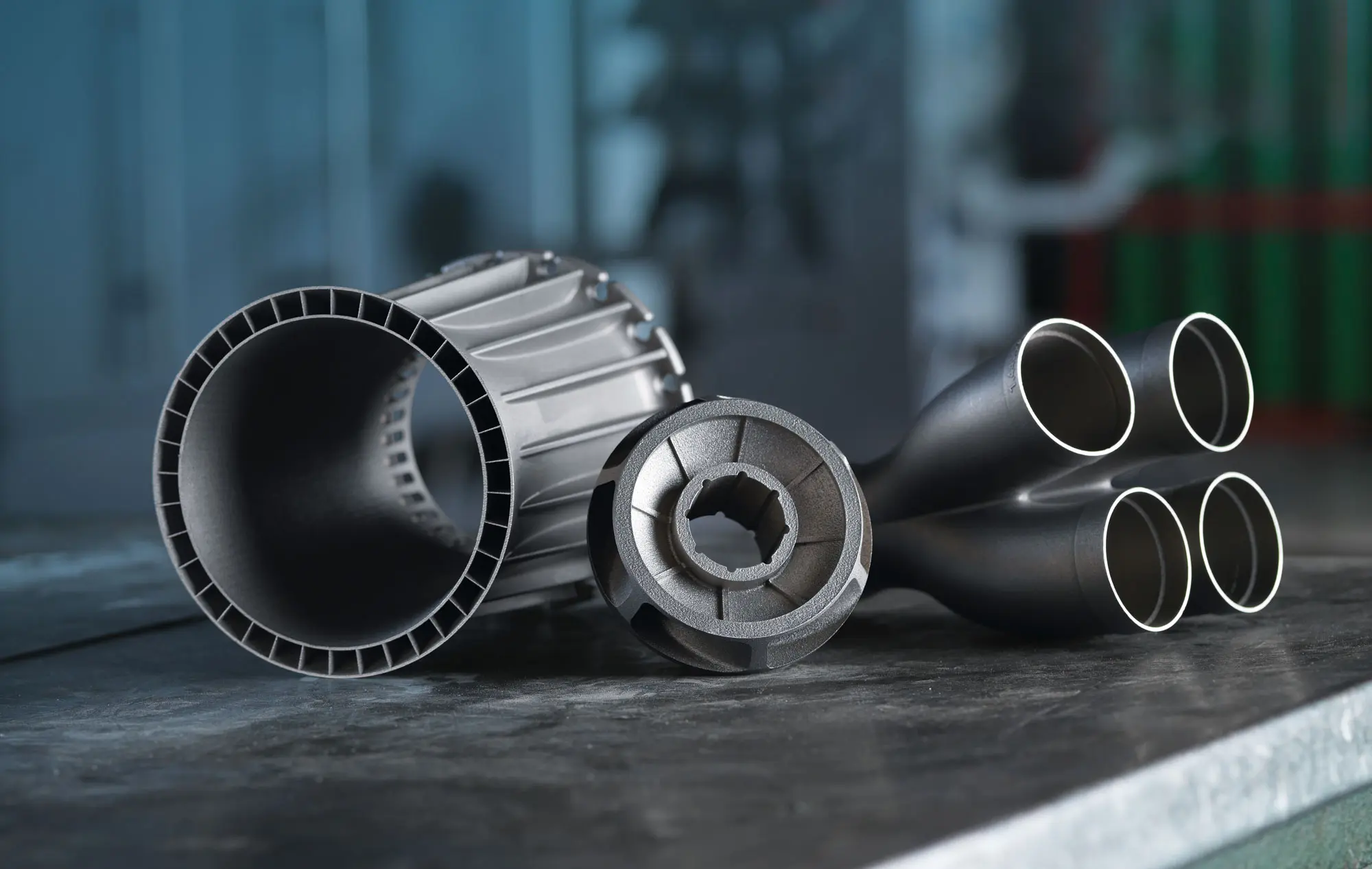
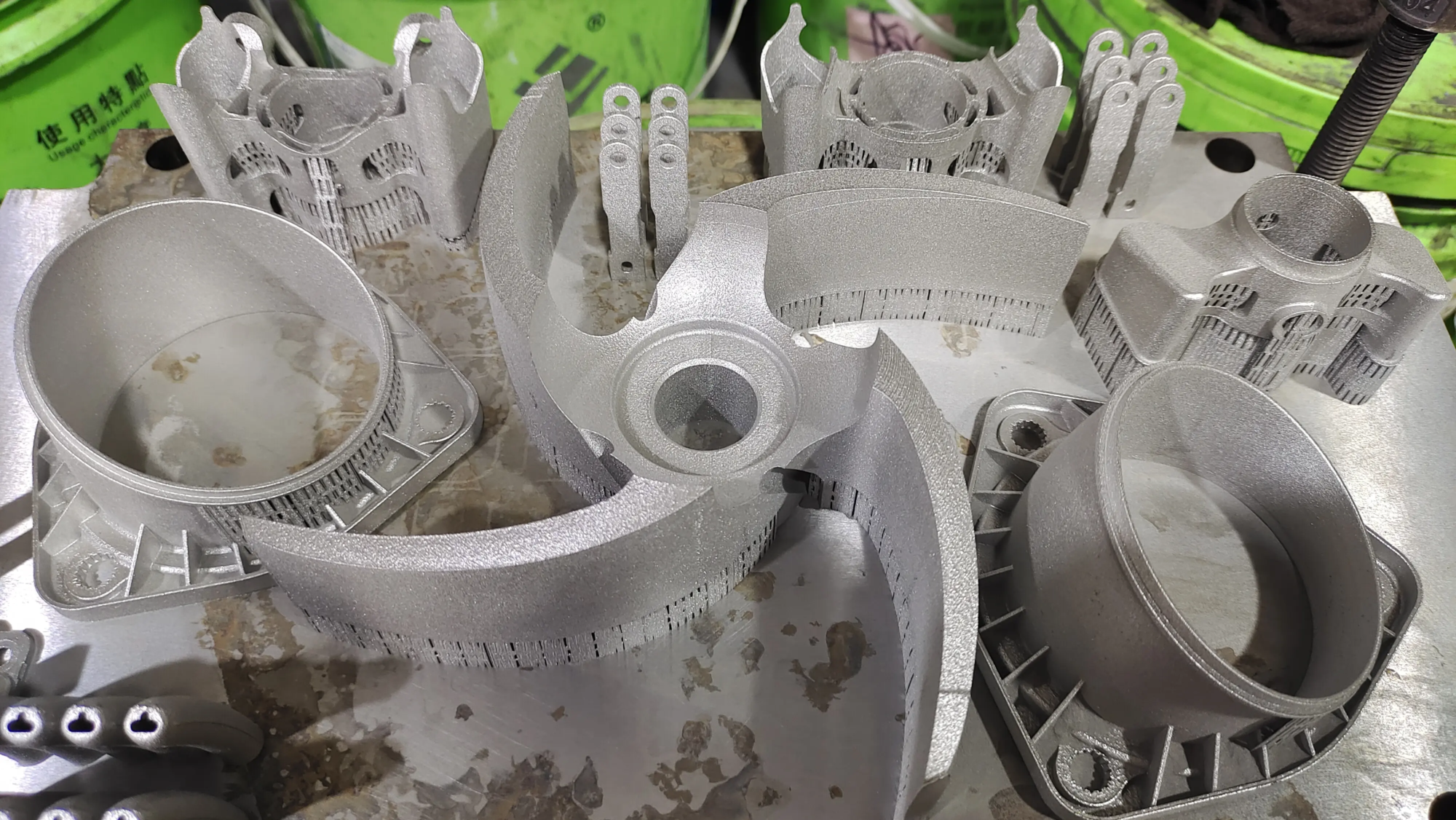
- Cutting-edge SLM metal printing (and more): In addition to FDM plastic, GreatLight also utilizes Selective Laser Melting (SLM) Incredibly detailed metal printing opens new doors for quality works of art or unique collectibles. They expertly handle a variety of processes including resins (SLA/DLP) for ultra-smooth surfaces and FDM for larger prototypes if required.
- Material mastery: Need bright colors? Specific strength to weight ratio? Unique metal finish? GreatLight offers extensive material customization using plastics, resins, and high-grade metals to suit your Mario visual and functional needs.
- Superior seamless post-processing: This separates good print from great print. GreatLight Professional Processing Key Steps:
- Precision CNC machining ensures dimensional accuracy of key features.
- Professional media blasting and polishing (hand and tumble sanding) for a flawless metal/resin finish.
- Exquisite painting and decorative finishing – achieve vibrant Nintendo-accurate colors and textures.
- Remove supports efficiently and reliably without causing damage.
- A true one-stop solution: From initial file analysis (including DFM feedback to ensure printability), to optimized printing strategies, to meticulous finishing – GreatLight expertly manages the entire workflow.
- Speed and reliability: Need Mario to attend an event or send a gift? Focus on quick turnaround without sacrificing quality. Their streamlined process delivers exceptionally fast results.
Whether your Mario needs the strength of steel or the realistic details of resin through SLM printing, GreatLight applies rigorous industrial-grade prototyping standards to your creative projects.
Completion Level: Conclusion
3D printing your own Super Mario character blends nostalgia with modern technology to provide great creative satisfaction. Following this guide will help you through the entire process from finding your model to printing and finishing. This is a great program to hone valuable skills while creating a unique piece of gaming history.
For enthusiasts, the DIY route offers hands-on learning and great satisfaction. But when your vision requires extreme detail, durability, or specialty materials without mastering complex finishing techniques or investing in expensive industrial equipment – take advantage Professional partners like Gretel become a strategic advantage. They effortlessly transform complex designs into stunning, high-quality products.
Are you ready to bring Mario back to life? Start your DIY adventure today, or discover how GreatLight can quickly and professionally turn your vision into a precision masterpiece.
FAQ: 3D Printing Super Mario
Q1: Can I legally 3D print Super Mario?
A1: Print Nintendo’s copyrighted characters for personal use (non-commercial display in your home) generally falls under the fair use interpretation. It is crucial to: Only download STL from websites that explicitly provide models for non-commercial use. It is illegal to sell printed versions of Mario or mass-produce them without Nintendo’s permission.
Q2: What is the easiest way to print Mario?
A2: Use a filament printer (FDM). Single color printing (gray) and hand painting simplify assembly and reduce reliance on multi-material printing.
Q3: Why do my photos have rough ridges on Mario’s face/hat?
A3: These are layer lines. Minimize this by using smaller layer heights (0.1 mm), calibrating the printer accurately, ensuring belt tension, and sanding/priming/painting. Resin printers inherently produce smoother surfaces than FDM.
Q4: How do I get the vibrant Nintendo-accurate reds and blues?
A4: Start with high quality, saturated filament/paint. Primer (white or gray) creates a bright base for color. Apply a thin layer of acrylic paint. Professional painting services allow for unparalleled accuracy.
Q5: Should I print one piece of Mario or multiple parts?
A5: A lot depends on the model and printer size. Multi-part printing allows for optimal orientation, minimizing supports,