The Rise of Revolutionary Tactical Gear: The Ultimate Guide to 3D Printing Solutions
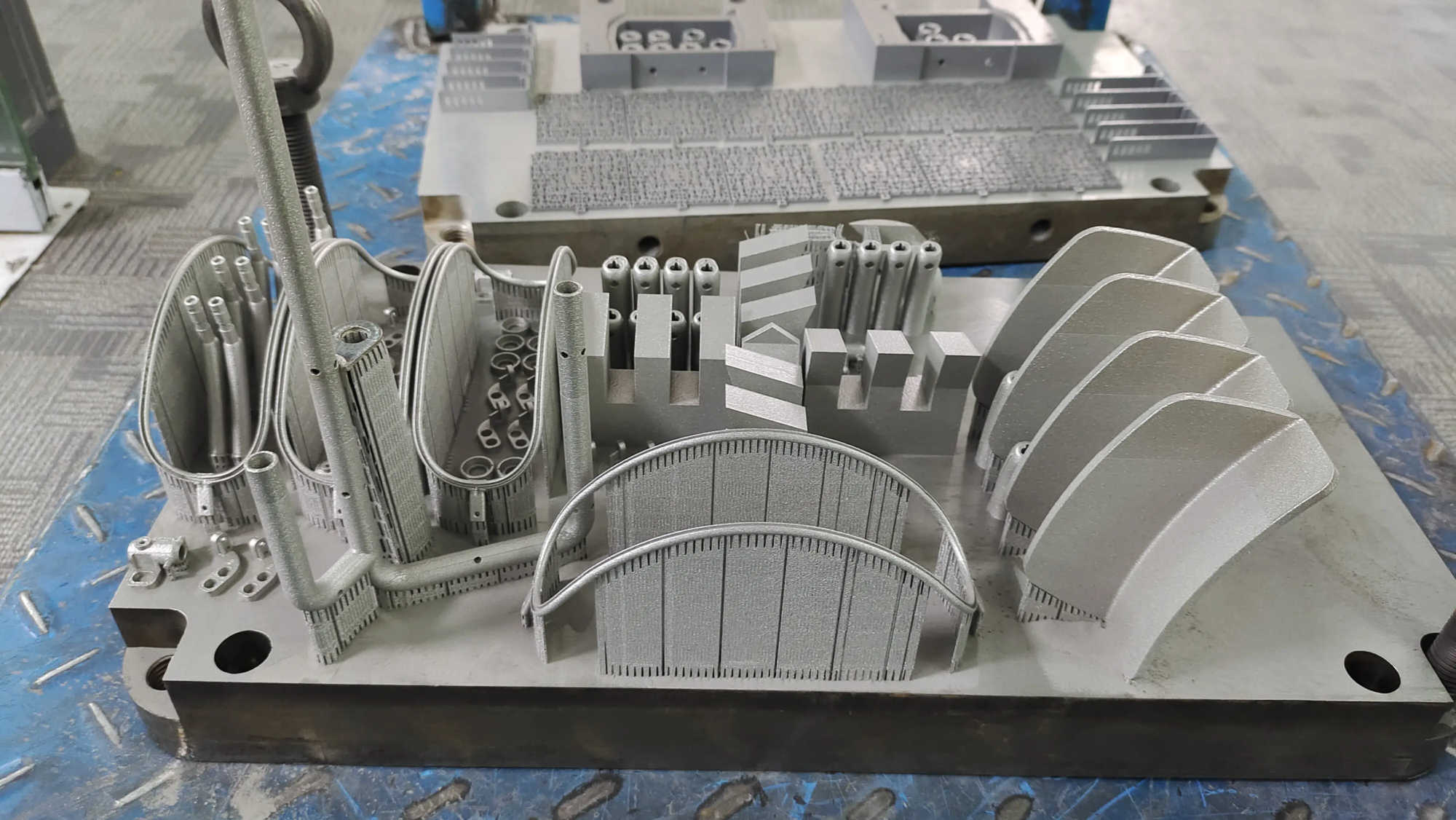
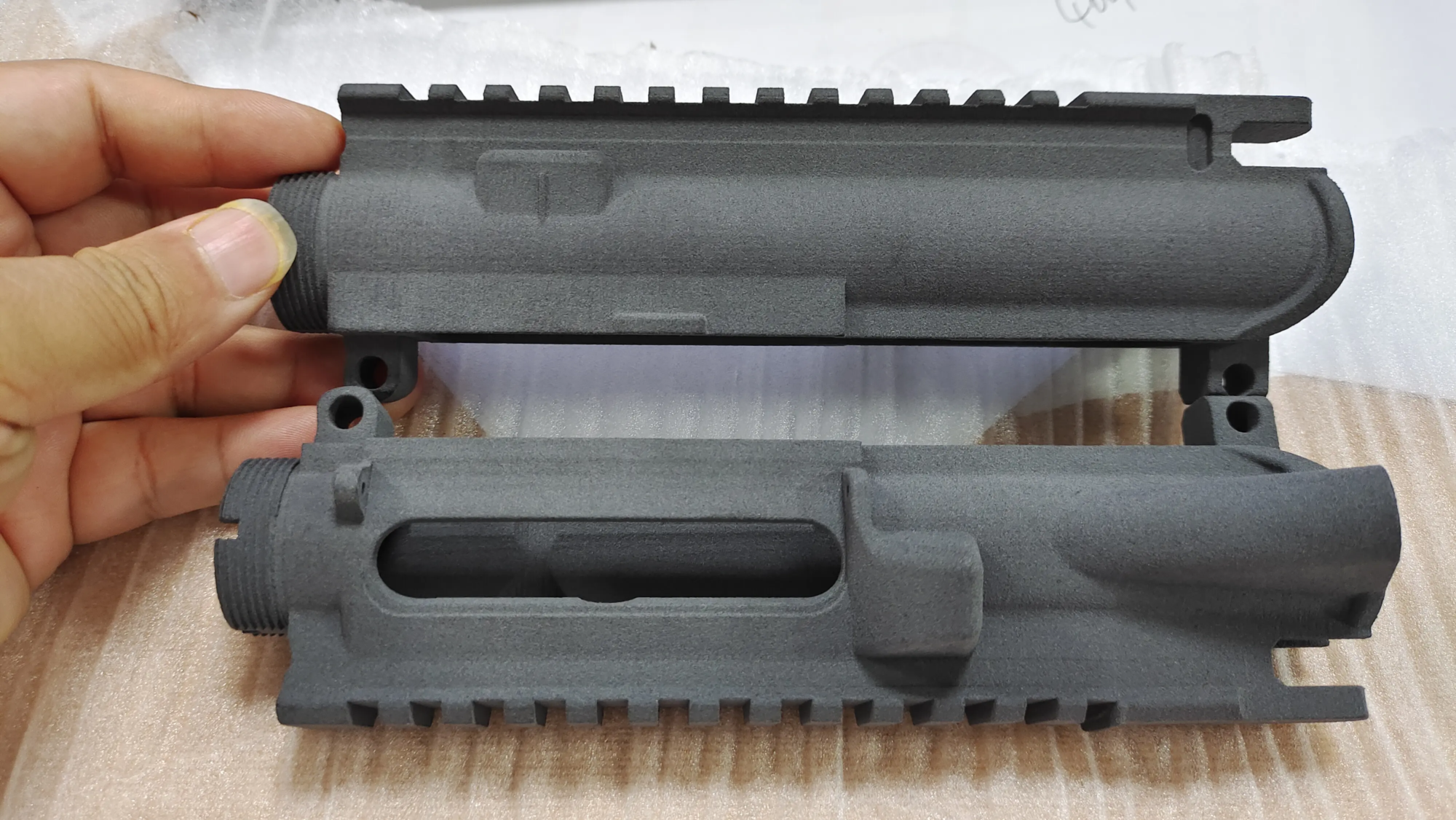
For soldiers, law enforcement professionals and combat readiness enthusiasts, gear is more than gear; This is a lifeline. Until now, traditional manufacturing often forced compromises between weight, functionality, and customization. Integration of advanced technologies 3D printing technologySpecifically in the area of metal additive manufacturing, Armor is transforming tactical gear from standardized kits into hyper-personalized, high-performance solutions. Using technologies like Selective Laser Melting (SLM), manufacturers can push the boundaries of traditional methods. Let’s take a deeper look at the intricacies of 3D printing TAC gear and why it represents the cutting edge of operational readiness.
Why use 3D printing for tactical applications?
Not only is 3D printing novel, it also brings specific strategic advantages to tactical equipment:
- Unparalleled customization: Fit is most important. 3D scanning allows equipment to be perfectly fitted to an individual’s body shape (armor plates, holster ports) or to specific mission requirements (unique weapon accessory mounting solutions). no longer "close enough."
- Optimized weight-to-strength ratio: Advanced metal powders processed via SLM, plus Topology optimizationallowing complex lattice structures. These internal patterns maintain extremely high rigidity while significantly reducing unnecessary weight – essential for flexibility and endurance.
- Rapid prototyping and field adaptation: The speed of design iteration increases exponentially. Does the magazine release need to be modified to fit a specific glove? Mount for new optics? Prototyping cycles are reduced from weeks to hours, allowing for real-world testing and refinement before final production. This agility is priceless.
- Complex geometric shapes: It becomes possible to create complex internal channels for cable routing, integrated ventilation systems in body armor or ergonomic handles with non-standard surfaces without expensive tool changes.
- Lightweight without sacrificing: Replacing bulky machined aluminum components with strong, lightweight titanium components directly improves operator performance and reduces fatigue during extended operations.
- Supply chain resilience: On-demand printing of replacement or mission-critical parts reduces reliance on fragile logistics chains—which could be a game-changer in remote areas. *
Material Selection Guide: Choosing the Basics of Your Arsenal
Material selection determines performance and serviceability:
-
Metal alloys (for load-bearing and highly stressed parts):
- Titanium alloy (Ti6Al4V): Star performers. Superior strength-to-weight ratio beyond steel, excellent corrosion resistance (critical for offshore/mud operations), biocompatibility and fatigue resistance. Premium selection of armor components, weapon mounts, lightweight mounts and critical hinges. Although the cost is higher, the performance justifies it.
- Aluminum alloy (AlSi10Mg, Scalmalloy®): Excellent lightweight option with good strength and thermal conductivity. Cost-effective for non-ballistic applications such as mounts, lightweight frames, drone components and housings. Scalmalloy provides enhanced strength.
- Maraging steel: Provides extremely high hardness and toughness (after aging heat treatment). Suitable for high wear parts, ballistic blades (Requires specialized design/printing) and tools.
- Stainless steel (316L, 17-4PH): seven Excellent corrosion resistance and good mechanical properties. For use on durable buckles, buckles, hardware and PA parts requiring good chemical resistance. 17-4PH provides greater strength through heat treatment.
- High-performance polymers (for fittings, interfaces, non-structural parts):
- peep: Polymers offer high temperature resistance, excellent chemical resistance, and excellent strength/stiffness. Suitable for holster components and mounting brackets with high thermal stability requirements.
- ULTEM (Prince Edward Island): Has similar advantages to PEEK, but has a slightly lower temperature upper limit. Known for its flame retardancy and good mechanical properties. For use on housings, handles, cable guides.
- Poly(aryl ether ketone):Sharif’s emerging range offers PEEK/ULTEM-like performance with potential processing advantages.
- Nylon (PA11, PA12 glass filled): Strong, flexible and cheaper. Ideal for prototypes, bags, flex hinges and non-critical clips.
Advantages of SLM: For critical structural applications, metal SLM printing offers unparalleled mechanical integrity compared to polymer processes. Layer-by-layer laser fusion creates dense parts that are virtually indistinguishable from forgings.
Design Key Points for Successful 3D Printing of Tac Gears
Designs must leverage the benefits of additive manufacturing while adapting to its realities:
- Design for Additive Manufacturing (DfAM): Utilize topology optimization software to maximize strength/stiffness while minimizing mass. Think beyond