The eternal charm of DIY: Make your own 3D printed TARDIS model
About the TARDIS of Doctors, it’s an undeniable magical thing – that iconic blue police box is larger inside and able to travel through all time and space. For fans Doctor Whocapturing this wonder is not just about souvenirs. This is the connection to the adventure universe. Using 3D printing technology, the connection becomes tangible. Creating your own 3D printed TARDIS model is a meaningful project that combines fanaticism, craftsmanship and cutting-edge technology.
Why do you need 3D printed TARDIS?
Despite the existence of a plastic model kit, custom 3D printed TARDIS offers unparalleled personalization. Want a desktop version with a luminous window? Weathered, relic of the battle from Trenzalore? Even a mini keychain? 3D printing gives you complete control over scale, detail fidelity and finish. Plus, this is a great way to test your design skills, learn slicing software, and try drawing techniques. It’s not just a model; it’s a journey through design and manufacturing, with TARDIS as your boat.
Plan your build: From concept to blueprint
Before starting the printer, planning is crucial:
- Choose your design: Platforms like Thingiverse, cults3d or myminifactory offer free or paid TARDIS STL files. Looking for designs that prioritize structural integrity, clear details (e.g. "Police Box" letters and windows), and modularity for assembly. Advanced users can model their own final customization in CAD software such as Fusion 360 or Blender.
- Select scale and material:
- scale: Common sizes range from 10 cm keychain to 30 cm+ core accessories. Consider the build volume of the printer.
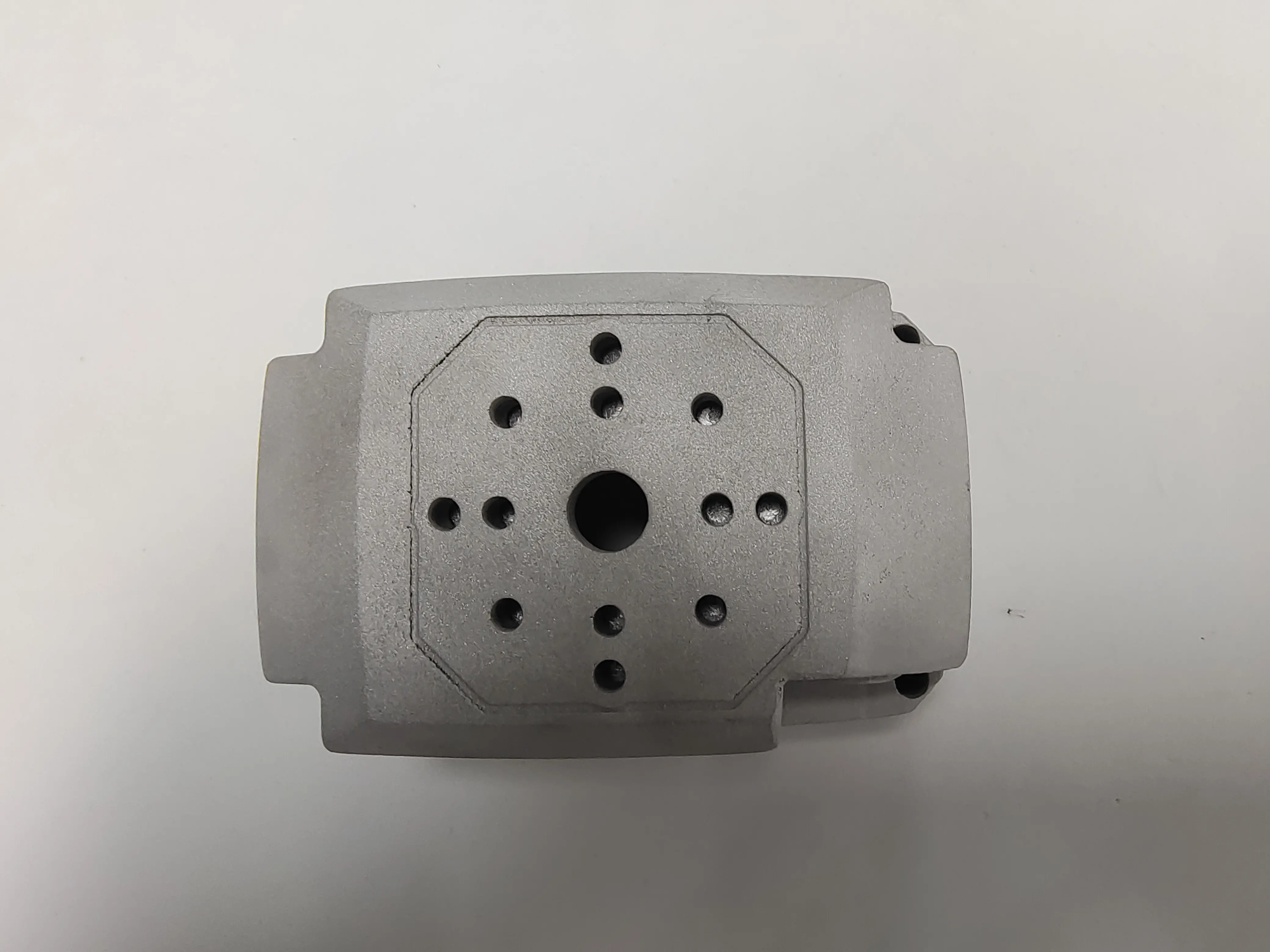
- Material: PLA is perfect for beginners – easy to print and paint. PETG provides better durability and temperature resistance. For super high-end, museum quality feel? This is where expertise shines. High resolution resin (SLA/DLP) printers capture microscopic details such as curtains or weathered textures. For truly unique, metallic TARDIS (perhaps a variant of Dalek-Prog-Prover?), Professional services like Greatlight are starting to work. They use advanced Selective laser melting (SLM) Technology to 3D printing power Metal prototype (e.g. aluminum, titanium, steel alloy). SLM produces incredibly precise, dense components, perfect for complex details of custom metal models where durability is critical. Greglight also provides comprehensive Post-processing service (Polishing, plating, heat treatment) to lift the finish.
- Pre-India Preparation: Cut the model into thin slices using software like Cura or Prusaslicer. Optimized settings: layer height (details 0.1-0.2mm), fill density (15-25% balance), support (critical for overhangs like roof lights). Dry silk is the key to preventing printing defects.
Production stage: printing and assembly
- print: Start with the core panel (walls, doors) to ensure a consistent setup. Print complex parts, such as slowly using roof lights and cooling them enough. Monitor the first floor closely. Troubleshoot common problems (distortions, strings).
- Professional printing options: Not every Whovian has an industrial 3D printer or wants plastic. If you seek museum accuracy in materials such as stainless steel or nylon composites, then Professional rapid prototype companies can be transformative. The company likes it Greatoutstanding Rapid prototype manufacturer from Chinaprovides access to industrial SLM machines, handling all complex content Customized metal parts processing Choose the best materials for aesthetics and strength. Their One-stop post-processing service Ensure that the parts are polished, polished, painted or flawless, perfect for professionals who create display pieces or functional prop copies.
- assembly: Before bonding, dry parts. Use Superglue (cyanoacrylate) for plastics, epoxy resins for resins or metals. Consider using thin wires routed inside the hollow panel to integrate the LED light into the light (surface-mounted LEDs work well).
Post-processing: Bring Gallifrey to life
This stage lifts your taldis from plastic to phenomenon:
- Supports removal and grinding: Be careful to remove the support. Start with coarse sandpaper (120-220 particle size), and go to a finer sandpaper (400, 800, 1000+) for smooth surfaces.
- Start and Painting: Apply a high fill primer to hide the layered lines. Gently sand between coats. Authentic BBC blue reference screenshot. Use acrylic paint: primer blue, detail black for windows/panels, silver for door handles/lights. Weathered wash (diluted brown/black) adds realism. The final matte or satin sheer jacket can protect.
- light: The wires lead to small battery packs hidden on the base or roof. Diffuse LED light with parchment or professional movie behind the window "Glass" (Clear acrylic fragments).
- Professional surface: For metal prints created through services such as Greatlight, take advantage of their expertise Precision machining and finishing. Options such as bead blasting, nickel plating, or color anodizing can create a unique metallic luster with a home printer.
Conclusion: Your own time and space
Building a 3D printed Tardis is more than just a craft project. It’s an immersive dive into precise creation, blending the right Doctor Who Have the ability to modern manufacturing. From sliced digital design to waving paint brushes, each step brings the pleasure of bringing science fiction legend to the shelf. For simple PLA prints, home printing is beneficial and educational. But for fans and creators, chasing truly exceptional qualities – metal density, intricate micro-details or museum-level finishes – it is essential to use a dedicated rapid prototyping service. Companies like Greatlight, equipped with state-of-the-art SLM technology and comprehensive post-processing, transforming complex digital blueprints into heirloom quality metal reality, proves that sometimes achieving extraordinary achievements requires bend over to make experts bend for substantial implementation. "Impossible."
FAQ: Your TARDIS Troubleshooting Guide
-
Q: How long does it take to 3D printing TARDIS?
- one: It depends to a lot on size, resolution and printer speed. A 15 cm PLA model printed in a 0.2 mm layer may require a total printing time of 15-25 hours. Larger models or finer details (0.1mm) can take more than 40 hours. Increase the time for assembly, polishing and painting (days to weeks).
-
Q: Can I print it with a resin printer instead of FDM (PLA)?
- one: Absolutely! Resin (SLA/DLP) printers produce excellent detail and smooth surfaces, ideal for intricate TARDIS features. Be aware of resin costs, necessary safety precautions (ventilation, gloves) and potential brittleness compared to FDM parts. Post-treatment requires washing and UV curing.
-
Q: I don’t have a 3D printer. Can I make one more?
- one: Yes! Options include:
- Online printing service: Choose STL to platform from a variety of materials (plastics, resins or metals) (Shapeways, CraftCloud, Xometry).
- Local manufacturer space/library: Many people have public access to 3D printers.
- Professional prototype company: To achieve the best quality, especially in metals or complex geometric shapes, companies like Greatlight specialize in Customized rapid prototyping. They provide Expert advice on material selectionuse Advanced SLM technology Used for metal parts and delivered Complete servicesignificantly simplify complex or high-end projects.
- one: Yes! Options include:
-
Q: How difficult is it to paint and weather? Are there any skills?
- one: Patience and thin layers are the key! Thorough. Use mask tape to clean the panel. Iconic blue variation; find the shadow you like. Apply a very thin primer. For weathering: significantly dilute dark paint (black/brown) and carefully apply on panel lines and edges to wipe off excess areas from the raised areas. Details such as handles are added to the wear with a silver dry brush on the silver. Practice spare parts!
-
Q: Where can I find a good Tardis STL file?
- one: Search for popular repositories using keywords "Tadis," "Doctor Who Police Box." View comments/preview images for printability and accuracy. Pay attention to licensing (personal use and commercial). Etsy’s talented designers also sell unique variants.
- Q: What makes metal 3D printing (such as SLM) suitable for complex models?
- one: SLM is ideal for precisely driven projects because it:
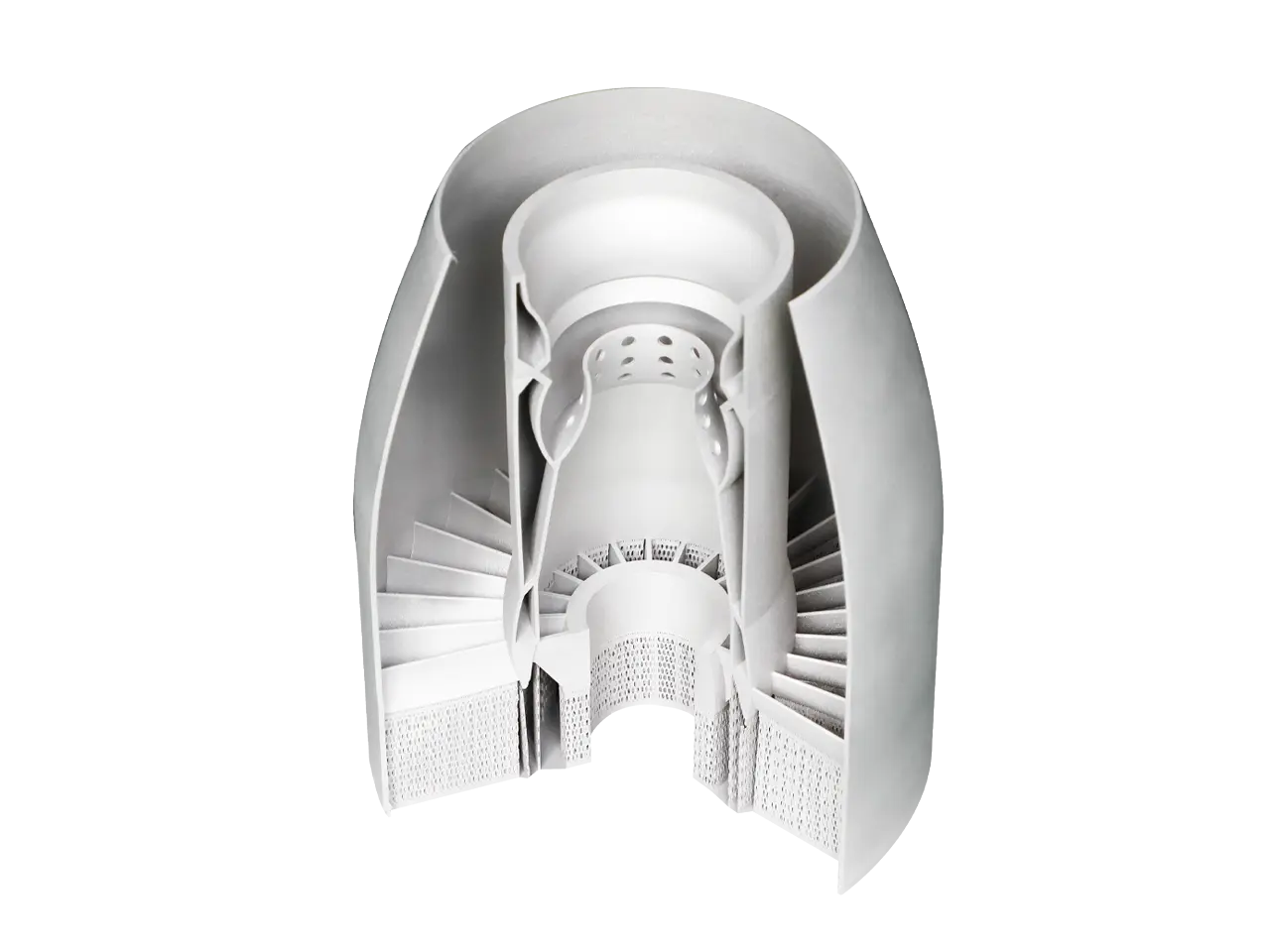
- Create complex geometric shapes: Create internal functions and fine details through machining.
- Generate dense, strong parts: The metal powder melts completely, resulting in a powerful ingredient.
- A variety of materials are available: From lightweight aluminum to surgical grade stainless steel or titanium.
- Enable integration features: Parts can be designed with pre-built hinges or interlocking functions. For complex metal TARDIS models that require structural integrity and high detail, in collaboration with experts from Greatlight, they are SLM and precisely completed.
- one: SLM is ideal for precisely driven projects because it: