The Dawn of Additive Manufacturing: Why 3D Printing Is Changing Factory Flooring
For centuries, manufacturing has followed the doctrine of subtraction: take a piece of material and cut, mill, drill or grind, not something that is not needed. While effective, this approach can cause a lot of waste, limits geometric complexity, and often requires expensive tools and long lead times. Enter 3D printingor Additive Manufacturing (AM)a technology quickly eliminates these limitations and establishes itself as an undeniable future for making things.
Unlike its predecessor, 3D printing builds objects layer by layer from digital 3D models. This fundamental shift from subtraction to addition transforms unprecedented design freedom, efficiency and customization capabilities from aerospace and automotive to healthcare and consumer goods. It’s not just about prototypes faster. It redefines the possibility of production.
How it works: not just plastic trinkets
While the desktop FDM printer creates plastic statues is the most obvious face in 3D printing, industrial reality is more complex and powerful. Key technologies that promote the manufacturing revolution include:
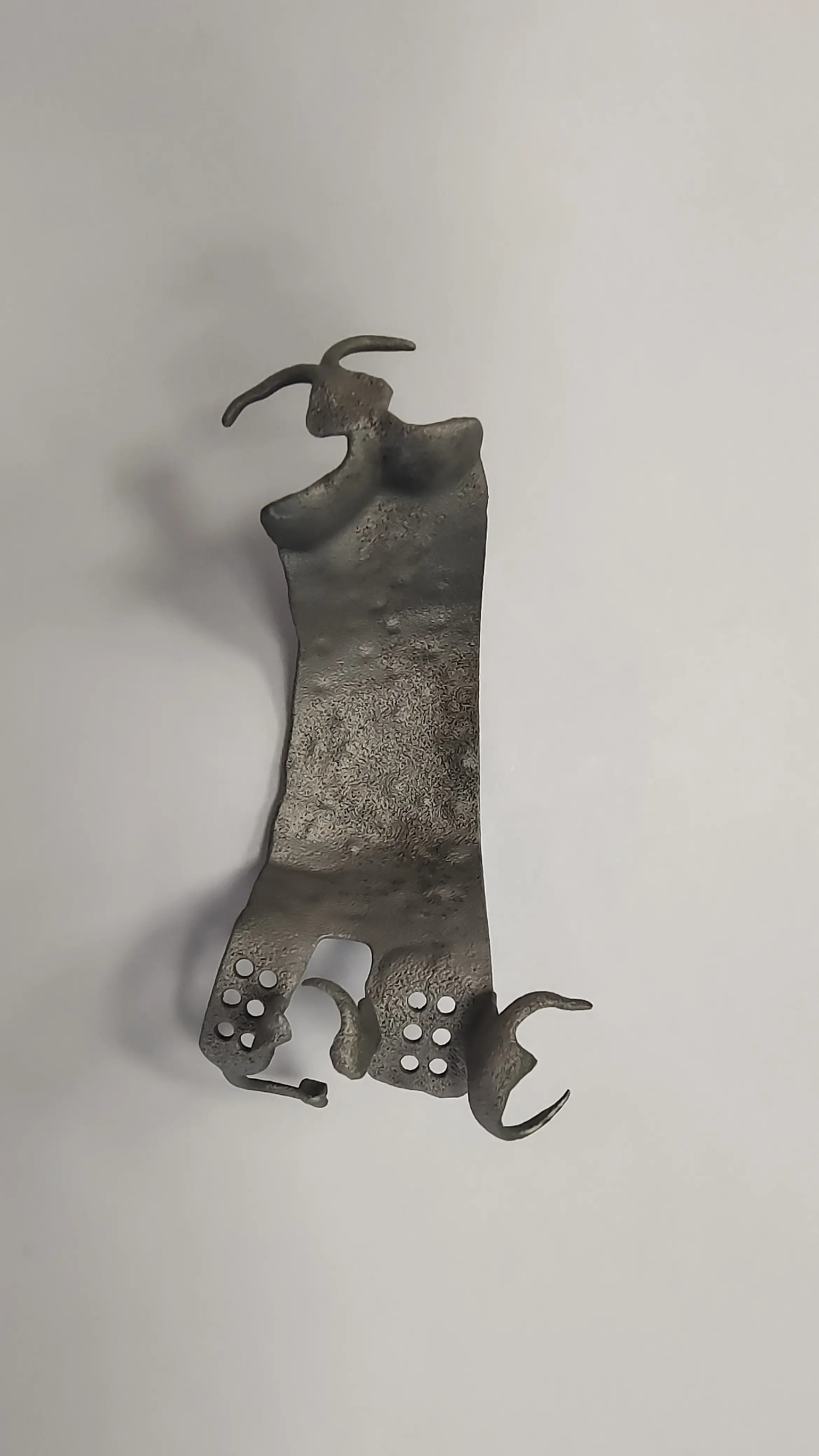
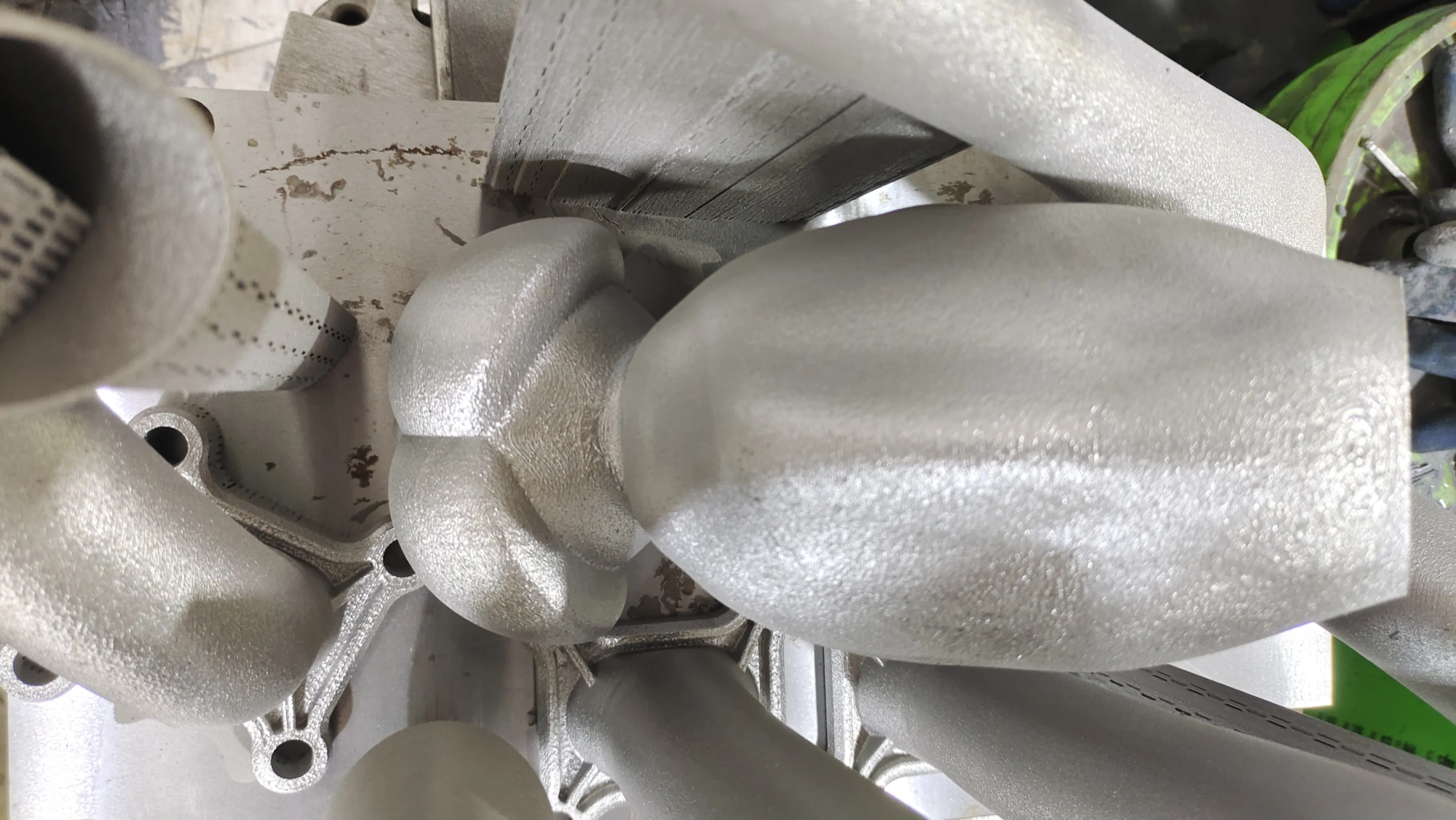
- Selective laser melting (SLM): This is where the real magic happens with high-performance metal parts. High power lasers accurately melt fine metal powders (such as titanium, stainless steel, aluminum or nickel alloys), fuse layer by layer, fusing particles into incredibly dense, strong and complex ingredients. SLM makes geometry impossible in casting or machining – think of internal cooling channels in turbine blades or lightweight lattice-filled structures.
- Fusion Deposition Modeling (FDM): A layer of extruded thermoplastic filaments. While prototypes are common, industrial grade FDMs with advanced engineering thermoplastics (e.g. PEEK, ULTEM) are used for functional fixtures, fixtures and end-use parts.
- Stereo-lithography (SLA): Use UV laser to heal liquid photopolymer resin layer by layer, resulting in parts with special surfaces and details, ideal for complex prototypes and complex molds.
- Multi-jet fusion (MJF) / selective laser sintering (SLS): Diffuses the polymer powder and selectively fuses it with heating elements (MJF) or laser (SLS), resulting in strong, durable nylon parts without support structures, ideal for functional prototypes and low-volume production.
Why 3D printing is the future: The advantages of reshaping manufacturing
The transition to additive manufacturing is driven by tangible, game-changing benefits:
- Unrivaled design freedom: Relieve engineers from the limitations of traditional processes. Complex internal geometry, organic shapes, consolidation components and lightweight lattice structures become feasible, thus removing excellent performance (lightweight, improved heat dissipation, optimized fluid dynamics).
- Massive customization: Economically generate custom or low volume runs, traditional tools will be very expensive. Consider personalized medical implants, custom auto parts or customized consumer products – all without a huge set-up cost.
- Significantly reduce delivery time: Cut off a few weeks or months of product development cycle. Rapid prototyping turns into rapid manufacturing. Iterative design is faster, responds to market changes faster, and greatly reduces time to market.
- Minimize waste and sustainable potential: The additional process uses only the materials required by the part itself, as well as the minimum support structure. This is in sharp contrast to the subtraction method, which can produce up to 90% of waste. In addition, weight loss design optimization can be translated into energy savings during product use (e.g., lighter aircraft, cars).
- On-demand production and digital inventory: Manufacture parts as needed, reducing the need for large physical lists and warehousing costs for spare parts. Digital files can be stored and printed locally anywhere in the world.
- Eliminate tool costs: Eliminate the need for expensive molds, molds and fixtures, especially for complex parts and low to medium volume production.
Industry applications: From prototypes to flying parts
3D printing is no longer limited to R&D laboratories:
- aerospace: Weight is the king. Complex fuel nozzles, lightweight structural brackets, turbine blades with optimized cooling channels – all of which are printed out in 3D to reduce fuel consumption and enhance performance (e.g. GE Aviation Pres, a major player here).
- car: Prototyping is faster than ever, but the application extends to custom internal components, lightweight chassis parts, sophisticated fixtures and fixtures, and even final parts such as heat exchangers and brake calipers.
- Medical and Dental: Really life-changing. Patient-specific implants (cranial plates, hip cups), surgical guides that perfectly match the anatomy, customized prosthesis, and biocompatible crowns and bridges were produced daily using SLM, SLA and SLS.
- Industrial Equipment: Manufactured robust, custom tools, specialized fixtures and replacement parts for old machinery – usually faster and cheaper than traditional repair methods.
- consumer goods: Enables rapid design iteration, short-term production of complex designs, and customizable products from ergonomic glasses to unique household items.
GRESTHERMENG: Your partner in the additive manufacturing revolution
The ability and complexity of navigating the industrial 3D printing requires expertise and advanced infrastructure. This is Great shine. As the major rapid prototyping manufacturer in China, we are deeply embedded in the forefront of additive manufacturing technology.
We use it specifically Advanced SLM 3D printing equipment Meet the most demanding metal parts challenges. Our deep expertise enables us to:
- Solve complex rapid prototype problems: We provide engineering insights to optimize designs specifically for additive manufacturing to ensure manufacturing and performance.
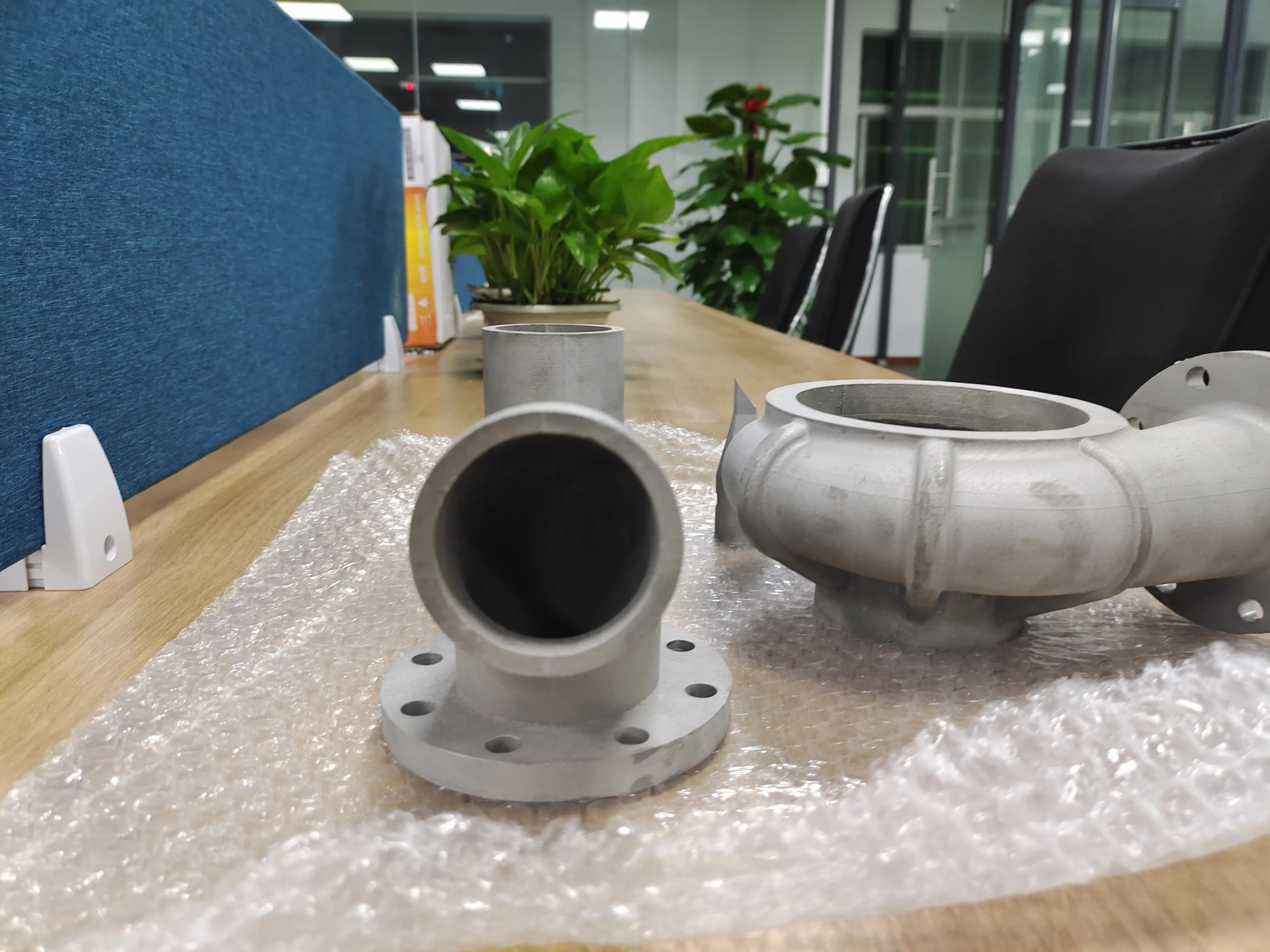
- Provide end-to-end metal solutions: In addition to printing, we also provide comprehensive One-stop post-processing and completion service. This includes experts Support deletionaccurate CNC machining For critical tolerances and mating surfaces, detailed Heat treatment For optimal material properties, advanced Surface finish (polishing, bead blasting, coating) and thorough Quality inspection (CMM, CT scan).
- Use various materials: Most engineering grade metal powders (stainless steel, titanium alloy, aluminum alloy, inconel, tool steel) can be successfully customized and processed.
- Ensure speed, accuracy and value: We understand the urgency of the development cycle. Our focus is on fast turnaround time without compromising Accuracy and quality Your custom parts needs are available at competitive prices.
At Greatlight, we firmly believe that 3D printing is more than just one Future technology; it is this The future of agile, innovative and sustainable manufacturing. We work with our customers to turn visionary designs into tangible, high-performance reality.
Conclusion: Embrace additives
The trajectory is obvious: Additive manufacturing fundamentally changes the manufacturing landscape. It unlocks design complexity, enables the ability to customize, cut lead times, reduce waste and produce previously impossible parts, which is essential. From rapid prototyping in key industries to end-use parts production, 3D printing offers unprecedented agility and innovation.
Despite challenges that remain—such as standardization, consistency in material properties for certain applications, and extending the ultimate production speed—continuous advances in printer technology, materials science and software are being addressed quickly. The factories of the future will increasingly integrate subtraction and additive technologies, leveraging the unique advantages of each technology.
For enterprises, it must be clear: Working with experienced AM providers, such as Greatlight, is the key to unlocking this potential. By strategically integrating 3D printing into your product development and manufacturing workflows, you can gain key competitive advantages through faster innovation, more efficient production, and the ability to create truly breakthrough products.
Ready to explore how 3D printing can change your products and processes?
Manufactured with Greatlight and Inseraving to customize your precision rapid prototyping parts with the most innovative (delivered at unrivaled value, fast and precise delivery).
FAQ: Unveiling the Mystery of Industrial 3D Printing
1. Q: Is 3D printing only for prototypes?
one: Absolutely not! Although historically rooted in prototyping (rapid prototyping), technologies such as industrial SLM and SLS are now widely used Functional testing, direct manufacturing of fixtures and fixtures, tools and end-use partsespecially in the aerospace, medical and automotive sectors. Greatlight excels in both rapid prototyping and final parts production using SLM.
2. Q: How strong are 3D printed metal parts compared to traditionally manufactured metal parts?
one: Metal parts produced by SLM, such as those Greatlight Warmuctions, can achieve mechanical properties (tensile strength, yield strength) Equal, sometimes even better thanAfter appropriate post-treatment (eg, heat treatment), cast or forged materials. However, the properties are highly dependent on the specific material, process parameters, printing direction, and post-processing steps. We test rigorously to meet the required specifications.
3. Q: What materials can you use for 3D printing?
one: Greatlight is mainly specialized Manufacturing of metal additives through SLMprocessed alloys, including stainless steel (316L, 17-4PH), titanium (Ti6al4v, CP-TI), aluminum (ALSI10MG, ALSI7MG), nickel superalloy (Inconel 718, 625) and various tool steels. We can provide the best materials for your mechanical, thermal and weight requirements for your specific application.
4. Q: What are the main advantages of SLM over other metal 3D printing methods?
one: SLM (selective laser melting) to:
- High density: Produce metal parts with near density (>99.5%).
- Superior mechanical properties: It achieves strength, hardness and fatigue resistance, which can be comparable to forged materials.
- Complexity and precision: Unrivaled ability to have complex internal features, thin walls and details.
- Material versatility: Handle a variety of reactive and high-performance alloys.
It is the industry standard that requires aerospace, medical implants and tool applications.
5. Q: What’s there "One-stop post-processing" include?
one: In Greatlight, we manage the entire process after printing:
- Parts removal and cleaning: Safely remove parts from the build plate and residual powder.
- Support removal: Carefully disengage the support structure.
- Heat treatment: Stress relief, thermal and so on-static compression (hip joint) or solution annealing/aging for optimal microstructure and properties.
- Precision machining: CNC machining is used to complete critical surfaces, holes and lines to achieve tight tolerances.
- Surface finish: Options such as tumbling, polishing, bead blasting, shooting, vibrating finish or professional paints.
- Quality Control: Comprehensive inspections were carried out through CMM (coordinate measuring machine), CT scan, dye penetrant testing, etc.
6. Q: How fast is it "Rapidly" Prototyping with Greatlight?
one: Turnover time depends on partial complexity, size, quantity and post-processing requirements. However, one of the core advantages of 3D printing is speed Compared with traditional tools. SLM prototypes can usually be produced within a few dayswhile injection molding tools can take several weeks. We prioritize fast quotations and production, focusing on bringing functional parts into your hands efficiently. Contact us for a specific project schedule.
7. Q: Is 3D printing cost-effective?
one: Cost-effectiveness depends on quantity, complexity, materials and alternatives. For low to medium production, highly complex parts or parts that require the merger of multiple components, SLM is usually obvious More Cost-effective than traditional manufacturing due to elimination of tools, reduced material waste, fewer assembly steps and rapid production setups. For very simple large quantities of parts, the traditional approach may be cheaper, but AM offers the benefits of design freedom. We provide cost analysis for your project.
8. Q: Why choose Greatlime?
one: Greglight offer:
- Advanced SLM technology: State-of-the-art equipment for high-quality metal parts.
- Deep technical expertise: Experienced engineer guides for design optimization and process execution.
- End-to-end solution: Seamless service from design review to final finished parts.
- Quick response and turnaround: Focus on a timeline that meets the requirements.
- Competitive Price: High-value solutions for prototype and production needs.
- Global Services: Support customers around the world.