When it comes to 3D printing, one of the most critical factors that can be made or destroyed is the printing time estimate. Understanding how long 3D printing will take is crucial for planning, production and deadlines. In this article, we will dig into the world of 3D printing time estimation, explore the importance of affecting printing time, how to estimate it, and the accuracy in the process.
First, it is crucial to understand that 3D printing time is affected by several factors. The complexity of the design, the size of the model, the type of material used, the layer thickness and the speed of the printer are all important variables. For example, printing a simple small object with a thick layer thickness at high speed is obviously faster than printing a complex large object at a slower speed.
Another key factor is the type of 3D printing technology used. Different technologies such as Fusion Deposition Modeling (FDM), Stereo Lithography (SLA), and Selective Laser Melting (SLM) have different printing speeds. For example, SLM can quickly generate highly complex parts because it can print at very fine resolution, but the actual printing time may be longer due to the exact nature of the process.
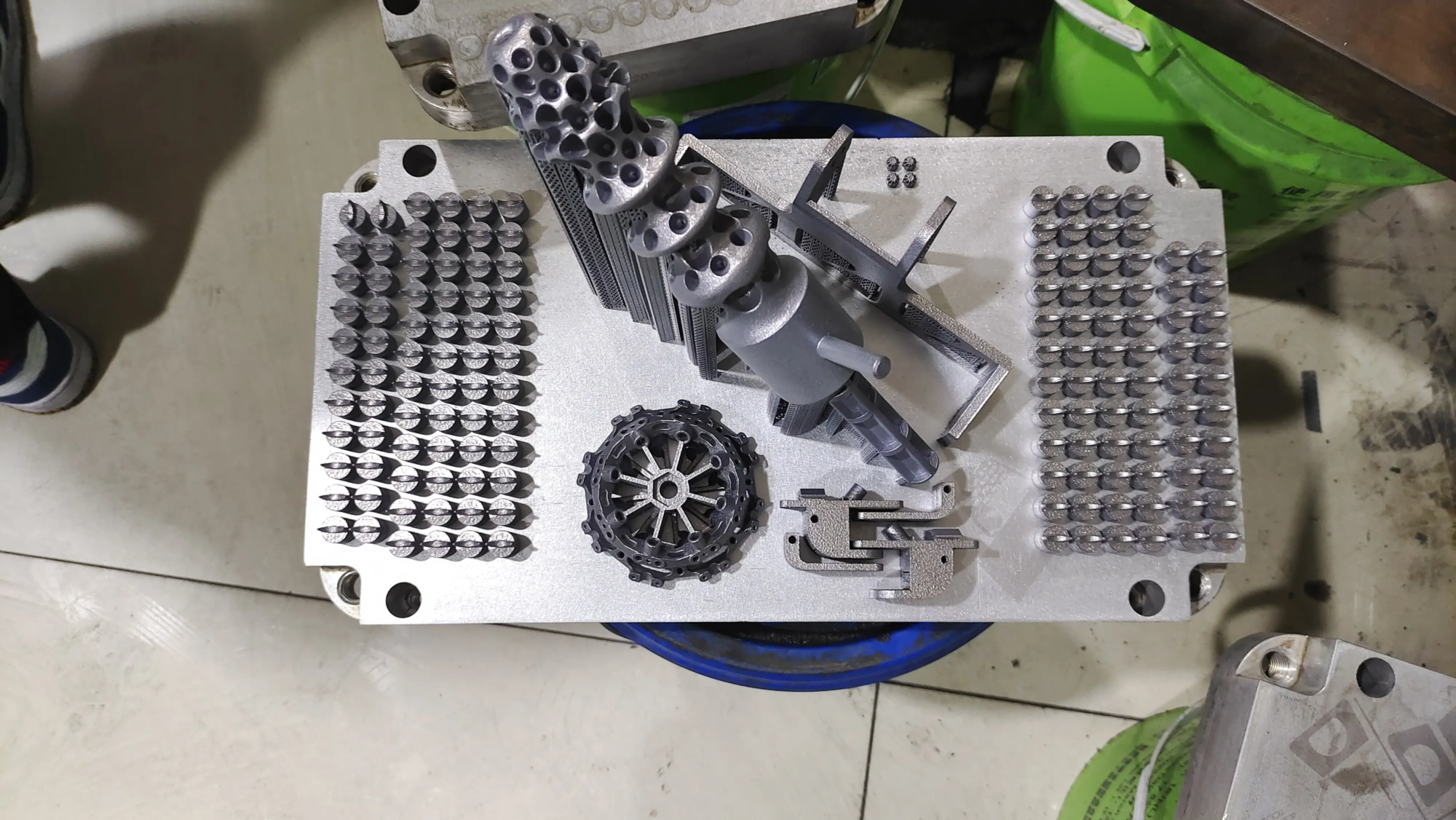
Companies like professional rapid prototyping manufacturer Greatlight use advanced SLM 3D printers and production technologies to effectively solve rapid prototyping problems of metal parts. They can provide one-stop post-processing and completion services, making it the preferred solution for those who need precision and speed. With the ability to quickly customize and handle most materials, such companies are crucial to industries that require rapid prototyping and production.
Estimating 3D printing time can be challenging, but there are some tools and strategies to help. Many 3D printing software programs include estimators that can predict printing time based on the complexity of the model, selected settings, and printer specifications. These estimates may be relatively accurate, but they do not take into account real-world factors such as printer calibration, material flow problems, or potential printing failures, which may all affect the actual printing time.
For those seeking custom precision machining, understanding printing time estimates is key to planning and budgeting. Rapid prototype companies can provide insights on how long the project will take to help clients manage expectations and schedules. Customizing precision parts requires not only technical expertise, but also a deep understanding of the materials and the printing process itself.
In summary, 3D printing time estimation is a multifaceted issue involving understanding the factors that affect printing time, using the right tools and techniques, and working with experienced manufacturers who can provide accurate estimates and high-quality results. Whether you are working on a simple project or a complex industrial prototype, you know that expectations from 3D printing time can make your project successful and make everything different.
FAQ:
-
What are the main factors affecting 3D printing time?
- The main factors that affect 3D printing time include the complexity of the design, the size of the model, the type of material, the thickness of the layer and the speed of the printer.
-
How to accurately estimate 3D printing time?
- You can use a software estimator that takes into account the complexity of the model, the settings selected and the printer’s specifications for the estimated 3D printing time. However, it is also important to consider real-world factors that may affect printing time.
-
What is the difference between FDM, SLA and SLM in terms of printing time?
- Different 3D printing technologies have different printing speeds. For example, SLM can produce parts of high complexity, but due to its precise nature, there may be longer actual printing time.
-
How to choose the right company for my rapid prototype needs?
- Find companies with advanced technology, a wide range of material choices, and the ability to provide one-stop post-processing services. Their experience and expertise in handling complex projects ensures that you get accurate printing time estimates and high-quality results.
- Can I customize the materials used in 3D printing?
- Yes, most materials can be customized and processed through professional rapid prototyping manufacturers. They can use a variety of materials to meet specific project requirements.