Starting Line: How 3D printing is revolutionizing track design and manufacturing
For generations, racetracks—whether track racing, radio-controlled vehicles, or even conceptual layouts for motorsport—have been constrained by traditional manufacturing. Creating complex curves, intricate height changes or custom layouts involves tedious processes such as shaped wood, sculpted foam or expensive CNC machining. Designs are often simplified for the sake of practicality, and iteration is slow and expensive. But things are changing dramatically. Additive manufacturing (commonly known as 3D printing) is a technology that is rapidly changing the way racetracks are conceived, prototyped and produced.
Unleash unprecedented design freedom
The most seismic transformation 3D printing brings is the freedom from design constraints. Imagine:
- Complex Terrain: It’s easier to create complex bank angles, S-curves that simulate famous track sequences, or dramatic elevation changes with undulating sections.
- Integrated Function Tracks can now bring together seamlessly integrated functions printed directly into the structure: mounting points for sensors or obstacles, channels for lighting systems, wiring ducts, cooling ducts or complex surface textures optimized for gripping.
- Custom-scale rapid prototyping can equally serve the needs of enthusiasts designing unique layouts for their home racetracks and professional racing teams who need custom training tools that replicate specific track sections. Every corner, camber and hairpin can be precisely customized.
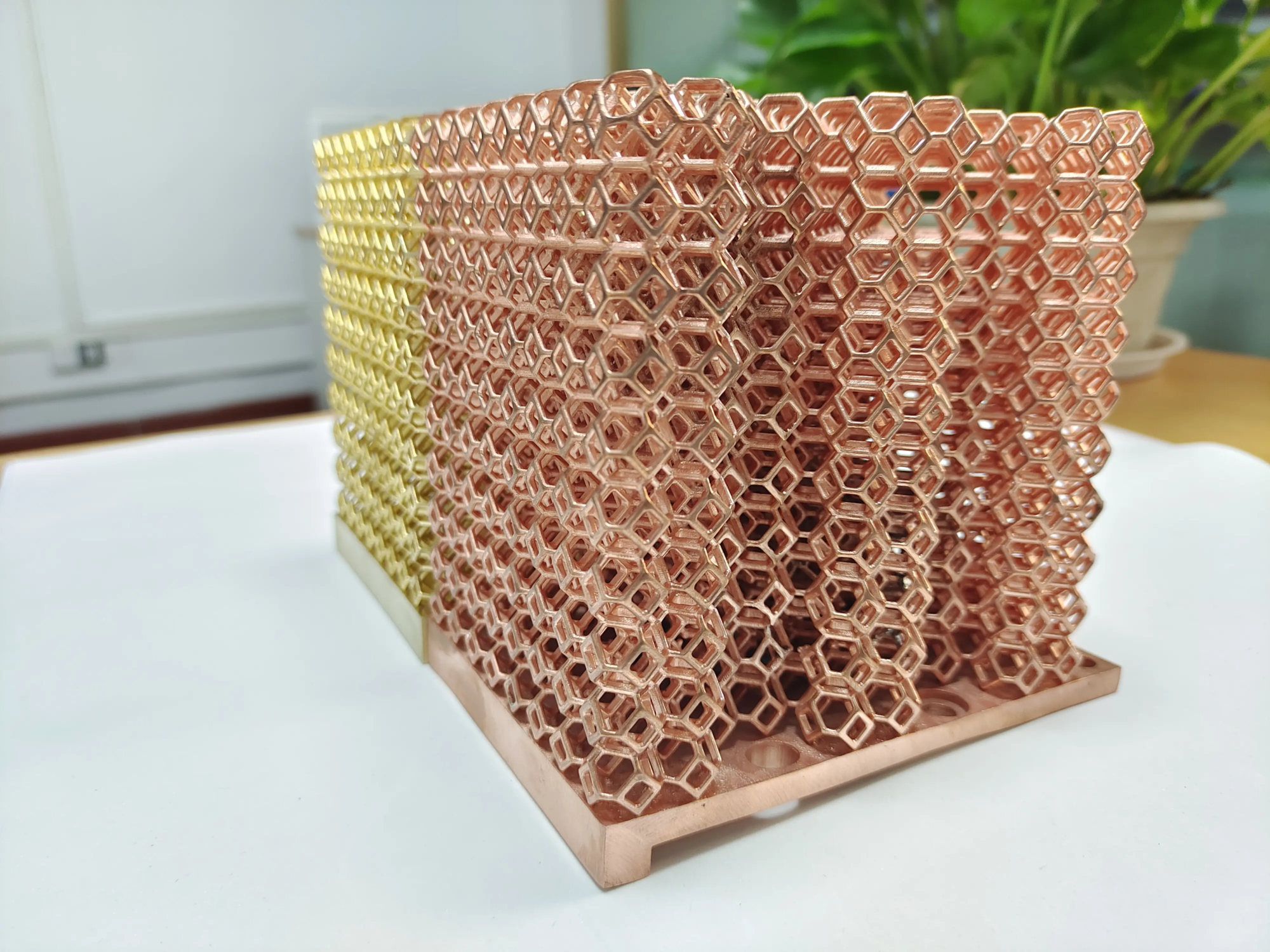
- Geometries not possible with cutting tools: undercuts, internal honeycomb structures and organic flow surfaces not possible with traditional subtractive machining become feasible projects.
Beyond plastics: Material choices drive performance
While fused deposition modeling (FDM) printing with plastics like PLA, ABS or PETG remains popular among hobbyists and prototypes due to its affordability and ease of use, the real revolution extends much deeper:
- Engineering Thermoplastics: Materials such as nylon (PA), polycarbonate (PC) and composites (glass or carbon fiber filled) provide the increased durability, temperature resistance and stiffness required for demanding RC track applications or functional prototypes for load testing.
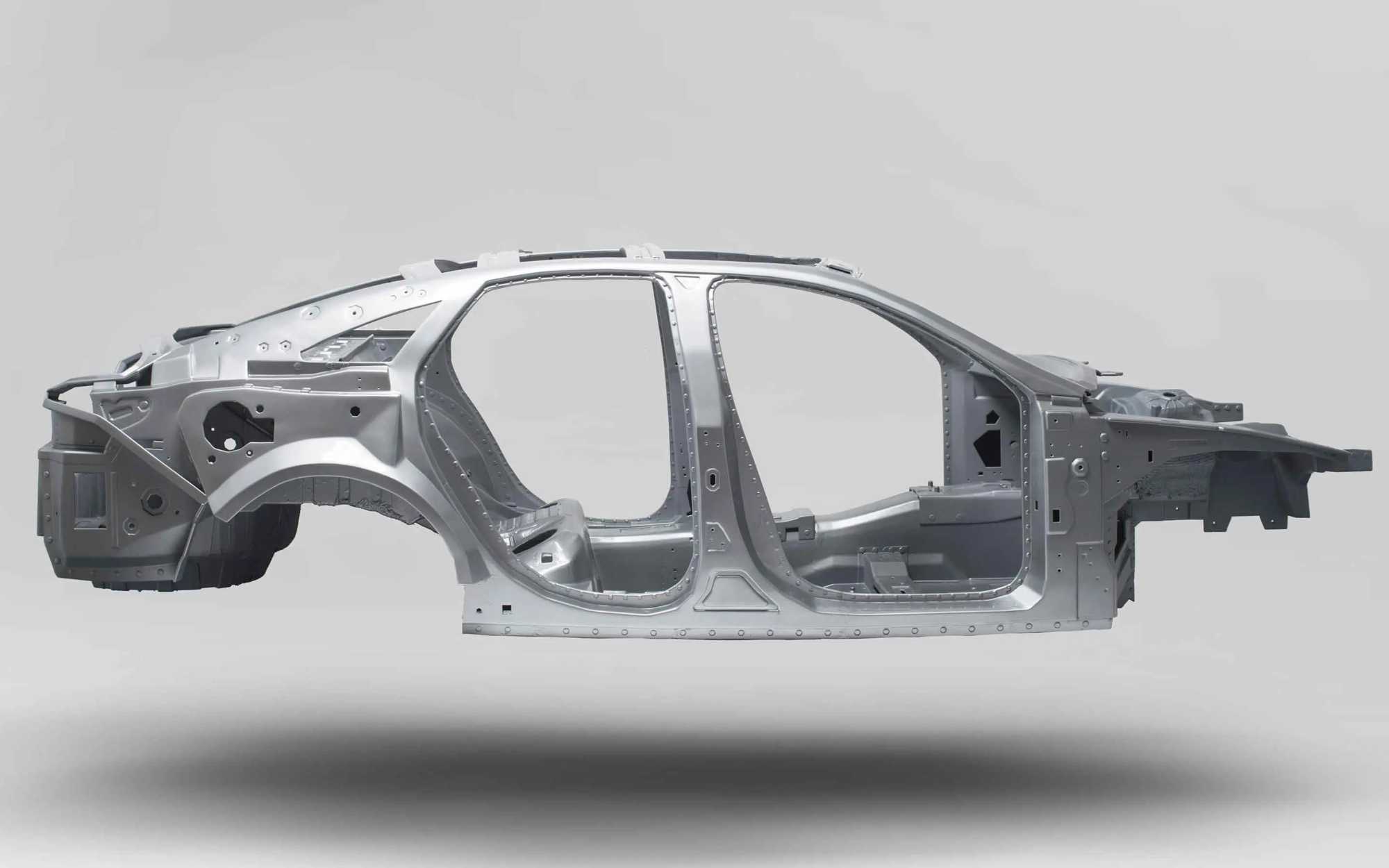
- Metals dominate: This is where technologies like selective laser melting (SLM) shine. SLM uses a high-power laser to melt fine metal powder layer by layer to create fully dense, functional metal parts with properties similar to those of conventionally manufactured metals.
- Why metal is important for high-end tracks: Titanium offers an incredible strength-to-weight ratio for critical track sections or suspension components. Aluminum alloy combines lightweight rigidity with good thermal properties. Stainless steel provides the sturdiness and corrosion resistance necessary for outdoor tracks or functional mechanical components within track systems. This unlocks tracks designed for extreme durability that incorporate metal rails, custom fixtures, connectors or structural elements not possible with plastic alone.
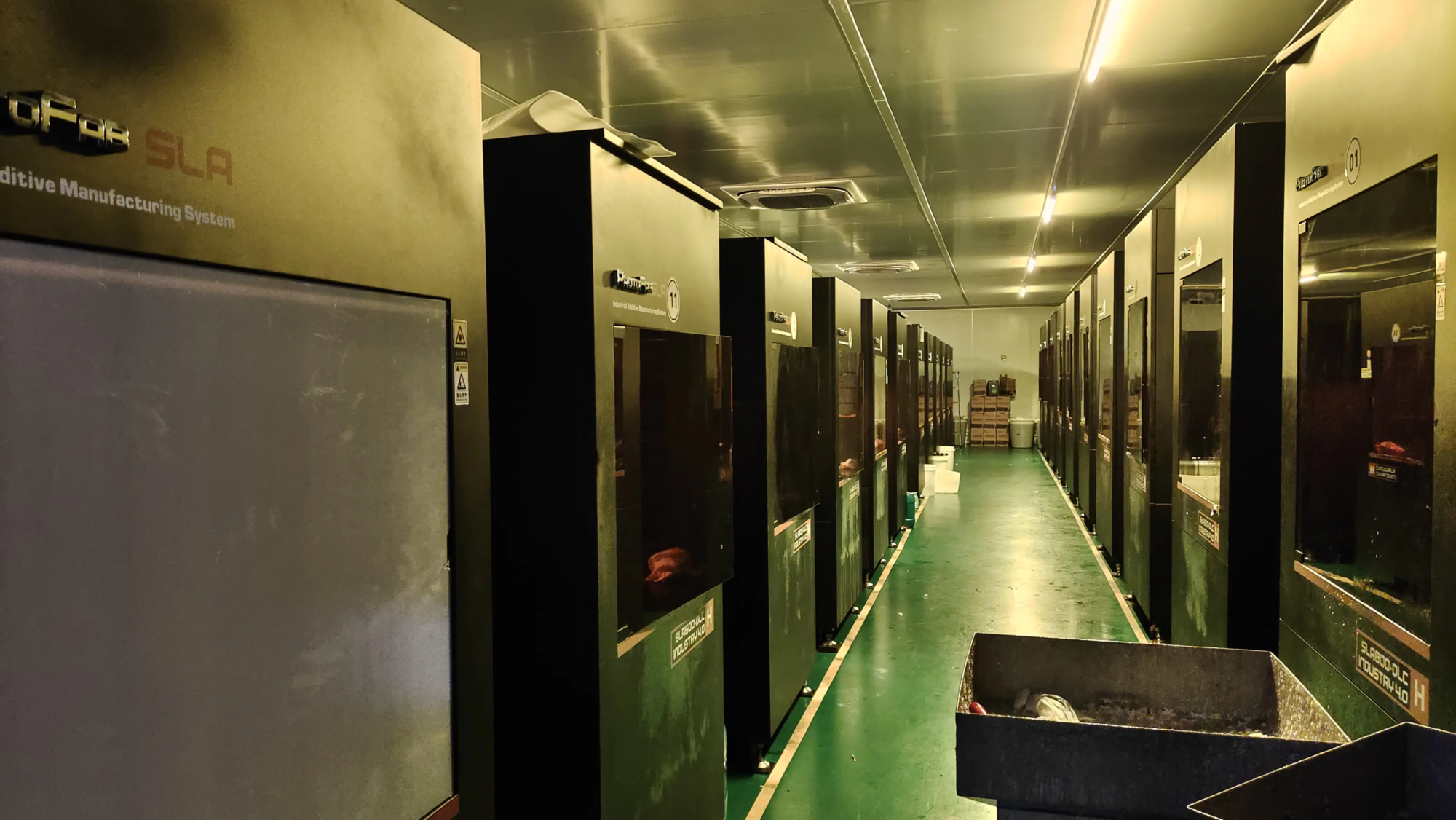
- Stereolithography (SLA) and Material Jetting: For ultra-high detail parts, mold making of larger parts, or parts that require exceptionally smooth surfaces, resin-based technology can deliver precision down to the micron level.
Core advantages: speed, customization, cost
The benefits of driving adoption across industries are compelling:
- Lightning-fast prototyping: Design iterations take hours or days, not weeks or months. Engineers and designers, whether professionals or hobbyists, can quickly visualize, test, install and refine layouts or components. Fail fast, learn faster – greatly speeding up the entire track development cycle.
- Complexity costs nothing: Unlike CNC, where complexity directly increases cost and processing time, additive manufacturing can create complex features at almost no additional additive cost per unit area. Complexity becomes a tool, not a constraint.
- Truly unique customization: The needs of the consumer or team determine the design. Customizing channel widths, scale lengths or specific configurations to precise user specifications is economically feasible in low-volume situations.
- Economical small batch production: For specialty tracks, niche market products, replacement parts, or short-run series, 3D printing bypasses the high tooling costs of injection molding or casting, making production economically feasible.
- Real-world performance verification: Functional prototypes printed in final-spec materials can undergo rigorous testing—evaluating surface wear, validating suspension dynamics on replicated track sections, or testing aerodynamics with precise track geometry before committing to full production tools.
Real-world applications accelerate
- Slot Racing: Enthusiasts can print detailed landscapes, custom facade pieces, and track sections in unique configurations not possible with off-the-shelf kits. Manufacturers quickly prototype new track designs.
- Remote control racing car: The club prints custom track layouts for local races or dream tracks. The team builds scale replicas of world-famous circuits for practice and setup verification. Print strong plastic and composite parts for outdoor tracks.
- Professional Motorsport: Integrated testing of aerodynamic components installed within the track geometry. Create exact replicas of challenging corners for driver-in-the-loop simulators. Rapidly iterate on track infrastructure components (light holders, sensor housings, custom fixtures).
- Educational and model railways: Universities use printed scales in engineering design projects. Model train enthusiasts incorporate complex track sections and terrain into exquisite landscapes.
- Functional track section: In addition to the surface itself, additive manufacturing also produces trackside equipment (timed doors, barriers), replaceable wear parts, custom connectors, and mechanical components integrated with the track structure.
GreatLight: Driving the Prototyping Revolution
At GreatLight, we are at the forefront of leveraging advanced additive manufacturing to enhance innovation across industries, including motorsports and entertainment.
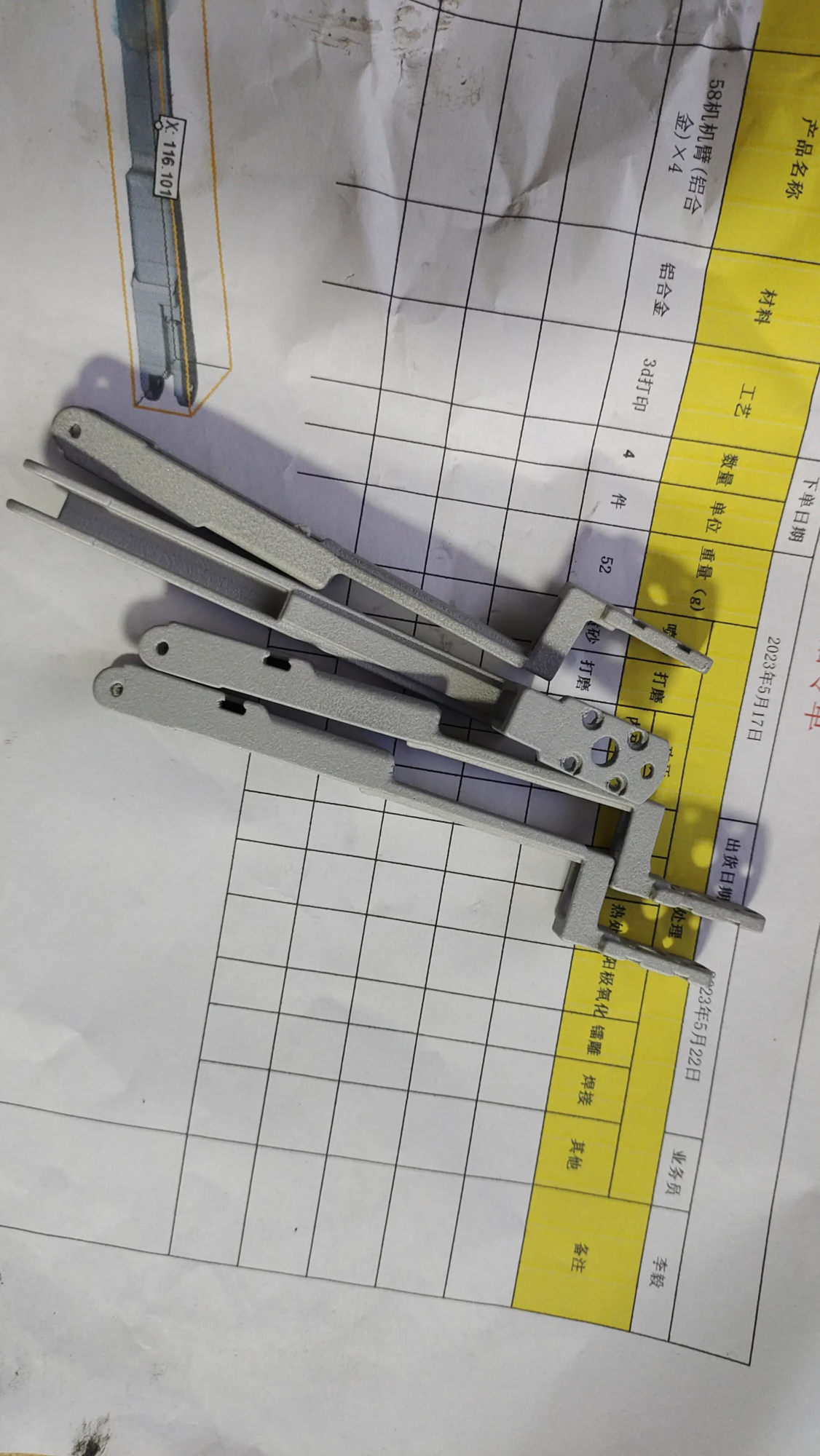
- Advanced metal production: Our state-of-the-art Selective Laser Melting (SLM) capabilities allow us to address complex metal component challenges for track applications requiring exceptional strength, precision, thermal performance or lightweight properties using materials such as titanium, aluminum alloys, stainless steel and high-performance steels.
- Solve rapid prototyping challenges: We specialize in turning concepts into tangible reality quickly and reliably. From complex architectural track models requiring fine detail to robust functional metal sections simulated for rigorous testing, we provide expertise and technology.
- Comprehensive post-processing: The prototype is not yet finished on the printer. Our comprehensive One-stop post-processing service Ensure parts are truly ready for application: Precision CNC machining to critical features/tolerances, meticulous surface finishing (smoothing, polishing, painting), heat treatments to enhance material properties, custom coating applications and expert assembly.
- Material flexibility: In addition to metals, we carry a variety of engineering-grade polymers and composites, allowing us to recommend the best material solutions for durability, aesthetics, cost and functionality.
- Scalability and speed: Whether it’s a single unique prototype component or low-volume production of specialized track sections, we specialize in Quick customization and processingensuring your project stays on track. Our focus is Customized precision machining Seamlessly complements our additive manufacturing capabilities.
For innovators redefining what’s possible on and off the track, GreatLight is a trusted partner, delivering Precision Rapid Prototyping Parts Carefully crafted expertisedelivered to Competitive pricing. Start your innovative track project today.
Conclusion: Crossing the finish line into a new era
3D printing has irrevocably changed the game, taking track design and manufacturing to a higher level. The limitations imposed by traditional methods are disappearing, replaced by unparalleled freedom, speed and precision. Rapid prototyping enables creators—from individual enthusiasts crafting unique home race tracks to elite racing engineers optimizing vehicle performance—to fearlessly iterate, infinitely customize, and achieve complex geometries once dreamed of. Metal printing unlocks structural integrity and thermal elasticity that were previously unachievable outside of mass production.
This isn’t just a technology upgrade; it’s a paradigm shift that democratizes manufacturing agility. Customization is no longer prohibitively expensive; complexity does not dictate cost; prototyping becomes fast and accessible. As materials and printer technology evolve and continue to push the boundaries of resolution, speed, and material properties, the future of the 3D printing track promises greater innovation. We stand at the starting line of an era where the only limitations are imagination and physics. Additive manufacturing is driving breakthrough progress one after another.
FAQ: 3D Printing Track
1. What types of tracks can be 3D printed?
Almost any size or type! This includes track racing tracks (HO, 1/32, 1/24), rc car tracks (1/10, 1/8, etc. scale), scale models of realistic racing tracks (F1, endurance circuits), functional prototypes of in-track components, complex layouts of model railways incorporating racing elements, and even custom track sections for robot competitions.
2. What material is most suitable for 3D printing track?
- plastic: PLA/ABS/PETG (cost-effective hobbyist prototyping), Nylon/PA (durability, flexibility), Polycarbonate/Polypropylene (impact resistance). Typically used via FDM or SLS.
- Photopolymer resin: SLA/DLP/MJ is suitable for ultra-high detail parts, molds and sections that require a smooth surface finish.
- Metal: Aluminum (lightweight stiffness), stainless steel (durable, corrosion resistant), titanium (ultimate strength to weight ratio). Critical for functional metal parts, demanding load-bearing sections or harsh RC environments. SLM/DMLS are common technologies.
3. Is the 3D printed track durable enough for actual racing?
Of course, especially material, technology and design choices optimized for the application. Engineering plastics such as nylon and composites can withstand RC impacts well. Metal printing produces rails or components that are strong enough for functional use and demanding environments. Surface treatments, such as epoxy coating or polishing, further enhance the tire’s wear resistance.
4. How affordable is the price?
For complex prototypes or customizations, 3D printing avoids costly injection molds, making it Very cost-effectiveespecially at low volumes. While the material cost per kilogram may be higher than mass-produced plastic, the overhead savings (tooling, setup) and the ability to create complex parts without secondary operations often make the overall cost of custom/unconventional designs cheaper.
5. Can I print large tracks seamlessly?
Desktop printer beds limit unit size. Professional services organizations such as GreatLight use large format printers. However, very large rails are often printed as interlocking modular sections designed for safe assembly, allowing for virtually unlimited scale.
6. How long does it take to prototype the track section?
3D printing iterations significantly speed up prototyping compared to traditional methods (weeks/months). Simpler plastic FDM parts take hours to complete. Complex multi-part assemblies or SLM metal parts take longer (days or possibly weeks for highly complex/large metal parts). Turnaround time depends greatly on complexity, materials, quantity and post-processing required.
7. What is the surface finish required for optimal traction?
The printed layer leaves subtle ridges that affect grip. Post-processing effectively solves this problem:
- Chemical smoothing (applicable to resins such as ABS).
- Sanding and polishing (manual or mechanical).
- Use coatings such as epoxy, textured spray paint, rubber coating, or use special traction pads/tape designed specifically for toy/model surfaces.
8. Can realistic track scenery be printed?
really. SLA/DLP/MJ resin printers excel at producing detailed structures such as buildings, bridges, guardrails, signs, and landscaping. FDM printing with complex nozzles/layer heights can also achieve good results, especially with larger terrain features.
9. What are the specific benefits of metal printing?
Using SLM/SLM for metal printing can:
- Create highly durable load-bearing structures and components (rails, anchors, brackets).
- Complex internal cooling channels within the component.
- Custom fixtures, connectors and rail interface components.
- Integration of metal elements into composite plastic rails.
- Superior performance under high stress, temperature or wear compared to all plastics. Ideal for critical functional prototypes or end-use parts.
10. How do I get started prototyping a custom track component?
Working with a professional rapid prototyping manufacturer like GreatLight can simplify the process:
- Define your project goals (function, materials, scale, environment).
- Provide CAD files (STL, STEP) or entrust us with design consultation/support.
- We select the best print/material technologies and advise on manufacturability/design optimization.
- Efficient production combined with required post-processing.
- Deliver precision finished parts for assembly/testing/deployment. Contact GreatLight to discuss turning your track innovation into a reality.