Entering the Future: Opening the Hottest 3D Printing Trends of 2023
The additive manufacturing (AM) landscape is developing at an unprecedented rate, driven by technological leaps and changing market demands. 2023 has become a pivotal year, where innovative applications and materials go beyond prototypes to reshape production paradigms. As a leader in rapid prototyping and precise manufacturing, Great Actively leverage these trends to provide state-of-the-art solutions. Let’s explore what sets this year’s 3D printing world burns:
1. Sustainability and ecological awareness manufacturing
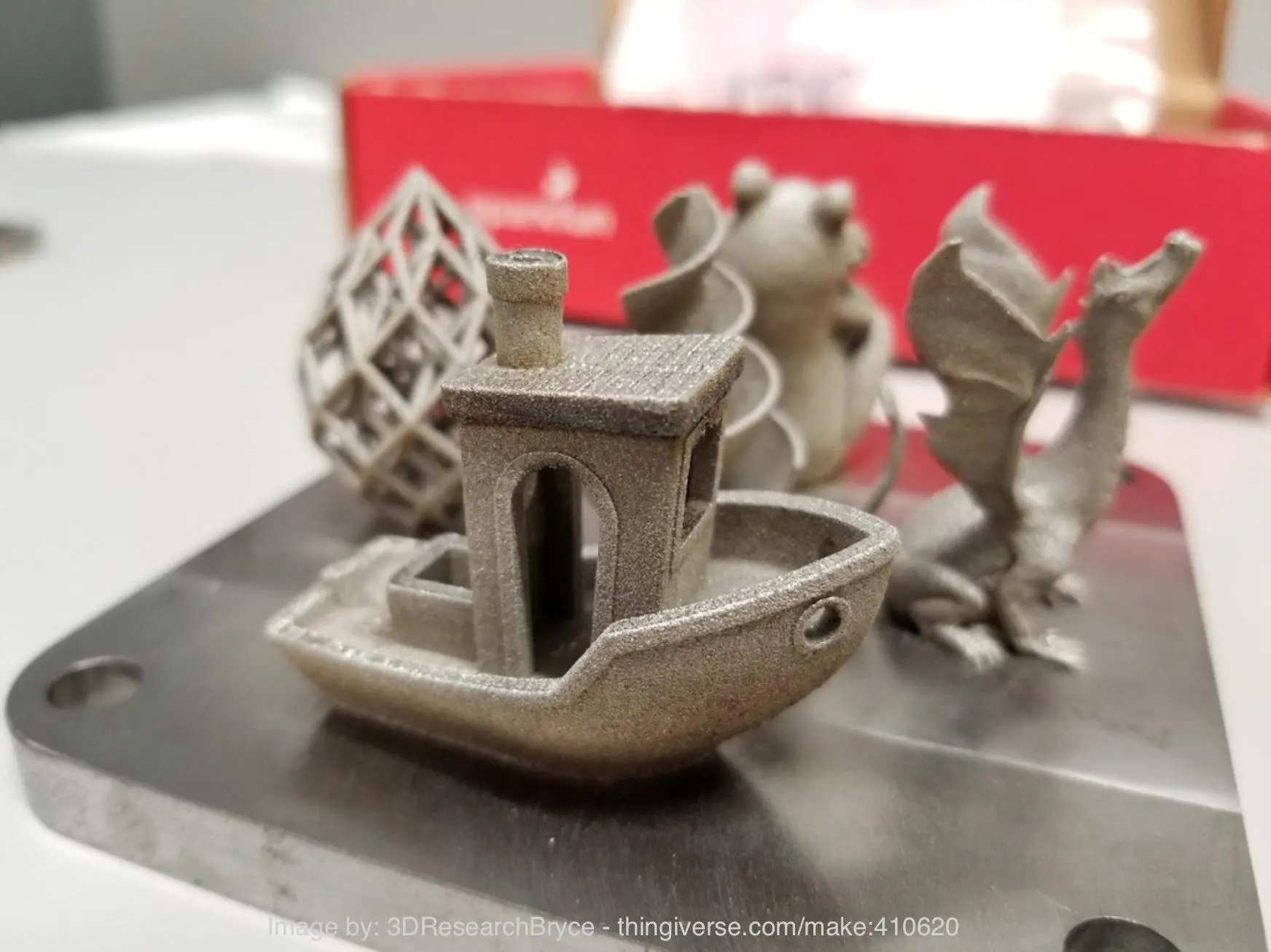
Sustainability is no longer optional. Manufacturers are prioritizing biodegradable polymers (such as PLA derivatives), recyclable metal powders and energy-efficient printing technologies. Closed-loop system, waste materials are recycled period Printing is gaining appeal. At Greatlight, we advocate this shift by optimizing material usage during the SLM (Selective Laser Melting) process and providing recyclable metal alloys for prototyping, thereby reducing carbon footprint without compromising part integrity.
2. Multi-matter and full-color 3D printing
Single-material printing makes it a complex multi-material system. Now, technologies such as PolyJet and Advanced FDM can seamlessly integrate rigid, flexible and transparent materials in one printing cycle. Full color features (via adhesive spray or resin system) allow for film and television prototypes for consumer products and medical models. This versatility is invaluable for functional prototypes requiring a variety of textures or mechanical properties, and is supported by a field of expertise through its multi-process approach.
3. AI-driven process optimization
Artificial intelligence is revolutionizing workflows. AI algorithms predict printing failures by analyzing hot data in real time, optimizing support structures and automating post-processing paths. This minimizes the time of testing and cutting. For AMs employed by metal AMs such as Greatlight in SLM systems, AI ensures layer by layer accuracy, reduces material waste up to 30%, and improves final part consistency.
4. Advanced Material Discovery
| Materials | example | Apply |
|---|---|---|
| High performance metal | GRCOP-42 (Copper Alloy), ScalMalloy® | Aerospace engines, heat exchangers |
| Engineering composite materials | Carbon Fiber Reinforced Polymer (CFRP) | Cars, drones |
| Functional polymers | Pekk, Peek (biocompatibility level) | Medical implants, spacecraft |
The materials science breakthrough is to unlock applications in extreme environments. Greatlight’s expertise in metal prototyping extends to exotic alloys such as titanium and nickel superalloys, ideal for jet engine components or custom medical devices.
5. Large-scale customization
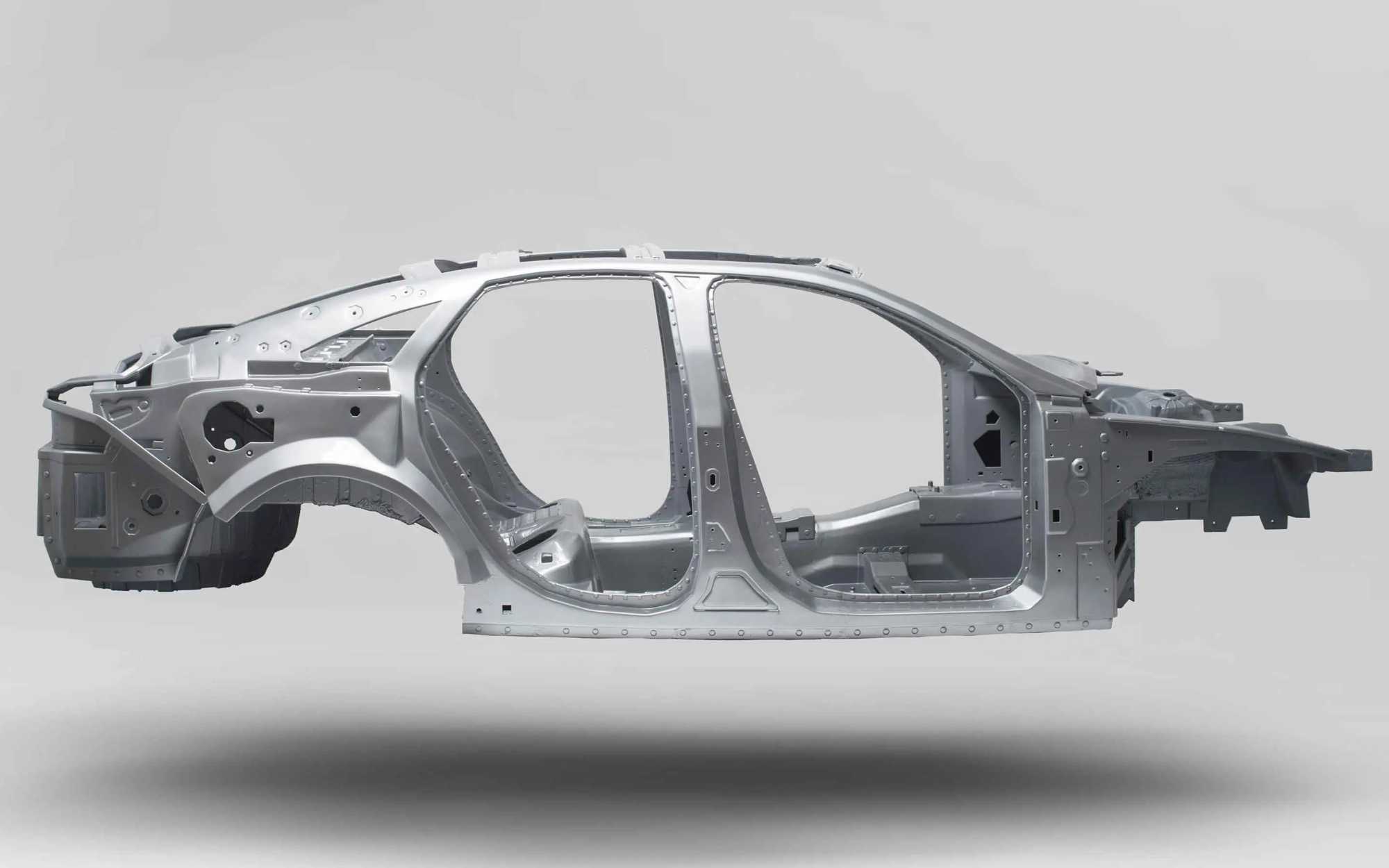
On-demand production from dental aligners to car interiors is booming. The agility of 3D printing makes it cost-effective in the short term. Greglight Bridges prototyping and production, delivering 50-10,000 units of custom batch end-to-end solutions, leveraging AM for tools and final parts.
6. Large Additive Manufacturing (LSAM)
Printers capable of producing instrumentation-scale parts are transforming into construction, offshore and energy sectors. Projects such as 3D printed boat hulls or building components highlight this trend. While Greatlight specializes in precision prototyping, we work with LSAM partners to provide hybrid solutions that require large-scale construction and high tolerance completion.
7. Bioprinting and medical innovation
In addition to dental models, bioprinting of tissues and organs is accelerating. Meanwhile, patient-specific implants (PSIs) for skull or joint replacements are now mainstream. ISO 13485 certified, Greatlight produces biocompatible titanium and Peek implants, ensuring fast turnaround for surgical planning models and end-use medical devices.
8. Mixed manufacturing convergence
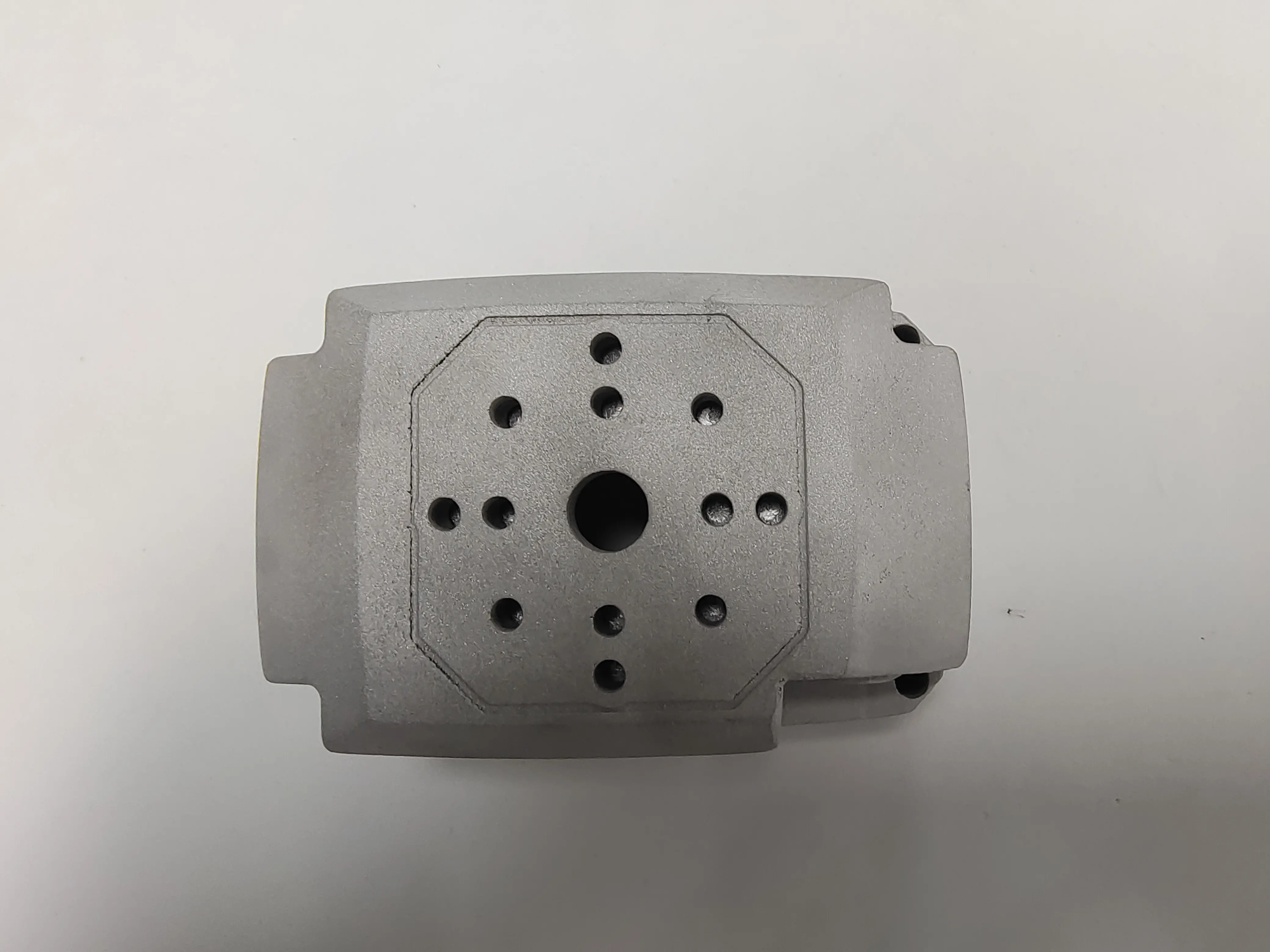
Combining 3D printing with CNC machining or injection molding. For example, printing near mesh metal parts and completing it with CNC can achieve stricter tolerances. Great "One-stop" Service integrates SLM printing with precise machining, polishing and coatings and replaces ready-made parts within a few days.
Conclusion: Applied mature age
2023 marks the transformation of 3D printing from experimental technology to industrial staple food. Sustainability, wisdom and material diversity once considered impossible. The company likes it Great Not only prototyping, it can also provide a comprehensive manufacturing ecosystem that is at the forefront even when R&D cycles and redefine production efficiency. With the advancement of speed, scale and precision, the future of manufacturing is here.
Ready to take advantage of these trends for your next project? Explore Greatlight’s rapid prototype solutions and customize precise parts under competitive pricing.
FAQ
Q1: What makes 3D printing prototypes superior to traditional methods?
A: 3D printing enables complex geometry, faster iterations (usually 24-72 hours), and unrivalled material versatility in CNC or molding. It is ideal for formal/fit verification, functional testing and design flexibility.
Q2: Are metal 3D printed parts as strong as forged components?
A: Using advanced SLM technology, printed metal parts can be matched or exceeded forging force (hot isometric pressure) and heat treated. Greatlight uses optimized parameters to ensure high density and mechanical integrity.
Q3: What is the biggest industry benefit in rapid prototyping?
A: The leadership of aerospace, automotive, medical and consumer electronics products is due to the need to be lightweight, customized and accelerated development.
Q4: How does Greatlight ensure the dimensional accuracy of OCR. All logos are not part of the accuracy parts?
A: Our industrial SLM printers achieve ±0.1% accuracy and complement each other by post-processing CNC machining. We use CMM (coordinate measuring machine) and CT scans for strict quality inspections.
Q5: Can you simplify components with 3D printing?
Answer: Absolute. Consolidating multi-part components into a single printed component reduces weight, failure points and production steps, especially in aerospace or robotics.
Question 6: What lead time can I expect for a complex prototype?
A: For complex parts in metals or engineered polymers, Greglight offers included completion within 5-7 days. Complexity, material selection and quantity affect the timeline.
Question 7: Do you support regulatory compliance for medical parts?
A: Yes. We manufacture ISO 13485 to comply with prototypes and implants and are certified for substance traceability and biocompatible.
Unleash innovation – precision. Get your quote now!