Silent Catalyst: How 3D printing is fueling Tulsa’s tech renaissance
TULSA, Okla. — A site historically synonymous with oil derricks and Route 66 is undergoing a remarkable transformation. Beneath the familiar skyline, a vibrant tech ecosystem is thriving, driven by venture capital, innovative start-ups, and new dynamics in advanced manufacturing. What is at the heart of this transformation? The rise of additive manufacturing, commonly known as 3D printing, is not just a tool but a strategic imperative shaping Tulsa’s industrial future.
Beyond oil: Diversification through digital manufacturing
Tulsa’s economic narrative has long been centered on energy. While oil and gas remain critical, the city is actively cultivating diversification. Advanced manufacturing, aerospace, medical device development and logistics are key targets. In these areas, 3D printing offers unprecedented advantages:
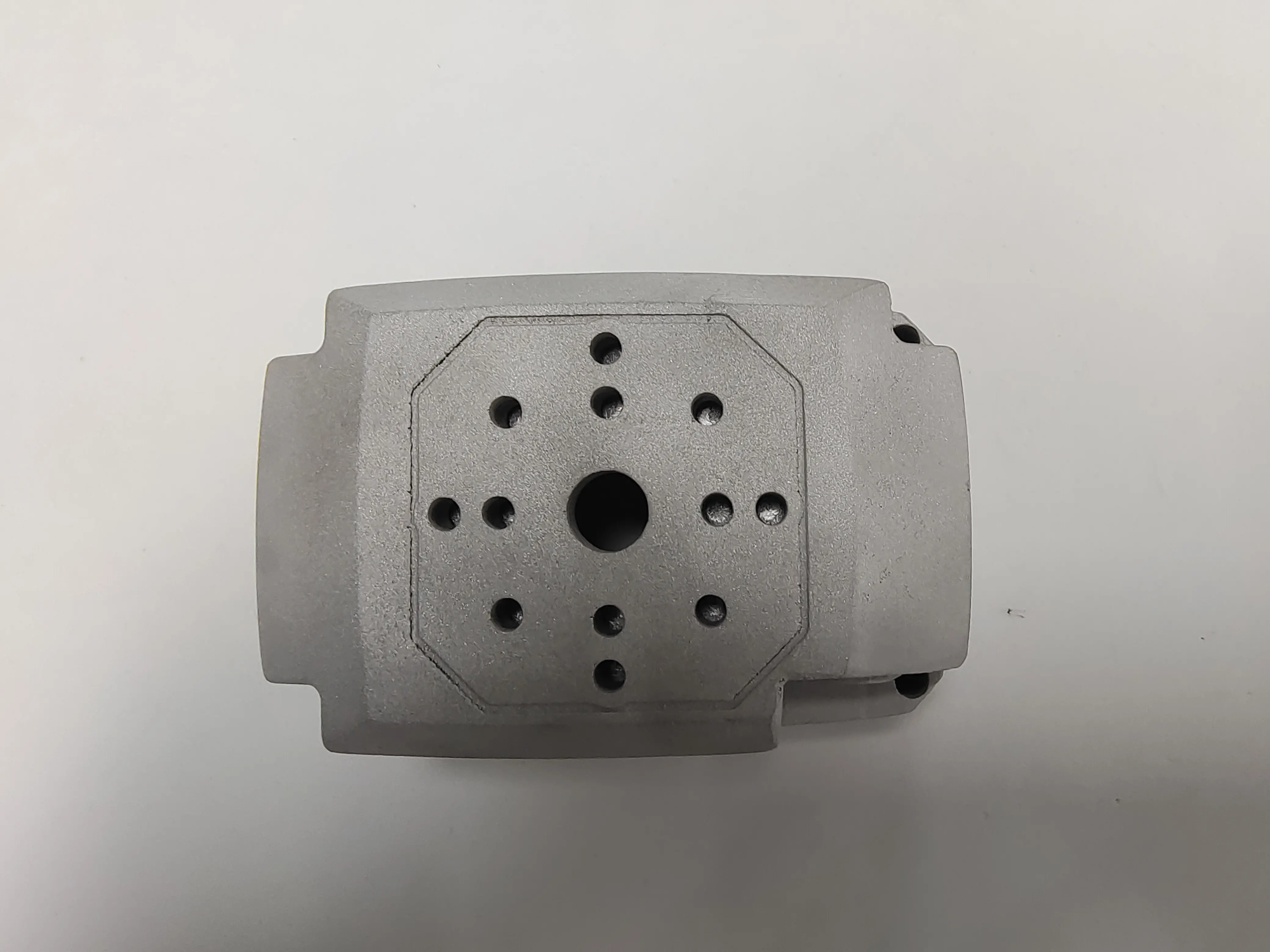
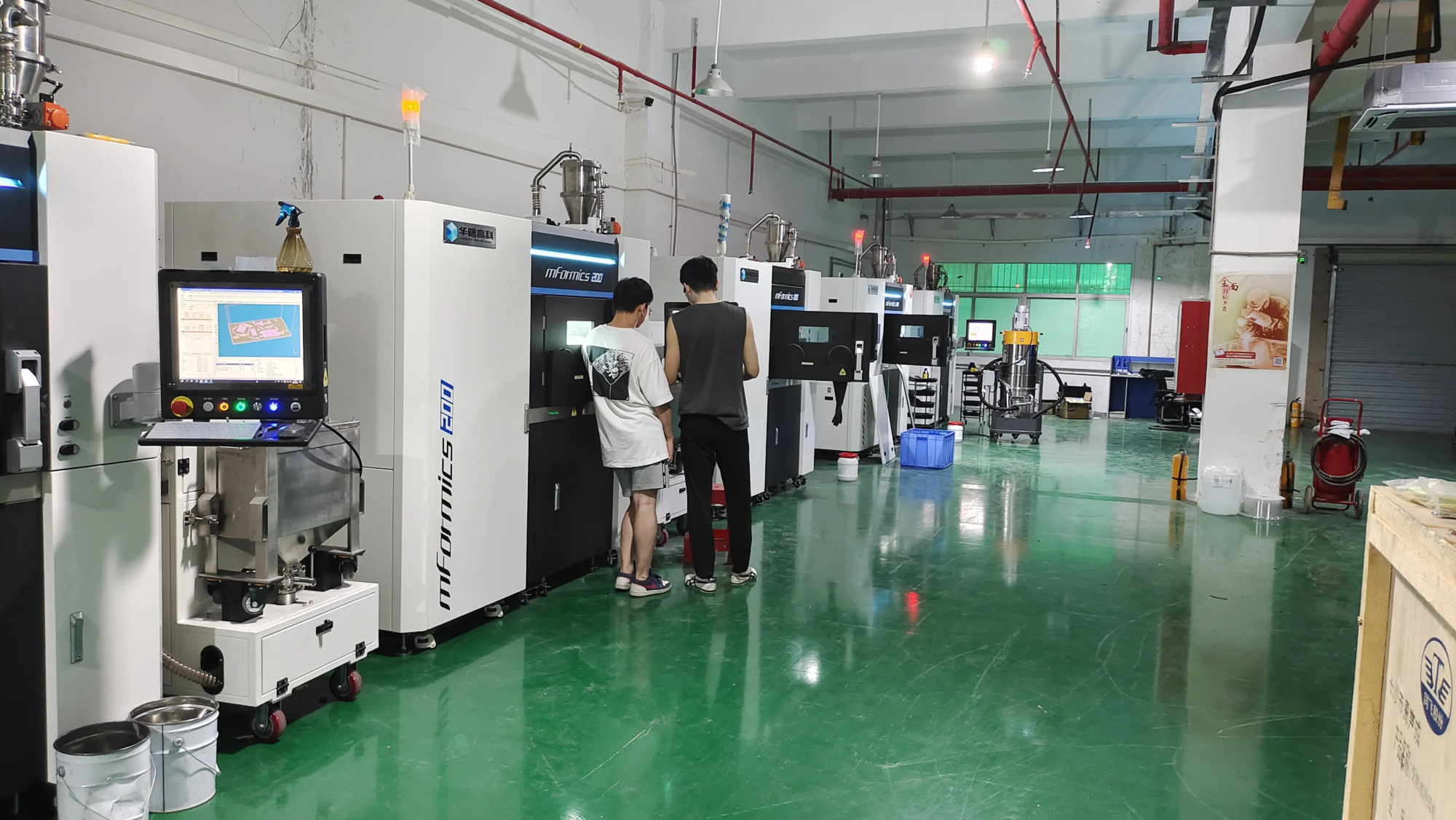
- Accelerate innovation and product development: Tulsa’s growing startup and R&D sector is using 3D printing to dramatically shorten prototyping cycles. Gone are the days of spending weeks crafting complex metal tools. Using technologies like Selective Laser Melting (SLM), concepts can be turned into tangible parts overnight, allowing for faster iteration, testing and time to market that are critical to competing globally.
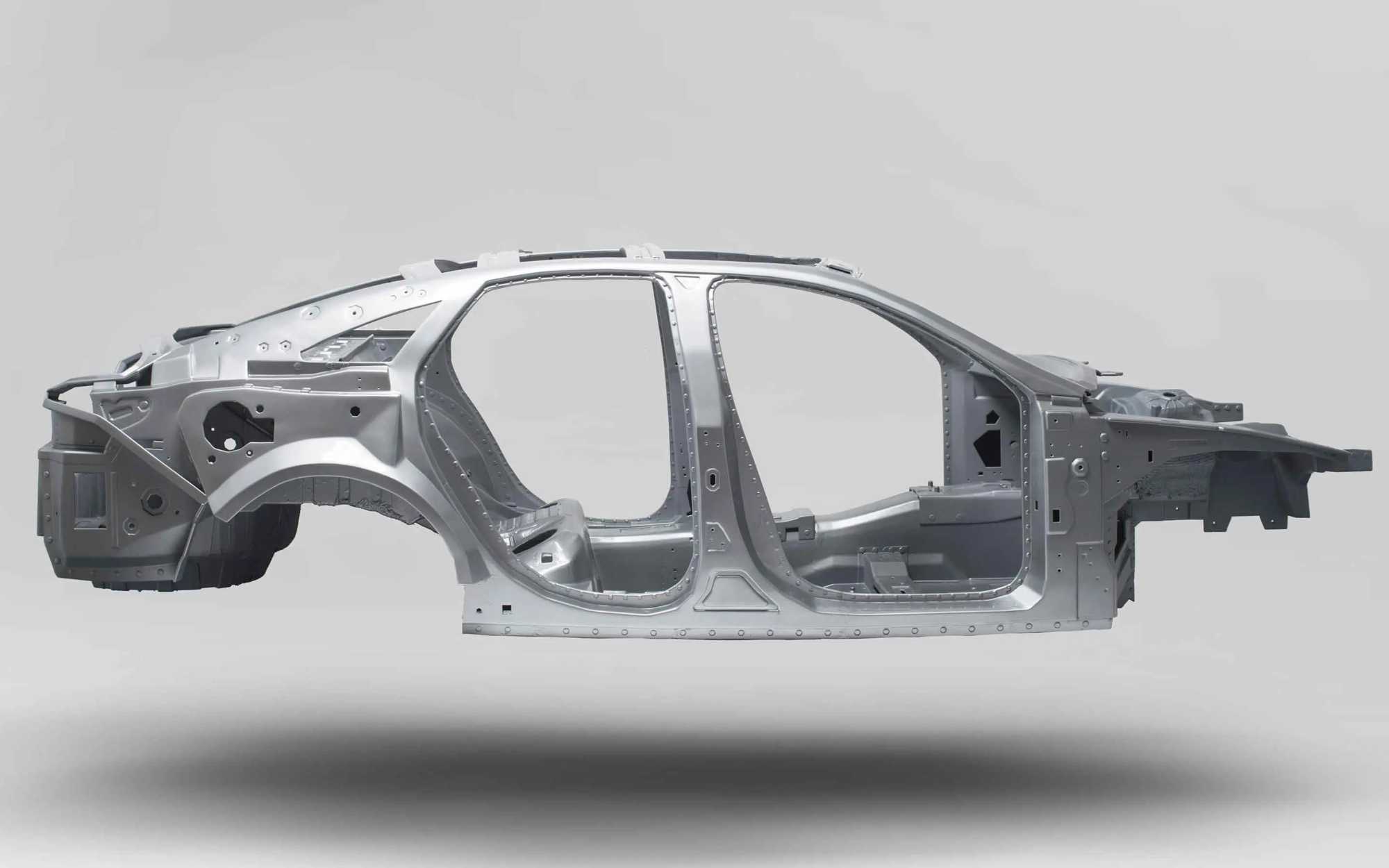
- Implement complex custom designs: The limitations of traditional manufacturing often limit engineers. 3D printing unlocks geometries that were previously impossible—complex internal cooling channels for aerospace components, patient-specific medical implants that mimic bone structure, or optimized fluid power components for Tulsa Energy Technology. This design freedom fosters breakthrough innovation in Oklahoma.
- Optimize supply chain and reduce waste: For Tulsa companies focused on maintenance, repair and overhaul (MRO), particularly in the aerospace and energy sectors, 3D printing enables on-demand replacement parts. Companies can print critical parts locally without having to maintain large inventories or face long wait times for obsolete components. This significantly reduces downtime. Additionally, additive processes are inherently less wasteful than subtractive processes, aligning with growing sustainability goals.
- Democratizing advanced manufacturing: The barriers to entry for complex hardware creation are lowering. Affordable polymer printer supports entrepreneurs and inventors in Tulsa tech incubators and makerspaces. At the same time, convenient industrial-grade metal printing services allow small and medium-sized manufacturers to compete effectively without large capital investments.
Metal Printing: Powering Tulsa’s Industrial Core
While plastic prototyping has its place, key to Tulsa’s industrial renaissance