Unlocking the Battlefield: The Ultimate Guide to 3D Printing Warhammer Models
The roar of flamethrowers, the clang of armor, the tension of dice rolls – tabletop war games like Warhammer 40,000 or Age of Sigmar excite millions of people. But let’s face it: building an army can be expensive. 3D printing came along and was a game changer, allowing enthusiasts to sculpt legions instead of buying them. Whether you’re a hobbyist starting out on your journey or a veteran commander looking for a custom unit, this guide has everything you need covered.
From digital files to physical mini-files: the process simplified
There are four key steps involved in creating a 3D printed Warhammer mini model:
1. Find the model
Avoid intellectual property infringement by choosing original designs or royalty-free files. Platforms such as Thingiverse, Cults3D or MyMiniFactory host thousands of fantasy/sci-fi STLs. Build a unique army with modular kits – swap helmets, weapons or stances to express your personal flair. Pro Tip: Check the license; "Patrons only" Design often supports independent artists legally.
2. Choose printing technology and materials
FDM (Fused Deposition Modeling): Use thermoplastic filament (PLA, PETG). Best suited for large terrain blocks (ruins, tanks) due to layer lines, but not fine details.
SLA/DLP (stereolithography): Resin printers dominate micro printers. Liquid resin cures under UV light to capture intricate armor etchings and facial expressions. Standard resin is affordable; ABS-like adds toughness.
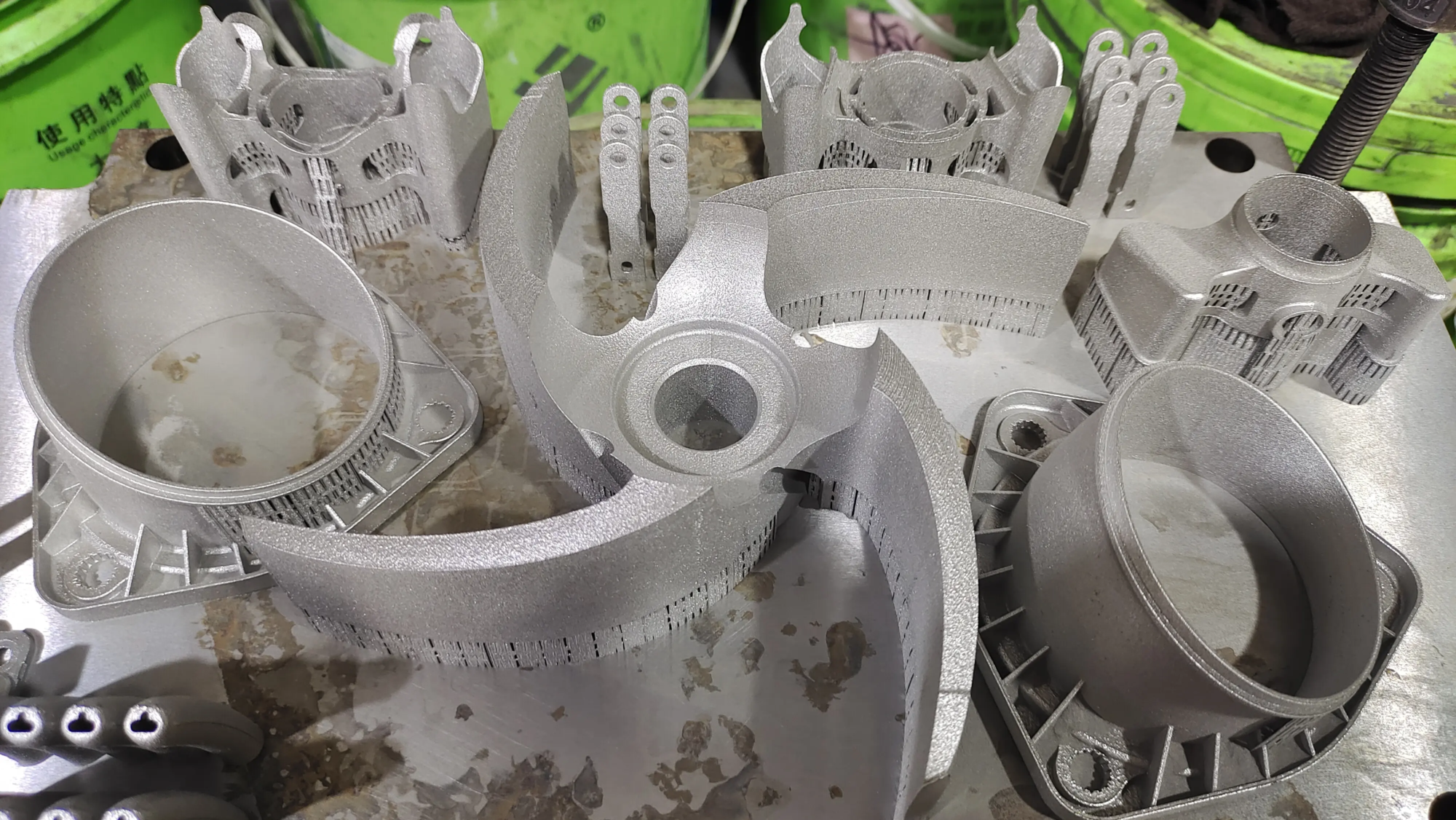
Metal Printing (SLM): Selective laser melting fuses metal powders to create ultra-strong, detailed parts. Great for display pieces or durable accessories.
3. Improve printing settings
Resin printers perform well at layer heights of 25-30 µm and have a smooth finish. Orient the model at 45° to minimize supports and use a hollow design to save resin. For FDM, use a 0.2mm nozzle and a low floor height. Button settings:
- Exposure time: Determined by exposure testing (e.g., AmeraLabs Town).
- Support Density: Less than 20% to avoid scarring in vulnerable areas.
4. Post-process like a pro
Resin prints require:
- Solvent cleaning (isopropyl alcohol or special cleaner).
- UV curing (2-10 minutes, rotate to harden evenly).
- Sanding/Polishing: Filling in the layer lines of a metal painted finish.
- Primer: Use a spray primer like Tamiya Fine Surface to enhance paint adhesion.
Why print it yourself? Compelling Advantages
- Cost effective: Print the whole squad The price of a GW box.
- Unlimited customization: Modify poses, kitbash weapons, or design unreleased characters.
- Accessibility: Restore discontinued models or print unavailable terrain.
- Scalability: Make prototypes of unique designs before investing in molds.
Avoid legal traps
Games Workshop vigorously defends its IP. Stay safe by:
- Print original works or licensed community designs (e.g. "space warrior" instead of Space Marines).
- Avoid directly copying GW assets.
- Use prints for personal play, not for commercial sale.
Enhance your miniatures with professional metal printing
For enthusiasts who require museum-level effects, Metal 3D printing Unlock unparalleled fidelity. that’s there huge light Excellent performance. As a leading rapid prototyping manufacturer, GreatLight utilizes top-of-the-line SLM (Selective Laser Melting) printers to transform digital files into metal reality. With expertise in stainless steel, titanium and aluminum alloys, their processes provide:
- Complex geometries with resolutions as low as 30 µm.
- Load-bearing parts (base, articulated joints) have excellent strength.
- One-stop shop for finishes: sandblasted texture, polished or enamel painted.
Whether printing a detailed Chaos Knight armor frame or a custom display base, GreatLight can provide:
✅ Rapid prototyping (24-72 hours for quotes).
✅ Scalable material customization (including engineering-grade metals).
✅ Comprehensive post-processing, saving time on physical labor.
Their factory in China combines precision engineering with flexible workflows, ideal for custom miniatures that require metal authenticity. Explore GreatLight’s services.
Tips for success
- Resin and metal: Resin strong enough for tabletop gaming; metal for jewelry-grade display or for added durability.
- Humidity control: Resin printing thrives at 30-40% humidity to prevent embrittlement.
- Safety first: When handling resin or metal powder, wear nitrile gloves and ventilate the room.
- mixed methods: Print the body in resin, add metal weapons/bases for dramatic effect.
Embrace the future of gaming
3D printing has revolutionized wargaming, allowing enthusiasts to lead truly unique armies without breaking the bank. While resin remains the king of accessibility, metal printing introduces stunning craftsmanship. By respecting intellectual property and utilizing clever workflows, you’ll build a legion worthy of Terra itself.
in conclusion
3D printing didn’t just change Warhammer; It’s democratizing it. From overnight printing of scanning guard units to gleaming Titanic-sized SLM displays, the technology has something to suit all levels of ambition. As printers evolve and materials become more diverse, your creativity remains the only limit. Work with professional services like GreatLight to achieve metallic art that transcends tabletop limitations and unconventional storm tabletops. Start small and iterate fearlessly—and remember: in the grim darkness of the distant future, there are Only the People’s Liberation Army.
FAQ: Answers to your burning questions
Q1: Is it legal to 3D print Warhammer miniatures?
Answer: Printing original designs or free licensed STL can avoid infringement. Copying GW protected assets is a copyright infringement – insist on using proxies and "be inspired" content.
Q2: How much does it cost to print a miniature?
A: The average cost of resin printing is $0.50-$2 per infantry model (retail price is $10+). Metal costs vary based on complexity/structure (from $5 to over $100 for complex elements).
Q3: Can I use an FDM printer to 3D print mini models?
A: Yes, but SLA resin printers provide superior detail. Use FDM for terrain vehicles with nozzle size ≤0.2mm.
Q4: What is the biggest benefit of metal printing for mini cars?
A: Unmatched strength, heat resistance, paint adhesion and weight for immersive displays. Best for premium centerpieces.
Q5: How does Honglaite ensure the accuracy of small details?
A: With SLM printing, a laser fuses microscopic metal layers under an inert gas to achieve fine features (±0.05 mm accuracy). Post additives such as steam smoothing can further refine the surface.
Q6: How long do cured resin prints last?
A: Properly cured and stored micro resin can last for decades. Avoid prolonged exposure to UV rays (sunlight) to prevent yellowing.
Q7: Can I paint directly after the resin is cured?
Answer: No! Always prime first. The oil/grease produced during handling can break the paint’s adhesion. The primer acts as an adhesive.
Q8: What resin is best for beginners?
A: Environmentally friendly plant-based resins are low-odor and forgiving. avoid "washable" Used for parts subjected to loads due to brittleness.
Are you ready to rush into the future? Share your printing wins – remember, GreatLight transforms your wildest designs into tangible masterpieces, including metal.