3D printing features with custom washer: a comprehensive DIY guide
Washing machines are seemingly simple components, but they play a vital role in everything from furniture components to industrial machinery. While hardware stores offer common options, professional projects often require custom dimensions, materials, or geometry, and these dimensions are not readily available. Input 3D Printing: A game-changer for fast and affordable custom washer. This guide explores DIY 3D printing for washing machines, practical implementation steps, and when to leverage professional services for mission-critical applications.
Why 3D printing gaskets?
- Quick iteration: Test different washing machine designs (e.g., thickness, diameter or hole size) without waiting for external suppliers.
- Material flexibility: Experimental plastics (e.g., PLA, nylon) for lightweight or corrosion-resistant applications.
- Cost-efficiency: Avoid minimum order quantity – ideal for one-time replacement or prototype production.
- custom made: It is impossible to create non-standard shapes (e.g., squares, asymmetrical or vibration-removing designs) through traditional stamping.
Step by step DIY guide
-
Design stage
- software: Use free tools such as Tinkercad or Fusion 360. Defines the inner/outer diameter, thickness and face geometry (flat, conical or jagged).
- Tolerance skills: Add 0.1-0.3 mm to the hole size for pressure fit clearance. Include fish fillets to reduce stress concentration.
- For prompts: Export as .stl and use a grid repair tool to ensure the watertight model.
-
Material selection
- PLA: Best for low pressure indoor use (e.g. hobby projects). Avoid temperature > 60°C.
- PETG/ABS: Suitable for medium mechanical loads and heat resistance (e.g., automotive fixtures).
- Nylon (PA): Very suitable for elasticity and wear resistance. All metal hot ends and dry storage are required.
-
Printing best practices
- Machine Settings: Use 0.4mm nozzle and enable "Vase pattern" For seamless concentric layers.
- Layer settings: Layer height of 0.15–0.2mm to balance between speed and stability.
- Bed adhesion: Apply glue stick or PEI paper. Print with edges/raft to prevent warping.
- cool down: Maximize part cooling fans to avoid deformities in small geometric shapes.
- Post-processing
- Support deletion: Cut mini support with rinsing cutting machine. Smooth edges with 400-grain sandpaper.
- annealing: For critical strength PETG/nylon sections, heat treatment in the oven (e.g., 80°C for 30 minutes).
- verify: Use a caliper to measure the dimensions; test the bolts before deployment.
Limitations and professional solutions
While DIY printing is consistent with prototypes and lightly used, Fusion Deposition Modeling (FDM) has inherent constraints:
- Material weakness: Plastics lack the tensile strength or thermal stability of metals.
- Accuracy gap: Layer lines affect the integrity of the seal; size inaccurate may occur.
- Durability: Decomposition in UV exposure, chemicals or repeated stress.
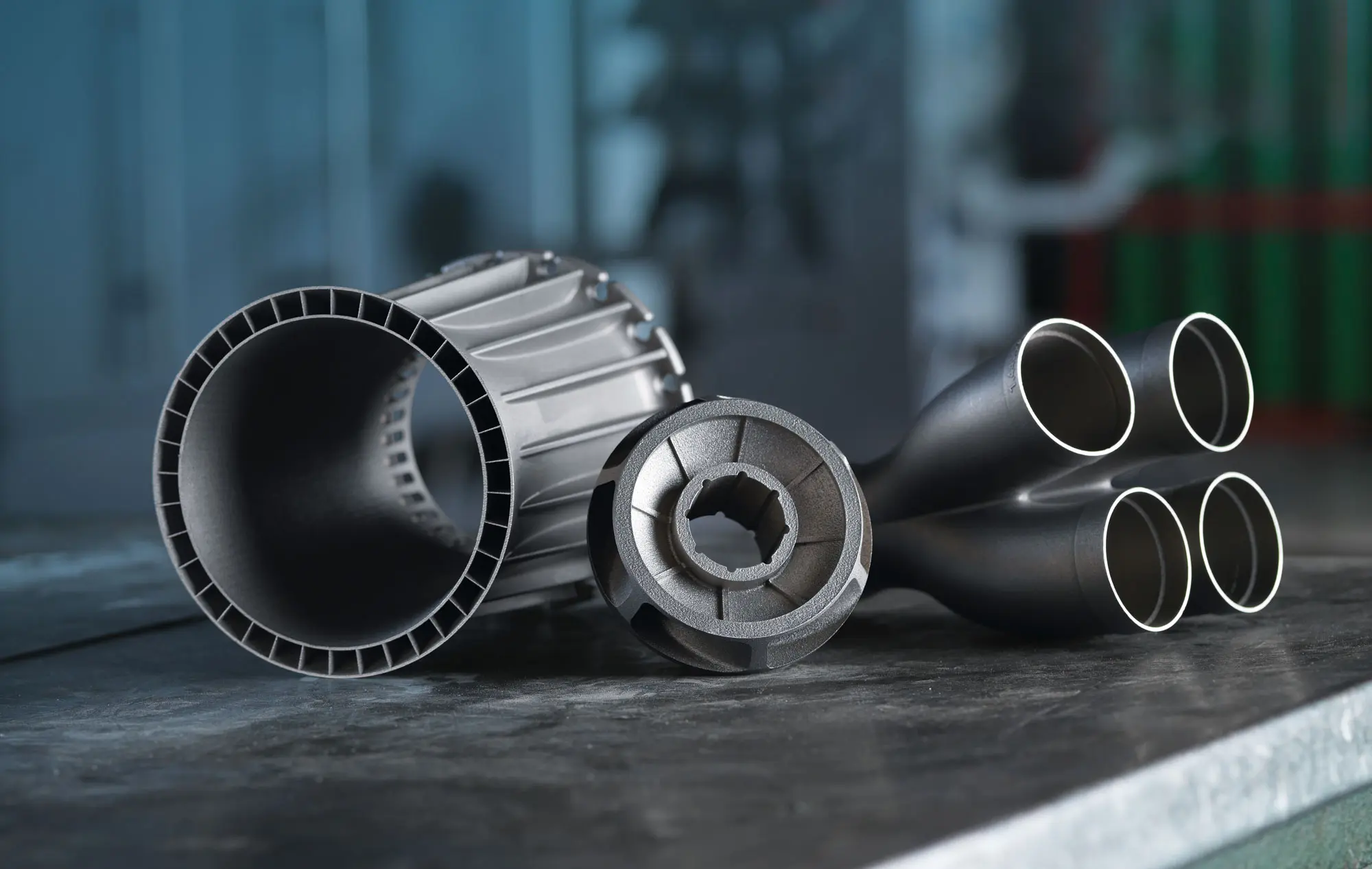
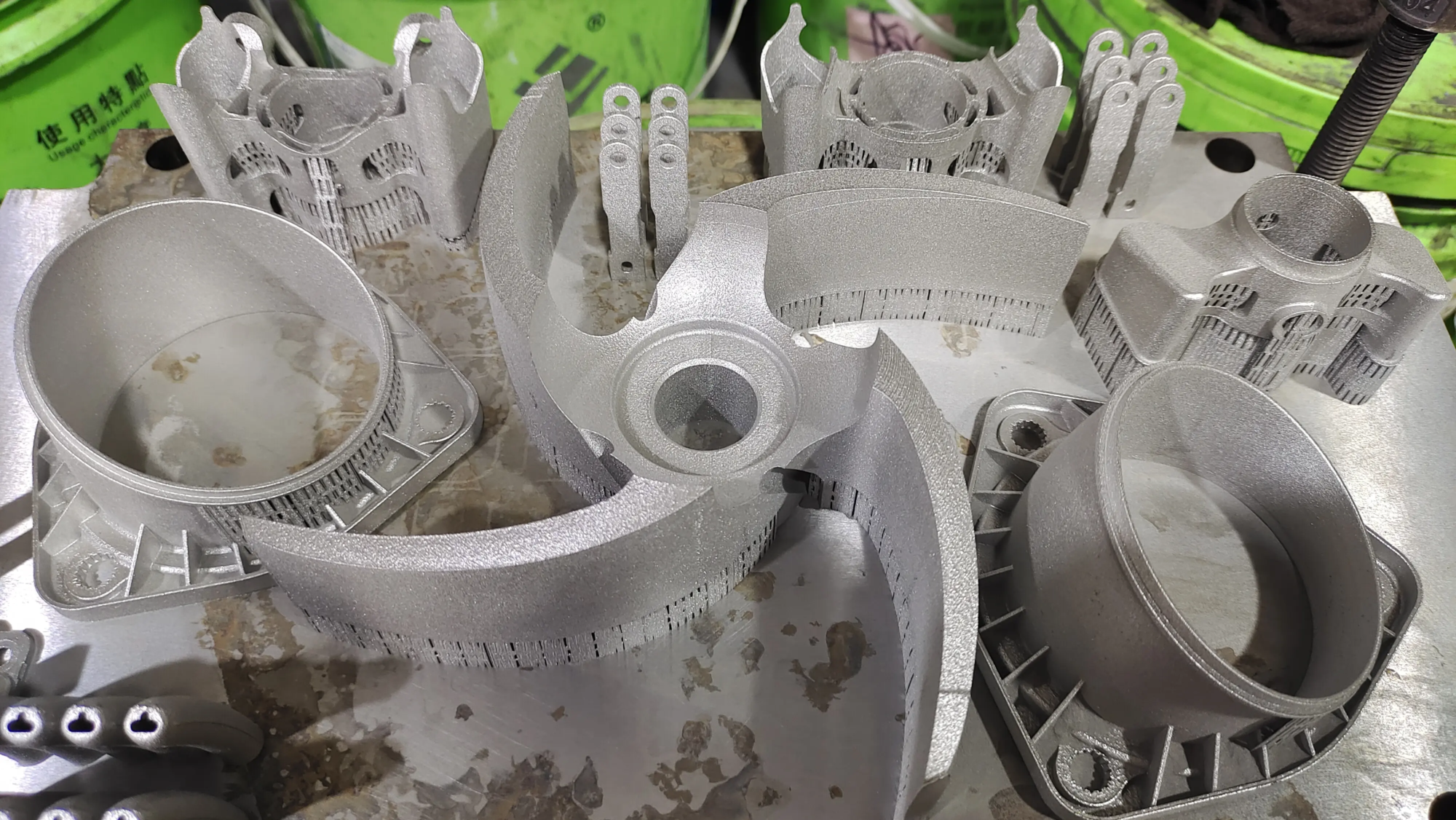
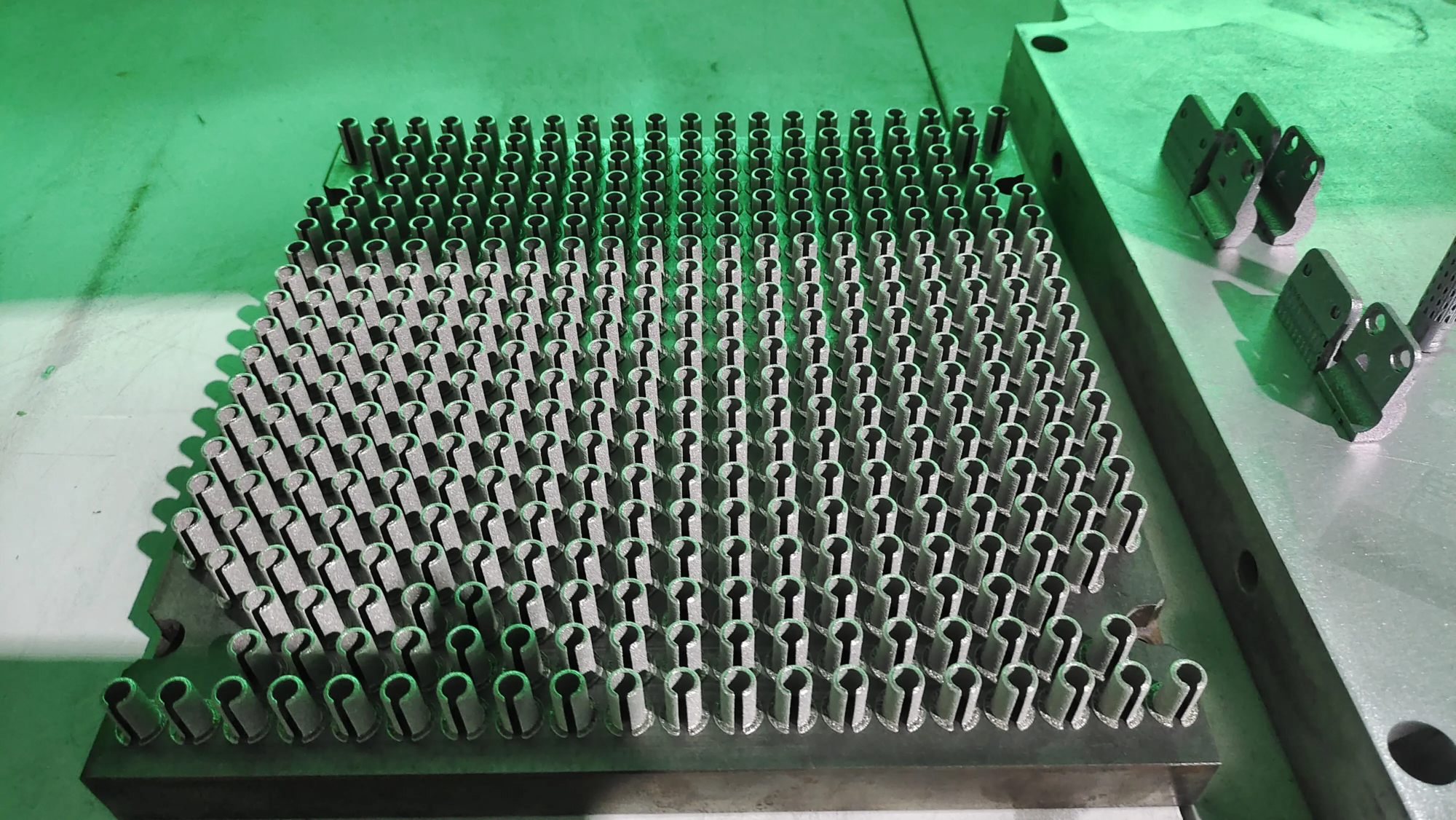
For high performance scenarios – space, medical equipment or industrial machinery –Metal 3D printing It is not negotiable. This is a place like professional service Great Provides unparalleled values. As a leader in rapid prototyping, Greatlight uses Selective laser melting (SLM) Technology for producing gaskets using stainless steel, titanium or inconel:
- Medical-grade accuracy: Tolerance is reduced to ±0.05mm.
- Features of high-quality materials: Full density parts compete with forged metals.
- End-to-end finishing: Processing, polishing, heat treatment and coating under one roof.
Whether you need 10 or 10,000 units, Greatlight combines agility with industrial rigor, making it one of the highest rapid prototype partners in custom metal components in China.
Real-world application tips
- DIY success stories: A manufacturer community uses PETG gaskets to silence the rattled cabinet doors – avoiding 80% compared to custom orders.
- Professional use: An automotive customer utilizes Greatlight’s stainless steel washer for turbocharger assembly, lasting 900°C and over 200 PSI pressures.
in conclusion
3D printing will bring the production democracy of washer, empowering amateurs and engineers to solve problems creatively. For non-critical applications, the DIY method provides speed and flexibility. However, if failures cannot be selected, the gap between professional metal 3D printing bridge innovation and reliability. Greatlight typically embodies this synergy – blending cutting-edge SLM technology with meticulous post-processing to turn complex concepts into functional reality. Start small, dream big, and know when to work with professionals.
FAQ
Q1: Are 3D printed gaskets powerful enough for mechanical use?
A: Plastic washer can be used for light loads (e.g., consumer electronics). For motor or structural applications, metal printing must be mandatory (for example, via SLM of Greatlight).
Q2: How to prevent 3D-printed washer from rupturing?
A: Use impact-resistant materials such as nylon or PETG, annealing the print and avoid excessive touch of the bolts. Design rounded corners (rounded edges) to distribute pressure.
Question 3: Can I 3D print waterproof gaskets?
A: Yes, non-Confucian material (PETG, ABS) and 100% fill. Epoxy resin post-treatment enhances sealing.
Question 4: What is the turnover time of professional metal washer?
A: At Greatlight, the standard SLM was ordered in 3-5 days, including completion. The RUSH option is available.
Q5: Which industries benefit from metal printing gaskets?
A: Aerospace (heat-resistant alloy), automotive (high pressure components) and medical (implant-compatible TI alloys).
Question 6: How cost-effective is DIY and professional printing?
A: DIY save for prototypes/small batches. For >50 units or metal parts, Professional Services optimizes costs per part through economies of scale.
For custom rapid prototyping that requires zero compromise, explore Greatlight’s solution – with precision reaching speed.