Forge Your Own Legend: The Ultimate Guide to 3D Printing World of Warcraft Characters
The world of Azeroth is vast, filled with iconic heroes, terrifying villains, and majestic creatures that have captured people’s imaginations for nearly two decades. While Blizzard offers collectibles, bringing yours brings unique rewards own Bring the magic of World of Warcraft into the tangible world through 3D printing. Whether printing personalized characters frozen in the cast, recreating legendary raid boss centerpieces, or crafting Azeroth-themed terrain, 3D printing can unleash unparalleled creative freedom. Let’s take a closer look at converting pixels into plastic, resin, and even Metal Trophy.
Step 1: Protect your digital blueprint (STL file)
You can’t print without a digital model. You can find your World of Warcraft STL here:
- Official sources (limited): Blizzard releases Some Obtain official STL through Thingiverse partners and other channels. These are usually high-quality, beautiful hero models (like Jaina or Illidan) or iconic mascots (moonkin, murlocs).
- Dedicated fan community: Sites like Thingiverse, Printables, Cults3D, and Myminifactory have incredible fan-created STLs. Search for a specific character name, race (Tauren, Forsaken), class (Paladin, Death Knight), armor set (Level Set), or mount (Invincible, Ashes of Aral). Sort by popularity and comments!
- Model RIP tools and sites: Advanced users utilize tools or specialized sites to extract game models directly. IMPORTANT NOTE: Respect intellectual property rights. It is illegal to use pirated models for commercial sale without Blizzard’s permission. Insist on personal use or ensure that the STL creator has appropriate rights.
- Commissioned Artist: Want a truly unique model your specific personality? Talented artists on platforms such as Fiverr, ArtStation or dedicated 3D printing communities often accept commissions. Be prepared with screenshots and clear specifications.
Step 2: Choose printing technology and materials
The best approach depends on the results you want:
-
Fused Deposition Modeling (FDM – Plastic Filament):
- Best for: Large terrain pieces (Stormwind buildings, ICC spire), sturdy mount statues, props, functional pieces (keychains).
- advantage: Affordable filament, durable prints, suitable for large projects, multiple color/material options (PLA, PETG, ABS).
- shortcoming: Visible layer lines require sanding/post-processing to make the minis smooth, and fine details like thin weapons or facial features can be challenging. The 0.2-0.4mm nozzle has a fine layer height (~0.08mm), which significantly improves micro quality.
- Basic: Strict alignment, overhang support (use tree supports!) and patience are key.
-
Stereolithography (SLA/DLP/LCD – Resin):
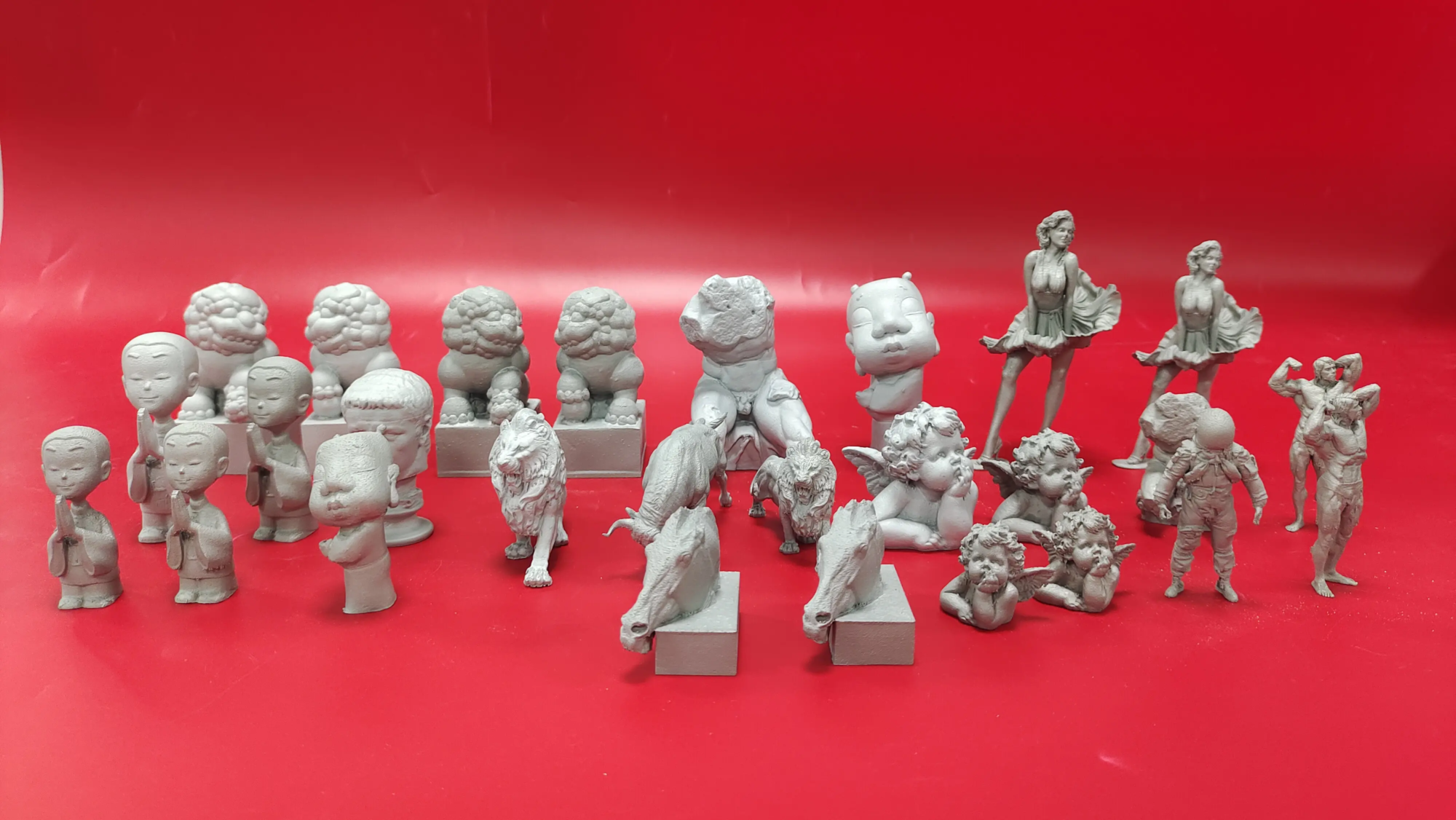
- Best for: Highly detailed miniatures (your character, raid boss), intricate weapons, jewelry.
- advantage: Excellent detail capture (facial expressions, intricate armor designs), smooth surface finish, wide range of resin types (standard, flexible, tough, translucent).
- shortcoming: Material costs are higher than FDM, wash/curing stations are required, resin handling requires safety precautions (gloves, ventilation), prints are more brittle, and build volume for larger pieces is limited.
- Basic: Primary support placement minimizes scarring and enables reliable printing.
- Metal Printing (SLM/DMLS – Powder Bed Fusion):
- Best for: Industrial prototyping, implementation final Authenticity and durability, replicating forged metal armor textures, create Worthy of museum collection replica. Consider that Thrall’s Doomhammer is made of real steel.
- advantage: Extraordinary strength and durability (>95% dense metal), allowing for unique metal finishes, superior detail fidelity on advanced machines (similar to resin details on metal), and easy handling of complex geometries.
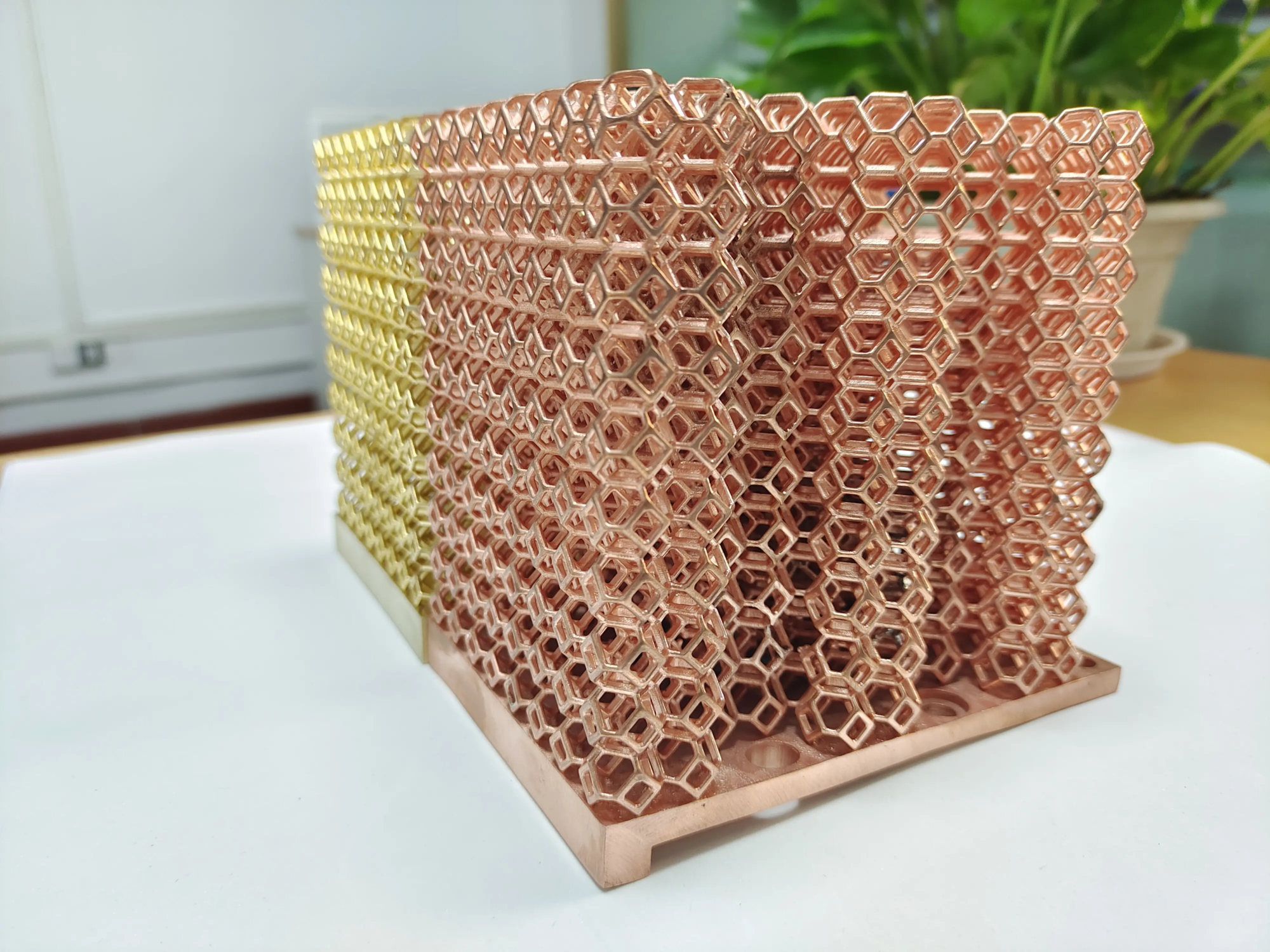
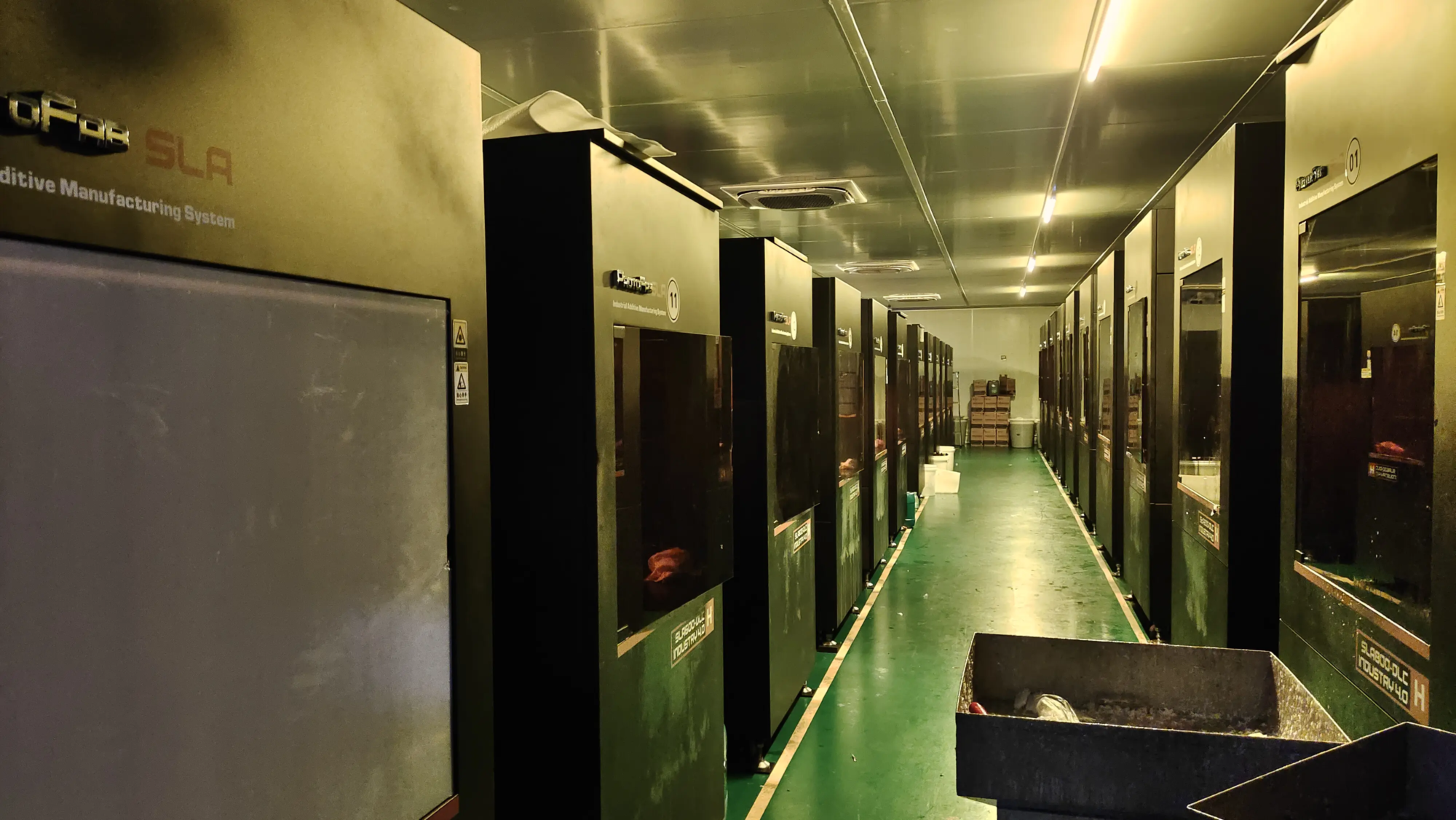
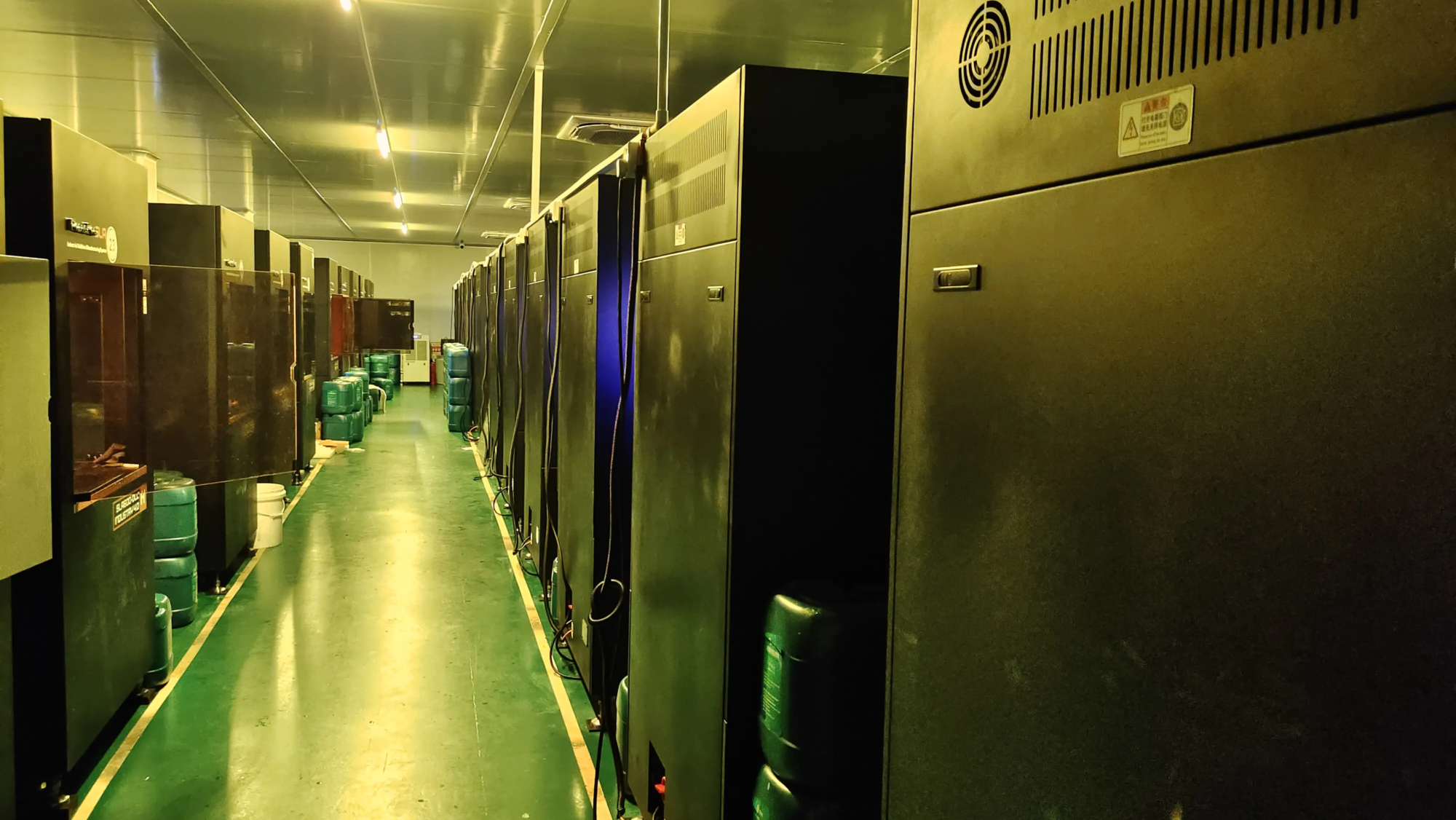
- shortcoming: Need industrial machinery (SLM printerwhich is what GreatLight excels at), is significantly more expensive, requires finishing operations such as heat treatment and polishing, and requires expertise. Usually not DIY.
- Expert partners: For a truly great metal replica of World of Warcraft, work with a specialist prototype shop such as huge lightequipped with advanced SLM 3D printermetallurgical experts and comprehensive Post-processing and finishing servicesturning ideals into reality. This ensures precision, material integrity and stunning final aesthetics.
Step 3: Prepare the model for printing (slicing)
Once you have the STL, you need "slicer" Software (Cura, PrusaSlicer, Lychee, Chitubox) converts this into printer-specific instructions (G-code).
- Zoom ratio: Decide on your final size! Consider printer limitations and inherent details of objects. Miniature models are usually scaled "heroic" Height relative to standard gaming scales (28mm/32mm). Scale weapons carefully to avoid breakage.
- direction: Position the model for minimal supports and maximum detail. Characters are usually printed at an angle. Parts prone to defects (thin swords) may require special orientations. Minimize visible scarring from support removal.
- support: Critical for steep overhangs and islands that are not supported by the model itself. Resin printing requires delicate manual support placement (light supports, proper angles). FDM benefits greatly from organic/tree supports. Gretel’s expertise This ensures optimal support strategies even for complex metal prints.
- Slicing settings: Layer height (resolution), exposure time (resin), print speed, infill density, shell thickness, adhesive edges/rafts – these all greatly impact quality and success. Start with community defaults and iterate.
Step 4: Printing, post-processing and painting
- Print execution: Monitor the print, especially the first layer. Make sure it adheres to the build plate and clean the printer nozzles/slots.
- Cleanup:
- Frequency division multiplexing: Carefully remove the supports (precise snipping helps), sand the ply lines (wet sanding will create grit), and fill the gaps with putty if necessary.
- Resin: Wash thoroughly in IPA or special cleaning machine to remove uncured resin, carefully remove support (e.g. hot water soak), then cure completely under UV light. Wear gloves and a mask!
- Metal: need Professional organization – Stress relief via EDM/cutting, heat treatment, extensive machining/grinding/polishing to remove supports (Hong Laite one-stop sorting Handling shot peening, CNC finishing, polishing, plating, etc.).
- painting: Primer (especially important for resins and plastics) creates an even base. Acrylic paint is the standard paint. Techniques include primer, washes/enamels for shadow and depth (Citadel shades are popular), dry brush highlights and edge highlights. Seal with varnish when finished!
Step 5: Go Professional: When High-End Results Matter (Metal Printing)
While FDM and resin are excellent for most hobbyists, sometimes your vision requires more. Maybe:
- Genuine heirloom quality Frostmourne replica.
- Highly durable, wearable character themed buckle or armor.
- Metal core components for complex, articulated character displays.
- Prototype unique product designs inspired by World of Warcraft.
This is where professional metal 3D printing shines. Work with experts such as huge light Unlock features not possible with desktop printers:
- Material mastery: Use aerospace grade metals (stainless steel, titanium, aluminum alloys, nickel superalloys) for strength, corrosion resistance or unique visual appeal.
- SLM accuracy: An advanced selective laser melting printer precisely fuses intricate layers of metal powder to faithfully capture complex WoW geometries and fine surface details.
- Proven process: for decades Metal rapid prototyping expertise Ensure design feasibility, minimize warpage, optimize support structures and ensure mechanical integrity. us Professionally solve rapid prototyping problems of complex metal parts.
- Complete solution: From optimized STL preparation to rigorous Post-processing and finishing services (Polishing, electroplating, powder coating), Gretel provides world-class quality Efficient. Quickly customize your rapid prototyping parts. We embrace challenging geometries Most materials can be customized.
Conclusion: Capture your continent of Azeroth
3D printing World of Warcraft characters is an incredibly rewarding hobby that combines creativity, technical skills, and pure passion for Azeroth. From the accessibility of FDM terrain to the stunning detail of resin mini models, desktop printing empowers fans like never before. When your ambitions expand to producing legendary, durable metal masterpieces—whether for display, cosplay, or custom prototyping—leveraging expertise is key.
exist huge lightwe support passion projects as well as critical industrial prototyping. We combine state-of-the-art technology SLM production technologyextensive Metal rapid prototyping capabilities, and Comprehensive organizing services Bring your most desired World of Warcraft vision or any intricate metal part to life with unparalleled precision and quality. we provide Rapid custom processing in competition best priceensuring your rapid prototyping needs meet the highest industry standards. Customize your precision rapid prototyping parts today and experience huge light The difference – transforming digital dreams into first-class tangible artifacts.
FAQ: 3D Printing World of Warcraft Characters
Q: Is it legal to 3D print World of Warcraft characters?
A: Download and print the model Personal, non-commercial use Generally falls under the fair use doctrine in many areas. However, It is illegal to sell prints of copyrighted characters, such as World of Warcraft models, without the express permission of Blizzard Entertainment. Stick to fan sites where the creator explicitly provides models for personal use, respect copyright warnings, and never sell prints without copyright permission. Commission original artistic depiction your Personas are usually the safest for commercialization.
Q: What is the best beginner 3D printer for World of Warcraft Mini?
one: Resin printer (SLA/DLP/LCD) Often the best starting point for small, highly detailed miniatures. Look for models like the Anycubic Photon Mono Series or the Elegoo Mars Series as they are easy to use, reliable, cost effective, and have great detail. For larger props or terrain, FDM printers such as the Bambu Lab P1S or Creality Ender 3 V3 SE/K1 series are more economical.
Q: How do I make my prints look high quality?
Answer: Quality involves multiple steps:
- Model source: Start with detailed STL.
- Print settings: Optimize direction, support, layer height, temperature (FDM), exposure time (resin).
- Post-processing: crucial. Carefully remove supports, sand (FDM), clean and cure (resin). Prime before painting to even out the texture.
- painting: Techniques such as wash/dry brushing add to the realism of depth. Metal prints rely heavily on professional processing.
Q: How strong is the resin print? Can they be discarded?
A: Standard resin is brittle and prone to cracking when dropped or bent, especially on thin parts like swords or slender fingers. "tough" ABS-like resin can significantly improve impact resistance and flexibility, making game characters or props more durable. Metal prints are much stronger.
Q: Why would I choose metal printing for my World of Warcraft project?
A: Metal printing offers unparalleled:
- Durability: Create virtually indestructible replicas suitable for handling, display or functional parts.
- Material authenticity: Achieve the look and feel of actual forged or cast metal armor/weapons.
- Actual weight: Adds a real sense of weight.
- Unique finishes: Professional polishing, plating (gold, nickel) or powder coating allowed.
- complex: Designs not possible with traditional casting or machining can be produced. Ideal for high value commissions, prop makers or unique functional art pieces. GreatLight specializes in converting complex digital World of Warcraft designs into high-quality metal products.
Q: How expensive is professional metal printing?
one: Costs vary widely depending on part size, complexity, material chosen (titanium > stainless steel > aluminum), required tolerances and level of finishing. It is much more expensive than desktop plastic/resin printing. While not suitable for mass production of statues, it provides unparalleled quality for display pieces, critical components or small batch commissions. GreatLight is committed to providing fast solutions at the best prices – Once requirements are discussed, there are often positive surprises to the client regarding feasibility and cost-effectiveness. Please contact us for a specific quote.