So you want to build X-wings? Your final guide to the glory of 3D printed Starfighter
The iconic snub fighter of the Rebel Alliance. Hope for a distant galaxy. X-wing is not just a spaceship; it’s a legend. Now, with the power of desktop 3D printing, you can shrink this legend to the display or buzz in the living room! Building the 3D printed X-Wing is a very rewarding project that combines the thrill of creation, the precision of technology and the purity of Star Wars fanatics.
But where do you start? What traps are waiting for? Don’t be afraid, pilot! This comprehensive guide will bring you basic steps from finding the perfect file to the final peak.
Phase 1: Mission Planning and Preparation
-
Select your blueprint (STL file): This is your foundation. Quality is very important.
- Source of good reputation: Explore trusted repositories such as cults3d, Thingiverse, Printables, MMF and CGTRADER. Find designers with a strong portfolio and good reviews.
- Level of complexity: X-wing models range from simple one-piece "Show only" Use dozens of parts of a microelectronic computer, versions with complex engines, open cockpits and even remote control options. Be honest with your skill level and patience! Popular kits usually include detailed building instructions.
- scale: Common scales for detailed models are 1:48, 1:44, or 1:64. Select based on the printer’s built volume and display space. Want a lot? Looking for 1:24 or even bigger!
- Style priority: Do you want movie precision (OT, ST?), stylized, or maybe cute "Red Cliff" Version?
-
The right tool: your printer and materials
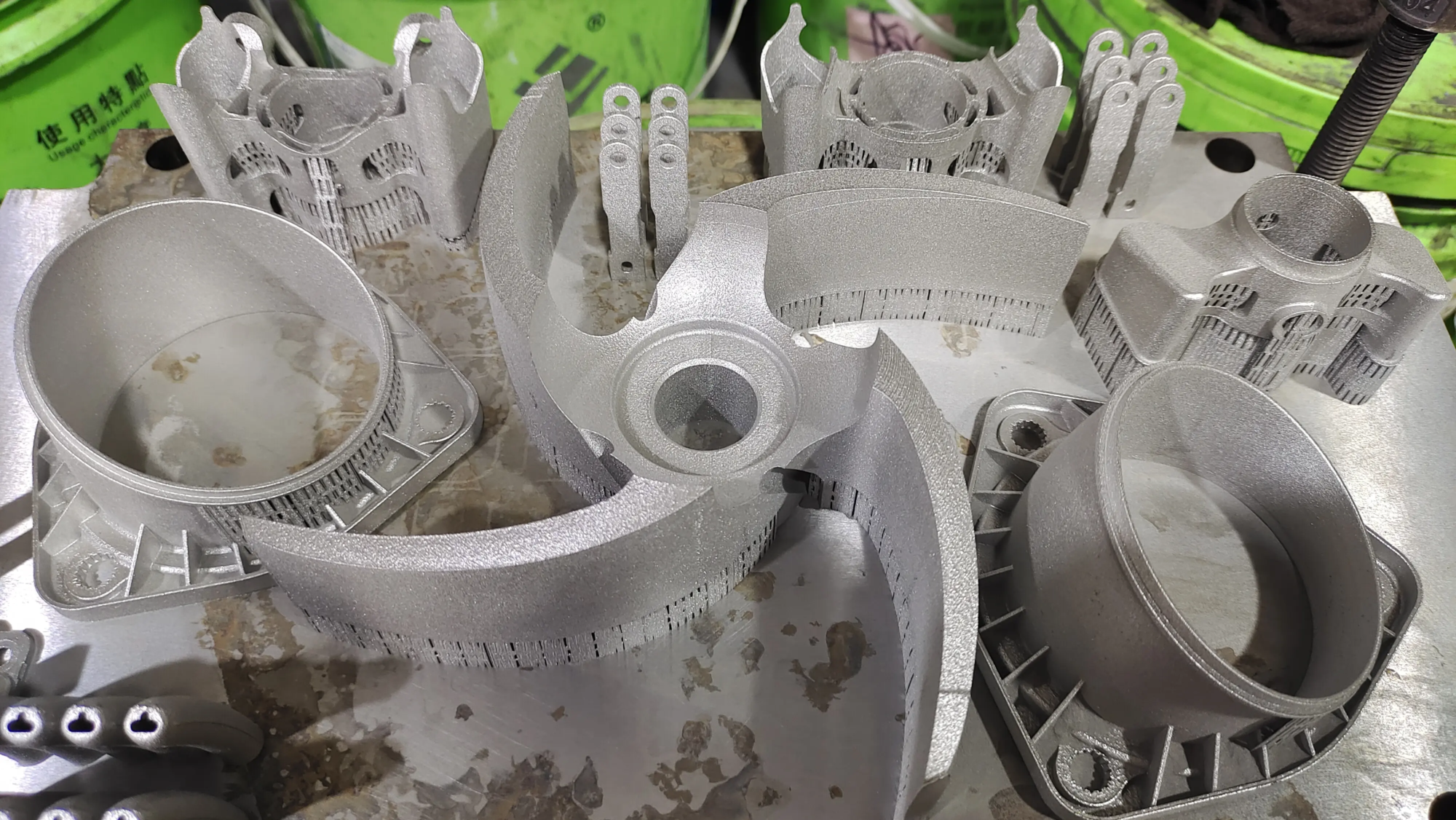
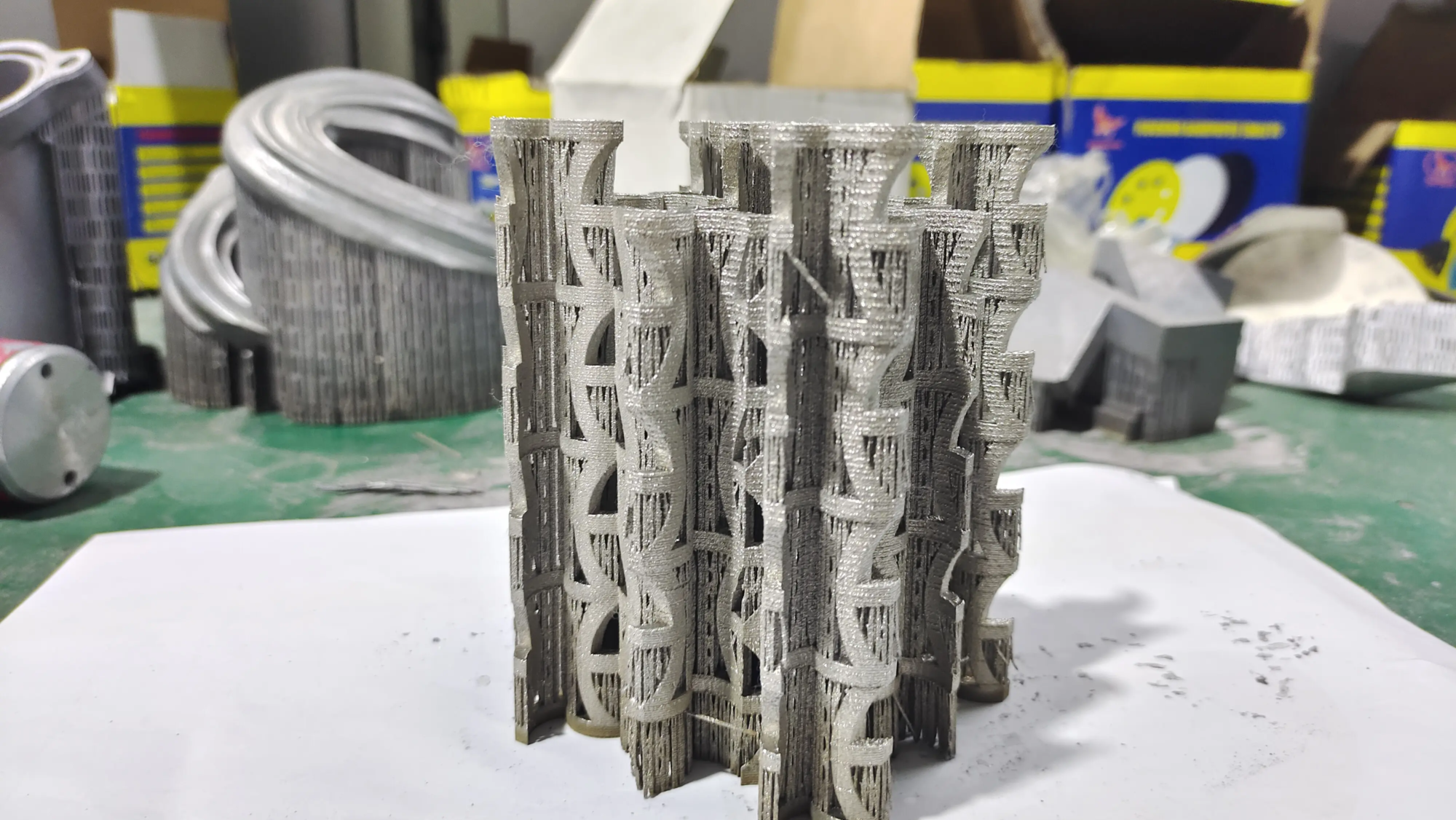
- FDM (Filament Printer – PLA, PETG, ABS): The most common choice. PLA is perfect for user-friendly, perfect for details and comes in countless colors (perfect for avoiding paint!). PETG is stronger, more heat resistant and less brittle – ideal for moving parts or outdoor RC use. ABS is durable, but requires heated chambers and good ventilation; better for experienced users. Greglight Insight: For most amateurs, FDM performs well on this scale, but for the required parts Uncompromising Metal strength or complex alloy details are impossible in plastics (such as micro-engine movements or weapon barrels), and professional metal 3D printing (SLM/DML) becomes a viable option – we are specifically used to require prototypes and end-use aerospace-inspired components.
- Resin printer (SLA/DLP/LCD): Offers amazing surface quality and incredible details – perfect for cockpit consoles, pilot figures, tiny sensors and razor laser cannons. If you plan to draw, it is ideal. Pay attention to brittleness and post-treatment (washing, curing, PPE). Resin is not usually used in large structural RC bodies.
- Slicing software: Your digital engineer.
- Use software like Cura, Prusaslicer, or Lychee (as resin).
- Key settings: Layer height (0.1-0.2mm for FDM details, 0.03-0.05mm for resin), fill density (usually 15-25%), support (almost always needed!), printing speed, temperature. Sacrifice the mass of speed. Printing complex parts is slower. Use tree support where possible to preserve material and improve contact points.
- Careful scale: Make sure to slice all parts Same If you adjust the model, zoom! Double check tolerances (e.g. nailing in holes).
Phase 2: Start Printing
- Organizing and pre-flight inspections: Completely view printed files and assembly instructions. Logical group parts. If you have changed the settings or materials, print the calibration cube/slat. Carefully clean the printing bed!
- Printing strategy:
- direction: Minimize support to visible surfaces. Vertically position the laser cannon. If possible, lay the wings flat to prevent sagging at the tip. The engine usually requires a lot of support internally. Sacrifice support under the engine center is common in FDM.
- Batch printing: Group smaller non-essential parts together to save time. Print key structural parts individually.
- Patience is the key: Detailed multi-part X-wings can take several days or even weeks of printing. Each part of resin printing may be faster, but it requires constant attention throughout the process.
Phase 3: Post-processing – Convert the original version
- Delete support: This is an art form! Use a rinse cutting machine, precision pliers and hobby knife. Take your time. Once fully cured, the resin supports cleaner capture, but also requires careful removal. The sand blocks are smooth.
- Grinding and clearance filling: It is crucial for seamless assembly and professional look. For the roughness of the main layer or defect (120-220 particle size) starts to roughness (120-220 particle size) and move to fine grain size (400-800+). Fill the layer lines and gaps using fill primer spray or modeling putty (Tamiya Gray, Bondo Spot Putty). After filling, sand again. Pro-Tip: Wet sand will create a smoother finish and reduce dust.
- clean:
- FDM: Remove any dust from the sanding (isopropyl alcohol wipe engineering). Remove the oil from your hands before painting.
- Resin: The parts must be thoroughly washed in IPA (or a specific resin cleaner) to remove unauthorized resin and then completely cured under UV light according to the specifications of the resin. After curing, wash gently again to remove residue if needed. Be sure to wear gloves when dealing with unfixed resin.
-
Assembly – Put everything together:
- Dry accessories: Test fits everything before bonding. Sand/adjustment parts Now If the joints are too tight or loose.
- Adhesive:
- Super lue (CA glue): Fast, strong bonds, PLA, PETG, resin. Use gel for more control. Accelerators can help, but can atomize.
- Plastic cement: For ABS/ASA only. It welds the parts together to form a very strong bond. Not working well on PLA or PETG.
- Epoxy resin: Ideal for large surface areas that require gap filling or high strength, but take time to heal. 5 minutes of epoxy is useful for holding parts in place, while CA cures more accurately.
- Alliance: Align the wings very carefully. Fixtures (printed or improvised) are priceless. Make sure the engine is straight. Use tape or fixture to hold the assembly while the glue set. Greglight Insight: For complex components that require perfect dimensional accuracy under stress (such as functional RC mechanisms), precisely processed or metal 3D printed joints are often better than plastics than glued plastics. Our post-processing services ensure that the first-time parts are perfectly fit.
- Complete the touch (funny part!):
- start up: Even if it is left unpainted, it must be. Revealing the drawbacks of fixing and providing a uniform base. The filling primer is great. If necessary, gently sand again.
- painting: Bring your X-wings to life!
- Rattle jar: Great for bases and large color blocks. Looking for hobby brands such as Tamiya, Mr. Hobbies, Citadel, etc. Keep the coat thin and let dry for a while. Cover carefully.
- spray gun: Can provide incredible details, weathered and smooth gradients. Water-based acrylic acid (Vallejo, Citadel Air) is very common.
- Brush painting: Suitable for very small details, cockpit. It takes patience to stay smooth.
- color: Research! The classic red five is the white base, red stripes, and red squadron mark (Astromech dome variation – R2-D2 is blue). Warm gray, dark gray and subtle weathering make it look authentic. Washing and dry brushing are magical in depth.
- Decals/Water Sliding: Add a real tag. Seal them with a clear coat. Micro Set & Micro Sol helps them fit perfectly.
- Clear Coating: Protect your hard work! Use matte varnish for realism on most boats. Canopy glass and the luster of the engine/light.
- (Optional) Lighting and Electronics: Take it to the next level! Tiny LEDs in the cockpit, engine and laser cannon add incredible realism. Careful planning is required (battery case, wiring channels) – easier before assembly, but effort is put into place afterwards. RC conversion requires serious engineering skills.
Conclusion: May the strength (and durability) be with you!
Building a 3D printed X-wing is not just a weekend project. This is a journey. It requires patience, precision and quite a bit of trial and error. From carefully sliced files to meditation processes of grinding and filling to the ultimate victory stroke, you’re not just assembling plastic – you bring a piece of Star Wars history into tangible form.
Holding a detailed custom X-wing fighter satisfaction, knowing you’re pressing one layer, weathered and all carefully crafted, is unparalleled. This proves the fusion of accessible technology (the printer you can trust) and passionate craftsmanship. Whether it’s a place to be proud on the table or waving the sky through RC, your journey from digital archives to legendary Starfighters is incredible pride.
Remember that the best projects involve embracing the learning process. Don’t be afraid of mistakes; they’re just an opportunity to perfect your technology for the next build. Now grab your files, start those printers, and get ready to join the Red Squadron! Pilot, your starfighter is waiting.
FAQ: Build your 3D printed X-wing
Q1: What is the best 3D printer for the X-wing model?
A: No single "The best," it depends:
- Priority details: Resin printers (SLA/DLP) won the victory for small cockpit parts and laser cannons.
- Prioritize size/durability/cost-effectiveness: FDM printers (using PLA/PETG) are a larger method of structural components, wings, fuselages and RC conversion. Dual extruders are ideal for soluble support in complex geometries. For larger models requiring excellent durability, specialized industrial FDM using engineered thermoplastics or metal AMs such as SLM/DML becomes an industrial solution outside the hobby range.
Q2: I hate polishing! Is there a way to minimize it?
A: Yes, but it cannot be completely eliminated:
- Resin Printing: Although some finishing is still required, a smoother surface has been provided, greatly reducing the grinding needs.
- Optimize printing settings: The lower layer height (for example 0.08-0.12mm) lowers the layer line. Accuracy calibration (EFLOW, RETRACTION, TEMP) prevents spots/Zits that need to be polished.
- Support policies: Tree support and adjustable support settings leave clean breakpoints.
- Chemical smoothing: Careful and ventilated! Solvent vapor (with acetone for some plastics (such as ABS)) can smooth the surface, but can also damage details and weaken parts if not precisely controlled. Not recommended for beginners or complex models.
Question 3: How to stop the engine from warping during printing?
A: Warp is a common plague on engines and wings:
- Make sure to have a clean bonding bed: Clean thoroughly with IPA before Each Print. Use adhesives (glue sticks, hairspray, PEI, Buildtak, Magigoo) that suit your bed surface and materials.
- Bed temperature: Use the correct material temperature (e.g., ~60°C PLA, 70-85°C PETG). Don’t be too high.
- shell: It is crucial for PETG/ABS/nylon. Keep consistent heat.
- Edge/raft: The edges greatly increase the adhesion surface area of large flat parts. The raft is more aggressive, but uses more materials and requires more cleaning afterwards.
- Avoid drafts: Keep the printer away from the ventilation holes and move the air.
- slow down: Reduce printing speeds for initial layers and exterior walls.
Question 4: Can I print the flying RC X-wing?
Answer: Absolutely! But this is much more complicated:
- Choose a model for RC design: Don’t try to convert static models; find files (structure, weight distribution, internal channels) specifically designed for flight.
- Materials Important: PETG or ABS is much better than brittle PLA, landing with durable (inevitably) rough landing. Specific filaments such as LW-Pla (foam) are great for weight loss.
- Electronics expertise: You will need micro cargo for control surfaces, brushless motors, ESCs, receivers, batteries, and gyro/stabilization systems. Weight management is crucial.
- balance: Achieve the correct center of gravity (CG) is crucial for stable flight. Prepare for a test flight (and potential repairs!). Greglight Note: Creating functional components such as lightweight, high stress landing gear racks or servo brackets for RCs often benefits from strong, precise materials such as nylon PA12 CF (3D printing), or even custom metal parts made through CNC or SLM for ultimate reliability.
Q5: Once assembled, my wings/legs were loose! How do I strengthen them?
A: It is common to lack of stiffness between the fuselage and the wing engine:
- Internal spar/joiner: Design or modified to include an internal channel for inserting the hard rod (carbon fiber rods are ideal, with smaller options being hard wire or even a sturdy plastic rod). This is crucial for lever arms like engine towers.
- Epoxy enhancement: Make sure the joints are tight and use powerful adhesives such as epoxy and generously reinforce critical connection points from the inside where possible.
- Addition/Fill of Strategic Wall: Print critical load connection points with more surroundings/walls (3-4) and higher fills (30-50%). Avoid 100% filling; it can introduce other problems such as sink marking.
Question 6: Why do I get serial/zit on beautiful details (such as cannons)?
Answer: String and spot damage precision parts:
- Retract settings: This is the key! Enable and adjust the recovery distance and speed (for example, the 5-7mm retract distance, the 40-60mm/s speed is the PLA starting point).
- temperature: Printing too hot will increase water seepage. Try to reduce the nozzle temperature by 5-10°C in increments.
- Travel speed: Increase the travel speed.
- Coast/wipe: Enable coastal (stop extrusion before the end of the perimeter) and wipe/nozzle wipe in slicer. use "Avoid printing parts while traveling" set up.
Q7: How much does it cost to print a detailed X wing?
Answer: The costs vary huge based on:
- size: Compared to the 50 cm model, the 20 cm wingspan model uses much less filaments.
- complex: More parts = more filaments + printing time.
- Material: Filigree Cost Range (USD): Basic Pla ~ $20-25/kg, petg ~ $25- $30/kg. Resin ~$35-$60/l. Color/magnet PLA is more costly.
- Paint/finishing: Primer, paint, brush, wash, varnish can easily increase by $20-$100+.
- electricity: A grand plan is usually very few.
- court: one Material only The high-definition FDM model with a wingspan of about 30 cm may be a filament of $15-$40. Add more additions to paint, glue, sandpaper, etc. Resin costs more. For customized precision metal parts or mass production, working with professional rapid prototyping services often optimize costs for long-term through material efficiency and reduced rework.
Ready to start your build? Tie, stay patient and enjoy the journey of bringing your X-wing from the digital realm!