A complete guide to 3D printing of high-performance speed loaders
Quick Loaders – those convenient devices that allow gun enthusiasts to quickly reload revolvers or magazines – are the primary candidates for 3D printing for customization and accessibility. Unique benefits of creating your own features: ergonomics tailored to your hands, optimized design for specific calibers, and significant cost savings compared to commercial alternatives. However, to achieve a functional, reliable and durable 3D printing speed loader, design, materials, printing technology and post-processing need to be carefully considered. This guide delves into the process in depth.
Why 3D Printing Speed Loader?
- Custom: Design loaders are perfect for your specific gun model, hand size or preferred reloading technology. Iterative design is fast.
- Affordability: Print a small portion of the change in the cost of replacing or experimenting to purchase multiple commercial units.
- Accessibility: Find or modify the design for niche guns, commercially available options are scarce or non-existent.
- Rapid prototyping: Rapidly test different load mechanisms, spring designs or cartridge retention methods.
Key Design Considerations
Success depends on thoughtful design:
- Precise size: Critical measurements ( cartridge diameter, depth, center spacing, overall height/diameter) must match perfectly your ammunition and gun cylinder/magazine. Calipers are essential. Shrink according to the printing material and process you choose.
- Pressure point: Identify high stress areas (e.g., thumb rod, cartridge holder, rotating base joint). Strengthen these areas with thicker walls, rounded corners (rounded corners), burrs (support ribs), or optimized geometry.
- Functional mechanism: Consider the reloading mechanism:
- Moon clip style: Simple, but requires precise clip bends and cartridge head grooves.
- Putter style: Rely heavily on spring strength and rod alignment. A powerful guide to designing.
- Rotating star/gate: Smooth rotation and precise alignment are required. Bearings or holes that withstand tolerance are crucial.
- Ergonomics: Ensure a comfortable grip surface and utilize push or rotational action. Texture grip enhances control.
- Material behavior: Design with the inherent advantages and disadvantages of the plastic of your choice (e.g., brittleness and flexibility, layer adhesion orientation).
Choose the right material
Material determines strength, durability and functionality:
- PLA: Affordable, easy to print, good rigidity. Suitable for low-use, smaller caliber (.22 LR) speed loaders. Can be brittle and easy to catch under high pressure or heat.
- PETG: Good balance of strength, impact resistance, flexibility and ease of printing. Anti-solvents are better than PLA. The best choice for most speed loader applications.
- ABS/ASA: Higher strength and temperature resistance than PETG. Enclosed printer and ventilation are required. Good toughness, but hard to print consistently.
- Nylon (PA6, PA12): Superior toughness, impact resistance and fatigue life. Ideal for high stress components or demanding use. Highly absorbed (absorbing moisture), requires drying before printing and is challenging to print (requires high temperature and housing).
- High-strength composites (e.g., carbon fiber reinforced nylon): Maximum strength and rigidity. Expensive, grind on printer nozzles, but best for ultimate durability. A hard nozzle is required.
recommend: PETG or ABS/ASA achieves the best balance for most users. Nylon composite materials are used for high performance needs.
3D printing process and optimization
From design to function section:
- Technical selection:
- FDM (Fusion Deposition Modeling): It is most easily obtained by enthusiasts. Good material choices are provided, but layer adhesion and anisotropy (weakness between layers) are the main concerns of strength.
- SLS (selective laser sintering): Produce parts with excellent isotropic mechanical properties (strong in all directions). Ideal for complex high pressure speed loaders. Professional services are required.
- SLM (Selective Laser Melting): Mainly used in metals, usually not for plastic speed loaders discussed here, but are essential for advanced metal guns Element Prototype (more on this later).
- Key FDM printing settings:
- Layer height: Smaller heights (0.15-0.2mm) add strength and detail at the cost of printing time.
- Perimeter/shell: Increasing the quantity (3-5) can significantly increase strength and reduce the risk of rupture.
- filling: Use high density (+40%). Rectangular or capability modes provide good strength to weight ratio. Critical stress regions may benefit from 100% local filler.
- direction: Orient the parts of the critical stress vector parallel to the printing bed (minimize the force perpendicular to the layer line). Avoid load-bearing features that are upright and thin.
- temperature: High-end printing in the range recommended by material manufacturers for better stratum adhesion.
- Printing speed: Medium speeds (40-60mm/s) usually produce better layer bonds than ultra-high speeds.
- Support structure: Design and placement strategically support to achieve complex overhangs without damaging critical functional surfaces that require smooth sliding or rotation. Use Dissolvable Support (PVA) if required.
Post-processing of performance and lifespan
Can enhance printed parts:
- Support removal: Carefully cut and sand support to avoid damage to parts.
- Grinding: Smooth mating surfaces, moving parts (axle, rod guide), and any rough seams that may interfere with functions or damage the cartridge.
- Annealing (PLA, PETG): Controlled heating relieves internal stress and slightly improves strength/dimensional stability. Careful control is required to prevent warping.
- Chemical Smoothing (ABS): Acetone vapor treatment can smooth the surface and potentially improve layer bonding slightly. Very cautious.
- lubricating: application Small The amount of dry lubricant (graphite powder, PTFE spray) such as moving parts such as springs, rods and rotary joints to ensure smooth operation.
- Functional fit: Test fit Inert/virtual ammunition First. Gently sand or archive any tight spots that hinder the cartridge insertion/ejection or mechanism movement. Ensure smooth operation before shooting in real time.
Professional Advantages: Why use services like Greatlime?
While home printing is accessible, demanding applications or sophisticated designs benefit greatly from professional rapid prototyping services:
- Cutting-edge technology: Visit industrial grade SLM and SLS printers Most consumers are not able to access it. SLS produces plastic parts with high quality isotropic strength and complex details without support restrictions, ideal for critical components. Great Use these technologies every day.
- Material expertise: Professionals offer a wide range of engineering grade thermoplastics (nylon, PC, PEEK) and composites optimized for strength, heat resistance and durability far exceed standard wires.
- Accuracy and repeatability: Industrial machines and controlled environments ensure dimensional accuracy and consistent, high-quality results every time, which is critical to functional mechanisms such as speed loaders.
- Advanced post-processing: Benefit from professional-grade technologies such as precision machining suitable for bearings, ultrasonic cleaning, controlled heat treatment (annealing, stress relief), bead blasting for excellent finishes and expert assembly when needed.
- Engineering Cooperation: Leverage the expertise of engineers who understand the design of manufacturing functional parts (DFM) and can suggest optimizing the printability and performance of the model.
- One-stop solution: From document preparation and material selection to printing, finishing and quality assurance, the service can be handled efficiently. Greglight also offers comprehensive custom precision machining, finishing and ultra-fast lead times on complex metal prototyping.
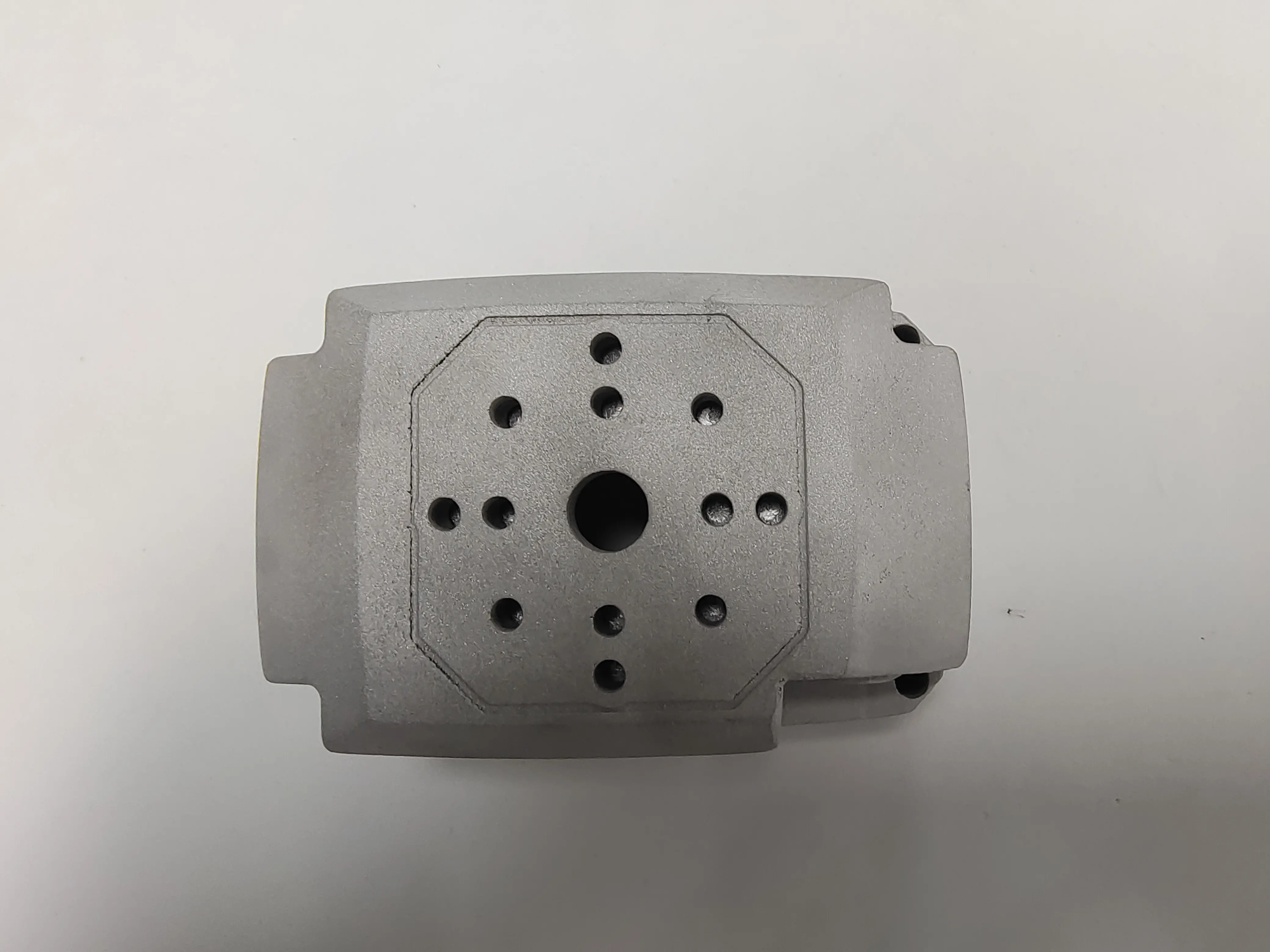
For gun components that require the highest strength, dimensional accuracy, or complex metal geometry (plastic speed loaders), Greatlight’s SLM Metal 3D printing capability is unparalleled and provides a powerful solution directly in high-performance metals.
in conclusion
3D printing revolutionized the creation of custom speed loaders, allowing shooters to design perfectly tailored solutions. Success requires careful design, with a focus on precision and strength, choosing the right material (PETG, ABS or nylon for serious use), careful printing practice (especially with FDM), and thoughtful post-processing to ensure smooth function. Amateurs print open doors to achieve Peak reliability, performance and lifespan (especially for high-risk applications or complex designs) often require professional services.
Greglight is at the forefront of rapid prototyping, providing advanced technologies (such as industrial SLS/SLM), engineering-grade materials, and the expert finishing service required to convert speed loaders or any demanding gun accessories designs into high performance, reliable reality. Whether you are designing for competition or rapid prototyping of critical metal gun components, their professional approach ensures excellent results, fast turnaround, and peace of mind supported by quality engineering. Stop compromising and experience professional-grade prototyping – Get your custom precision parts quote now!
FAQ: 3D Printing Speed Loader
Q1: Is the 3D printed speed loader safe?
A: When carefully designed for a specific caliber, print with appropriate high-strength materials (PETG, ABS, nylon), the strength is optimized during the printing process, and first thoroughly tested with a virtual turn, they are safe and reliable. no way Use a printing loader that shows cracks, deformations or inconsistent operation. High stress applications benefit greatly from professionally printed parts.
Q2: What is the best material for a durable speed loader?
Answer: For FDM, I love printing. PETG or ABS Provide the best balance. For excellent toughness and long-term durability, especially in large quantities, Nylon (PA12) or carbon fiber reinforced nylon Printing on industrial SLS machines is the gold standard. Professional services have access to these materials and processes.
Question 3: Why should I choose to print professionally instead of at home?
A: Professional services (e.g. Great) supply:
- The parts through SLS/SLM are getting stronger and stronger.
- Use high-performance engineering materials.
- Ensure accuracy and finish.
- Expert post-processing (processing, smoothing, annealing).
- Design optimization engineering support.
- Faster turnover speeds for complex projects.
This is crucial for demanding applications or parts that are not negotiable for maximum reliability.
Q4: Can I print a metal speed loader?
A: Yes, use metal 3D printing (SLM/DML). This is very powerful but complex and expensive and is usually reserved for high-performance prototyping in small batches Gun components Instead of plastic speed loaders, not disposable consumables. Greatlight specializes in SLM metal prototyping.
Q5: How to prevent my FDM printed loader from capturing?
A: Focus on design (rounded corners, burrs), materials (PETG+), print settings (high perimeter/shell, 40%+fill, correct orientation), and minimize stress concentrations. Annealing PET can also help, but SLS is inherently better.
Question 6: Which spring is the most effective?
A: Precision compression springs (such as those from McMaster-Carr) that are compatible with your design size are ideal. Avoid excessively stiff springs to cause excessive strain on the plastic mechanism.
Q7: Where can I find the speed loader design?
A: Reputable repository Thingiverse, Cults3D or printable Usually there is a design. Critical Assessment Design specific calibers and guns and ensure they have good engineering practices. Modify/design your own best results.
Question 8: Can Greatlight help perfect or print my speed loader design?
Answer: Absolute. Greglime not only needs to print; they adopt engineering expertise. They can review your design (DFM), propose improved manufacturing and durability, select the best materials and processes, print your sections with industrial precision, and apply the necessary post-processing. Contact them for consultation.