Unlocking Movement: The Power of 3D Printed Spin Wheels
Imagine transforming a digital design into a powerful functional component that you can hold and spin in a matter of days. This is the magic of metal 3D printing applied to components like rotating wheels – complex parts that are essential in applications ranging from industrial machinery to educational models and complex assemblies. At GreatLight, we leverage advanced Selective Laser Melting (SLM) technology to enable rapid transformation from concept to spinning reality, pushing the boundaries of rapid prototyping toward true functional usability.
Why a functional part like a spinning wheel requires more than basic prototyping
Gone are the days when 3D printing was used only for visual models. Today, industries need prototypes that can perform under pressure. The spinning wheel embodies this transformation. Whether transmitting torque in machinery, acting as control knobs, or acting as kinetic art, these components must withstand friction, maintain balance, and withstand repetitive motion. Traditional prototyping methods often fall short in this regard. Injection molding requires expensive molds, and CNC machining has difficulty handling complex geometries or hollow designs, but metal 3D printing can overcome these obstacles gracefully.
SLM: The engine behind the solid metal spinning wheel
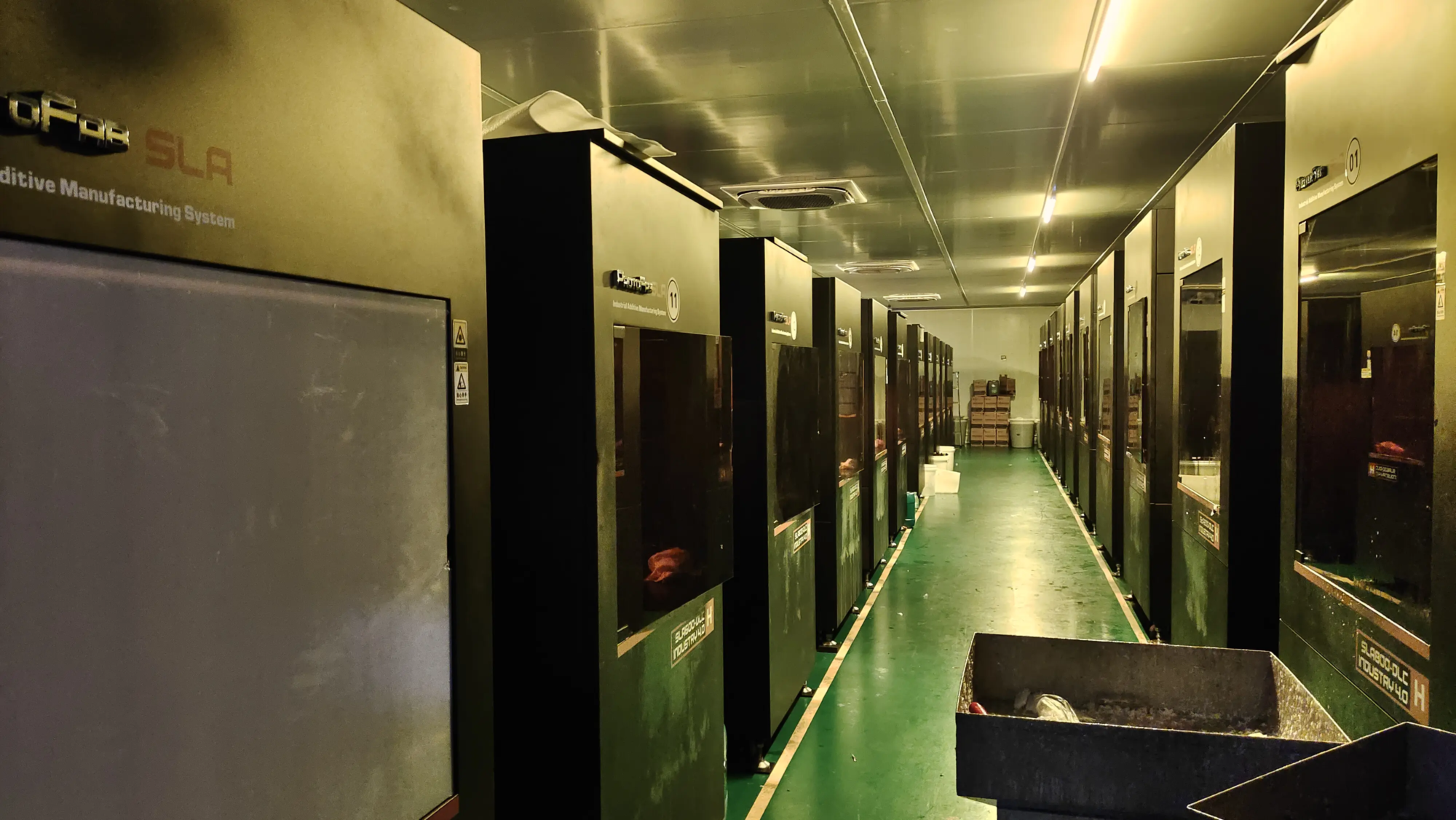
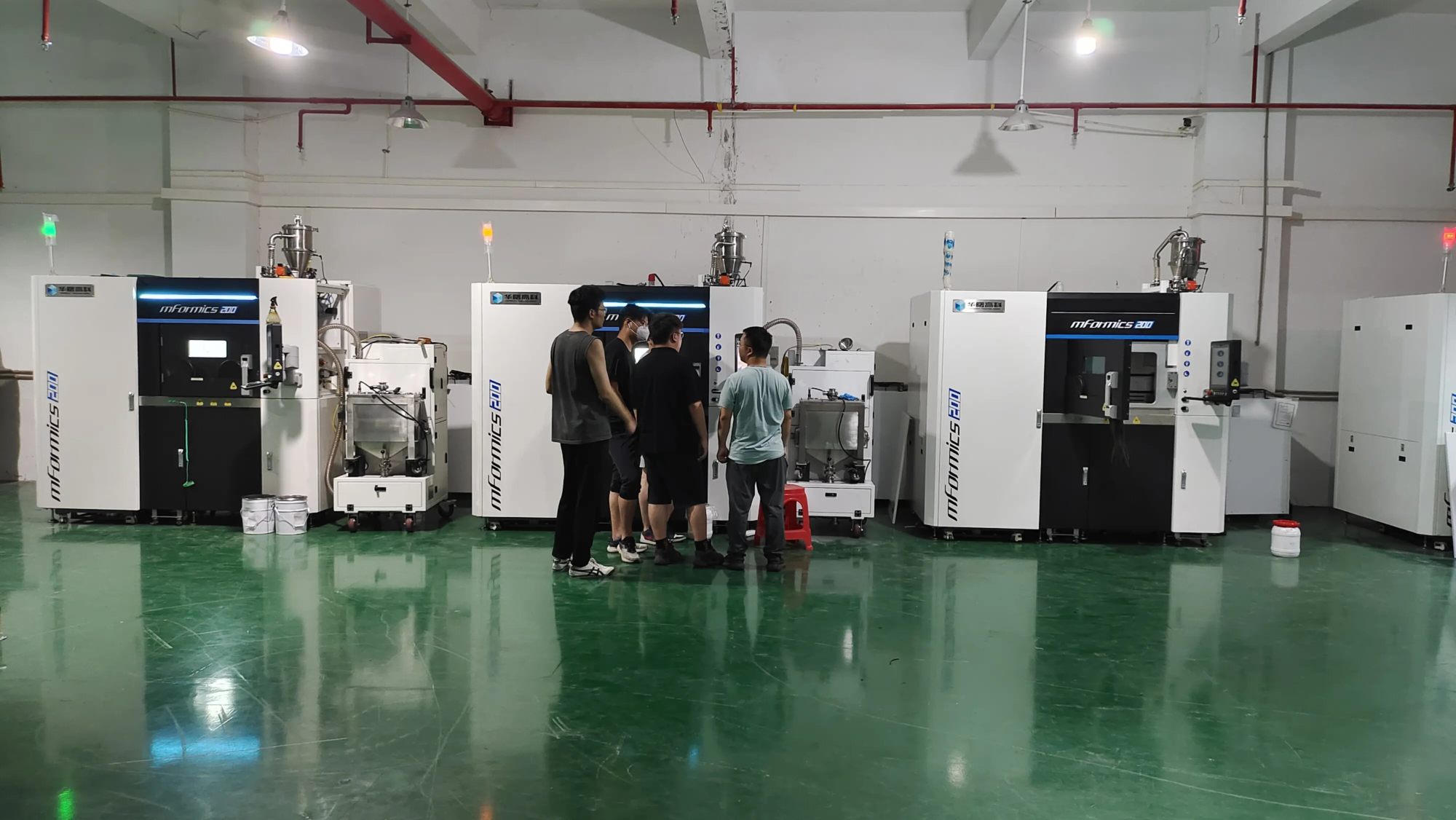
At GreatLight, our core competency lies in SLM 3D printing – a powder bed fusion technology. Here’s why it’s transformative for spinning wheels:
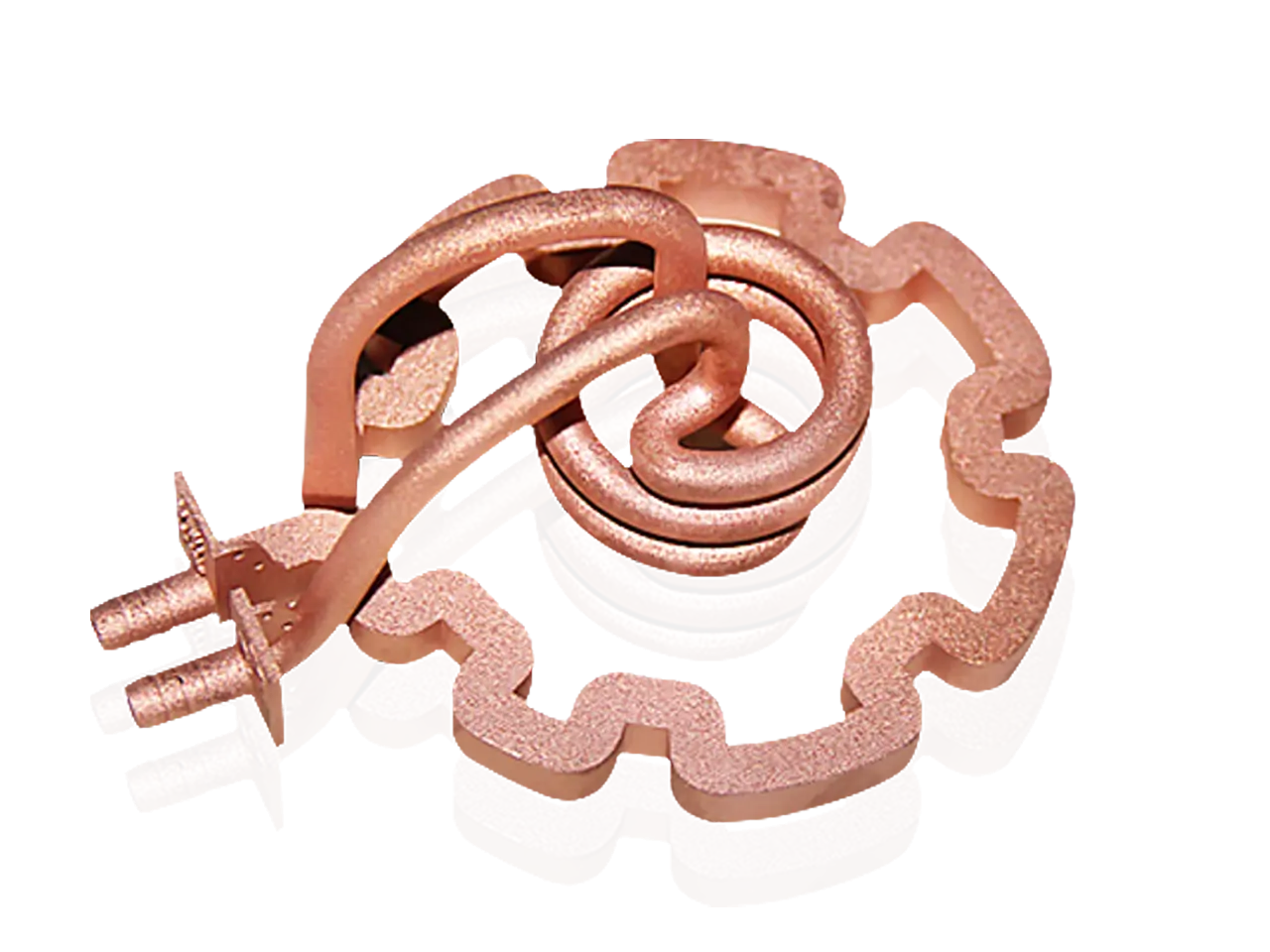
- Release complexity: SLM is built layer by layer by melting fine metal powder with a high-power laser. This freedom allows for complex spoke designs, internal lubrication channels or hollow sections to reduce weight without sacrificing strength – something not possible with traditional methods.
- Strength and durability: Unlike polymer printing, SLM produces metal parts (using materials such as AlSi10Mg, stainless steel 316L or titanium) with excellent wear resistance, fatigue strength and thermal stability. Printing spin wheels can withstand abrasive environments, high loads and constant spin cycles.
- Accuracy down to microns: Our industrial-grade SLM printers achieve intricate details within tight tolerances (±0.05mm). This ensures smooth rotation, minimal vibration and seamless integration with the shaft or bearing – crucial for stability.
The GreatLight Advantage: More Than Just Printing
Making high-performance spinning wheels isn’t just limited to printing metal powder. Our comprehensive services integrate seamless post-processing:
- Stress Relief and Heat Treatment: Relieving the internal stresses created by layer-by-layer fusion enhances structural integrity.
- Precision machining: Matting surface flatness or precise hole diameters achieved via CNC ensure perfect assembly with other components.
- Surface enhancement: Techniques such as micro-blasting, polishing or coating reduce friction, prevent corrosion and extend service life.
this one stop approach Eliminate supply chain hassles and accelerate development timelines (usually delivering parts a few days later) and guarantee performance integrity tested against actual specifications.
Beyond standard design: the customization factor
Standard spinning wheels limit innovation. Our expertise excels in custom engineering:
- Material flexibility: Match the wheel to your application – lightweight aluminum for dynamic components, heat-resistant Inconel for aerospace or biocompatible titanium for medical devices. We deal in aerospace, automotive and medical alloys.
- Weight/CAD Optimization: Redesign spokes to reduce weight, integrate flanges for mounting, or embed RFID tags – take advantage of the design freedom SLM offers.
- Iterative agility: Quickly test small changes in geometry (hub size, spoke thickness). Discover your best designs faster with fast turnaround printing.
Turn your spinning wheel ideas into reality: Workflow
- design: Submit your CAD files (SolidWorks, STEP, IGES) or work with our engineers for optimization.
- Material and process selection: We provide recommendations on the best alloys and required post-processing for your features and budget.
- print: Our SLM printer builds your spinning wheel layer by layer overnight.
- Post-processing: Finishing services transform raw prints into functional masterpieces.
- deliver goods: Receive rigorously inspected, high-performance parts ready for rotation.
Conclusion: Driving innovation forward
The 3D printed spinning wheel isn’t just about creating quickly; It’s about unlocking previously unreachable levels of performance and customization. Metal SLM technology enables complex, resilient, production-quality components to accelerate development cycles. At GreatLight, we combine cutting-edge SLM machinery, deep metallurgical expertise and comprehensive finishing services to deliver metal parts ready for end use. Stop compromising on ineffective prototypes – Customize your precision spin wheel today.
FAQ: A Deep Dive into 3D Printing Spin Wheels
Q: What applications would benefit most from metal 3D printed rotating wheels?
A: Ideal for demanding environments: aerospace actuators, automotive drive systems, industrial levers/conveyors, medical equipment dials, robust educational kits, and R&D components. Everywhere, low-vibration, controlled rotational motion under load is critical.
Q: How strong is your metal rotating wheel compared to CNC machined ones?
A: SLM parts have a metal density of >99%, which is comparable to the strength of machined blanks. Heat treatment further enhances fatigue resistance. While CNC wins in terms of isotropic consistency (uniformity of intensity in direction), the advantage of SLM’s complex geometry is often compensated, especially in terms of lattice optimization.
Q: Can you optimize a spinning wheel to minimize friction/vibration?
Answer: Of course. Design optimization (balanced mass distribution, optimized profile) combined with post-machining of critical interfaces (bore/shaft mating surfaces) and polishing reduces friction. Balance-verified post-production ensures smooth rotations.
Q: How quickly can I get a prototype for a mass custom spin wheel?
A: Complex metal designs can be printed within 24-48 hours. Through integration and organization, Functional prototypes ship within 3-5 business days – Accelerate development compared to weeks of CNC/mold production. Production batches are expanded accordingly.
Q: Is post-processing mandatory?
Answer: For function wheels – highly recommended. The original print has a textured surface that affects friction and corrosion resistance. Mechanical processing ensures dimensional accuracy. Even sandblasting can significantly extend service life. Options are tailored to budget/needs.
Q: What file format/design considerations are important?
Answer: Provide STEP, IGES or X_T files with clear tolerance zones. Wall >0.8mm for full density. Avoid sharp corners (which create stress); use rounded transitions. Clearly note the critical surfaces that require finishing. Our engineers guide you through DFAM (Design for Additive Manufacturing).
Are you ready to experience rapid functional manufacturing? Connect with GreatLight – the combination of complex geometries and precision metal properties.