Navigating the Universe: How Metal 3D Printing Is Revolutionizing Starship Manufacturing
The dream of traveling further into space, building starships, and establishing a presence beyond Earth depends on breakthroughs in manufacturing. We are at a critical moment when traditional methods reach their limits and revolutionary forces emerge: Metal 3D printingspecifically Selective Laser Melting (SLM)fundamentally changed the way starships were conceived and built. This isn’t science fiction; it’s tangible Starship printing revolutionenabling unprecedented design freedom, rapid iteration, and performance characteristics necessary for next-generation space exploration.
Beyond welding and casting: The power of SLM in aerospace
Starship components face extreme environments: intense vibration during launch, cryogenic temperatures, the vacuum of space and potential reentry heat. These require materials with excellent strength-to-weight ratios, thermal stability, and complex internal features that are often not achievable through traditional machining or casting. Metal 3D printing, especially SLM, is ideally suited to address the following challenges:
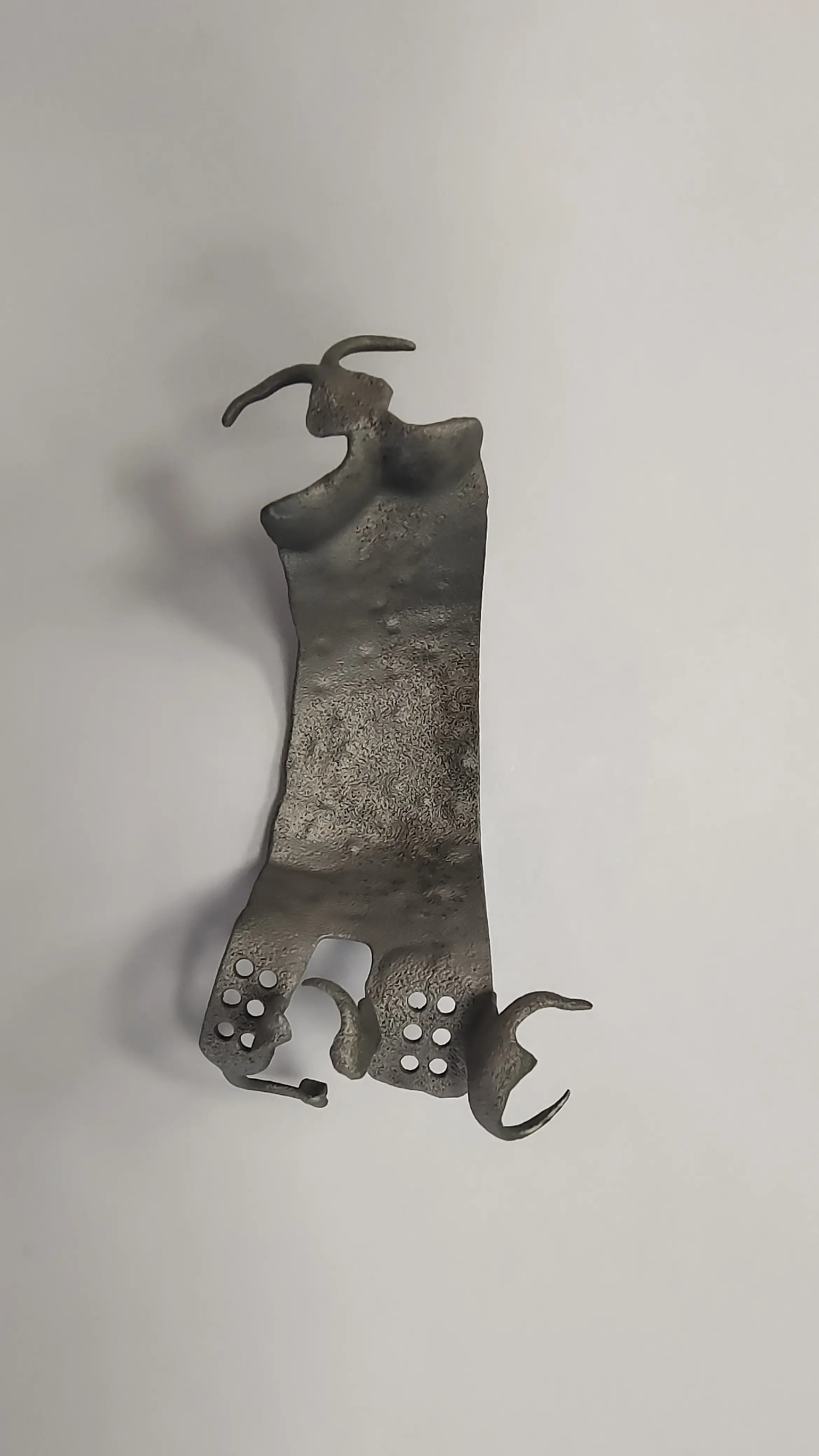
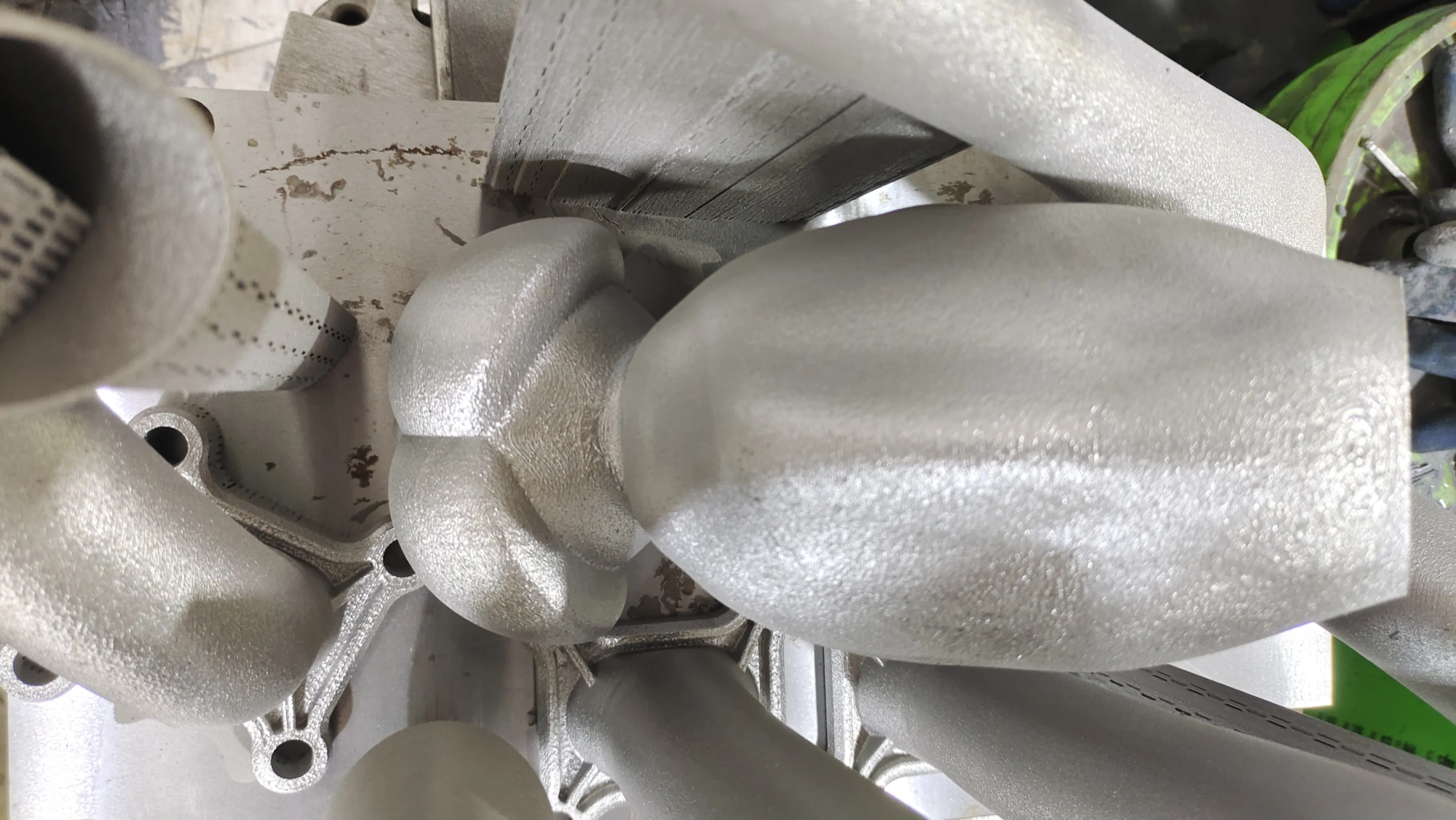
- Create layer by layer: The SLM printer spreads a layer of fine metal powder onto the build platform. A high-powered laser melts the powder precisely at locations designated by the component’s digital cross-section, bonding it to the underlying layer. Repeat this to build complex parts from scratch.
- Uncompromising sophistication: SLM removes machinability limitations. Complex cooling channels woven inside rocket engine injectors, lightweight lattice structures that mimic bone for optimal strength, integrated components that replace hundreds of riveted pieces—these are becoming a manufacturable reality rather than a theoretical daydream.
- Material efficiency and lightweighting: Traditional subtractive methods typically remove up to 90% of the raw material. SLM is additive – the material is deposited only where it is needed. This significantly reduces waste of expensive aerospace alloys and enables the creation of geometries optimized for minimum mass while maintaining structural integrity, directly impacting fuel efficiency and payload capacity.
- Rapid prototyping and iteration: The traditional design-test-modify cycle for spacecraft components is notoriously slow and expensive. SLM greatly speeds up this process. Engineers can design, print, and physically test proposed parts (including complex geometries) in days or weeks instead of months. Failures become faster learning opportunities, quickly improving the design for optimal performance.
Conquer the challenge: Performance meets precision space
Adopting additive manufacturing in mission-critical space applications is no easy task. Key challenges include:
- Material Properties and Certifications: Printed parts must meet or exceed the mechanical properties (strength, fatigue resistance, ductility) of traditional forged parts. Strict process control, parameter optimization and rigorous testing (tensile, fatigue, non-destructive testing) are crucial.
- Surface finish and dimensional accuracy: As-built SLM parts have characteristic surface roughness and potential dimensional deviations. Achieving the tight tolerances required for aerospace components requires sophisticated technology Post-processing technology.
- Scalability and cost: While prototyping is faster, scaling up certified production and achieving cost efficiencies requires process optimization and supply chain adjustments compared to existing high-volume methods.
GreatLight: Driving the Starship Revolution from Prototype to Flight
This is where expertise bridges the gap between potential and practice. exist huge lightwe are focused on turning the promise of metal 3D printing (specifically SLM) into mission-ready reality. we understand rapid prototyping This is just the first step on the journey to achieving flight-ready components.
- Advanced SLM technology: We use state-of-the-art SLM printers with powerful lasers, precise control systems and inert atmosphere chambers, tailored for high-performance aerospace alloys such as titanium (Ti6Al4V), titanium alloys, nickel-based superalloys (Inconel 718, 625), aluminum alloys and specialty stainless steels (such as 304 or 17-4 PH). The possibility of material customization exists.
- Beyond printing: superior one-stop post-processing: realize this "at the time of printing" rare "Ready to fly," Gretel offers a comprehensive Post-processing and finishing services:
- Key heat treatments: Stress relief and hot isostatic pressing (HIP) remove residual stresses, increase material density and enhance mechanical properties critical to fatigue life and fracture toughness.
- Precision machining: CNC milling, turning and grinding enable micron-level dimensional accuracy on critical interfaces and features.
- Surface enhancement: CNC lathes, electropolishing, CNC machining, sandblasting, vibratory finishing, controlled grinding to achieve the required surface roughness (Ra/Rz specifications) for sealing, fatigue performance and aesthetic requirements.
- Non-destructive testing and quality assurance: Strict quality protocols including dimensional inspection (CMM), dye penetration testing (PT), ultrasonic testing (UT), X-ray inspection (X-ray CT scan) and mechanical testing (verified by certified laboratories) are implemented to ensure that every part meets aerospace grade standards.
- Fast and customized solutions: Our core strength is solving complex problems Rapid prototyping of metal parts quickly. We simplify the process from CAD model to fully completed, certified prototype or production part. Need a titanium combustion chamber liner with integrated cooling? A complex satellite mount made of Inconel? Lightweight structural nodes? We efficiently handle complex geometries and challenging custom requirements, turning them into tangible solutions at competitive speed and at the best price.
- In-depth application focus: From complex regeneratively cooled thruster chambers and satellite propulsion components to lightweight airframe mounts, custom heat exchangers, sensor housings and qualification test hardware – we have the expertise to collaborate to drive aerospace innovation.
Conclusion: Building the future of aerospace layer by layer
The 3D starship printing revolution is not yet imminent; it is actively reshaping the aerospace landscape. SLM metal 3D printing provides an unparalleled toolkit for creating lightweight, complex, high-performance components critical to next-generation spacecraft and interstellar ambitions. From proving concepts with rapid design iterations faster than ever before, to producing components with previously unachievable geometries, the benefits are undeniable.
While materials science, process improvements and certification remain key pathways, the trajectory is clear. Companies that adopt this technology gain significant competitive advantages. exist huge lightwe are not just observers; we are active participants, equipped Advanced SLM technology and Comprehensive post-processing mastery. We stand ready to be your partner in leading this revolution, transforming your visionary starship designs into precision-engineered realities. A universe built layer by layer of high performance awaits you.
FAQ: Metal 3D Printing for Starship and Aerospace Components
1. What metals can be used for SLM aerospace 3D printing?
Common aerospace-grade materials include titanium (especially Ti6Al4V), nickel-based superalloys (Inconel 718 and 625 – for high-temperature parts), aluminum alloys (such as AlSi10Mg – for lightweight structures), and various stainless steels (17-4 PH for strength, 316L/304L for corrosion resistance). GreatLight works extensively with these and offers the option to explore special alloys based on feasibility and material certification.
2. How does SLM 3D printing compare to traditional machining of aerospace parts?
- advantage: Enables extremely superior design freedom (complex geometries, lattices, internal channels), significant material savings (reduced waste), weight reduction potential, faster prototyping cycles, easier part integration.
- shortcoming: Cost per part may be higher (improving economies of scale), "at the time of printing" Surfaces require finishing and microstructure requires careful process control/heat treatment as there are certification challenges for highly regulated parts.
3. Can SLM reliably produce parts with the extremely tight tolerances required for spacecraft?
"Yes"but "at the time of printing" Tolerances are typically between +/- 0.1 mm and +/- 0.2 mm. Achieving aerospace-grade accuracy often requires critical CNC machining of critical interfaces after printing. At GreatLight, we comprehensively One-stop service Integrate precision machining to achieve the tight tolerances required for final assembly requirements (down to the micron level when feasible).
4. How does GreatLight ensure the quality and performance of flight-critical 3D printed parts?
Quality is crucial. We combine:
- Strict process parameter control, optimized for different materials.
- Comprehensive Post-processing Includes heat treatments for material strengthening (e.g. CNC milling, turning, HIP).
- CNC machining of critical dimensions/tolerances.
- Advanced surface finishing treatments.
- Strict Quality Assurance: Material/Mechanical Testing Certification, Traceability, Non-Destructive Testing (NDT) such as X-ray CT scan, PT, UT and detailed CMM reports.
5. What post-processing options are critical for aerospace SLM parts?
Basic post-processing includes:
- Thermal Machining: CNC Machining Capabilities, CNC Milling, CNC Turning (Stress Relief, Solution Treatment and Aging, Hot Isostatic Pressing – HIP) for material reinforcement.
- Support removal: Precisely remove printed support structures.
- Surface treatment: CNC machining, electropolishing, grinding, sandblasting, CNC lathe turning to achieve specific Ra/Rz roughness and aesthetics.
- Precision machining: CNC Milling/Turning CNC Lathes/Grinding ensure precise dimensional accuracy.
6. Beyond prototyping, is metal 3D printing cost-effective for spacecraft production?
Due to reduced assembly requirements (consolidation), reduced material waste, and design optimization benefits, it is increasingly cost-competitive compared to CNC machining for complex low- to medium-volume parts. SLM machining is often the only practical solution for highly complex or topology-optimized parts that are not possible with CNC machining. ROI comes from performance improvements (weight savings) or enabling novel designs.
7. How do I get started with a custom starship/aerospace prototype project using GreatLight?
Simplified onboarding process:
- Please contact our engineering team with your requirements (CAD files, material requirements, performance specifications, required tolerances, surface finish, quantities).
- We assess feasibility, propose SLM printing directions/structures, recommend materials and processing, and provide a detailed quote including prototyping, post-processing and finishing.
- Once approved, we will begin manufacturing via CNC machining on a calibrated SLM printer or CNC lathe.
- Comprehensive quality assurance testing ensures final parts meet aerospace specifications.
- Deliver certified precision prototypes or production parts, ready for integration. Contact us today to discuss advancing your aerospace innovation!