Unlock your gaming setup: The ultimate guide to 3D printing a Nintendo Switch stand
Tired of your Nintendo Switch cluttering your desk or leaning awkwardly against a book? Looking for a custom solution to fit your unique decor or gaming style? Look no further than the versatile world of 3D printing! Printing your own Nintendo Switch stand is more than just a fun DIY project; This is an opportunity to create the perfect, functional accessory for your needs. In this guide, we’ll take a deep dive into the design, printing, and optimization of a 3D Switch stand, blending maker creativity with expert insight.
Why 3D print switch brackets?
- custom made: Design it to perfectly match your Switch model, controller configuration (dock tablet, attach/detach Joy-Con), desired angles, and aesthetic preferences (minimalism, ergonomics, branding).
- Cost effectiveness: The price is a fraction of premium commercial booths, especially if you already own a 3D printer.
- Auxiliary functions: There is a huge library of free and paid designs online for beginners and experts alike.
- Prototyping capabilities: Quickly iterate on functionality and ergonomics before committing to final production materials.
Browse the design landscape:
Choosing the right design is crucial. consider:
-
Function:
- Simple stance: Hold the tablet at an angle. Great for tabletop gaming or watching videos.
- Compatible with: Space is provided underneath for critical USB-C cable connections for TV mode charging and display.
- Controller Accommodation: Includes slots or handles for detaching Joy-Con or Pro controllers.
- Charging integration: Designed with channels or holders for charging cables/stands.
- Multiple devices: Combine your Switch, games, and accessories (like the Hori Switch Pad Pro for Splatoon/Mario Kart!) into one unit.
- Portable: Compact, easy-to-pack design, suitable for travel.
-
Stability and security:
- Basic design: Wide, stable base prevents tipping. Some designs feature a weighted bottom.
- Contact point: Make sure there is enough surface area to grip the switch securely without scratching it. A soft TPU insert (printed separately) can be integrated to provide extra grip and scratch resistance.
- Structured support: Especially important for brackets that display switches at steep angles – ribs or internal structure prevent deformation under load.
- Strength and durability:
- Material selection: PLA+ or PETG are good starting points. ABS or ASA has higher heat resistance near electronic equipment. Nylon has high toughness. TPU provides gripping padding.
- Layer direction: The print load should be as parallel to the print layer as possible. Key stress points, such as the thin arm holding the switch, benefit from vertical orientation, although this may require support.
- Filling density: For static mounts, 15-25% is usually sufficient. For handles, thin protrusions or areas under tension, increase (30-40%).
Optimize printing settings for sturdy stands:
For a stand that is both functional and aesthetically pleasing, it is crucial to set up the slicer correctly:
- Floor height: 0.15mm – 0.2mm provides a good balance between detail and print time.
- Perimeter/Walls: 3-4 walls significantly increases strength and surface durability – don’t skimp!
- Top/bottom layer: At least 4-6 solid layers ensure the surface that bears the weight of the Switch is smooth, complete, and stable.
- Fill pattern: Grids, gyroscopes or triangles provide a solid support structure.
- support: Critical for designs with steep overhangs such as cable channels. Tree stands typically use less material than standard stands and are easier to remove. Pay close attention to the interface settings.
- Adhesion: It is highly recommended that narrow, tall stands be equipped with edges to prevent them from wobbling or falling off during printing.
- calibration: Make sure your printer is perfectly calibrated! Bed adhesion (vital!), extrusion rate, belts and guides must be checked.
Advantages of professional prototyping:
While DIY is valuable, taking your stand concept to the next level will often benefit from professional prototyping. This is where professional rapid prototyping companies, e.g. huge lightoutstanding. Here’s why:
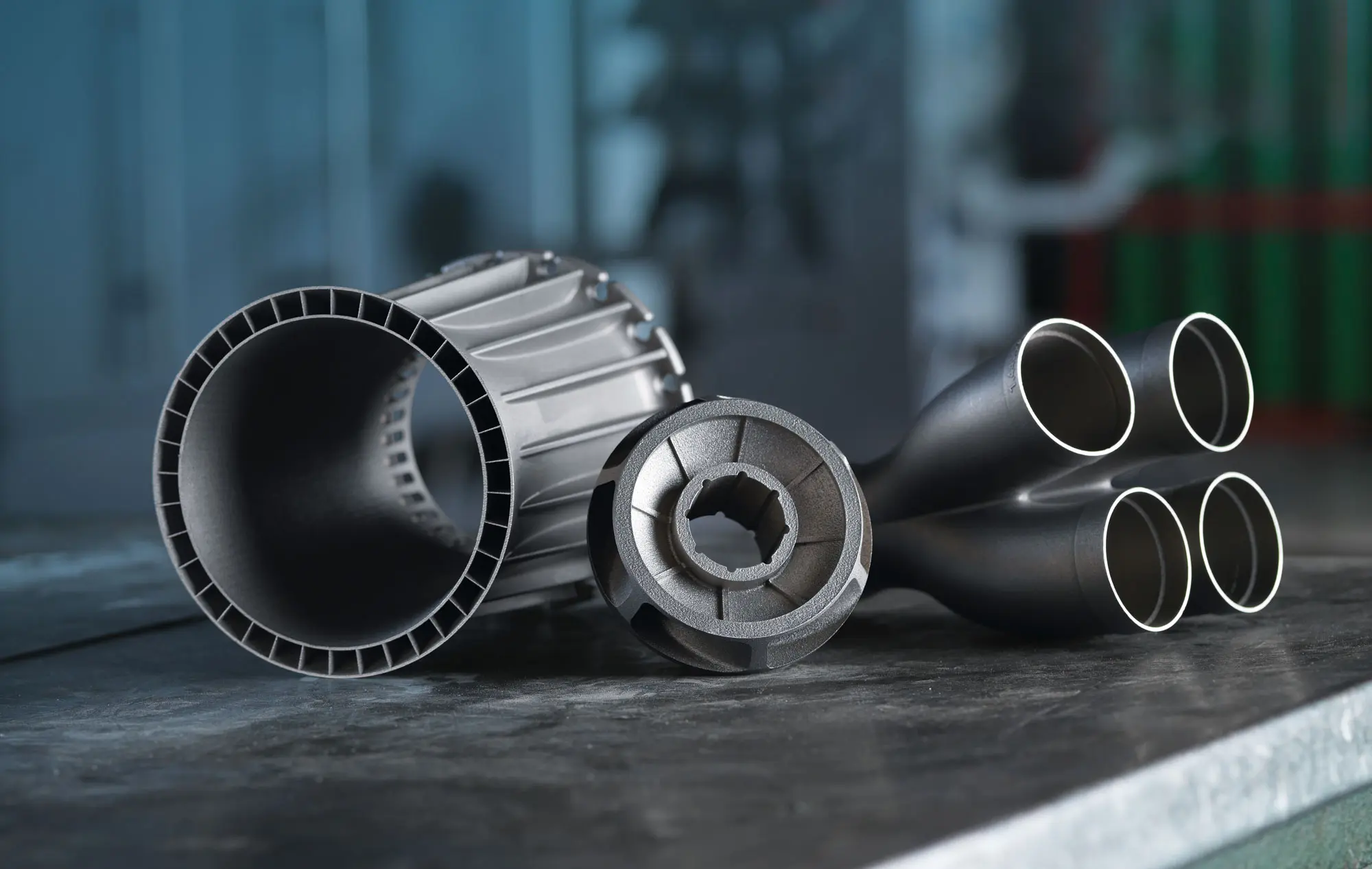
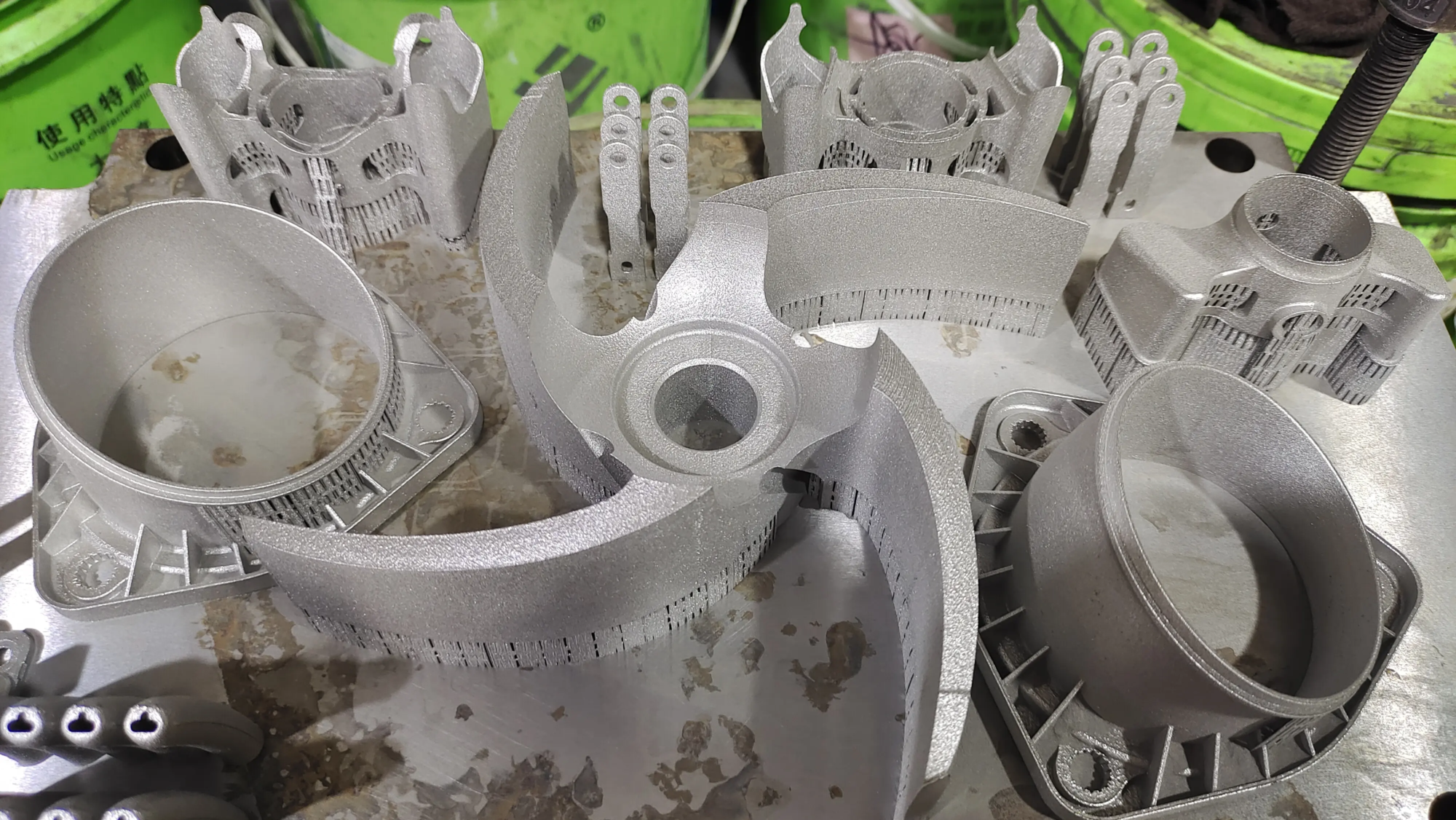
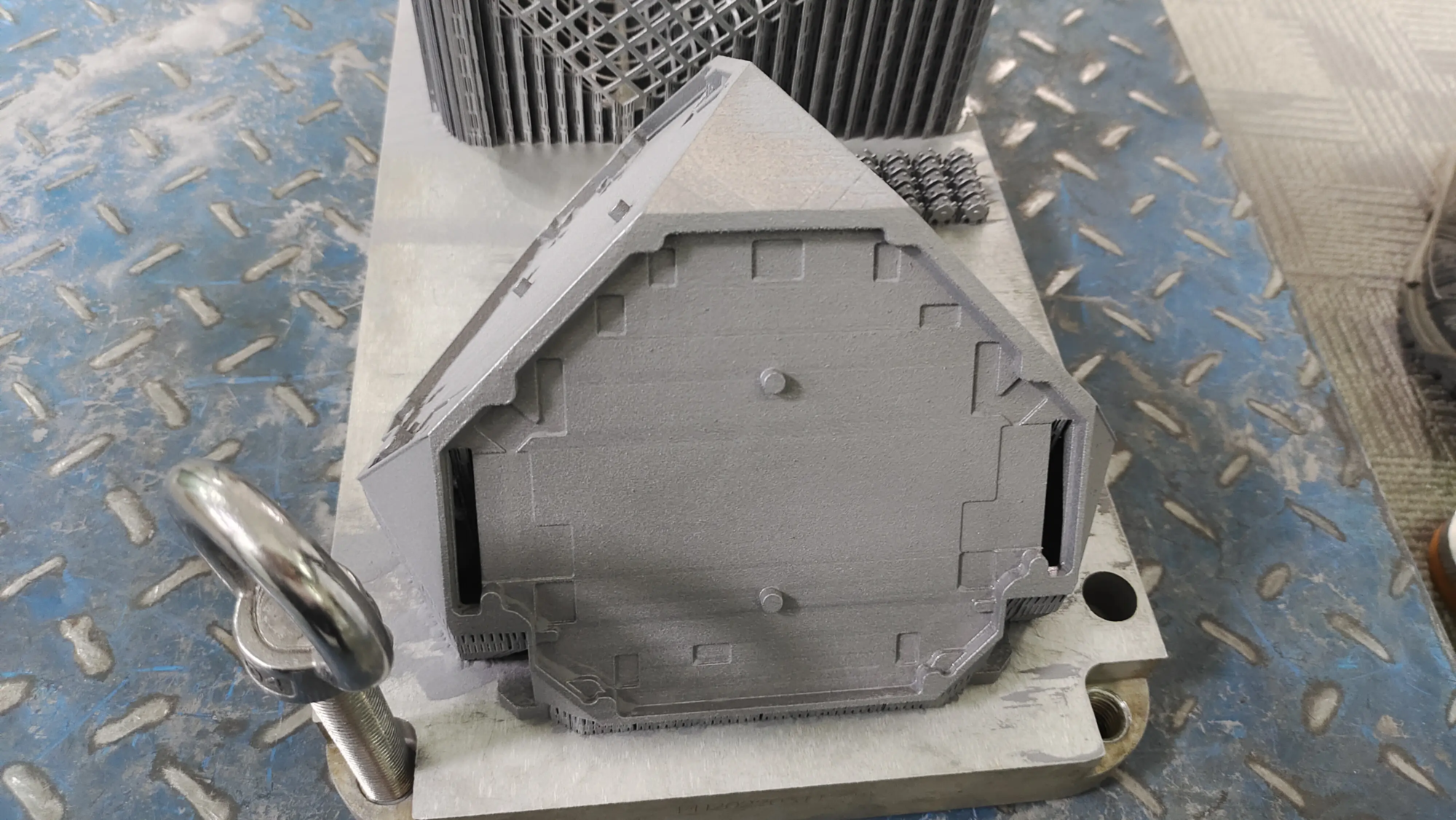
- Material superpowers: In addition to common filaments, high-performance engineering resins and cutting-edge technologies can also be used Metal 3D printing (SLM – Selective Laser Melting). Imagine a strong aluminum bracket, identical to the casting, printed overnight!
- Accuracy and Repeatability: Professional-grade industrial printers ensure dimensional tolerances and perfect surface finishes that are unachievable with most consumer FDM machines.
- Limited production: Bridging the gap between prototype and low-volume manufacturing. Continuous production of 10, 50 or 100 premium brackets.
- Advanced post-processing: Perfect the fit and finish using smoothing techniques (vapor polishing), electroplating (for metal finishing), high-gloss painting, durable powder coating or precision machining.
- Verification and support: Expert engineers can digitally analyze your designs to understand structural integrity and manufacturability, minimizing trial and error.
Great light: As China’s leading rapid prototyping manufacturer, huge light Leverage advanced SLM metal printers and integrated production technologies to prototype complex metal parts and solve production challenges. We specialize in fast turnaround times on a wide range of customizable materials and provide seamless, one-stop post-processing and finishing solutions. For projects requiring the highest precision and durability – including potential metal switch brackets – huge light Providing professional-grade results at a competitive price.
in conclusion:
3D printing allows you to design and create the ideal Nintendo Switch stand based on your specific needs and preferences. From choosing the right design to mastering slicer settings, DIY printing offers tremendous flexibility and satisfaction. However, if your vision requires unparalleled strength (like metal), high-yield consistency, a flawless surface finish, or simply does not fit within the constraints of desktop printing, then utilizing professional rapid prototyping services becomes a strategic move. company likes huge light Proving that prototyping has gone far beyond simple plastic parts, enabling durable, custom, high-end solutions ready for everyday use and even commercial potential. From desktop to professional, the perfect Switch stand is waiting for you to create!
FAQ- 3D Printing Nintendo Switch Stand
-
Q: Can I print the Switch stand using a basic FDM printer?
- one: Absolutely! PLA and PETG are excellent choices that print easily on regular FDM printers. Ensure adequate wall thickness and filling strength. Designs such as the simple stand are great for beginners.
-
Q: Where can I find reliable STL files?
- one: Reputable repositories include Thingiverse, Printables (Prusa), Cults3D, and Thangs. Always check reviews/reviews and designer instructions before printing.
-
Q: Do I need support?
- one: It all depends on the design. Models with steep overhangs of more than 45-60 degrees usually require bracing. Check out the design preview in the slicer. As with stands, it’s often cleaner to remove the tree stand.
-
Question: How to prevent Switch from slipping?
- one: Incorporate a textured surface into your design (sandpaper effect in slicer settings), add small physical TPU bumpers, or use non-slip mats/sticky feet on the stand base.
-
Q: What is the best material for a durable stand?
- one:
- DIY: PETG(PLA+). Better heat resistance and toughness than standard PLA.
- Pro plastic: ABS, ASA, Nylon (requires enclosed/heated printer), resin (requires SLA/DLP printer).
- Metallophilic: Aluminum alloy (via SLM), stainless steel (extremely durable).
- one:
-
Q: Why would I consider professional prototyping for a simple stand?
- one: For unique designs requiring extreme precision, strength (metals), professional aesthetics (polished metal/unique coatings), batch-to-batch consistency, or scalability beyond prototypes, professional services, e.g. huge light Offering capabilities that go far beyond DIY, efficiently transform concepts into high-quality product-ready components.
-
Q: My printed stand feels flimsy. What did I do wrong?
- one: Possibly insufficient wall thickness or insufficient padding. Increase the walls to 4 to increase the fill rate in critical areas to over 30%. Ensure proper cooling to prevent deformation. Check the dryness of the filament – wet filament will impair printing results. Consider print orientation for optimal strength.
- Q: Can I design my own stand?
- one: Yes! Free CAD software like Fusion 360, Tinkercad, or Blender (for a more sculptural feel) allows you to create custom brackets. Start simple – measure your Switch accurately to ensure a tight and secure fit!
Ready to create your perfect Switch companion? Fire up your printer or explore the possibilities of professional prototyping today!