Invisible Heroes: How 3D Printed Wall Hooks Are Revolutionizing Organizations
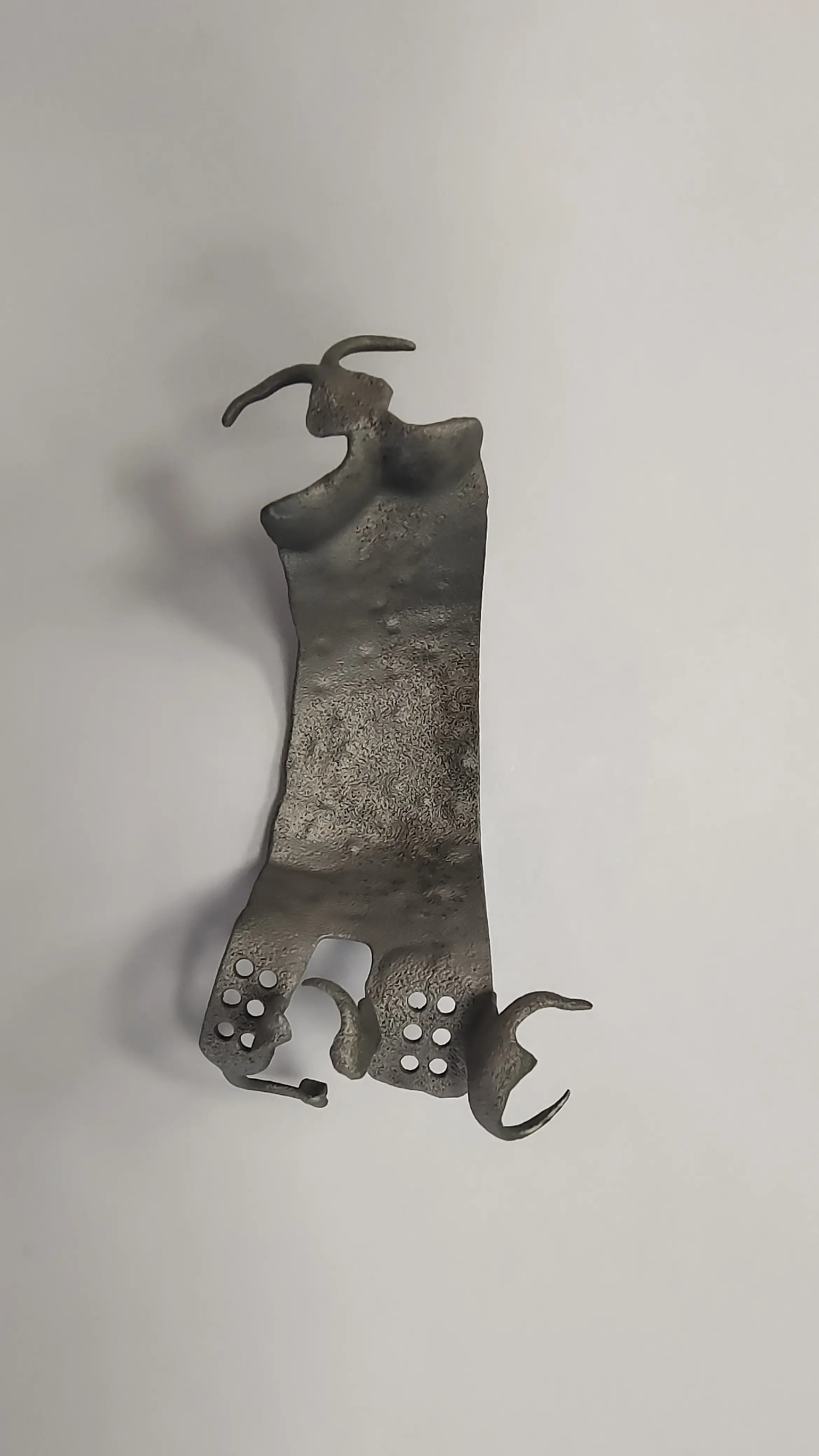
Forget about the generic, flimsy hooks from the big box store. The next evolution in functional wall hardware is quietly unfolding, driven by a powerful manufacturing technology: 3D printing. More specifically, Metal 3D printing Transform something as simple as a wall hook into the pinnacle of customization, strength and design freedom through processes like Selective Laser Melting (SLM). At GreatLight, we use state-of-the-art SLM 3D printers every day and see how rapid prototyping can solve real-world problems—problems as small as trivial.
Why Choose 3D Printed Wall Hooks?
When designing purpose-built hooks, the limitations of traditional manufacturing become very apparent:
- Ultimate customization: Need a miniature anchor-shaped hook for your nautical-themed room? Or maybe a hook that precisely supports an expensive musical instrument or oddly shaped sports gear? 3D printing excels at creating organic, complex geometries that would simply not be possible with injection molding or machining without the high cost of tooling. Every contour, curve and mounting plate can be precisely customized to your object and aesthetic.
- Excellent strength-to-weight ratio, especially for metals: Plastic hooks have their place, but for demanding applications (securing heavy power tools, bicycles, or industrial equipment), metal is king. SLM 3D printing uses atomized metal powder (such as stainless steel 316L, titanium Ti64 or aluminum AlSi10Mg) to construct the hook layer by layer. The result is a dense, strong part with excellent mechanical properties comparable to traditional forged metals, while often reducing unnecessary bulk.
- Unparalleled design freedom: Integrate functionality directly into hooks:
- Hidden cable management channel for power tool charger.
- Built-in labels/custom text.
- Unique mounting system for tricky surfaces (curved walls, uneven studs).
- Non-destructive mounting solution requiring specialized clips or pins.
- Optimized design reduces stress points for superior load capacity.
- Speed from concept to reality: Rapid prototyping shines here. Traditional hook development requires weeks to create molds or perform complex CNC setups. Using SLM and metal printing, GreatLight can design, simulate, print and complete a highly functional hook in just days. This agility allows for rapid iteration: design-test-improve-deploy.
- Material flexibility: While SLM metal printing offers unparalleled strength, Selective Laser Sintering (SLS – Nylon) or Fused Deposition Modeling (FDM – Strong Thermoplastic) are ideal for less demanding or more cost-sensitive applications. GreatLight offers a wide range of technology and material options to select the best solution for your hooking application and environment.
Metal SLM Print: Pillars for Heavy Duty Hooks
When reliability and strength under load cannot be ignored, SLM metal 3D printing is the first choice. GreatLight uses cutting-edge metal printers to produce hooks with:
- Structural integrity: Parts have minimal internal porosity, ensuring high tensile strength and fatigue resistance.
- accurate: SLM faithfully captures intricate design details, including delicate filigree designs or intricate internal lattice structures, reducing weight without sacrificing strength.
- Material Versatility: Options range from lightweight aluminum to ultra-strong titanium or corrosion-resistant stainless steel. The best material depends on the weight of the object, environmental factors (humidity, chemicals, temperature) and mounting surface considerations.
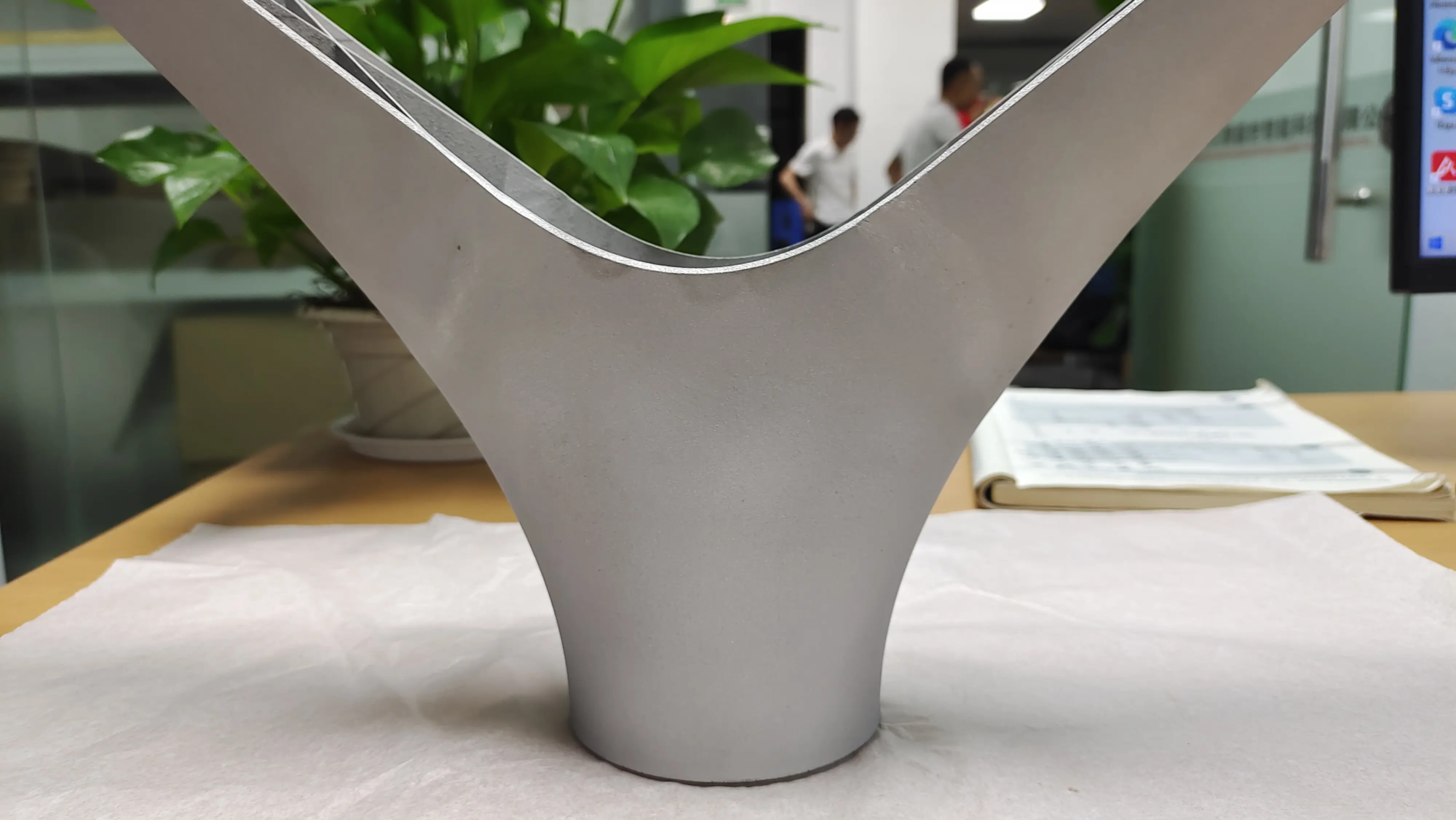
- Seamless finish: Our extensive post-processing expertise comes into play – sandblasting removes powder residue, CNC machining ensures the mounting surface is perfectly flush, polishing creates a stunning visual effect, and powder coating adds color and extra protection.
Key Design Considerations for the Best 3D Printed Hooks
create perfect Hooks are not just about aesthetics. Engineering plays a vital role:
- Dynamic load analysis: How much weight can the hook carry? How are loads applied (static suspension vs. dynamic placement/removal)? FEA simulations during the design process optimize wall thickness and geometry to safely handle real-world stresses. GreatLight incorporates these analyzes into our prototyping workflow.
- Wall interface strength: The mounting point is often the weakest link. Design requires adequate surface area, proper bolt/screw hole placement, and sometimes a clever distribution system to avoid point loads on the drywall or stucco.
- Reduce stress concentration: Sharp internal corners are stress concentration points. Careful fillets and smooth transitions are critical to longevity, especially under cyclic loading. Topology optimization algorithms can help generate naturally strong forms.
- Surface friction/grip: For slippery items like bicycles or wet tools, textured pads or grooves can prevent slipping. This can be integrated into the printing process or add post-processing (e.g. using rubber inserts).
- Environmental suitability: Will the hook be exposed indoors, outdoors, or to chemicals? Material selection (marine-grade stainless steel, anodized aluminum) and corrosion-resistant coatings are key factors.
Applications well beyond the kitchen:
The versatility of 3D printed hooks unlocks solutions for countless scenarios:
- Industry and workshops: Securely hang heavy tools, cables, hoses, personal protective equipment and mechanical parts from factory floors or shop pegboards. Metal SLM hooks can handle harsh environments.
- Retail and Display: Elegant branded hook for displaying merchandise, jewelry, apparel or interactive exhibits. Achieve custom looks not possible with standard hardware.
- Hospitality: Sturdy, compact hook for hotel rooms, spas or restaurants where robes, menus, accessories or decorative elements need to be mounted efficiently and beautifully.
- Family organization: Tailor-made solutions for awkward spaces under stairs, inside cupboards, on sloping walls, or for specific objects like drones, musical instruments, baseball bats, or specialty cookware.
- Disability Assistance: Custom-designed hooks are located at optimal heights and angles to assist with daily tasks.
Why trust GreatLight’s custom 3D printed hooks?
Gretel is at the forefront of the industry rapid prototypingspecializes in the precision and sophistication offered by metal additive manufacturing. When you choose GreatLight, you work with:
- Advanced SLM technology: Produce exceptionally strong and precise parts with high-resolution metal printers.
- End-to-end expertise: From initial design consultation utilizing CAD/FEA, material selection, printing on our industrial machines, to comprehensive post-processing including CNC machining, polishing, electroplating, painting, we handle it all under one roof.
- Uncompromising precision and quality: Strict quality control protocols ensure each hook meets specifications and safety standards, backed by material certifications.
- Quick turnaround: Leverage the speed of additive manufacturing to get a functional prototype or production hook faster than traditional methods.
- Material knowledge: Experts can advise on the best alloy (stainless steel, titanium, aluminum alloy, etc.) based on your specific load, chemical, thermal and aesthetic requirements.
- Cost-effective innovation: Eliminate expensive tooling costs and enable economical low-volume production based on specific needs.
in conclusion
The humble wall hook is reimagined through 3D printing, specifically metal SLM technology, and becomes a powerful tool for intelligent organization and design expression. No longer limited by off-the-shelf constraints, businesses and individuals can create functional, durable and aesthetically unique hooks that are perfectly suited to their specific needs. GreatLight’s expertise in rapid prototyping and advanced metal additive manufacturing provides the bridge from concept to reality—quickly, accurately, and with unwavering quality. It’s time to rethink how you hang things. Customize your perfect solution today.
Frequently Asked Questions About 3D Printed Wall Hooks
-
Are 3D printed hooks strong enough?
- Absolutelyespecially those products produced using metal SLM printing. When designed correctly using appropriate materials such as stainless steel or titanium, they can surpass the strength of many cast or forged hooks and easily handle the heavy loads commonly found in industrial or workshop settings. Plastic (SLS Nylon) hooks are better suited for lighter applications such as robes or keys.
-
How much weight can a metal 3D printed hook bear?
- There is no single answer – it all depends on the material, specific alloy, hook design (geometry, wall thickness, mounting interface) and print orientation/quality. A simple titanium hook optimized by FEA can carry over 100kg in a compact form factor. GreatLight provides detailed load ratings based on your specific design and material selections.
-
Can you match my existing decor or brand colors?
- Yes! Our extensive post-processing services include powder coating, electroplating (e.g. nickel, copper, gold) and anodizing in a variety of colors and finishes (glossy, matte, textured). We can precisely match Pantone colors or create unique aesthetics. Metal hooks can also be polished to a natural finish.
-
How expensive are custom 3D printed hooks compared to standard hooks?
- For simple, high-volume plastic hooks, mass-produced injection molding is still cheaper. However, for complex geometries, metal hooks, or low- to medium-volume production, 3D printing becomes very cost-competitive by eliminating expensive tooling. The value comes from the uniqueness of customization, rapid availability, and solving specific problems that standard hooks cannot solve.
-
What file types are required to create a custom hook?
- We prefer to use solid CAD formats such as STEP (.step, .stp) or IGES (.iges) to achieve manufacturing grade accuracy. We can also use STL for prototyping. Our team can assist with converting files or designing hooks based on your sketches and requirements.
-
Do you provide prototype designs before committing to larger orders?
- Yes! Rapid prototyping is our core strength. We encourage functional testing and design verification starting with prototypes. This allows weight distribution, fit and finish to be optimized before scaling up production.
-
What materials are best for outdoor use?
- For long-term outdoor durability, metal alloys such as stainless steel 316L are highly resistant to corrosion. Aluminum alloys (such as AlSi10Mg) also have strong weather resistance after anodizing. Avoid permanently exposing unprotected standard plastic prints to the outdoors; special weather-resistant nylon or ASA plastic requires specific expertise. Discuss your environment with us for the best advice.
- Can I design my own hook?
- really! If you have CAD skills and design experience (including understanding of stress analysis), we welcome your design. If not, our engineering team can work closely with you to transform your concept into a manufacturable design, optimized for strength and printability. Gretel offers a comprehensive One stop solution From idea to finished product.
**Engineer function. Print durability. Perfectly organized. Contact GreatLight today and learn about your needs